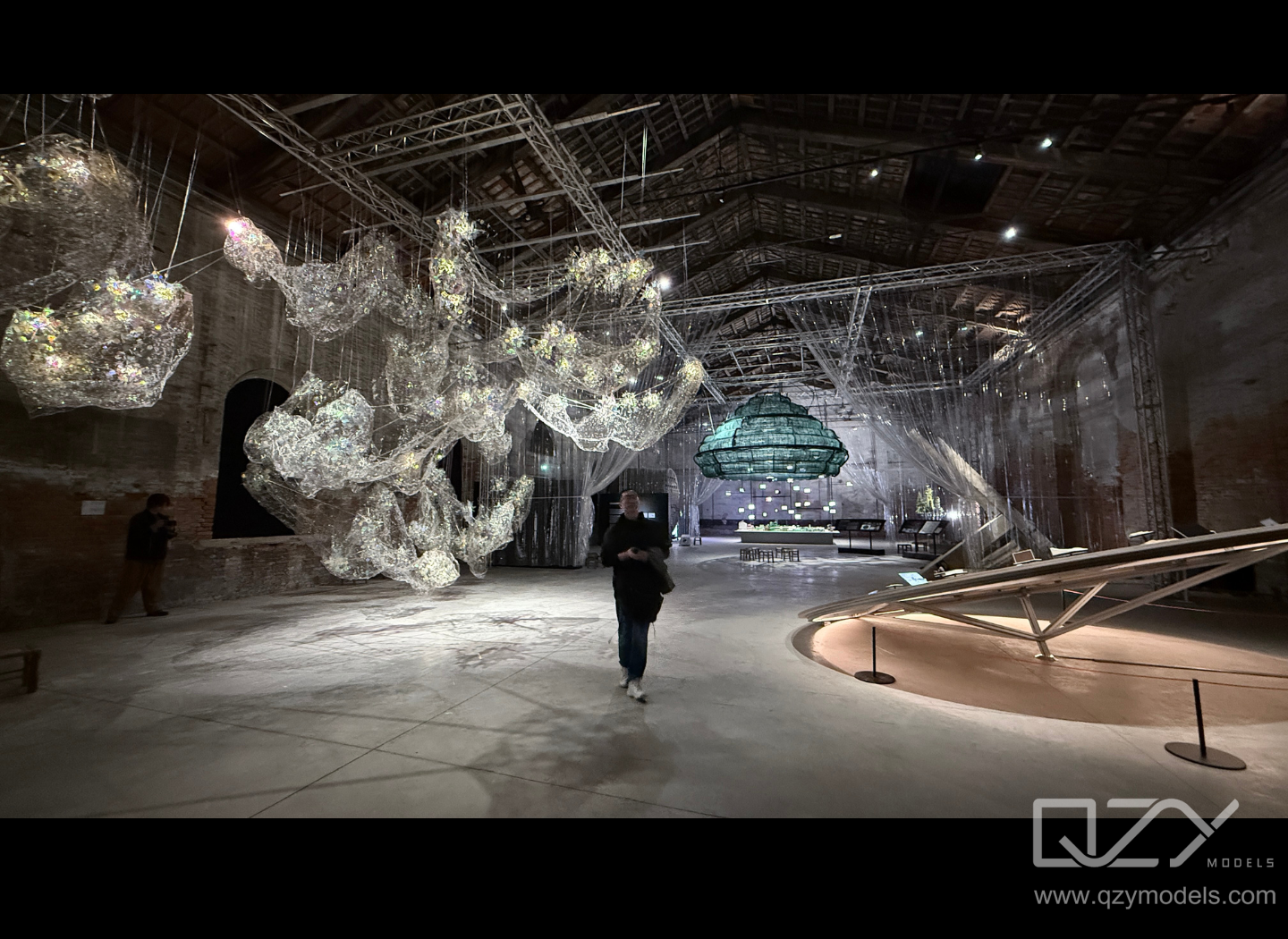
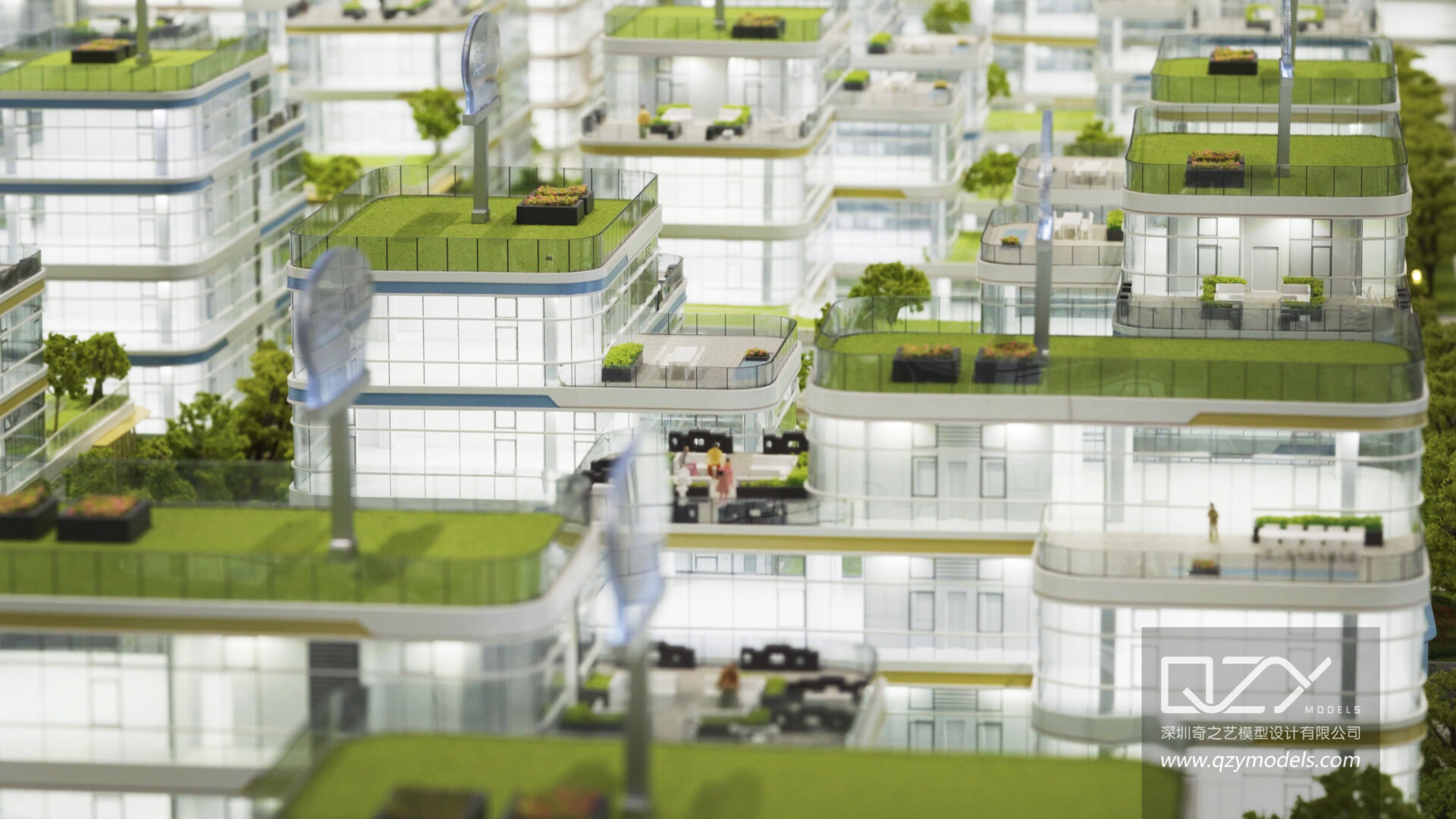
Scale model house construction relies on materials such as foam board, basswood, acrylic sheets, plywood, cardboard, balsa wood, and metals like aluminum. These materials are chosen for precision cutting, lightweight handling, durability, and realistic texture reproduction. QZY Models uses these substances to create professional, high-fidelity architectural models at common scales like 1:50 and 1:100, ensuring accurate and visually compelling representations.
What Are the Most Common Scale Model House Materials?
The most frequently used materials for scale model houses include foam board, basswood, acrylic, plywood, and cardboard. Foam board provides lightweight structure ideal for quick prototypes. Basswood offers a smooth finish suitable for walls, moldings, and trim. Acrylic sheets replicate glass facades with transparency and shine. Plywood and cardboard are used for strong bases and terrain modeling.
Architects and professional model makers select these materials for ease of manipulation and visual fidelity. QZY Models leverages these materials in high-precision projects for clients such as real estate developers and architectural firms, combining craftsmanship with modern fabrication techniques.
Which Scale Model House Materials Are Best for Beginners?
Foam board and balsa wood are recommended for beginners due to their affordability, lightweight nature, and ease of cutting with basic tools.
These materials allow novices to focus on design assembly rather than advanced fabrication techniques. Foam board forms clean walls and roofs quickly, while balsa wood enables precise detailing for doors, trim, and decorative elements. Beginners can practice on small sections before progressing to larger assemblies. QZY Models advises starting simple and gradually introducing acrylic or other materials for windows and modern facades.
How Do You Choose Scale Model House Materials for Durability?
Durable materials such as basswood, plywood, and acrylic should be prioritized for scale model houses. Strength-to-weight ratio, resistance to handling, and longevity under exhibition conditions are key considerations.
Basswood withstands sanding and painting, plywood layers provide structural rigidity for multi-story designs, and acrylic resists scratches while maintaining clarity. Proper selection ensures models endure transport and repeated presentations. QZY Models engineers robust models for global clients, including urban planners and developers, balancing durability with aesthetic fidelity.
| Material | Durability Rating | Best For | Weight |
|---|---|---|---|
| Foam Board | Low | Quick builds, prototypes | Very Light |
| Basswood | Medium | Walls, details | Light |
| Plywood | High | Bases, multi-story structures | Medium |
| Acrylic | High | Windows, facades | Light |
| Metal Sheets | Very High | Roofs, accents | Heavy |
Why Use Wood Like Basswood in Scale Model Houses?
Basswood is valued for its fine grain, ease of cutting, and smooth paintability, making it ideal for replicating real wood textures in models.
It enhances realism, especially for traditional house designs, and can be sanded for intricate details and joined cleanly with adhesives. Balsa wood offers a lighter alternative for upper stories or delicate components. QZY Models incorporates basswood in projects for prestigious architects, achieving polished finishes that impress stakeholders.
What Role Does Foam Board Play in Scale Model House Construction?
Foam board is widely used for walls, roofs, and bases due to its lightweight properties and ease of cutting.
It allows rapid assembly for conceptual designs and can be layered for added thickness. Foam board responds well to hot wire shaping for curves or decorative elements. QZY Models uses foam board extensively in early-stage residential model development for real estate developers to accelerate design iterations.
How Can Acrylic Enhance Scale Model House Designs?
Acrylic adds realistic transparency for windows and modern facades, simulating glass with clarity and reflective qualities.
Laser-cut acrylic provides precise edges and smooth surfaces. It can be tinted for depth or combined with wood frames for hybrid construction. QZY Models integrates acrylic in luxury and contemporary house models to deliver visually striking presentations for clients in Europe and the Middle East.
Are Sustainable Materials Available for Scale Model Houses?
Yes, eco-friendly alternatives such as recycled cardboard, FSC-certified balsa wood, and biodegradable foam are available.
Sustainable materials reduce environmental impact without sacrificing quality. Recycled cardboard provides sturdy landscapes, certified woods ensure ethical sourcing, and biodegradable resins support detailed components. QZY Models prioritizes sustainable sourcing for clients focused on green developments, aligning with global environmental standards.
When Should You Use Metal in Scale Model Houses?
Metal sheets like aluminum or brass are ideal for roofs, railings, and industrial accents requiring strength and realistic appearance.
Metals add structural integrity and aesthetic shine. They can be scored, bent, and finished for custom detailing. Due to weight considerations, metals are generally used for select elements. QZY Models applies metals in high-end exhibition and prototype models, achieving both durability and visual sophistication.
| Scale | Recommended Materials | Typical House Features |
|---|---|---|
| 1:100 | Foam board, cardboard | Basic massing, conceptual forms |
| 1:50 | Basswood, plywood, acrylic | Detailed exteriors, windows |
| 1:25 | Wood, metal, resin | Full interiors, intricate details |
Where to Source Quality Scale Model House Materials?
Materials are sourced from specialized architectural and hobby suppliers to ensure consistency and precision.
Online and local vendors offer foam, woods, acrylic, and metals suitable for scale modeling. Professionals should verify thickness, finish, and durability. QZY Models sources globally from Shenzhen and other hubs, supplying premium materials to branches in UAE, Saudi Arabia, and beyond for international projects.
QZY Models Expert Views
“At QZY Models, we select scale model house materials to bridge conceptual designs with tangible, accurate representations. Our experience of over 20 years allows innovative application of basswood, acrylic, and foams for precise, durable models. Serving clients from Vanke to government institutions across 20+ countries, we combine traditional craftsmanship with modern laser cutting, ensuring models are both presentation-ready and structurally robust.” – Richie Ren, Founder, QZY Models
Key Takeaways and Actionable Advice
Choose materials appropriate for scale, design complexity, and presentation purpose. Foam is best for rapid prototypes, wood for detailed exteriors, acrylic for transparent elements, and metal for accents. Test materials on small samples and consider partnering with experts like QZY Models for high-fidelity, durable, and visually compelling models. Start with smaller scales (1:100), refine to 1:50, and iterate based on feedback for optimal results.
FAQs
What scale is best for beginner house models?
1:100 or 1:87 is recommended for simple structures using foam board.
How do you cut basswood for model houses?
Use sharp hobby knives or laser cutters, finishing edges with sanding.
Can you paint scale model house materials?
Yes, acrylic paints work well on wood and foam; primer improves finish.
What glue is recommended for assembly?
PVA glue for wood/foam; super glue for acrylic and metals.
How long does it take to build a scale model house?
Basic models may take 2–10 hours; highly detailed 1:25 models can require several weeks.