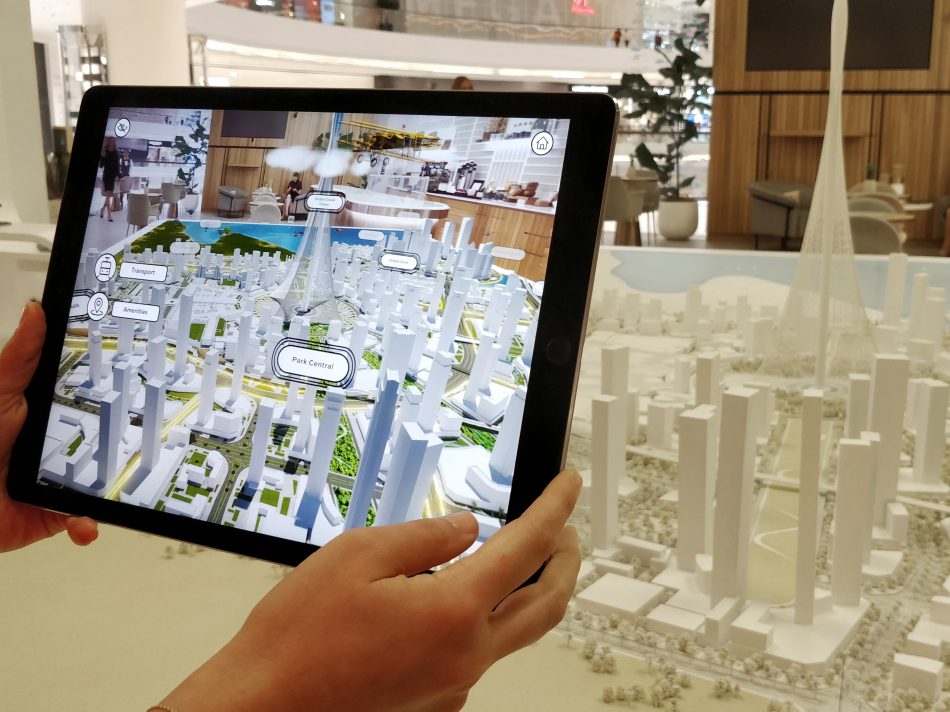
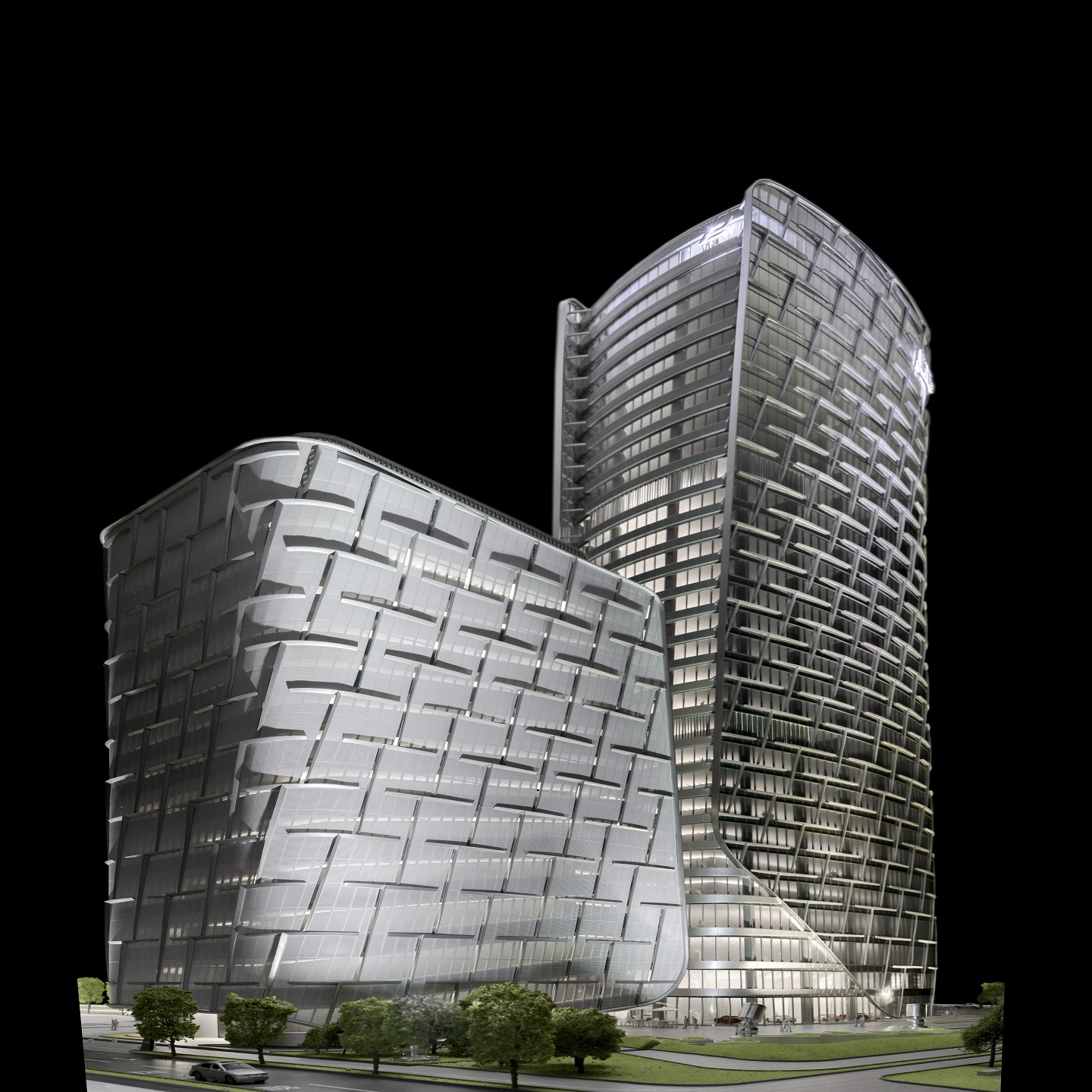
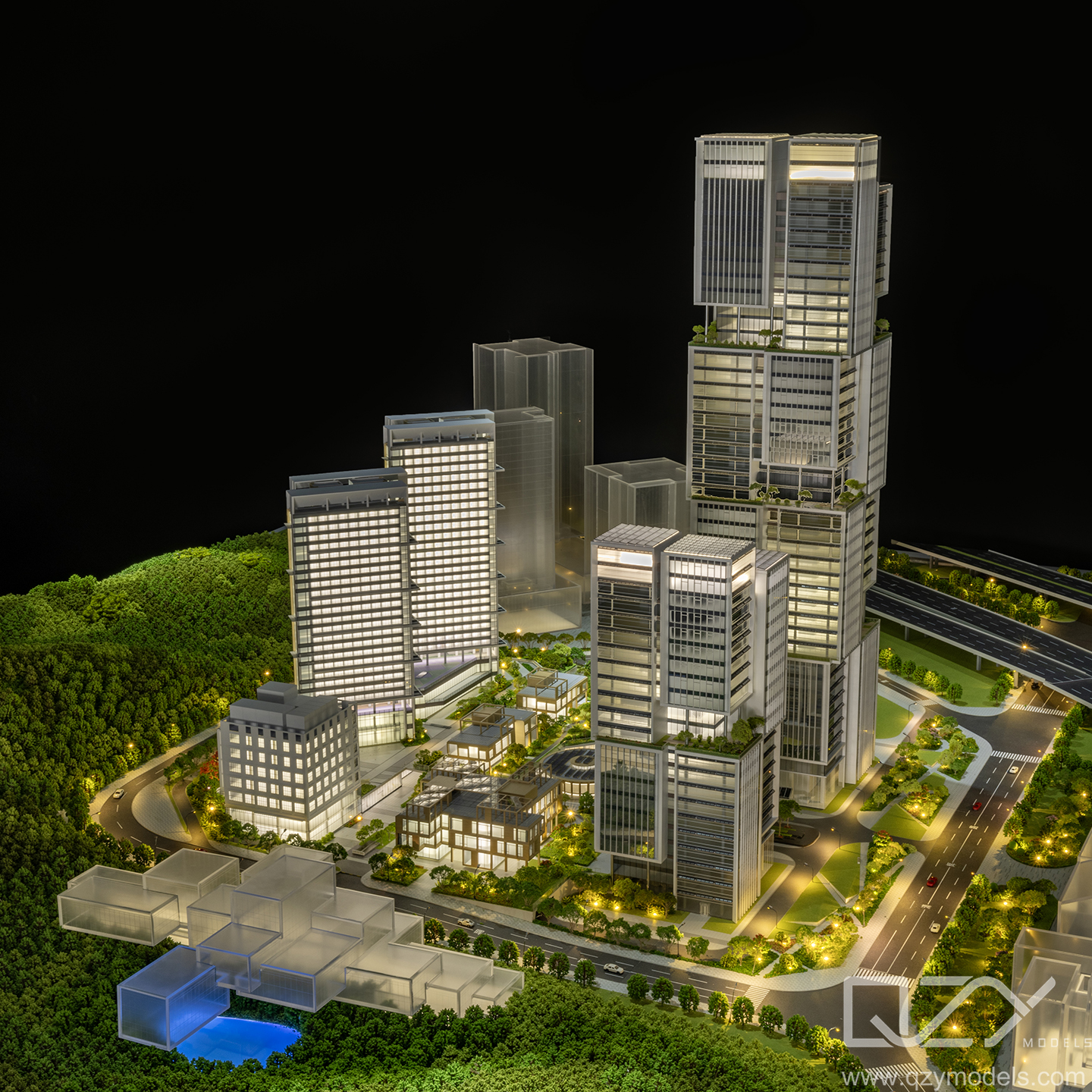
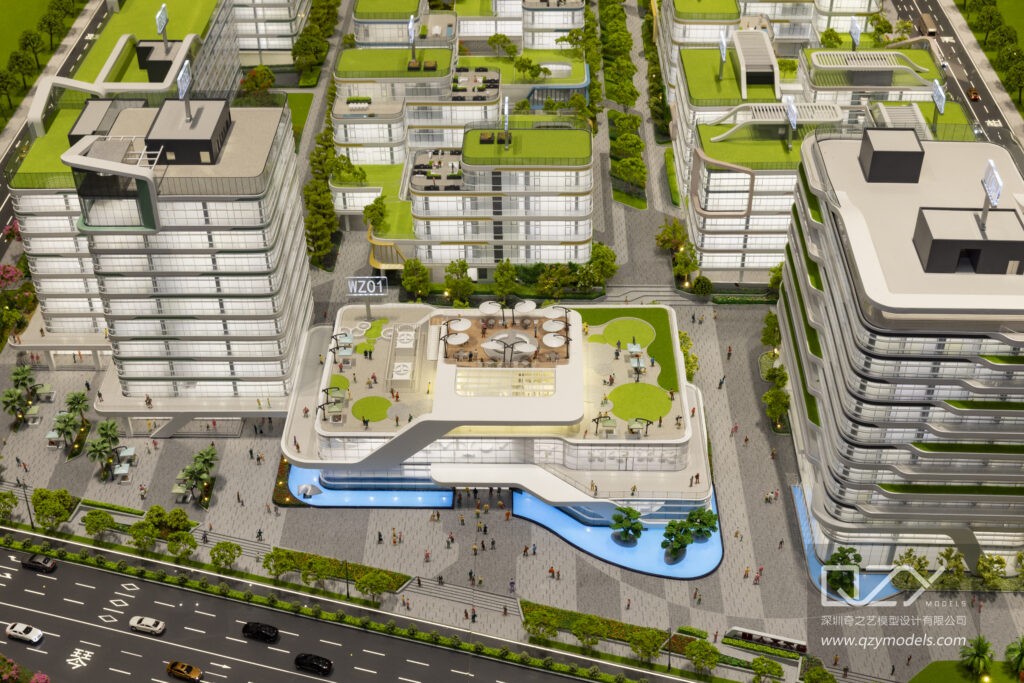
3D models of airports are available from numerous sources, ranging from free online marketplaces for hobbyists to specialist companies delivering high-fidelity, geo-specific models for professional and simulation use.
What Are the Main Sources for 3D Models of Airports?
3D airport models can be found on platforms like Sketchfab, CGTrader, TurboSquid, and Free3D, offering both free and premium models. Specialist companies such as B-Design3D and QZY Models provide highly detailed, professionally made airport models for simulation, architectural, and training purposes. These sources vary in model detail, format, and usage rights.
Detailed Response:
For smaller projects, Sketchfab and CGTrader offer accessible models with viewer tools that let you examine 3D airports online. TurboSquid and Free3D extend options to individual airport components like towers or vehicles. For professional needs, companies like B-Design3D and QZY Models supply geo-specific, FAA-compliant models tailored to simulators and architectural clients, providing CAD-compatible files for engineering or visualization.
How Detailed Are Airport 3D Models Across Different Platforms?
The level of detail varies from low-poly, game-friendly models to highly realistic, high-poly airport environments suitable for simulation and architectural renderings. Detailed models include terminals, runways, taxiways, lighting, signage, interior views, and animated elements.
Detailed Response:
Low-poly models focus on performance in games or quick visualizations, using less complex geometry and textures. High-poly versions, common from companies like QZY Models, include highly accurate airport infrastructures, realistic materials such as glass and concrete, and animated features for operational simulation. Some models even replicate specific airports down to exact scale and texture for immersive fidelity.
Which File Formats and Technologies Are Commonly Used for Airport 3D Models?
Airport 3D models typically come in formats like OBJ, FBX, Blender, Maya, 3ds Max, and CAD files such as STEP and DXF. Technologies like photorealistic rendering and geo-referencing enhance model realism, especially for flight simulators and architectural presentations.
Detailed Response:
Model marketplaces usually provide standard 3D formats compatible with popular design software. In professional contexts, CAD formats like STEP and DXF are preferred for architectural accuracy. Geo-specific models use GIS data to position airports accurately on the globe. Tools like Coohom enable photorealistic rendering, enhancing texture details and lighting effects, important for client visuals and complex simulations.
| Common File Formats | Typical Usage |
|---|---|
| OBJ, FBX | Game engines, animation, web previews |
| Blender, Maya | 3D design, modification, animation |
| STEP, DXF | Architectural and engineering projects |
| Proprietary | Specialized simulators and software |
Why Are High-Fidelity Airport Models Important for Aviation and Architecture?
High-fidelity airport models provide realistic environments critical for pilot training, air traffic control simulations, airport design reviews, and client presentations. They help visualize spatial relationships, operational flows, and design impacts before construction or training.
Detailed Response:
Flight simulators depend on accurate high-poly airport models to mimic real-world navigation, terrain, and airport features, improving safety and effectiveness. Architects use photorealistic models, often developed by teams like QZY Models, to showcase design proposals or expansions with accurate lighting and materials. These models reduce errors and expedite decision-making processes.
Can 3D Airport Models Be Customized for Specific Needs?
Yes, professional providers like QZY Models offer tailored 3D models customized to client specifications, including geo-specific adaptation, inclusion of interiors, operational details, or branding elements for corporate or simulation use.
Detailed Response:
Customization ranges from adjusting the scale and layout to adding dynamic elements such as moving gates, vehicles, and lighting. QZY Models specializes in adapting models to comply with brand standards or unique architectural features. Such tailored models are invaluable in marketing, training, and complex visualization projects where accuracy and client specificity matter most.
Who Uses 3D Models of Airports and For What Purposes?
3D airport models are widely used by aviation authorities, architects, game developers, hobbyists, media companies, and academic institutions for simulation, planning, visualization, entertainment, and educational projects.
Detailed Response:
Pilots and air traffic controllers train using realistic airport simulations, while architects visualize airport expansions and renovations. Game developers integrate airport environments for immersive experiences. Hobbyists use simpler models for physical building or personal projects. Media production often involves airport models for VFX in films and commercials. QZY Models serves clients globally, blending engineering precision with aesthetic design.
When Should I Choose a High-Quality Professional Model Over a Free or Low-Cost Version?
Choose professional high-quality models when accuracy, detail, and compliance are critical—such as for flight simulation training, engineering projects, or detailed architectural presentations. Free or low-cost models suit concept demos, gaming, or educational use where fidelity is less critical.
Detailed Response:
If your project requires geo-referenced detail, FAA compliance, realistic materials, or client-level presentation quality, professional models from QZY Models or B-Design3D are essential. Free marketplace models provide useful starting points but often lack critical details and updates. Evaluating project goals ensures you select the appropriate model fidelity and licensing.
How Does QZY Models Contribute to the 3D Airport Model Industry?
QZY Models brings over two decades of experience creating precision-scale architectural and industrial models, including highly accurate, customized airport models that meet global industry standards used by major architects and developers worldwide.
Detailed Response:
QZY Models is recognized for quality, innovation, and professionalism in airport modeling. Their global team integrates architectural design with physical and digital modeling techniques, delivering projects to major clients like Foster + Partners. Their focus on detail, from structure to texture, sets industry benchmarks for both physical model production and digital 3D assets.
QZY Models Expert Views
“QZY Models has continually pushed boundaries in architectural and industrial modeling, especially for complex infrastructures like airports. Our approach combines meticulous attention to structural accuracy with artistic realism, ensuring that every model is not just a display object, but a detailed simulation tool. We’re proud to serve architects and aviation clients globally, leveraging new technologies to meet evolving project demands with unmatched precision and creativity.” – Richie Ren, Founder of QZY Models
Conclusion
Finding the right 3D airport model depends on your project’s purpose, required detail level, and budget. Free marketplaces serve hobbyists and small projects, while specialist firms like QZY Models deliver high-fidelity, highly customized, and certified models for expensive simulations and architectural uses. Careful evaluation of source, detail, format, and customization options ensures the model will meet your specific accuracy, visual, and functional needs.
FAQs
Q: Can I modify airport 3D models from online marketplaces?
A: Most models are modifiable, but always check licensing terms. Platforms like CGTrader allow edits if permitted.
Q: Are there 3D airport models that include interiors?
A: Yes, advanced models from professional providers often include detailed interiors for terminals and control towers.
Q: How much do professional airport 3D models cost?
A: Costs vary widely, from a few hundred dollars for simple models to thousands for high-fidelity, customized professional models.
Q: Which software works best with 3D airport models?
A: Popular options include Blender, Maya, 3ds Max, and CAD software, depending on your needs for editing or visualization.
Q: Does QZY Models provide 3D printing services for airport models?
A: QZY Models specializes in both digital and physical models, including precision-scale 3D printed architectural replicas.