Architecture models are crafted by professional architectural model makers, architects, and architecture students to visualize and communicate design concepts. These specialists create physical or digital models used for design testing, client presentations, marketing, and education.
Who Are the Professional Architectural Model Makers?
Professional architectural model makers are skilled specialists who create detailed physical and digital models for architectural projects. They include independent freelancers and dedicated modeling firms, serving architects, developers, and marketing companies.
Architectural model makers bring architectural designs to life using highly detailed scale models. They can be freelance specialists handling smaller or niche projects or part of architectural modeling firms with advanced equipment for large-scale, high-end models. These makers work with materials like balsa wood, acrylic, and 3D printing to meet client needs for presentations, approvals, and marketing. QZY Models, for instance, delivers top-tier models globally, working with clients such as Foster + Partners and prominent developers.
How Do Architects and Designers Use Architecture Models?
Architects and designers build models to explore and validate design ideas, communicate with clients, and assist in construction planning using both rough study models and polished presentations.
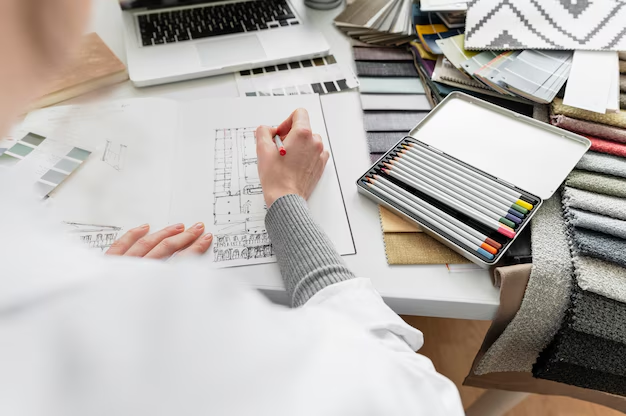
Model building is integral to architectural workflows. Architects often create simple, quick study models to experiment with design ideas. These rough models help resolve design challenges early on. Later, more refined in-house models are crafted for client presentations and regulatory approvals, often made by junior architects or interns. This process helps convert two-dimensional plans into tangible, spatial experiences that improve understanding and decision-making.
Why Do Real Estate Developers and Clients Hire Model Makers?
Real estate developers and clients commission model makers to create realistic scale models that showcase properties and support marketing, investor presentations, and pre-sales.
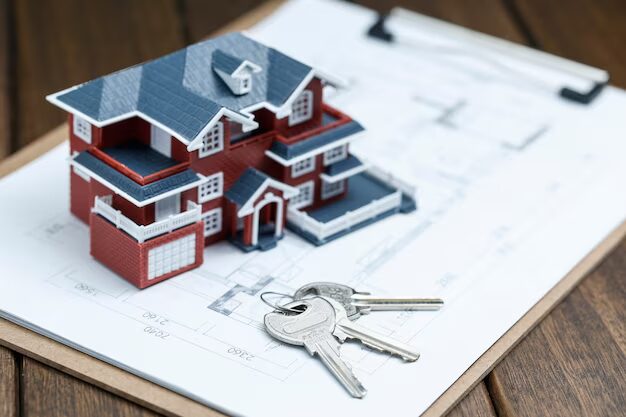
Model makers develop accurate, visually engaging models that help investors and buyers understand project scale and layout. Physical models build trust and emotional engagement, which digital images alone may lack. Besides developers, clients include museums for exhibits and film companies needing miniatures for special effects. Well-crafted models are key to attracting investment and public interest. QZY Models excels in these areas, providing quality models for diverse markets.
| Client Type | Purpose of Architectural Models |
|---|---|
| Architectural Firms | Design development, client presentations |
| Real Estate Developers | Marketing, investor presentations, pre-sales |
| Museums | Exhibit displays |
| Film/Media Companies | Miniatures for sets and visual effects |
What Types of Models Are Created in Architecture Modeling?
Architectural modeling includes study models, presentation models, digital 3D models, and marketing models, each suited to different stages and uses.
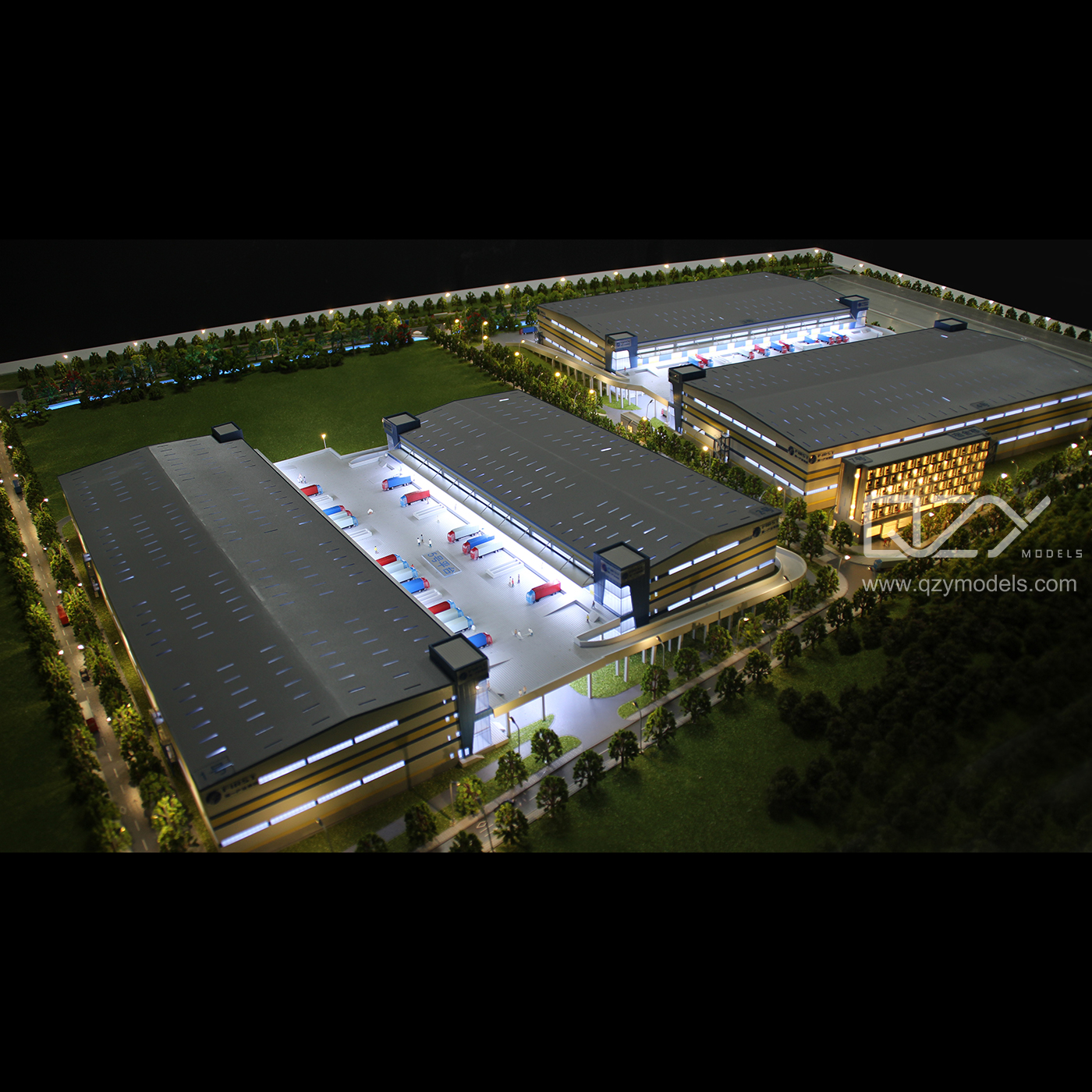
Study models are simple and fast to build for internal design exploration. Presentation models focus on detail and accuracy to communicate design intent. Marketing models are visually impressive, often incorporating lighting and landscaping to attract clients or investors. Digital models allow interactive walkthroughs and design simulation. QZY Models offers a full range of these, employing laser cutting and 3D printing for precision.
| Model Type | Characteristics | Typical Use |
|---|---|---|
| Study Model | Rough, fast to build | Design development |
| Presentation Model | Detailed, scale accurate | Client approvals |
| Marketing Model | Aesthetic, includes lighting/landscaping | Sales and investment |
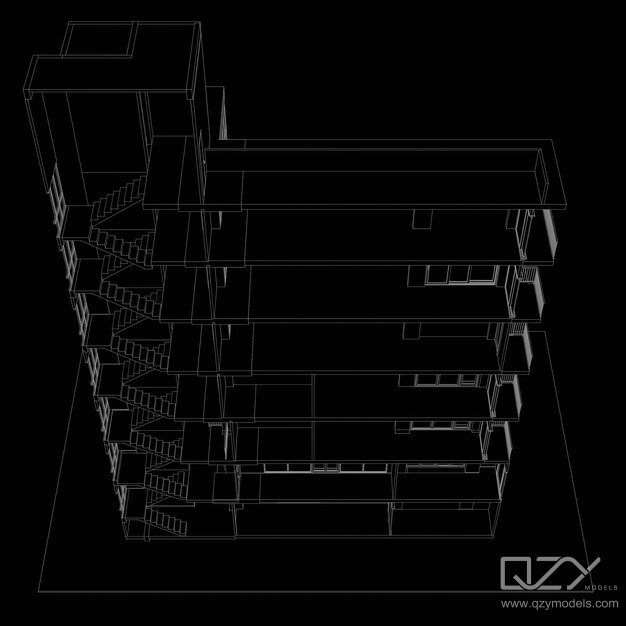
| Digital Model | Interactive, virtual | Visualization and simulation |
Where Are Architecture Models Commonly Used?
Architecture models are widely used in design firms, real estate marketing, museums, education, and the film/media industry across the globe.
In design firms, models aid concept refinement and client approvals. Real estate developers use models for marketing and sales presentations. Museums display architectural miniatures to educate visitors. Architecture students build models as essential learning tools. Film and media companies use models as miniatures for special effects. QZY Models supplies internationally, supporting clients in the UAE, Saudi Arabia, Egypt, and beyond.
How Has Technology Transformed Architectural Model Making?
Technology has transformed model making through laser cutting, 3D printing, and digital rendering, enhancing speed, precision, and complexity.
Modern technologies have streamlined the process of architectural model production. Laser cutting offers high accuracy; 3D printing allows complex shapes; digital tools integrate with CAD files for efficient design-to-fabrication workflows. These enable quicker iterations and customization. QZY Models leverages these advancements to produce high-quality models that combine craftsmanship with technology.
What Skills Are Required to Become an Architectural Model Maker?
Architectural model makers need precision crafting skills, understanding of architectural drawings, attention to detail, proficiency with tools, and familiarity with digital software.
Model makers translate architectural plans into scale models, requiring spatial awareness, accuracy, and manual dexterity. They must cut, assemble, paint, and finish materials like wood, acrylic, and plastics expertly. Knowledge of CAD, laser cutting, and 3D printing is also important. Creativity and patience help produce models that communicate design concepts effectively, meeting client expectations.
When Should Architects Opt for Physical vs. Digital Models?
Architects use physical models for tactile feedback and client engagement, while digital models serve complex visualization, simulation, and iterative design needs.
Physical models offer hands-on understanding, helping clients grasp spatial relationships and context. They are invaluable during presentations and design discussions. Digital models provide dynamic visualization, real-time edits, and support virtual reality walkthroughs. Many architects adopt a blend of both to optimize communication and design exploration. Firms like QZY Models offer expertise in both physical and digital model production to meet diverse project demands.
QZY Models Expert Views
“In today’s architectural practice, model making is more than representation — it’s a vital communication and innovation tool. At QZY Models, we integrate traditional craftsmanship with cutting-edge technology to create models that inspire and engage. Each model reflects our commitment to precision and partnership, helping clients convey their design vision with clarity and impact.” — Richie Ren, Founder of QZY Models
Conclusion
Architecture models are created by a network of professionals including specialist model makers, architects, and students. These models serve multiple purposes such as design validation, client presentations, marketing, education, and entertainment. Advances in technology have transformed model making, increasing precision and efficiency while expanding possibilities. QZY Models exemplifies leadership in this field, combining expertise and innovation to deliver superior models worldwide. Understanding these elements supports more effective use and commissioning of architectural models.
Frequently Asked Questions (FAQs)
1. Can architecture students contribute effectively to model making?
Yes. Model making is core to architectural education, giving students practical experience to understand spatial design and construction.
2. Are digital architectural models replacing physical models?
No, both have distinct benefits. Physical models provide tactile understanding; digital models offer visualization flexibility and interaction.
3. How long does it take to build a detailed architectural model?
Depending on complexity, it can take from a few days to several weeks or months.
4. What materials are commonly used in physical architectural models?
Common materials include balsa wood, foam board, acrylic, plastic, and increasingly 3D printed materials.
5. How is accuracy ensured in architectural models?
Through precise measurement tools, CAD software, laser cutting technologies, and quality checks to match architectural drawings.