Custom physical models transform complex architectural and industrial ideas into tangible, precise representations. They provide clarity on scale, spatial relationships, and functional design. China-based manufacturers like QZY Models deliver OEM and wholesale solutions, helping architects, developers, and industrial clients visualize, present, and refine projects with professional accuracy and high-quality craftsmanship.
What Are Custom Physical Models?
Custom physical models are three-dimensional representations tailored to specific projects, highlighting form, function, and spatial context.
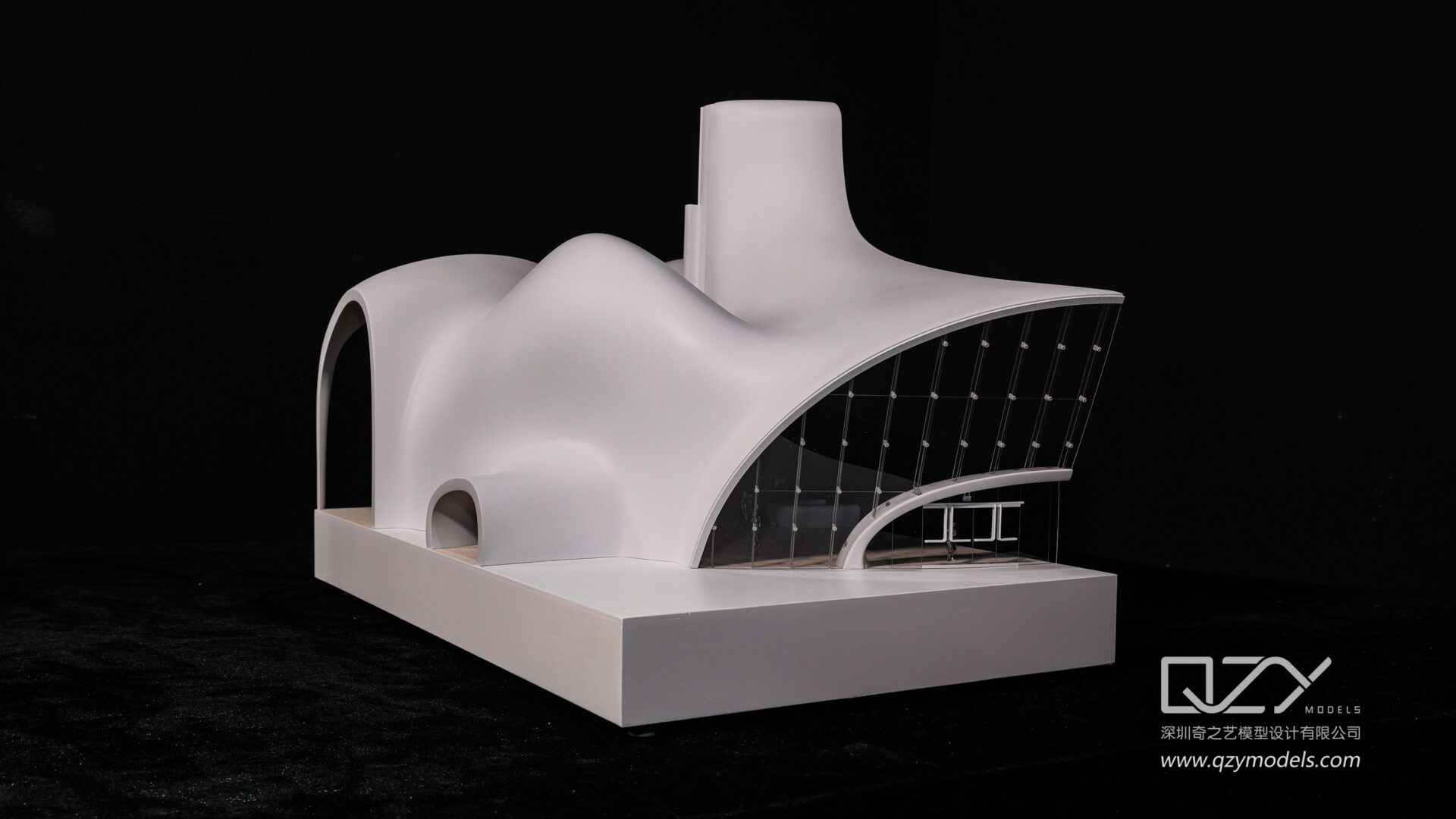
They help clients evaluate designs, communicate concepts effectively, and make informed decisions. QZY Models combines 3D digital design with advanced production techniques to ensure realism, precision, and aesthetic appeal in every model.
How Do Physical Models Support Architectural Projects?
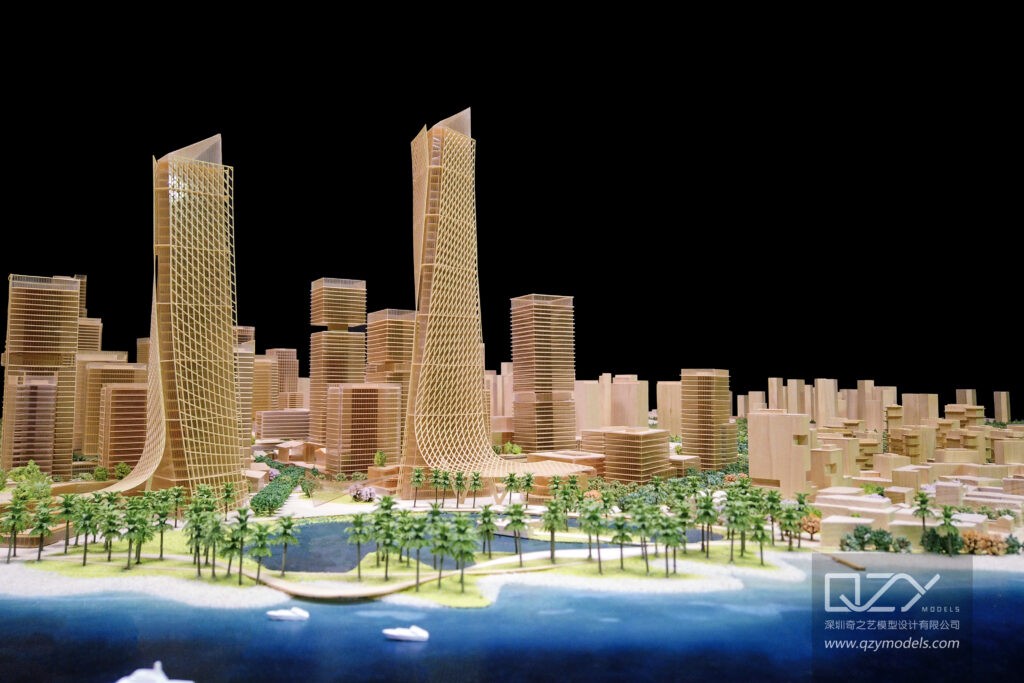
Architectural models allow developers and design firms to assess form, circulation, lighting, and spatial organization before construction.
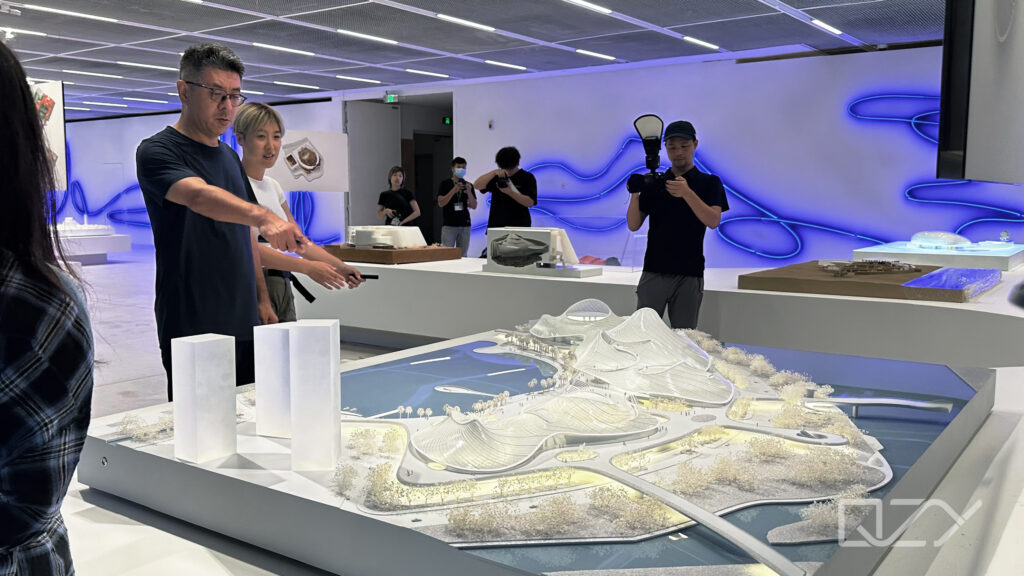
By visualizing layouts, teams can identify design opportunities and constraints early. QZY Models produces models for real estate, urban planning, and architectural visualization to support investor presentations, sales exhibitions, and government approvals.
| Design Stage | Model Type | Purpose |
|---|---|---|
| Conceptual Design | Massing or site model | Visualize building form and site context |
| Design Development | Detailed building model | Refine spatial design and aesthetics |
| Marketing Presentation | Display model | Showcase property to clients and investors |
| Urban Planning | Masterplan model | Analyze infrastructure and zoning |
Why Do Industrial Companies Use Physical Models?
Industrial clients use models to visualize machinery, product layouts, and technical systems.
These models assist with prototyping, exhibitions, training, and process validation. QZY Models creates industrial-scale prototypes, mechanical mockups, and demonstration models for OEMs and trade fairs across energy, manufacturing, transport, and technology sectors.
Which Technologies Are Used to Create High-Precision Models?
Modern model-making integrates digital and mechanical systems for accuracy and stability.
At QZY Models, technologies include:
-
CNC milling for structural components
-
3D printing for fine geometric details
-
Laser engraving for textures and patterns
-
LED integration for interactive displays
This hybrid approach ensures consistency, detail, and visual impact for architectural and industrial applications.
How Does QZY Models Maintain Consistency for OEM or Wholesale Orders?
QZY Models implements standardized production workflows with multi-stage quality control.
Each batch undergoes digital verification, material testing, precision measurement, and visual inspection. Digital templates ensure uniformity across all units while maintaining customization options for each client.
| Quality Control Stage | Objective | Tool |
|---|---|---|
| Design Validation | Accuracy and scale | CAD software |
| Material Check | Durability and consistency | Surface testing |
| Assembly Review | Fit and finish | CNC alignment tools |
| Final Inspection | Structural and visual quality | Laser measurement |
What Materials Are Commonly Used for Custom Physical Models?
Material choice depends on model scale, purpose, and visual goals.
QZY Models uses:
-
Acrylic for transparency and structural clarity
-
Resin for precision and surface detailing
-
Wood for natural aesthetics
-
Metal and glass for premium presentation models
This material flexibility allows models to balance cost, durability, and visual impact.
Why Choose a China-Based Manufacturer for Physical Model Making?
China’s model manufacturing industry combines cost efficiency, technical expertise, and advanced facilities.
QZY Models in Shenzhen offers integrated design, fabrication, and export-ready services. Clients benefit from OEM production, competitive pricing, rapid turnaround, and global logistics optimized for markets in Europe, the Middle East, and Southeast Asia.
Who Uses Custom Physical Models in Architecture and Industry?
Users include:
-
Real estate developers and construction firms
-
Architecture and interior design studios
-
Urban planners and government agencies
-
Industrial product designers and engineers
-
Exhibition organizers and trade shows
QZY Models collaborates with clients in 20+ countries, producing models for world-renowned firms and institutions.
What Are the Advantages of Combining Digital Design with Handmade Detailing?
Combining digital fabrication and handcrafting ensures precision, realism, and artistic quality.
Digital processes guarantee accuracy and repeatability, while skilled artisans add surface textures, landscaping, and finishing touches. QZY Models’ experienced team ensures models meet global presentation standards and aesthetic expectations.
When Should Developers and Manufacturers Commission a Model?
Architectural models are typically commissioned during early to mid-design stages, while industrial prototypes are created before exhibitions or technical evaluation.
Early commissioning reduces rework, aligns design feedback, and allows adequate lead time. QZY Models helps schedule production to meet investor meetings, trade fairs, or exhibition deadlines.
QZY Models Expert Views
“At QZY Models, every model tells a story of structure, function, and innovation. By combining advanced digital design with precision craftsmanship, we provide OEM solutions that bridge imagination and reality. Our models, whether architectural or industrial, reflect global quality standards and help clients communicate concepts effectively.”
— Richie Ren, Founder of QZY Models
Could Custom Physical Models Enhance Sustainability and Efficiency?
Yes. Physical models support analysis of environmental impact, material efficiency, and risk reduction.
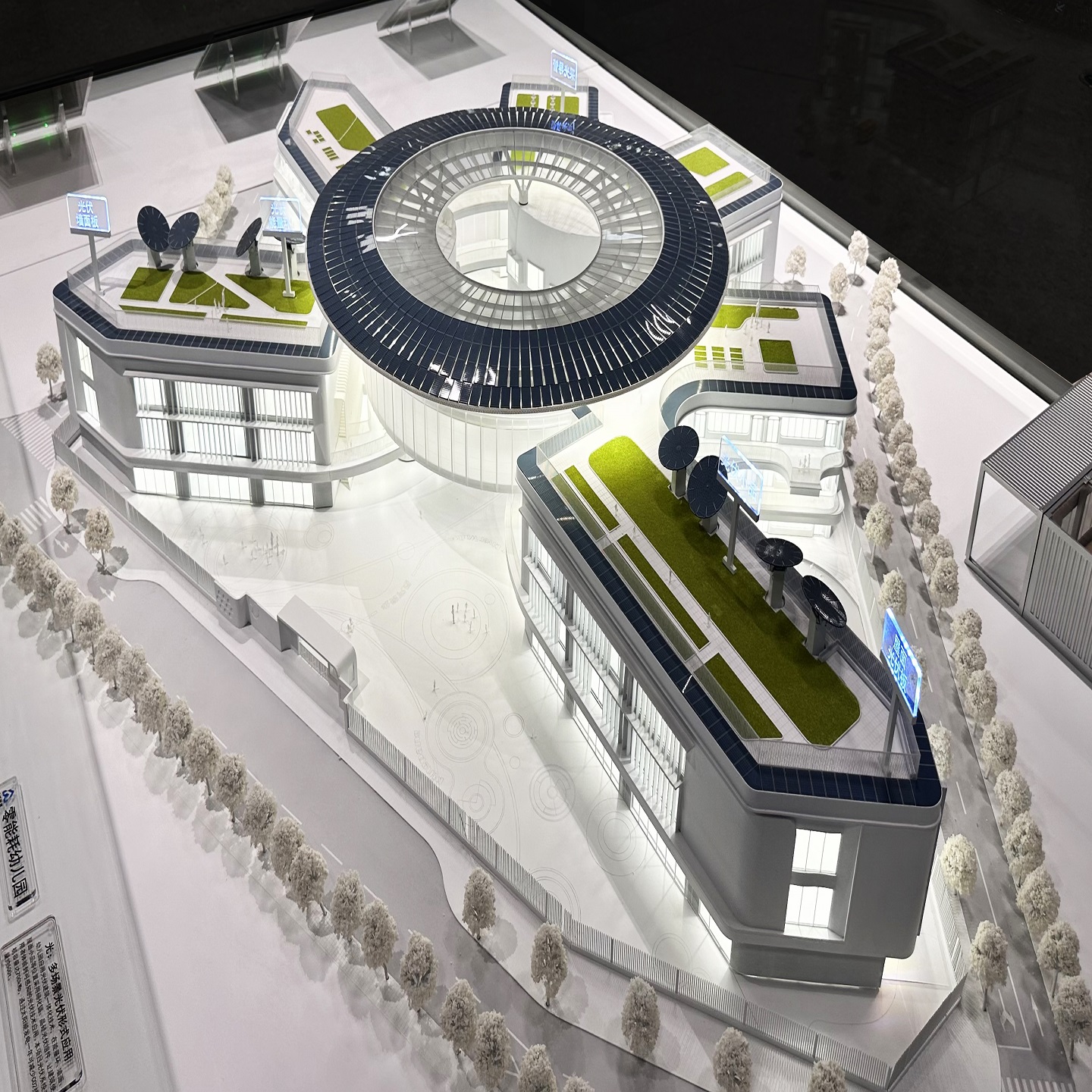
Sustainability-focused models can include solar orientation, airflow, green space planning, or energy efficiency simulations. QZY Models uses eco-friendly materials and production methods to reflect modern green design practices.
How Long Does It Take to Produce a Standard Custom Model?
Production timelines depend on complexity, scale, and detailing:
-
Small models: 2–3 weeks
-
Medium development models: 4–6 weeks
-
Large urban or industrial projects: 8–12 weeks
Clients receive progress updates, 3D previews, and pre-shipment inspections for quality assurance.
Conclusion
Custom physical models are indispensable for architecture and industry, providing clarity, communication, and decision-making support. China-based QZY Models delivers high-quality, cost-efficient, and globally exportable models. By combining digital accuracy with artisanal craftsmanship, QZY Models helps clients translate design concepts into tangible, impactful, and presentation-ready models.
FAQs
1. Can QZY Models produce both architectural and industrial models?
Yes, with specialized workflows for each sector.
2. Are OEM or bulk orders available for overseas clients?
Yes, QZY Models provides wholesale and private-label solutions globally.
3. Which software formats are compatible for production?
Accepted formats include CAD, SketchUp, Rhino, Revit, and other 3D modeling outputs.
4. Are models shipped pre-assembled or modular?
Depending on size, models are shipped fully assembled or in modular protective crates.
5. Can models include lighting, motion, or digital features?
Yes, QZY Models offers LED lighting, mechanical motion, and AR-ready interactive features.