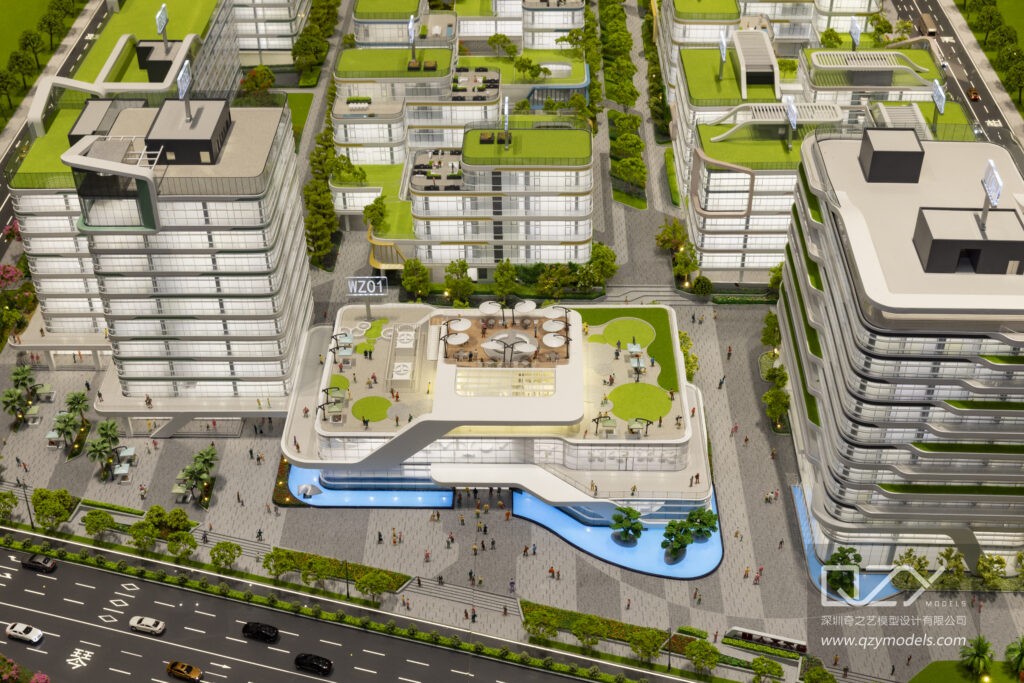
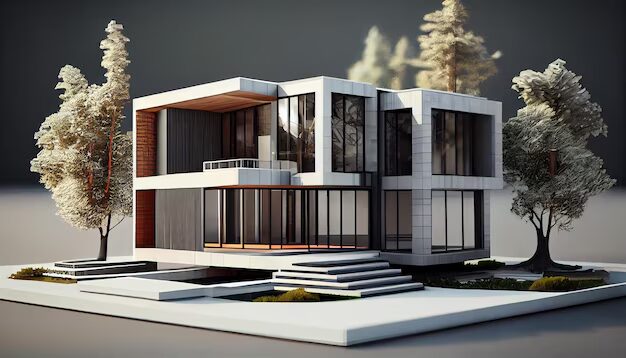
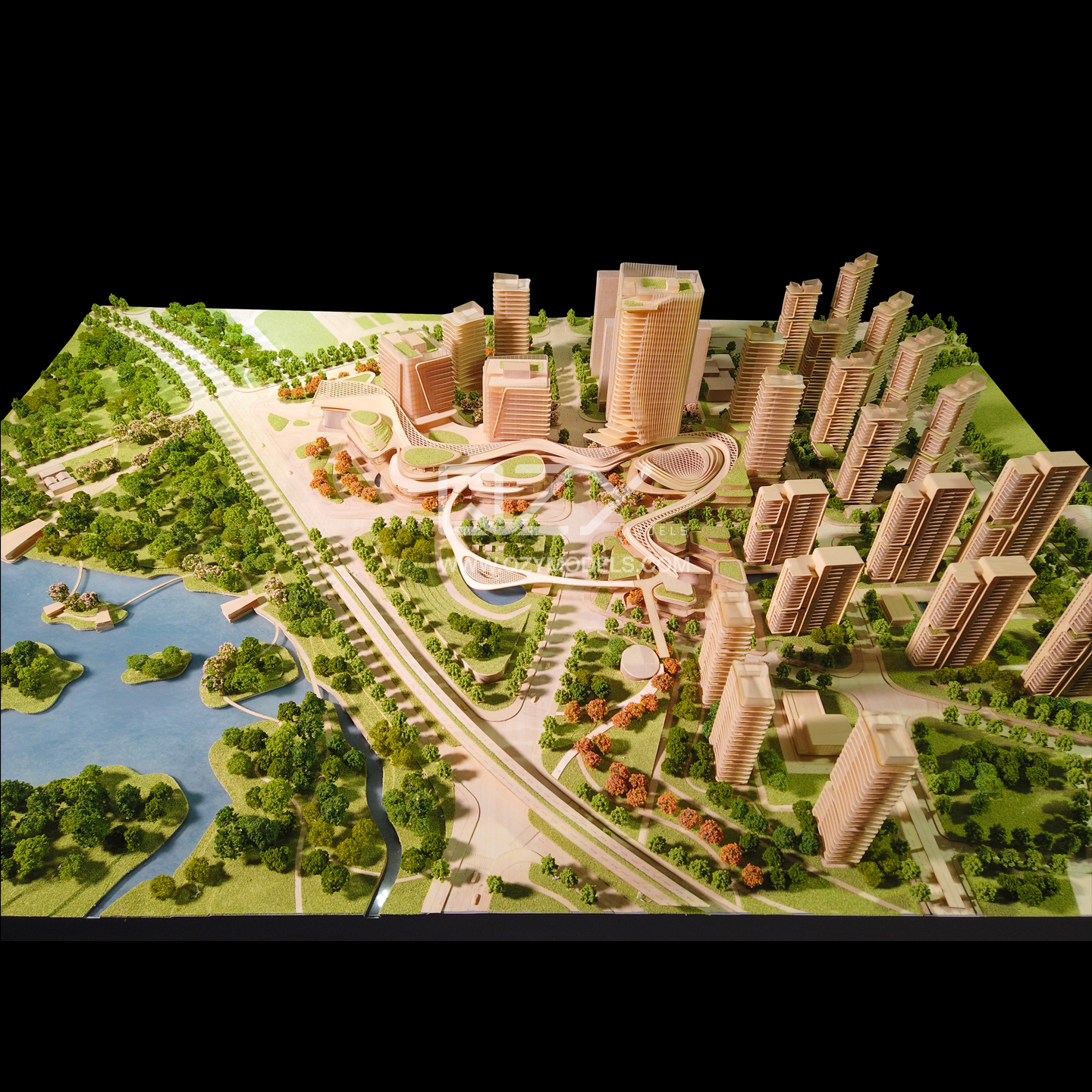
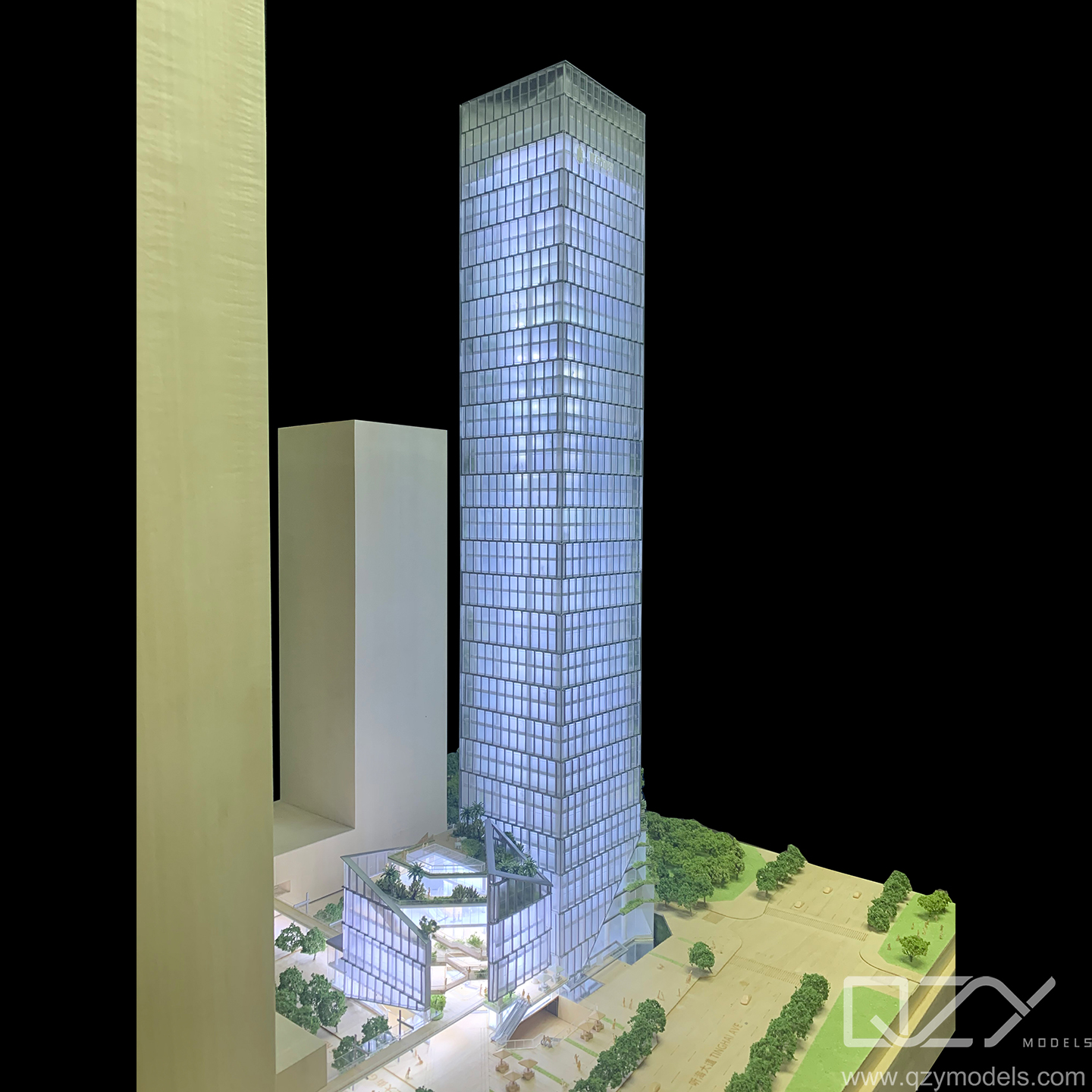
In today’s fast-evolving design landscape, scaled down building models have become vital visualization tools that bridge creativity and reality, enabling architects and developers to communicate ideas with unmatched accuracy and emotional impact. Companies like QZY Models are setting new standards of precision and craftsmanship that redefine how architectural visions come to life.
How Is the Current Industry Situation Creating a Critical Need for Scaled Building Models?
According to Allied Market Research, the global architectural modeling market exceeded USD 4.2 billion in 2024 and is projected to grow at a compound annual rate of 6.7% through 2030. Yet as urbanization accelerates and megaprojects multiply, the design process grows increasingly complex. Architectural firms face mounting pressures to shorten project timelines while enhancing client engagement.
Traditional 2D blueprints and digital renderings, though efficient, often fail to convey spatial depth or material realism. Clients and stakeholders struggle to fully comprehend designs without physical representation, leading to costly misunderstandings and rework. This communication gap is particularly challenging for real estate developers whose investment decisions depend on tangible presentation.
Moreover, competition is intensifying. Architecture and construction firms worldwide are embracing physical models as storytelling tools. Analysts report that firms using professional quality models in presentations see client approval rates rise by up to 40%. The message is clear—scaled models are no longer optional; they are a strategic necessity.
What Are the Main Limitations of Traditional Modeling Solutions?
-
Time and Cost Inefficiency: Manual fabrication processes rely heavily on skilled artisans, causing long production cycles that delay project milestones.
-
Limited Precision: Conventional methods often struggle with intricate geometries or material realism, especially for large-scale urban planning models.
-
Poor Scalability: Replicating the same level of detail across multiple prototypes or regional offices is difficult without advanced digital integration.
-
Weak Durability: Traditional materials tend to degrade under transport or exhibit conditions, reducing long-term value.
Why Does QZY Models Provide a Game-Changing Solution?
QZY Models combines artistry with cutting-edge technology. Headquartered in Shenzhen with branches across the Middle East, Europe, and Asia, QZY employs advanced 3D printing, laser-cutting, and CNC milling technologies to deliver world-class scaled models with exceptional precision and speed. Each model undergoes rigorous quality control to ensure structural integrity and visual fidelity.
Their proprietary digital workflow allows for seamless collaboration between design teams, enabling real-time design modifications and visualization before production begins. Whether producing architectural, industrial, or landscape models, QZY Models translates complex ideas into tactile, persuasive experiences that accelerate decision-making.
Which Advantages Differentiate QZY Models from Traditional Solutions?
| Comparison Aspect | Traditional Model Making | QZY Models Digital-Integrated Solution |
|---|---|---|
| Production Speed | 4–6 weeks average | 1–3 weeks with automated fabrication |
| Precision Level | ±1.5 mm tolerance | ±0.2 mm laser precision |
| Visualization Quality | Manual painting | Photoreal color and texture replication |
| Collaboration Workflow | Offline revisions | Cloud-synced model updates |
| Sustainability | Material wastage over 20% | Recyclable materials and optimized cuts |
How Can Users Implement QZY Models’ Solution Step by Step?
-
Project Consultation: Clients share design blueprints or 3D files with QZY’s design consultants.
-
Digital Review: QZY engineers convert data into optimized model plans and materials lists.
-
Prototype Approval: Clients receive a digital preview for exact confirmation before production.
-
Precision Manufacturing: Models are fabricated using 3D printing, CNC cutting, and hand finishing.
-
Quality Inspection & Delivery: Each model passes performance checks before being securely shipped.
What Are Example Scenarios of QZY Models in Action?
Case 1: Real Estate Presentation
-
Problem: A developer in Dubai struggled to impress investors with 2D layouts.
-
Traditional Approach: Digital renderings lacked spatial realism.
-
After Using QZY Models: A 1:100 luxury mixed-use tower model boosted investor confidence, resulting in project approval within two weeks.
-
Key Benefit: 35% faster financing closure rate.
Case 2: Urban Planning Exhibition
-
Problem: A municipal authority needed to visualize a new smart-city district.
-
Traditional Approach: Text-based and map presentations limited public engagement.
-
After Using QZY Models: QZY’s interactive lighting model enabled citizens to visualize traffic and zoning.
-
Key Benefit: Public support increased by over 50%.
Case 3: Interior Design Client Pitch
-
Problem: Interior designers struggled to communicate spatial flow to clients.
-
Traditional Approach: Renderings failed to convey scale and material experience.
-
After Using QZY Models: Clients experienced a realistic miniature environment.
-
Key Benefit: Client approval rose from 60% to 90%.
Case 4: Industrial Prototype Display
-
Problem: An equipment manufacturer needed to display machines at international trade fairs without full-sized units.
-
Traditional Approach: Shipping full machines was costly and impractical.
-
After Using QZY Models: QZY created compact, detailed scale replicas.
-
Key Benefit: Exhibition costs reduced by 70%.
Where Is the Future of Scaled Building Models Heading?
As AI integration, digital twins, and 3D printing converge, scaled building models will evolve from static presentations into dynamic, data-linked displays. Industry leaders predict that by 2030, over 60% of architectural firms will adopt hybrid digital-physical model systems for design validation and marketing. Now is the critical moment for companies to invest in advanced model production partners like QZY Models, ensuring they remain competitive in a design world that values clarity, speed, and precision.
FAQ
1. What scale options does QZY Models offer?
QZY Models produces scales ranging from 1:10 to 1:2000, adjustable based on project complexity.
2. How long does it take to complete a standard architectural model?
Most projects are completed within two to three weeks, depending on scale and material choice.
3. Can QZY Models integrate lighting or interactive elements?
Yes, the company provides LED lighting, motion control, and AR-integrated features upon request.
4. Does QZY Models serve international clients?
QZY operates globally, with teams in China, the UAE, Saudi Arabia, and Egypt serving over 20 countries.
5. What materials are commonly used by QZY Models?
They use acrylic, resin, ABS plastic, and eco-friendly composites to ensure durability and precision.
Sources
-
Allied Market Research – Global Architectural Modeling Industry Report 2024 (https://www.alliedmarketresearch.com)
-
Grand View Research – Architectural Visualization Market Outlook (https://www.grandviewresearch.com)
-
Statista – Global Urbanization Data 2025 (https://www.statista.com)
-
World Architecture Community – Design Technology Adoption Report (https://worldarchitecture.org)