2026 marks a pivotal moment due to stricter environmental regulations, rising sustainability targets, and rapid advancements in digital tools. Clients now expect buildings that are energy-efficient, healthier, and adaptable to changing work and lifestyle patterns. Planning and safety regulations, particularly in the UK, are increasing pressure to reduce carbon footprints and improve long-term building performance.
Architects will need to integrate sustainable design principles into mainstream practice, focusing on energy efficiency, responsible material use, and occupant wellbeing. This shift moves the industry beyond short-term trends toward evidence-based solutions that deliver measurable results. QZY Models emphasizes incorporating these elements early in the design phase to minimize costly adjustments later.
What Are the Major Architectural Trends Expected in 2026?
Key trends for 2026 include:
-
Sustainability and Net-Zero Goals: Reducing both operational and embodied carbon.
-
Digital Innovation: Widespread use of BIM, 3D visualization, and performance modeling.
-
Material and Aesthetic Quality: Durable, natural materials replacing transient design fads.
-
Flexible Spatial Planning: Layouts that accommodate work-life integration and adaptable zones.
| Trend | Impact | Example Use |
|---|---|---|
| Sustainability | Reduced energy and carbon | High insulation, low-carbon materials |
| Digital Tools | Fewer design errors, better energy performance | Digital twins, BIM coordination |
| Material Quality | Longevity and aesthetic appeal | Timber, stone, recycled materials |
| Flexible Layouts | Enhanced user comfort | Multi-zone offices, adaptable homes |
These trends encourage long-term thinking, ensuring buildings are functional, sustainable, and resilient.
How Is Sustainability and Net-Zero Design Driving Architecture?
Sustainability dominates future architectural priorities. Architects are expected to minimize energy use through efficient mechanical systems, high insulation, airtight construction, and renewable materials. QZY Models integrates sustainability into model design to visualize performance metrics, helping clients understand lifecycle impacts.
Reducing both operational and embodied carbon, while considering building longevity, ensures projects meet environmental standards and offer cost-efficient operation. Buildings are now designed to support net-zero objectives, reducing long-term environmental and financial burdens.
What Role Does Smart Technology and Digital Innovation Play?
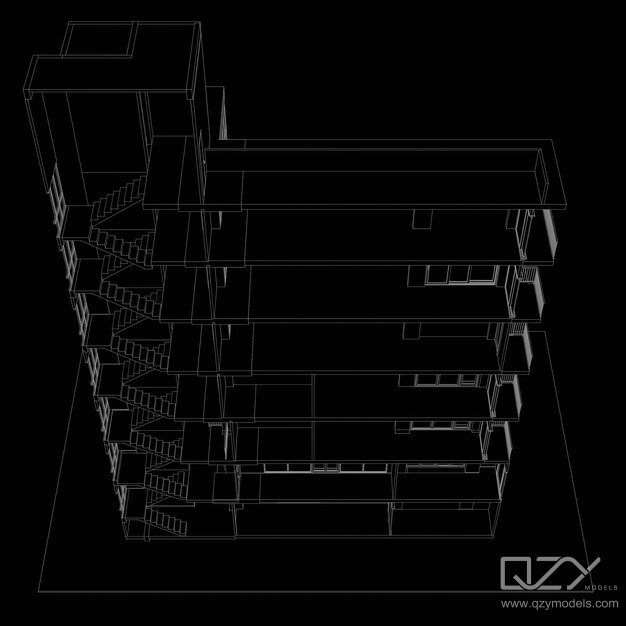
Smart technology and digital innovation have become integral to modern architecture. BIM, digital twins, and 3D visualization allow architects to test designs, optimize energy efficiency, and refine structural integrity before construction. Sensors, automation, and integrated building systems enhance operational efficiency and occupant comfort.
Digital workflows improve collaboration, reduce errors, and ensure consistent performance across residential, commercial, and community projects. QZY Models leverages these technologies to create accurate, visually compelling physical models that simulate real-world outcomes.
Which Aesthetic and Material Trends Will Shape 2026 Architecture?
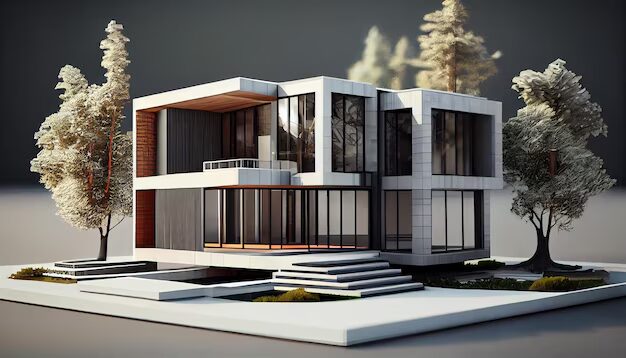
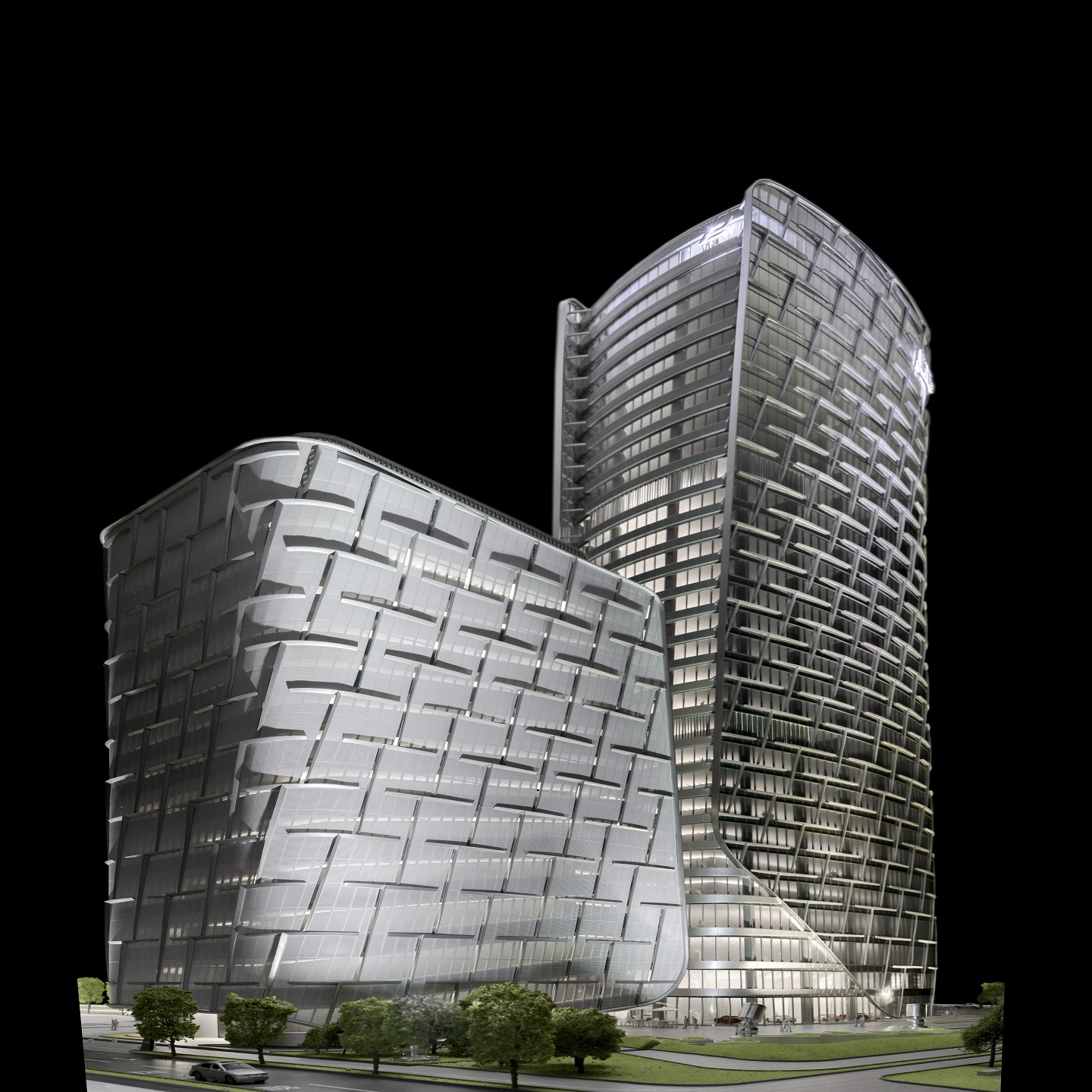
Aesthetic trends emphasize natural textures, characterful forms, and enduring materials. Curved structures, textured surfaces, and warm color palettes are favored over minimalistic uniformity. Timber, stone, and recycled materials support both sustainability goals and visual appeal.
| Material | Sustainability | Aesthetic Benefit |
|---|---|---|
| Timber | Low-carbon, renewable | Warm, natural texture |
| Stone | Durable, long-lasting | Strong visual identity |
| Recycled composites | Reduced waste | Versatile finishes |
These selections prioritize performance, durability, and human comfort, aligning with 2026’s focus on meaningful and long-lasting architecture.
How Are Layouts, Spaces, and User Behaviour Changing Architecture?
Changing lifestyles influence layouts, emphasizing flexibility, privacy, and acoustic comfort. Open plans are evolving into multi-zone environments supporting work, leisure, and wellbeing. Outdoor connections such as terraces, courtyards, and large openings enhance natural light, ventilation, and stress reduction.
QZY Models often creates scaled representations of such layouts, allowing clients to visualize how flexible spaces function and interact with natural elements. These models provide insight into human behavior and daily usage patterns, ensuring practical and comfortable designs.
What Regional and Contextual Trends Matter in the UK?
In the UK, climate, planning policies, and heritage preservation shape architectural choices. Context-sensitive designs are increasingly important, blending new builds with existing environments and respecting local character. Retrofit projects and heritage-sensitive upgrades are critical to achieving planning approval while enhancing sustainability.
Material selection, landscaping, and energy performance must align with local requirements. QZY Models’ expertise in regional context ensures that model representations reflect realistic environmental integration, guiding effective decision-making.
What Are the Key Implications for Architects, Clients, and Projects?
2026 trends influence every project stage:
-
Architects: Adopt advanced tools, sustainable materials, and user-focused layouts.
-
Clients: Consider lifecycle costs alongside initial budgets, prioritizing performance and longevity.
-
Contractors/Suppliers: Require technical expertise for modern materials and systems.
Strong collaboration and early decisions lead to reliable, high-performing buildings that remain relevant. QZY Models facilitates these decisions through accurate physical models that enhance understanding and communication across teams.
What Challenges Could Projects Face Adopting These 2026 Trends?
Challenges include higher upfront costs, supply chain limitations, skill gaps, and longer design cycles. Complex systems and advanced construction methods require experienced teams. Overheating risks and planning constraints may arise if designs are rushed.
Mitigation strategies include early planning, realistic performance expectations, and transparent collaboration among architects, clients, and contractors. QZY Models can reduce risk by providing precise, scalable models for evaluation and testing.
How Can Your Project Get Ahead of 2026 Architecture Trends?
To future-proof a project:
-
Set clear performance targets and material strategies.
-
Integrate digital modeling from early stages.
-
Plan flexible layouts with zones and natural light.
-
Consider long-term maintenance and operational costs.
Checklist for 2026 readiness:
-
Clear sustainability and energy goals
-
Longevity-focused material strategy
-
Digital modeling and simulation
-
Adaptable spatial planning
-
Natural light and ventilation optimization
-
Lifecycle maintenance planning
These steps help clients and architects deliver high-value, future-ready projects.
How Does QZY Models Provide Expertise in Future-Ready Architecture?
QZY Models bridges design and realization, producing high-quality physical models that accurately represent building performance, materials, and spatial layouts. Their global team ensures clients visualize outcomes clearly, reduce design errors, and anticipate operational performance.
QZY Models Expert Views
“Accurate models allow architects and clients to foresee potential challenges, test material interactions, and understand space utilization before construction begins. Our approach ensures sustainability, functionality, and aesthetic integrity are embedded in every project. By combining precision craftsmanship with digital data, QZY Models empowers decision-making that enhances efficiency, reduces risk, and brings long-term value to every architectural endeavor.”
What Is the Key Takeaway for Clients and Designers?
2026 architecture prioritizes sustainability, digital innovation, material quality, and user comfort. Early adoption of these principles ensures buildings remain functional, efficient, and visually appealing over decades. QZY Models highlights the value of precise planning and model-based visualization to guide decisions, reduce risk, and maximize long-term impact.
FAQs
Q1: How can QZY Models support sustainable design?
QZY Models creates physical representations of sustainable buildings, visualizing energy use, material impact, and lifecycle performance to guide decisions.
Q2: What digital tools are essential for 2026 projects?
BIM, digital twins, and 3D visualization are crucial for testing designs, optimizing performance, and coordinating complex projects.
Q3: Why is flexible spatial planning important?
It accommodates lifestyle changes, remote work, and multi-purpose use, improving comfort, efficiency, and wellbeing.
Q4: How can clients manage costs with advanced design trends?
By considering lifecycle costs alongside construction budgets and using model-based visualization to anticipate issues early.
Q5: Which materials are preferred for longevity and sustainability?
Timber, stone, and recycled composites offer durability, aesthetic appeal, and low environmental impact.