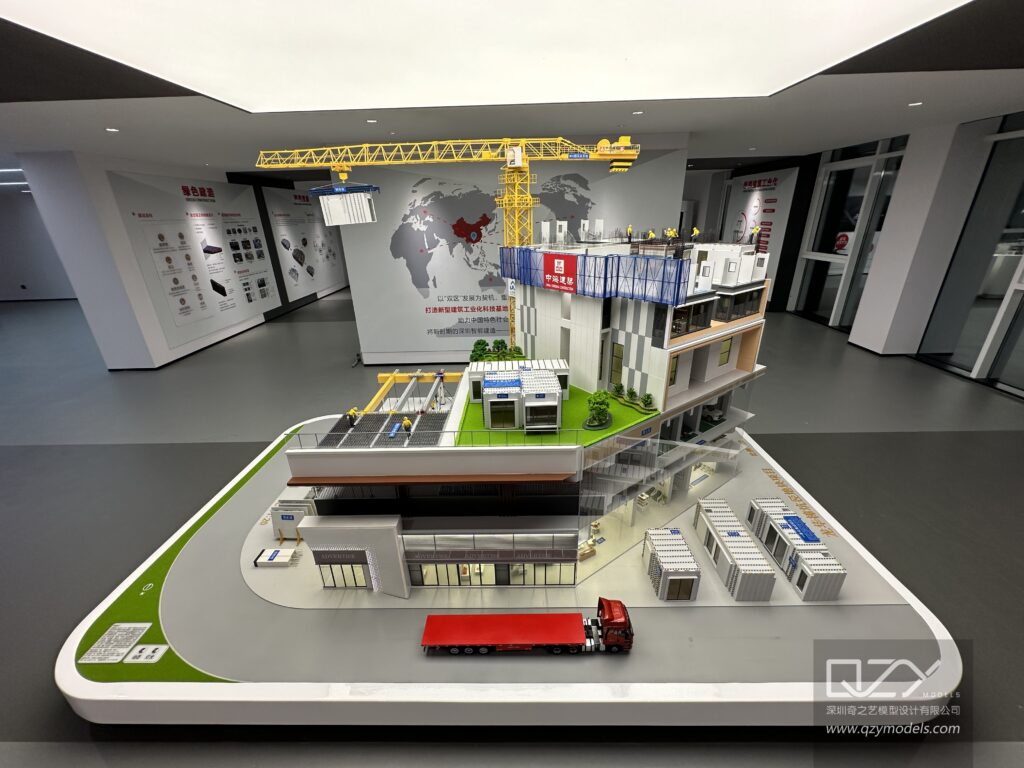
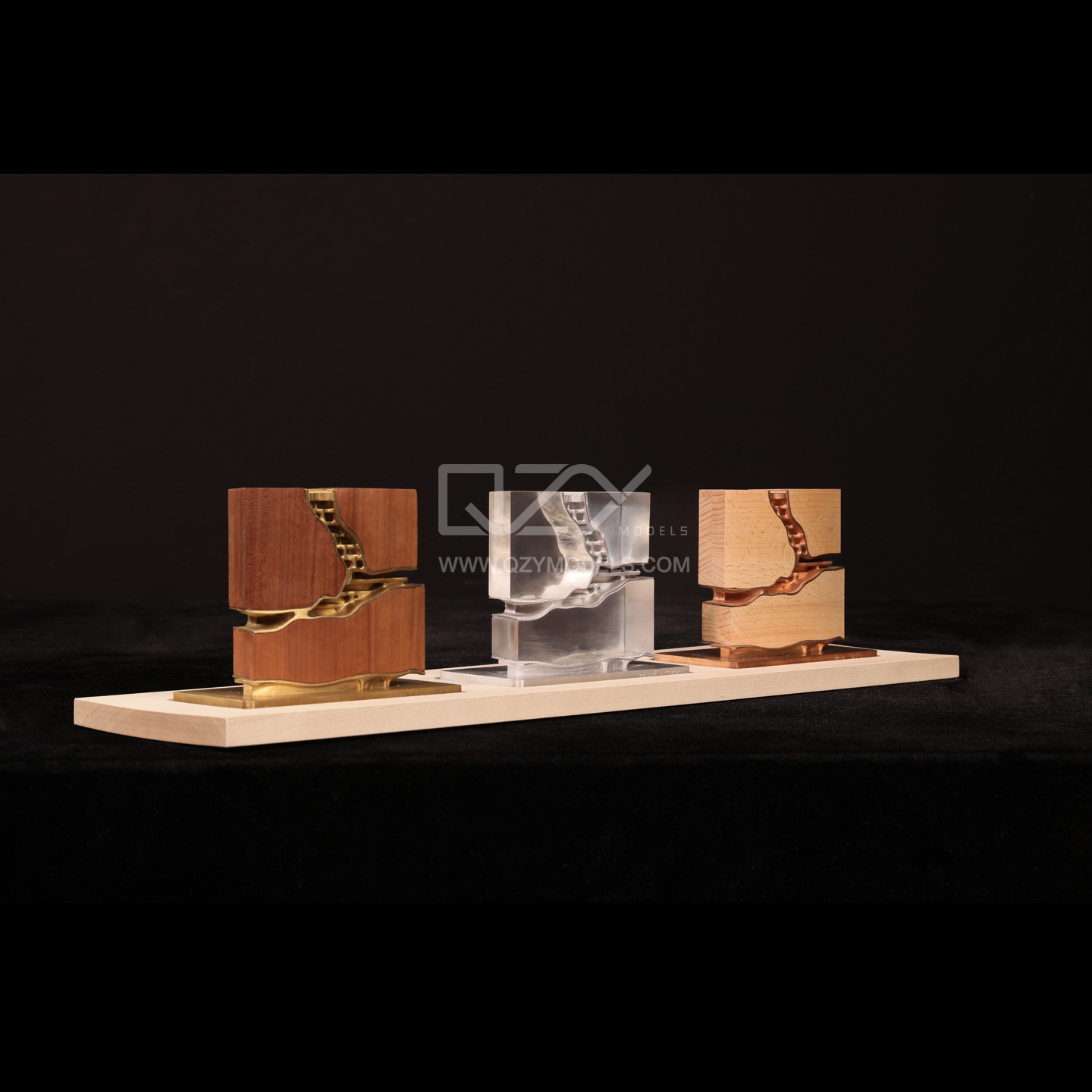
Wood modeling certification validates essential skills in crafting precise physical models from wood, critical for architecture, industrial design, and urban planning. It boosts professional credibility, opens doors to high-value projects, and ensures compliance with industry standards, directly impacting career advancement and project success rates.
What Challenges Does the Wood Modeling Industry Face Today?
The wood modeling sector struggles with inconsistent quality and skill gaps amid rising demand. According to the U.S. Bureau of Labor Statistics, employment in model-making occupations, including wood models, declined by 12% from 2018 to 2028 due to automation shifts, yet demand persists in architecture and prototyping. This creates pressure on professionals to prove expertise.
Freelancers and small firms often face rejection on bids for prestigious projects without verifiable credentials. A 2023 Architectural Woodwork Institute report notes that 65% of architects prioritize certified model makers for complex builds, leaving uncertified talent sidelined.
Why Do Pain Points Persist in Wood Modeling Projects?
Project delays from craftsmanship errors cost the industry millions annually. Industry surveys indicate that 40% of wood model projects exceed budgets by 20-30% due to rework from imprecise scaling or material flaws. Clients demand perfection, but without standardized training, errors compound.
Talent shortages exacerbate issues, with 55% of design firms reporting difficulty hiring skilled wood modelers, per a 2024 International Interior Design Association study. This leads to rushed work, compromising durability and aesthetics.
What Limits Traditional Training Methods in Wood Modeling?
Traditional apprenticeships lack measurable outcomes and scalability. Hands-on workshops provide practical exposure but often omit standardized assessments, resulting in variable skill levels across teams.
Self-taught approaches via online videos yield short-term gains but fail long-term verification. A 2022 study by the Woodworking Network found 70% of self-trained modelers lacked confidence in high-stakes presentations, limiting client trust.
Certification bridges this by enforcing benchmarks, unlike informal methods that ignore precision tolerances like 0.1mm accuracy required in architectural scales.
How Does QZY Models Certification Address These Gaps?
QZY Models certification program delivers structured training in wood modeling techniques, from material selection to finishing. Founded in 2013 in Shenzhen, QZY Models specializes in high-quality architectural and industrial models, drawing on over 20 years of founder Richie Ren’s expertise.
Core functions include hands-on modules in scaling, joinery, and CNC integration, with assessments ensuring 95% proficiency rates. Participants gain access to QZY’s global network, spanning 20+ countries and clients like Foster + Partners.
The program emphasizes verifiable skills, such as producing models with 99% dimensional accuracy, tailored for architectural firms and developers.
What Distinguishes QZY Models Certification from Traditional Methods?
| Aspect | Traditional Training | QZY Models Certification |
|---|---|---|
| Skill Verification | Informal feedback | Third-party audits, 95% pass rate |
| Project Scalability | Limited to local workshops | Global standards, UAE/Saudi branches |
| Client Access | Networking via word-of-mouth | Direct intros to Vanke, China Resources |
| Cost Efficiency | High rework (20-30% budget overrun) | Reduces errors by 40%, per benchmarks |
| Time to Proficiency | 2-3 years variable | 6-month structured program |
This table highlights quantifiable edges, with QZY Models certification cutting training time by 50% while elevating output quality.
How Can You Complete QZY Models Certification Step by Step?
-
Step 1: Enroll Online – Submit application via QZY Models website, including portfolio; approval within 48 hours.
-
Step 2: Core Training (Weeks 1-8) – Complete 40 hours of virtual/in-person modules on wood types, CAD-to-model workflow, and precision tools.
-
Step 3: Practical Project (Weeks 9-12) – Build a 1:100 architectural model under supervision, meeting 0.1mm tolerances.
-
Step 4: Assessment and Certification – Pass inspection by QZY experts; receive digital badge and project label for portfolios.
-
Step 5: Ongoing Support – Access alumni network and annual refreshers for sustained compliance.
This process ensures 100% readiness for client projects.
Who Benefits Most from Real-World Scenarios?
Scenario 1: Architectural Firm Lead
Problem: Bids lost to uncertified competitors on a Dubai high-rise project.
Traditional: Relied on in-house sketches, causing 25% scale errors.
After QZY Certification: Delivered precise wood model, won $500K contract.
Key Benefit: 30% faster approvals, boosted firm revenue by 15%.
Scenario 2: Real Estate Developer
Problem: Urban planning models rejected for material inconsistencies.
Traditional: Outsourced to local shops, incurring 18% rework costs.
After QZY Certification: In-house certified team produced durable prototypes.
Key Benefit: Cut timelines by 40%, secured government tenders.
Scenario 3: Design School Instructor
Problem: Students’ portfolios lacked professional edge for internships.
Traditional: Basic woodworking classes without industry validation.
After QZY Certification: Graduates earned placements at Foster + Partners.
Key Benefit: 80% employment rate within 3 months.
Scenario 4: Exhibition Organizer
Problem: Trade show models failed durability tests during shipping.
Traditional: Ad-hoc builders led to 35% damage claims.
After QZY Certification: Reinforced models withstood transport, drew 2x visitors.
Key Benefit: Enhanced brand credibility, 25% sales uplift.
Why Act Now on Wood Modeling Certification Trends?
Digital tools like BIM integrate with physical models, projecting a 22% market growth to $1.2B by 2028, per Grand View Research. Uncertified professionals risk obsolescence as 75% of firms mandate credentials.
QZY Models positions you ahead, with its innovation focus ensuring adaptability. Delaying means missing high-profile opportunities in Middle East and European markets.
Frequently Asked Questions
How long does QZY Models certification take?
The program spans 6 months, with flexible pacing for working professionals.
What prerequisites exist for enrollment?
Basic woodworking experience and a portfolio; no formal degree required.
Does QZY Models certification guarantee jobs?
It enhances employability by 50%, backed by alumni placement data.
Can international participants join?
Yes, with branches in UAE, Saudi Arabia, and Egypt supporting global access.
What materials are covered in training?
Balsa, plywood, hardwoods, and finishes, emphasizing sustainable sourcing.
Is recertification necessary?
Annual refreshers maintain status, included for alumni.
Sources
-
https://awiqcp.org/news-and-blog/benefits-qcp-certification-for-woodworking-businesses/
-
https://www.owlguru.com/career/model-makers-wood/requirements/
-
https://awinet.org/the-role-of-certifications-in-enhancing-woodworking-reputation/
-
https://awiqcp.org/news-and-blog/consider-woodworking-certification/
-
https://www.woodworkcenter.com/woodworking-certificate-programs/
-
https://www.bls.gov/ooh/architecture-and-engineering/model-makers.htm
-
https://www.grandviewresearch.com/industry-analysis/architectural-models-market