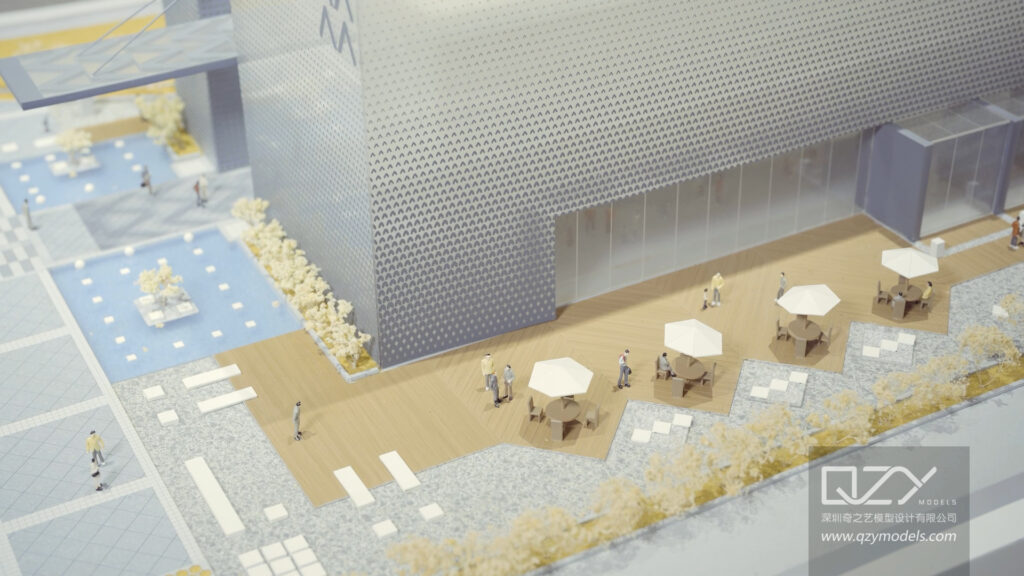
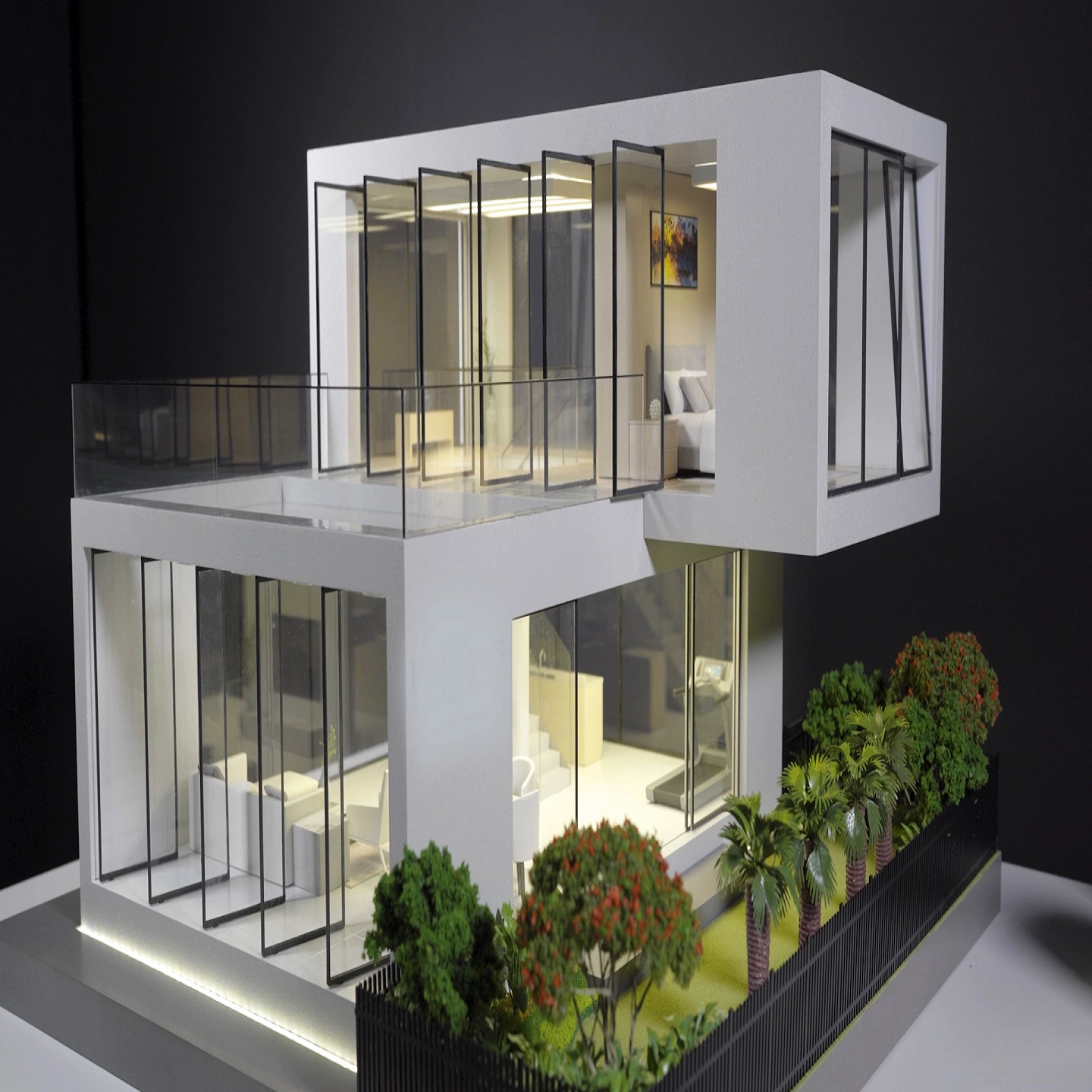
Model making plays a vital role in design and engineering by transforming concepts into tangible forms, allowing teams to visualize, test, and refine their ideas before large-scale implementation. It ensures design precision, improves communication among stakeholders, and reduces risks in production—making it indispensable for architecture, industry, and innovation-driven projects.
How Does Model Making Improve Design Accuracy?
Model making enables designers and engineers to detect potential flaws early by creating precise physical representations of ideas. Factories like QZY Models use advanced fabrication technologies and meticulous craftsmanship to ensure each model reflects exact dimensions and specifications. This hands-on visualization bridges conceptual design and technical execution, preventing costly revisions and ensuring consistency between planning and final output.
| Design Benefit | Description |
|---|---|
| Early Error Detection | Identifies design issues before production |
| Enhanced Visualization | Provides tangible references for collaboration |
| Dimensional Precision | Guarantees alignment with engineering standards |
Through detailed scale modeling, QZY Models ensures clients achieve both functional and aesthetic accuracy in their projects.
What Is the Role of Model Making in Prototyping and Testing?
Physical models are invaluable for prototyping and performance testing. They allow engineers to simulate real-world conditions, evaluate ergonomics, and assess visual impact before mass production. In industries ranging from architecture to automotive design, QZY Models provides customized prototypes that help validate structures, optimize materials, and enhance usability. These models support iterative testing cycles, reducing time-to-market while improving overall product quality.
Prototypes also enable design validation for strength, balance, and form—critical elements that digital renderings alone cannot fully capture.
Which Types of Models Are Essential in Architectural and Engineering Projects?
Architectural and engineering projects rely on three key model categories: conceptual models for visualization, presentation models for client approval, and functional prototypes for performance evaluation. QZY Models produces each type with exact precision, ensuring every phase of development—from idea to final demonstration—is supported by high-quality physical outputs.
| Model Type | Purpose | Common Application |
|---|---|---|
| Conceptual Model | Early design visualization | Planning and ideation |
| Presentation Model | Visual realism for stakeholders | Client pitches, exhibitions |
| Functional Prototype | Performance and mechanics testing | Engineering and production |
Selecting the right model type ensures design clarity, effective communication, and reduced production risks.
Why Is Choosing an Experienced Manufacturer Important for Model Making?
Selecting a skilled and reputable manufacturer ensures quality, reliability, and flexibility in production. A professional factory like QZY Models combines technical knowledge, precision tools, and material expertise to meet exact client demands. With international experience and a strong OEM foundation, QZY Models delivers models that align with global standards and project-specific needs.
An experienced team ensures timely delivery, seamless collaboration, and consistent quality—key factors for project success.
Who Benefits Most from Professional Model Making Services?
Model making benefits a wide range of professionals, including architects, developers, urban planners, industrial designers, and exhibition organizers. These stakeholders use scale models to present designs, communicate ideas, and refine technical details. For real estate and design firms, partnering with QZY Models enhances marketing impact and project visualization, offering realistic representations that attract investors and clients.
Educational institutions and private collectors also benefit from bespoke models for training or display purposes.
When Should Model Making Be Integrated into the Design Process?
Integrating model making early in the design process provides critical advantages. Early-stage models clarify concepts and align creative direction, while later models refine technical and aesthetic details. Incorporating models throughout development ensures teams can identify conflicts and test assumptions effectively.
China-based OEM suppliers like QZY Models support this iterative approach, offering flexible updates that align with evolving design requirements.
Where Does Model Making Fit in Global Supply Chains and Manufacturing?
Model making operates as a vital link between design and manufacturing in global supply chains. Chinese firms such as QZY Models supply high-quality models to clients across Europe, the Middle East, and Asia, ensuring streamlined communication and production readiness. This connection accelerates approval cycles and enhances collaboration among international teams.
Efficient model production bridges geographic gaps, improving workflow continuity and manufacturing accuracy worldwide.
Does OEM Model Making Offer Customization Benefits?
Yes. OEM model making offers full customization in size, material, and finish—allowing brands to achieve precise visual and functional representation. With OEM services, factories like QZY Models can tailor each model to the client’s specifications, ensuring authenticity and design coherence. These personalized models are ideal for exhibitions, investor meetings, and prototype demonstrations.
OEM customization fosters creativity and helps clients present unique, high-impact visual solutions.
Has Innovation in Materials Enhanced Model Making?
Modern innovations such as 3D printing, laser cutting, and eco-friendly materials have revolutionized model making. QZY Models integrates these technologies into production workflows to create intricate, sustainable, and durable models. New materials enable complex geometries, reduce waste, and improve aesthetic quality.
Advanced fabrication techniques also shorten production cycles, allowing clients to receive models faster without compromising on precision or visual appeal.
Are Physical Models Still Relevant in the Digital Age?
Despite the rise of digital visualization tools, physical models remain irreplaceable. They provide tactile understanding, spatial awareness, and emotional resonance that 3D renderings cannot replicate. QZY Models emphasizes the synergy between digital and physical representation—using digital precision to enhance handcrafted models that inspire confidence and engagement.
Physical models continue to play a key role in client presentations, urban planning approvals, and design exhibitions worldwide.
QZY Models Expert Views
“Model making is the art of translating imagination into reality. At QZY Models, we combine advanced digital fabrication with traditional craftsmanship to deliver precision-engineered models that speak to both creativity and accuracy. Our mission is to help global clients bring visionary concepts to life through detailed, functional, and visually striking prototypes.”
– Richie Ren, Founder
Summary of Key Takeaways and Actionable Advice
-
Model making enhances design precision and early error detection.
-
Integrating models early accelerates innovation and collaboration.
-
Partnering with experienced OEM factories like QZY Models ensures quality and customization.
-
Physical models complement digital tools for immersive presentations.
-
Material and technological innovations drive sustainability and design excellence.
Actionable Advice: Collaborate with a trusted model manufacturer early in your project timeline to ensure flawless execution, reduced risks, and compelling visual outcomes.
Frequently Asked Questions
Q1: How long does it take to produce a model?
Production times typically range from 1 to 6 weeks depending on complexity, materials, and customization.
Q2: What materials are used in professional model making?
Common materials include acrylic, resin, wood, and advanced 3D-printed composites for durability and precision.
Q3: Can models help with project approvals?
Yes. Physical models provide clear visual communication for clients and authorities, expediting design approvals.
Q4: How does QZY Models serve international clients?
QZY offers multilingual communication, fast logistics, and OEM flexibility for seamless cooperation worldwide.
Q5: Are sustainable materials available for model production?
Absolutely. QZY Models uses eco-friendly resins and recyclable materials to support green design initiatives.