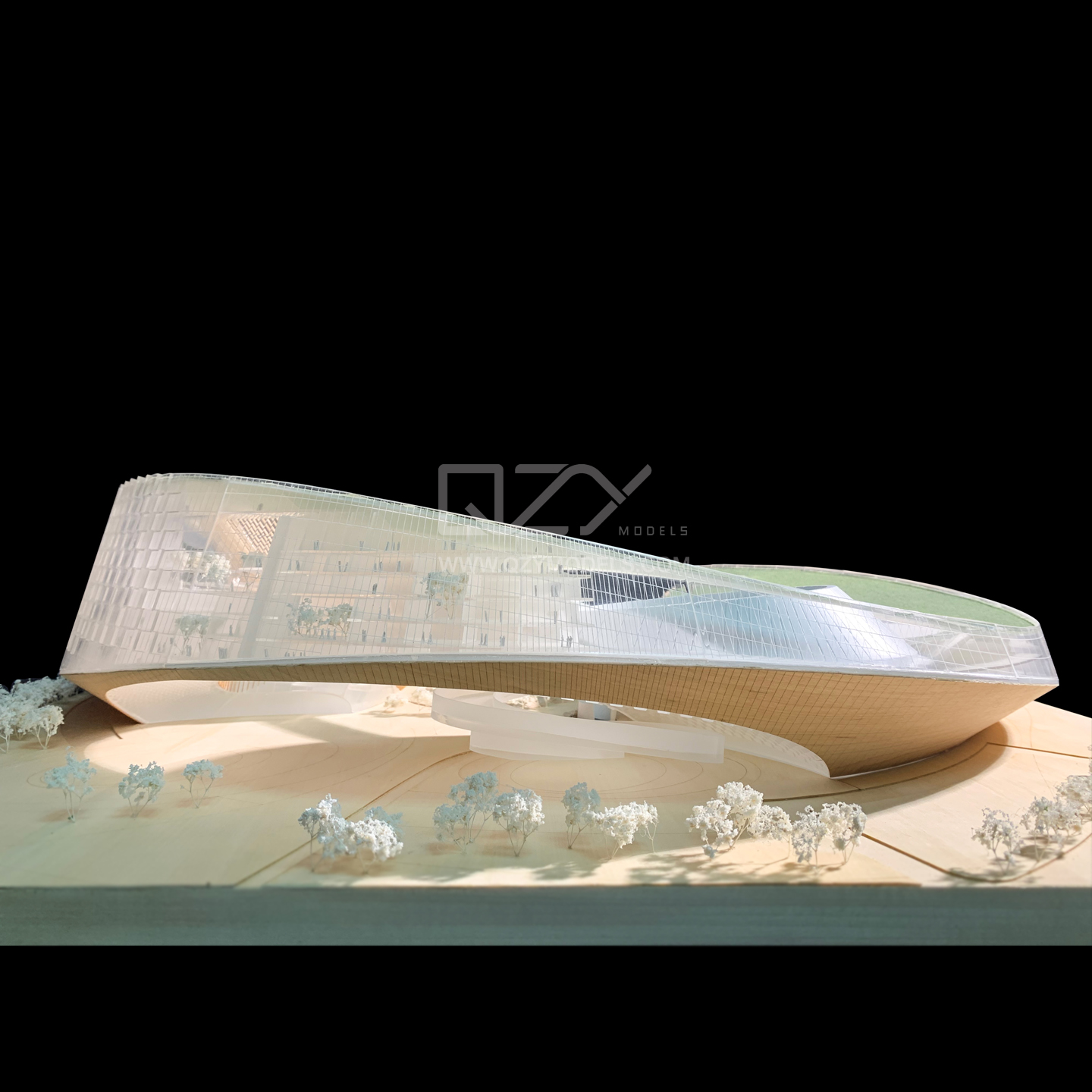
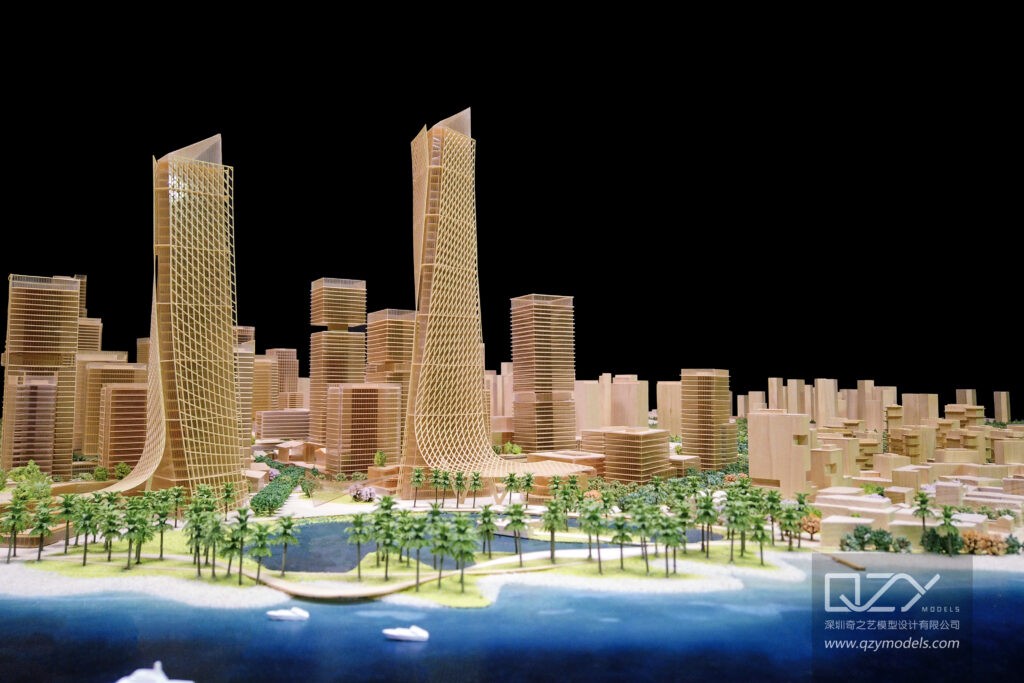
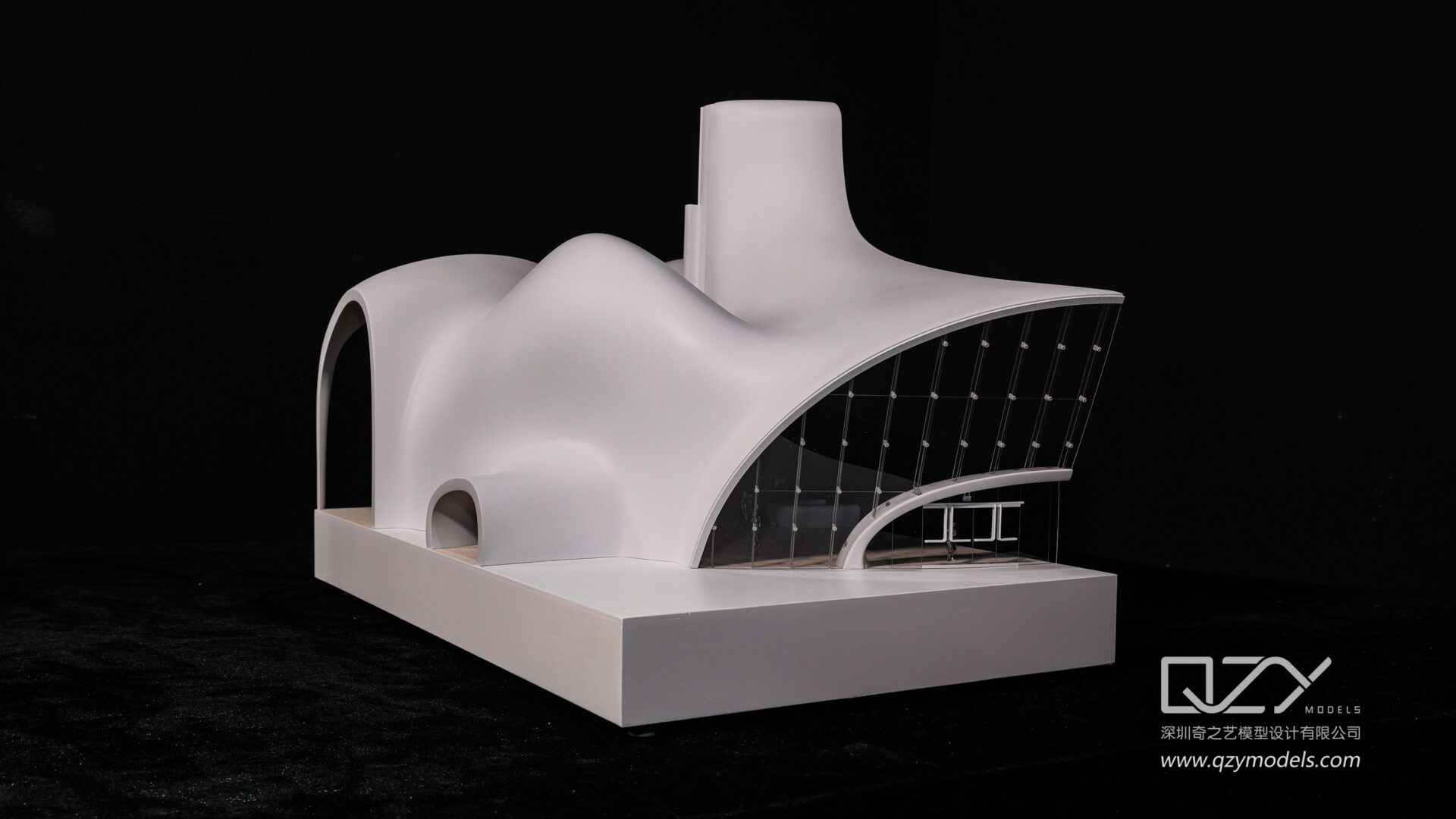
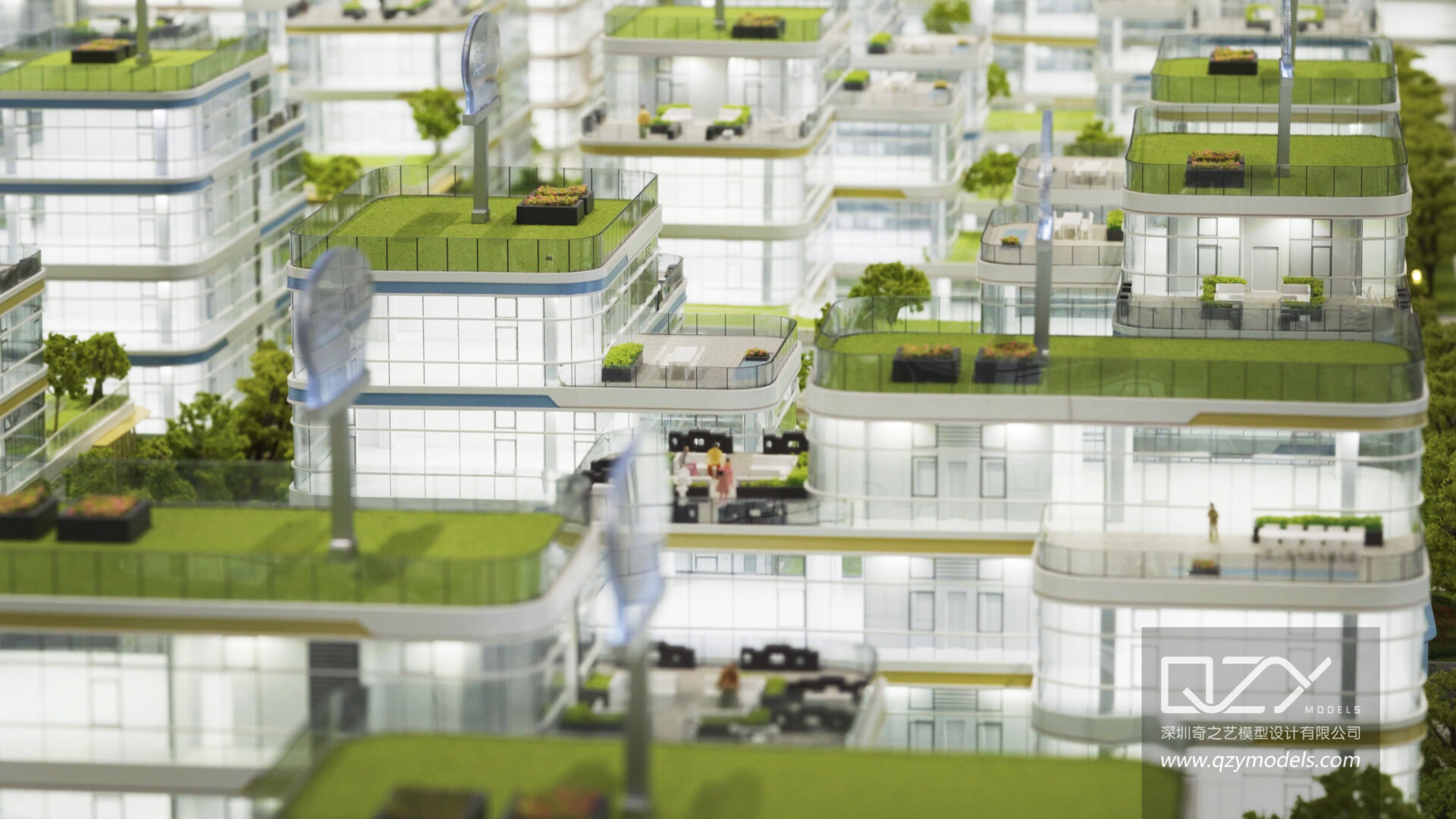
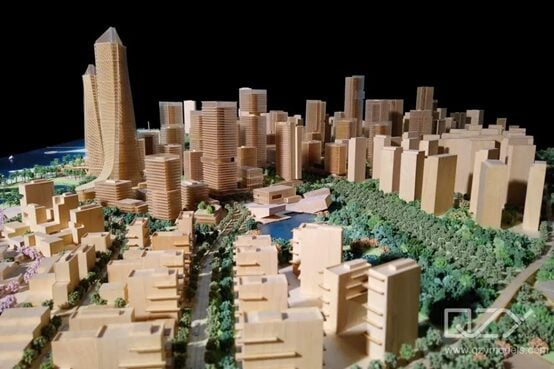
An architectural section model is a physical or digital cut through a building that exposes its internal structure, spaces, and connections. It helps architects, developers, and clients understand how floors, walls, stairs, and systems work together in three dimensions, making complex designs easier to explain, refine, and approve across every stage of a project.
What Is an architectural section model and why is it essential for modern design?
An architectural section model is created by slicing vertically through a building to show its interior anatomy. Unlike plans that only show room layout or elevations that display facades, a section model reveals height, spatial flow, structure, and functional relationships in one view.
For global studios such as QZY Models, this format is a core communication tool for architectural firms, real estate developers, government institutions, and design schools. It transforms abstract drawings into an intuitive object that explains how a building really works.
How does a section model differ from plans and elevations in daily practice?
Plans, elevations, and sections are all scale drawings, but they serve very different purposes. A section model is the only method that shows interior volumes and vertical relationships in a single glance.
| Drawing Type | Viewpoint | What It Shows | Main Use |
|---|---|---|---|
| Plan | Horizontal cut | Room layout, wall thickness, door positions | Understand circulation on one level |
| Elevation | Exterior view | Facade materials, windows, proportions | Show building appearance |
| Section | Vertical cut | Floor heights, staircases, structure, spatial depth | Explain how the building functions inside |
This is why QZY Models often recommends section models for client presentations when projects involve atriums, underground spaces, or layered public areas.
Which types of section models are most commonly used today?
Different projects require different section strategies.
Full sections cut through the entire building to show its complete internal system. Partial sections focus on one feature such as a lobby, staircase, or façade junction. Sectional elevations combine a section in the foreground with visible interior walls beyond the cut. Sectional perspectives use 3D depth to express atmosphere. Axonometric sections tilt the model to reveal complex relationships. Detailed sections zoom into construction joints and material transitions for engineering review.
How are physical architectural section models created from concept to final display?
Physical section models blend craftsmanship with digital precision. The process usually starts with 3D design data, then moves to fabrication.
| Material | Typical Use | Key Advantage |
|---|---|---|
| Basswood or balsa | Floors, beams, finishes | Natural texture and easy shaping |
| Acrylic or styrene | Glass walls, skylights | Transparent and modern look |
| Foam board | Massing and terrain | Lightweight and fast shaping |
| Metal sheets | Railings and mullions | Strong and highly realistic |
Laser cutting, CNC milling, and 3D printing are widely used by QZY Models to achieve millimeter-level accuracy while keeping production time under control.
What role do digital section models play in architectural workflows?
Digital section models are produced with BIM and 3D software to generate instant vertical cuts. They allow quick design changes, realistic rendering, and immersive walkthroughs. These models are ideal for coordination among architects, engineers, and developers across international teams, especially for projects in the Middle East, Europe, and Southeast Asia.
Who typically commissions architectural section models for professional projects?
Architectural design firms, real estate developers, urban planning departments, exhibition organizers, and educational institutions are the main clients. High-end collectors and global investors also rely on section models to fully understand project value before construction.
Why do section models dramatically improve communication with clients?
Clients often struggle to interpret technical drawings. A section model removes confusion by visually showing how rooms connect vertically, where light enters, and how people move inside. This clarity reduces revision cycles and speeds up approvals, which is why QZY Models integrates section modeling into many flagship developments worldwide.
When should an architect introduce a section model into a project?
The best moment is after concept design but before final construction documents. At this stage, spatial logic is defined but still flexible. Introducing a section model early prevents costly redesigns and aligns all stakeholders around one shared vision.
Where are architectural section models most impactful in presentations?
They are especially effective in sales galleries, design competitions, government reviews, and architecture exhibitions. Positioned at eye level with internal lighting, a section model becomes the centerpiece of the presentation, instantly attracting attention and trust.
Does building a section model significantly increase project cost?
Costs vary widely depending on scale, detail, and material choice. A simple residential section model may start at several hundred dollars, while large commercial displays can reach several thousand. However, the value gained in communication efficiency and reduced misunderstandings often outweighs the initial investment.
QZY Models Expert Views
“A section model is not just a display piece; it is a strategic design instrument. At QZY Models, we see it as the bridge between imagination and reality. By revealing structure, circulation, and spatial hierarchy in one clear cut, our models help architects and developers gain confidence in their decisions. Whether for a high-rise in Dubai or a civic complex in China, a well-crafted section model becomes the most honest explanation of a building’s intent.”
Conclusion
Architectural section models uncover the true logic of a building. They reveal how floors align, how spaces breathe, and how structure supports life inside. From early concept to final approval, they save time, reduce risk, and elevate presentation quality. For any serious architectural project, investing in a professional section model is a practical decision that leads to better design outcomes.
FAQs
Is a section model only useful for large commercial projects?
No. Residential houses, schools, and cultural buildings all benefit from clear vertical visualization.
Can a digital section replace a physical model?
Digital models are powerful, but physical section models offer unmatched tactile understanding in meetings.
How long does it take to build a professional section model?
Depending on complexity, it can range from several days to a few weeks.
What scale works best for section models?
Common scales include 1:50 and 1:100, balancing detail and overall clarity.
Why do international clients choose QZY Models?
They value its global experience, precision craftsmanship, and deep understanding of architectural storytelling.