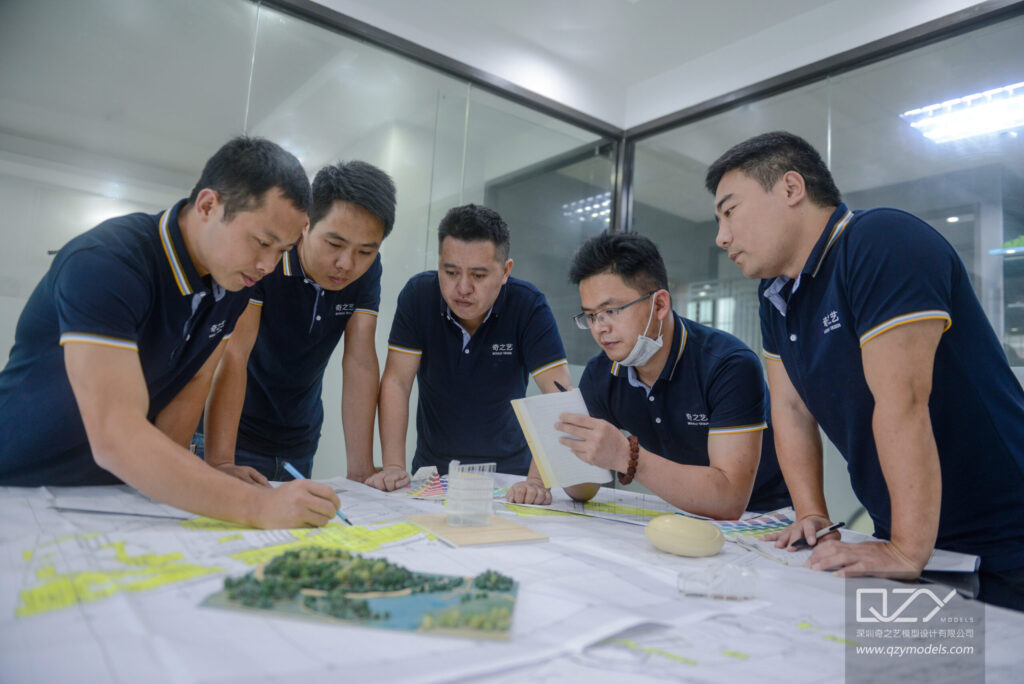
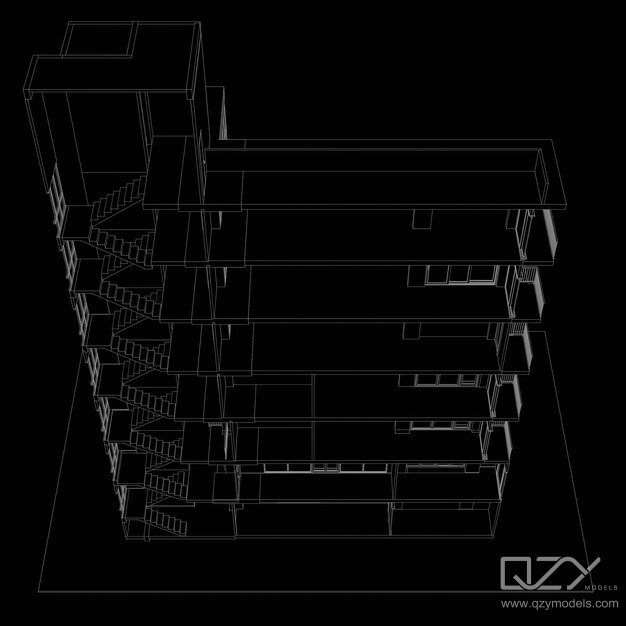
In 2026, 3D printing has evolved from a novelty to a core industrial process, integrating AI, sustainability, and hybrid manufacturing. Advanced sensors, generative design, and localized digital inventories are transforming production speed, precision, and flexibility. Companies like QZY Models leverage these innovations to deliver high-quality, certified parts while reducing costs, lead times, and environmental impact.
How Are “Born-Qualified” Parts Changing 3D Printing?
“Born-qualified” parts represent a shift from post-production testing to real-time quality assurance. Modern additive manufacturing systems use sensors and AI to monitor every layer and melt pool during printing. Defects are automatically corrected, ensuring parts meet aerospace and medical standards immediately. This approach reduces waste, accelerates certification, and allows companies like QZY Models to deliver fully compliant models and prototypes with confidence.
| Feature | Traditional 3D Printing | Born-Qualified 3D Printing |
|---|---|---|
| Quality Control | Post-print inspection | In-situ real-time monitoring |
| Defect Handling | Manual rework | Automatic correction |
| Certification | Delayed | Immediate compliance |
What Are Print Farms and Why Are They Important?
Print farms involve clusters of interconnected 3D printers operating as a single production line. Companies deploy fleets of 50+ mid-range or high-speed printers to produce small-to-medium batches with high flexibility. This decentralized approach enhances redundancy, reduces lead times, and increases throughput compared to conventional mass manufacturing. Firms like QZY Models use print farms to efficiently meet custom client demands without compromising quality.
How Does AI-Driven Generative Design Revolutionize Manufacturing?
Generative design leverages AI to create optimal geometries based on functional requirements such as weight, heat, and stress resistance. Organic, lattice-heavy designs often cannot be manufactured traditionally, yet they achieve 40–60% weight reduction. This technology is critical for automotive, aerospace, and industrial applications. QZY Models integrates generative design in model development to ensure lightweight, structurally efficient, and visually accurate replicas.
Why Is Hybrid Manufacturing Becoming the Standard?
Hybrid manufacturing combines additive and subtractive processes within a single workflow. Complex internal geometries are printed, while CNC milling ensures precise mating surfaces. This integration allows micrometer-level accuracy, reduces assembly steps, and supports highly detailed architectural and industrial models. For QZY Models, hybrid cells enable precise replication of intricate designs while shortening production cycles.
Which Industries Are Benefiting from Affordable Metal Printing?
Innovations like Binder Jetting and Cold Metal Fusion have lowered the cost of metal additive manufacturing. What was once exclusive to aerospace is now accessible to automotive, tooling, and industrial applications. Metal AM is projected to grow 25% annually as it enters full-rate production. QZY Models uses these methods for durable metal prototypes, high-precision components, and customized client models.
How Are Circular Materials and Recycled Feedstocks Transforming Sustainability?
Sustainability has become a priority in additive manufacturing. Companies now use recycled metal powders and bio-based resins, creating closed-loop systems where production waste becomes raw material for future projects. This reduces environmental impact and aligns with corporate social responsibility goals. QZY Models incorporates recycled feedstocks in production to offer eco-conscious solutions without sacrificing quality.
What Is Multi-Material Printing and Functional Integration?
Modern 3D printers can embed conductive traces, sensors, and varying stiffness structures directly into parts. Voxel-level control allows functional integration, creating intelligent components in a single build. This reduces assembly costs and enhances performance. QZY Models leverages multi-material printing to produce models with embedded electronics, dynamic parts, and realistic tactile elements.
Where Are Digital Inventories Making a Difference?
Localized digital inventories allow encrypted 3D files to be sent to regional print centers, reducing shipping costs and lead times. This approach strengthens supply chain resilience and minimizes carbon footprints. QZY Models maintains digital warehouses in multiple regions, ensuring clients worldwide receive accurate and timely model deliveries.
Can 4D Printing Materials Revolutionize Functional Components?
4D printing introduces materials that change shape or properties under stimuli such as heat, light, or moisture. Examples include self-tightening seals and medical implants that expand to fit anatomical requirements. This innovation opens new opportunities in adaptive design and smart manufacturing, enhancing the capabilities of QZY Models’ advanced prototypes.
How Does Software Enable Modern Additive Manufacturing?
Software orchestration unifies the entire production process, from quoting and scheduling to remote diagnostics. Digital threads ensure consistency between global print locations. The software stack enhances efficiency, reduces errors, and empowers real-time decision-making. QZY Models relies on integrated software solutions to manage complex projects with high precision and streamlined workflows.
QZY Models Expert Views
“At QZY Models, our mission is to integrate cutting-edge 3D printing trends with architectural and industrial model design. By leveraging AI-driven design, hybrid manufacturing, and sustainable materials, we can produce accurate, functional, and visually compelling models faster and more efficiently than ever before. These innovations allow our global clients to bring their visions to life with unparalleled quality and speed.”
Conclusion
The 2026 landscape of 3D printing emphasizes precision, efficiency, and sustainability. Born-qualified parts, print farms, generative design, hybrid manufacturing, and localized digital inventories are redefining production standards. Companies like QZY Models demonstrate how integrating these trends ensures superior quality, reduced costs, and faster delivery, empowering industries worldwide to innovate confidently and sustainably.
Frequently Asked Questions
Q1: What is a born-qualified part?
A born-qualified part meets quality and certification standards immediately upon printing, thanks to AI monitoring and automated defect correction.
Q2: How does hybrid manufacturing improve model precision?
Hybrid manufacturing combines additive printing and CNC milling in one workflow, allowing complex designs and micrometer-level accuracy.
Q3: What industries benefit most from generative design?
Automotive, aerospace, and industrial sectors gain significant advantages from AI-generated lightweight and structurally optimized designs.
Q4: Why are digital inventories important?
Digital inventories enable local printing of parts, reducing lead times, shipping costs, and carbon emissions while ensuring supply chain resilience.
Q5: Can recycled materials match traditional feedstocks in performance?
Yes, modern recycled metal powders and bio-resins can achieve the same mechanical and chemical properties as virgin materials.