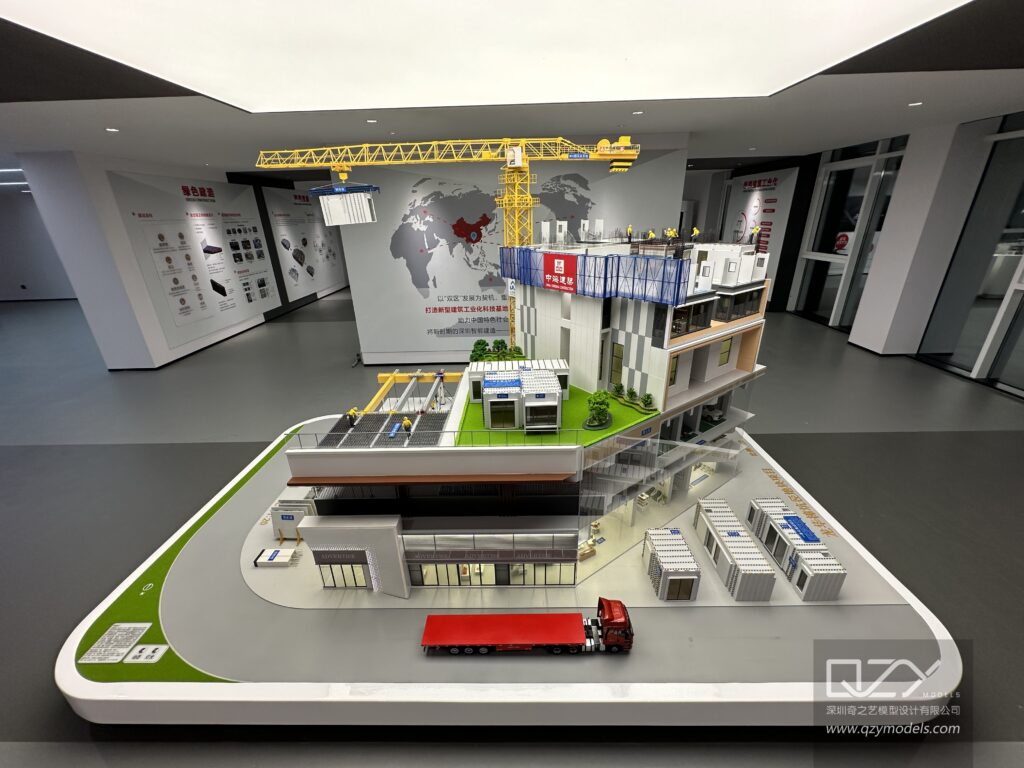
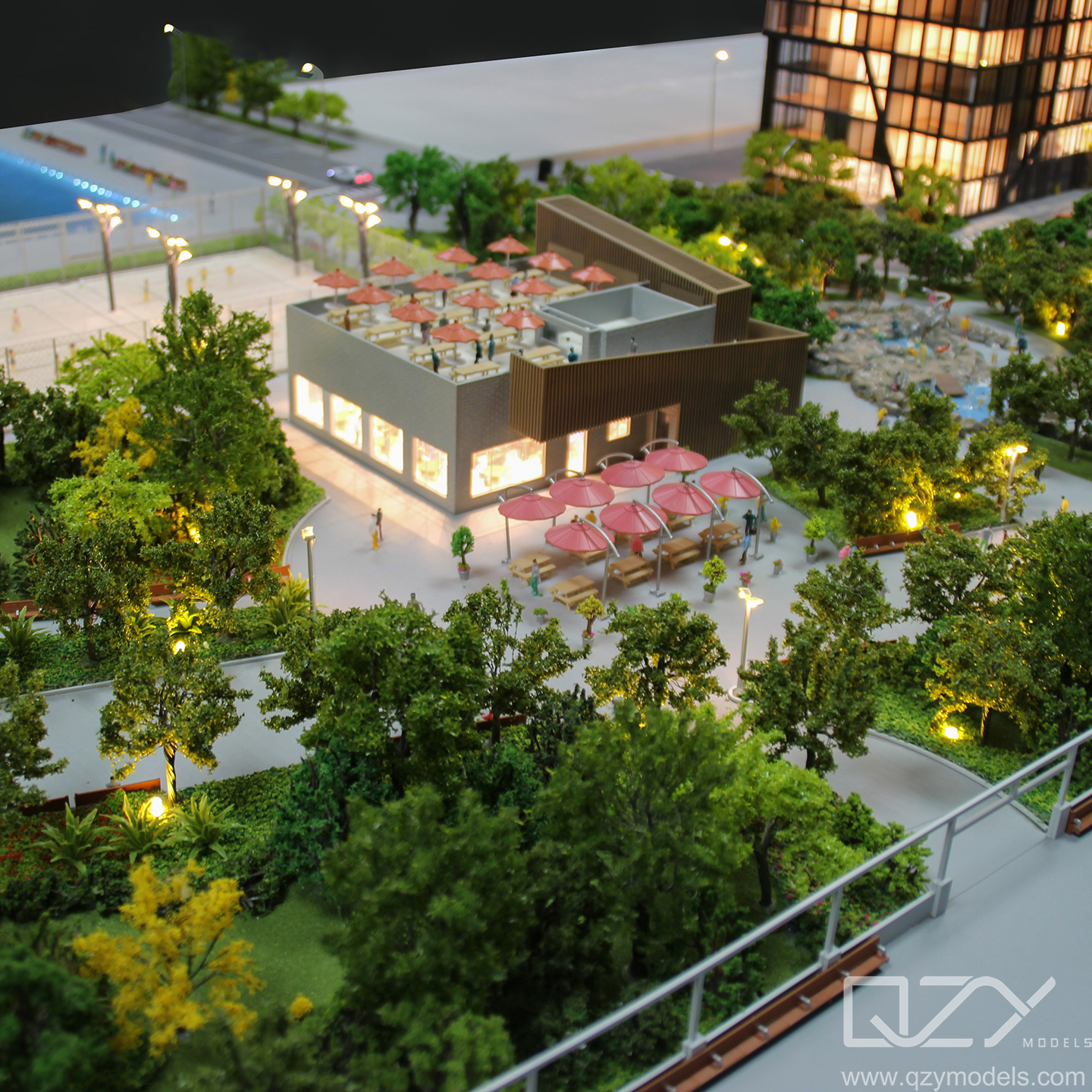
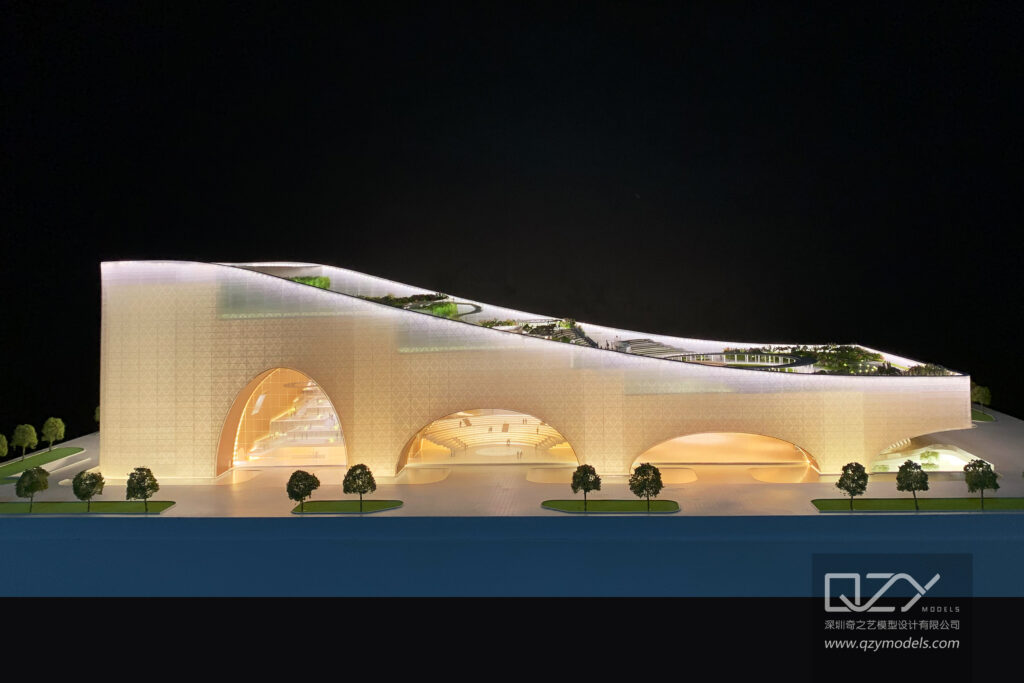
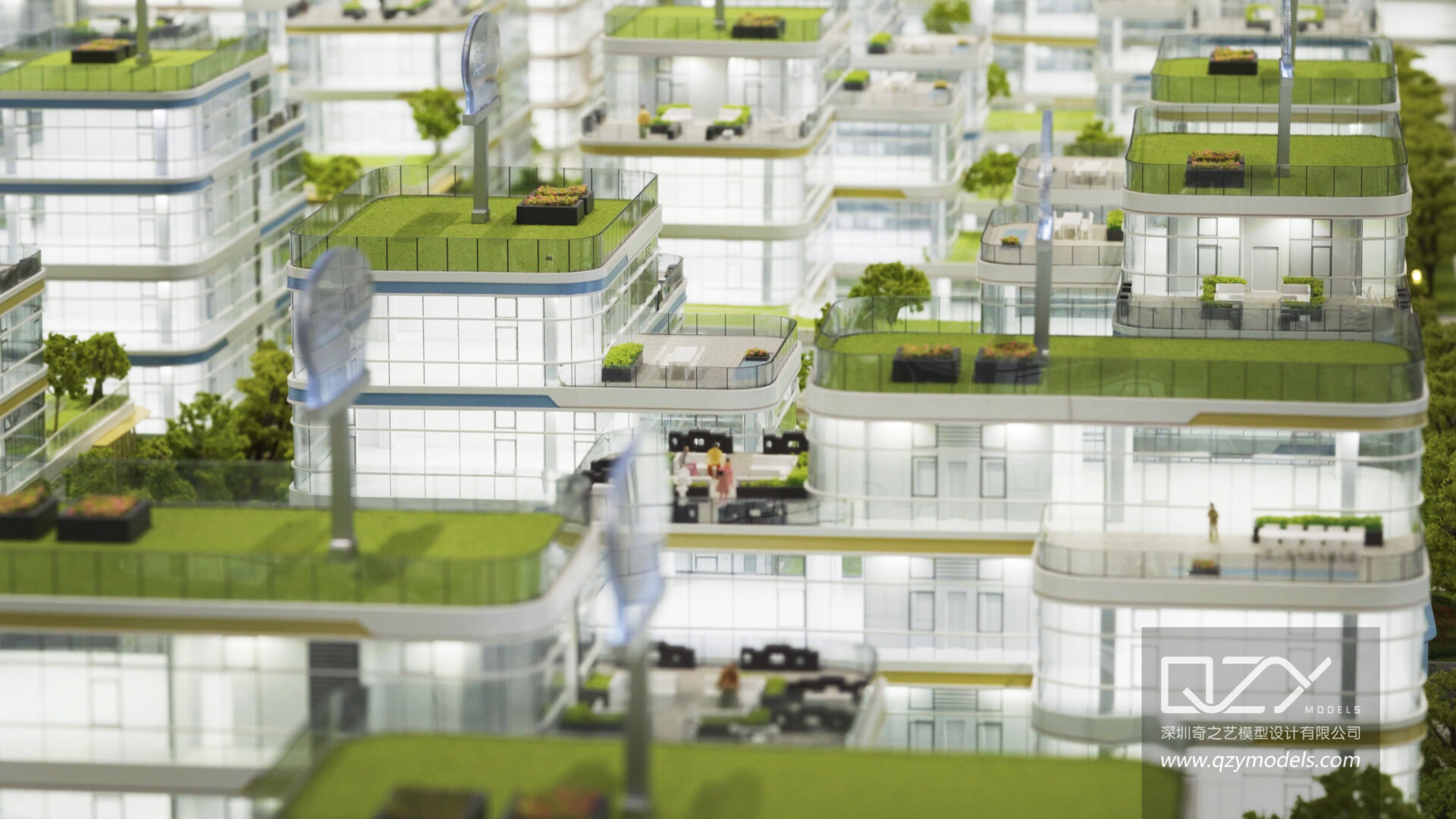
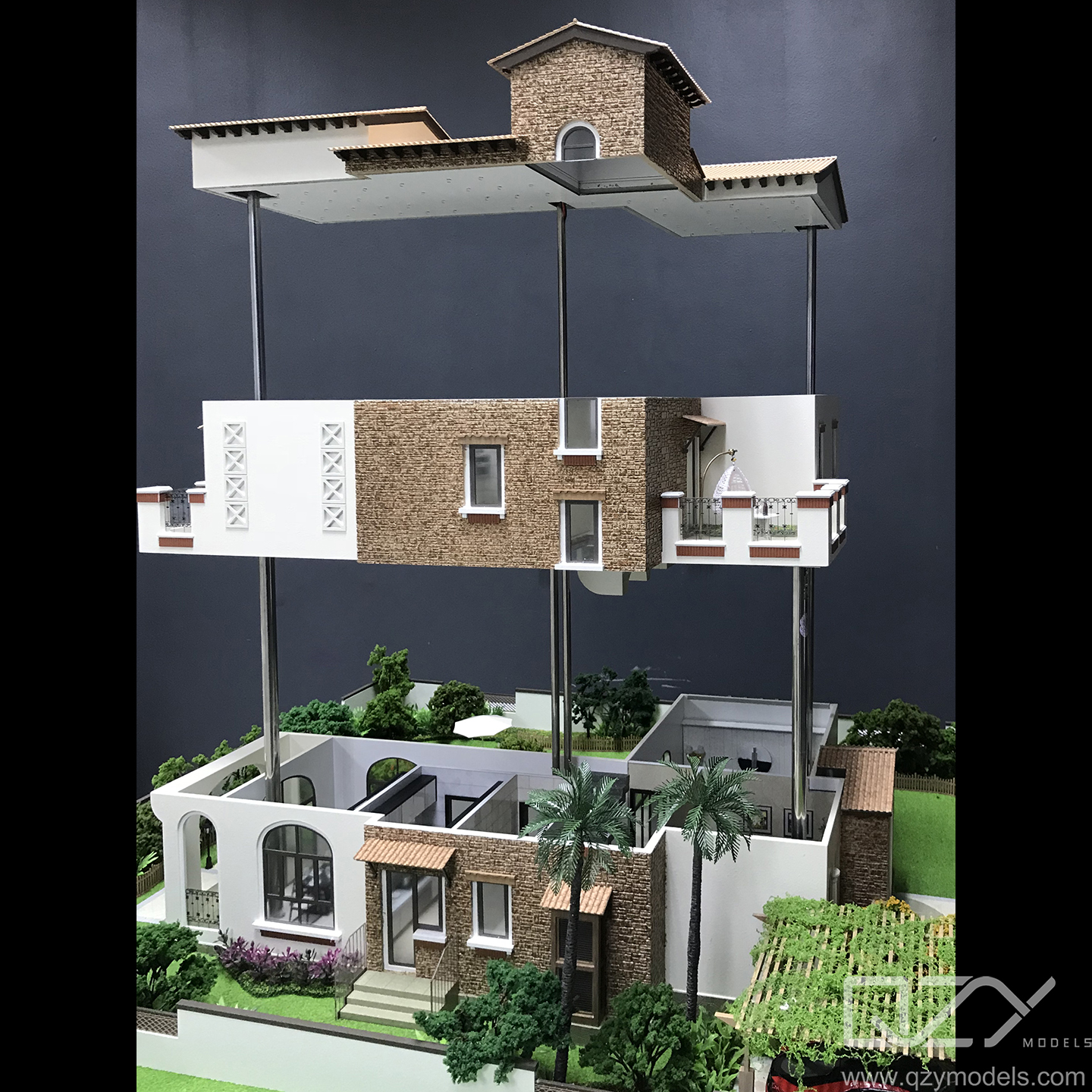
3D printed architecture models offer Manila architects highly detailed, accurate, and customizable physical representations of their projects. These models bring designs to life efficiently, enhancing client communication and speeding up project approvals with precision crafted by expert manufacturers, especially leading Chinese factories like QZY Models.
What Are 3D Printed Architecture Models and Their Benefits?
3D printed architecture models are scaled physical replicas made using additive manufacturing to precisely reproduce design concepts. They enable clearer visualization of complex structures and spatial relationships. The benefits include realistic detail, faster production time compared to traditional methods, and cost-efficiency. These models foster better client understanding and support design validation early on.
The ability to produce intricate details and unique geometries with 3D printing sets these models apart. For Manila-based projects, such models help bridge digital plans and real-world execution, making design presentations more impactful and informed.
How Does 3D Printing Improve Architectural Model Making?
3D printing streamlines architectural model creation by automating material layering directly from CAD designs. This reduces manual labor while ensuring consistent accuracy. Complex façades and double-curved surfaces are captured flawlessly, which traditional handcrafting struggles to achieve in less time.
It also allows rapid iteration; architects can update designs easily and print new versions without wasting materials. For developers in Manila, this means faster approvals and design clarifications. The versatility of materials used—from plastics to resins—also expands creative possibilities for realistic and durable models.
Where Can Manila Architects Source 3D Printed Models from China?
Manila architects can source 3D printed architectural models from reputable Chinese manufacturers specializing in B2B factory-direct services. These include wholesale suppliers and OEM factories like QZY Models, based in Shenzhen, China. They offer custom architectural scale models with fast turnaround, competitive pricing, and tailored services suited for international projects.
Chinese factories provide global shipping, sample approvals, and client collaboration throughout manufacturing. This makes them ideal partners for Manila’s architecture firms needing precision models backed by extensive industry experience and production capacity.
Why Are Chinese Manufacturers Preferred for 3D Printed Models?
Chinese manufacturers dominate the architectural model production industry due to their skilled craftsmanship, advanced technology adoption, and cost advantages. Factories like QZY Models combine large-scale capacity with innovative methods such as 3D printing and laser cutting, ensuring high-quality output.
Additionally, China’s OEM and wholesale factory structure supports customization, confidentiality, and scalability, meeting diverse client requirements globally. This is especially beneficial for Manila’s competitive architecture market seeking reliable partners who can deliver excellence with value pricing.
How Does the Manufacturing Process Work in Chinese Factories?
The process starts with client consultation to understand design scope and model scale. Architects submit CAD files, which are converted for 3D printing. Factories then select suitable materials—often resins or acrylics—and employ precision 3D printers to build the model layer by layer.
Post-processing includes cleaning, assembly, painting, and detailing by skilled craftsmen. Quality control checks ensure exactness to design before packaging for shipment. Manufacturers like QZY Models provide regular updates and offer repairs if needed, ensuring client satisfaction from sample to final delivery.
What Cost Advantages Do OEM and Wholesale Architectural Models Offer?
OEM (Original Equipment Manufacturer) and wholesale models from China offer significant cost savings without sacrificing quality. By sourcing directly from factories, Manila firms avoid middlemen markups and gain pricing scalability. Bulk orders reduce unit cost further.
Customization options embedded within OEM services allow branding and tailored features, creating exclusive models without added premium charges. These economic benefits enable architecture companies to allocate budget efficiently across multiple projects or expanded presentations.
Cost Comparison Table: Traditional vs 3D Printed Models (Example)
| Cost Factor | Traditional Models | 3D Printed Models (OEM Wholesale) |
|---|---|---|
| Material Expenses | High (wood, foam) | Moderate (resin, plastic) |
| Labor Costs | High (manual work) | Low (automated printing) |
| Production Time | Weeks to months | Days to weeks |
| Customization Cost | High | Flexible within OEM package |
How Do B2B Factories Support Global Architecture Projects?
B2B factories in China, such as QZY Models, support global architectural projects by providing end-to-end model production solutions. They facilitate seamless communication, ensure design fidelity, and handle logistics worldwide. Their expertise enables projects in Manila and beyond to meet tight deadlines and quality benchmarks.
These factories leverage advanced machinery and a skilled workforce capable of producing models for diverse architectural styles and scales. They also maintain confidentiality for large developments and offer post-delivery support, contributing to long-term partnerships.
Which Innovations Are Shaping the Future of 3D Printed Models?
Emerging innovations in 3D printing technology—such as multi-material printing, faster resin curing, and improved software integration—are redefining architectural modeling capabilities. These advances allow for even more intricate detail, color realism, and structural complexity.
Artificial intelligence-driven design optimizations and virtual reality integration with physical models further enhance planning and client presentations. Factories like QZY Models stay at the forefront by continuously investing in innovation, offering services that meet the evolving demands of architects globally.
How Does QZY Models Lead in Architectural Model Manufacturing?
QZY Models, established in Shenzhen, China, is a renowned leader specializing in architectural and industrial physical models. With over 20 years of industry expertise, QZY blends digital innovation and artisan craftsmanship to deliver precise, scalable, and visually striking models.
Their OEM and wholesale factory capabilities serve clients worldwide, including Manila, ensuring custom solutions that honor design intent and project requirements. QZY Models is committed to quality, efficiency, and professional service to empower architects and developers.
QZY Models Expert Views
“At QZY Models, we understand that architectural models are vital storytelling tools that embody both artistry and engineering. Our approach blends cutting-edge 3D printing, laser cutting, and expert hand-finishing to produce models that capture the essence of architectural heritage and modern innovation. We pride ourselves on delivering precision and efficiency to meet the demands of global architects through scalable OEM and wholesale solutions.” – Richie Ren, Founder, QZY Models
Conclusion
3D printed architectural models are transforming Manila’s architecture landscape by offering unmatched precision, fast production, and cost-efficient solutions. Partnering with expert Chinese manufacturers like QZY Models ensures access to high-quality, customizable, and scalable models. For B2B clients seeking OEM, wholesale, or factory-direct services, China’s innovation-driven approach supports seamless project execution and exceptional client presentations. Leveraging these models accelerates approvals and fosters clearer design communication, giving Manila’s architects a competitive edge.
FAQs
Q: How quickly can 3D printed architectural models be produced?
A: Production typically ranges from a few days to several weeks depending on model complexity and scale offered by factories like QZY Models.
Q: Are 3D printed models durable for presentations?
A: Yes, high-quality resins and post-processing ensure models are sturdy and suitable for repeated handling and display.
Q: Can these models be customized with specific branding?
A: OEM services allow full customization, including branding and exclusive design elements tailored to client needs.
Q: Is shipping from China to Manila reliable for architectural models?
A: Reputable Chinese manufacturers provide professional packaging and global courier services ensuring safe, timely delivery.
Q: What scale is commonly used for architectural models?
A: Scales vary but popular choices range from 1:100 to 1:500 depending on project size and purpose.