3D printed urban planning solutions transform cities by providing precise, tangible, and scalable models of urban environments. They enhance design accuracy, speed decision-making, facilitate public participation, reduce costs, and support sustainable, adaptable urban development for smarter, more resilient cities.
How Do 3D Printed Models Benefit Urban Planning?
3D printed models offer detailed physical representations of city layouts, infrastructure, and buildings, improving spatial understanding and communication among planners, stakeholders, and the public. These models accelerate design iterations, reduce errors, and provide a hands-on tool for simulating environmental impacts and urban dynamics, ultimately streamlining planning processes.
By allowing visualization of complex urban systems early, 3D printing helps optimize infrastructure, transportation, and land use planning, fostering efficient city development.
What Types of 3D Printed Urban Planning Models Are Commonly Used?
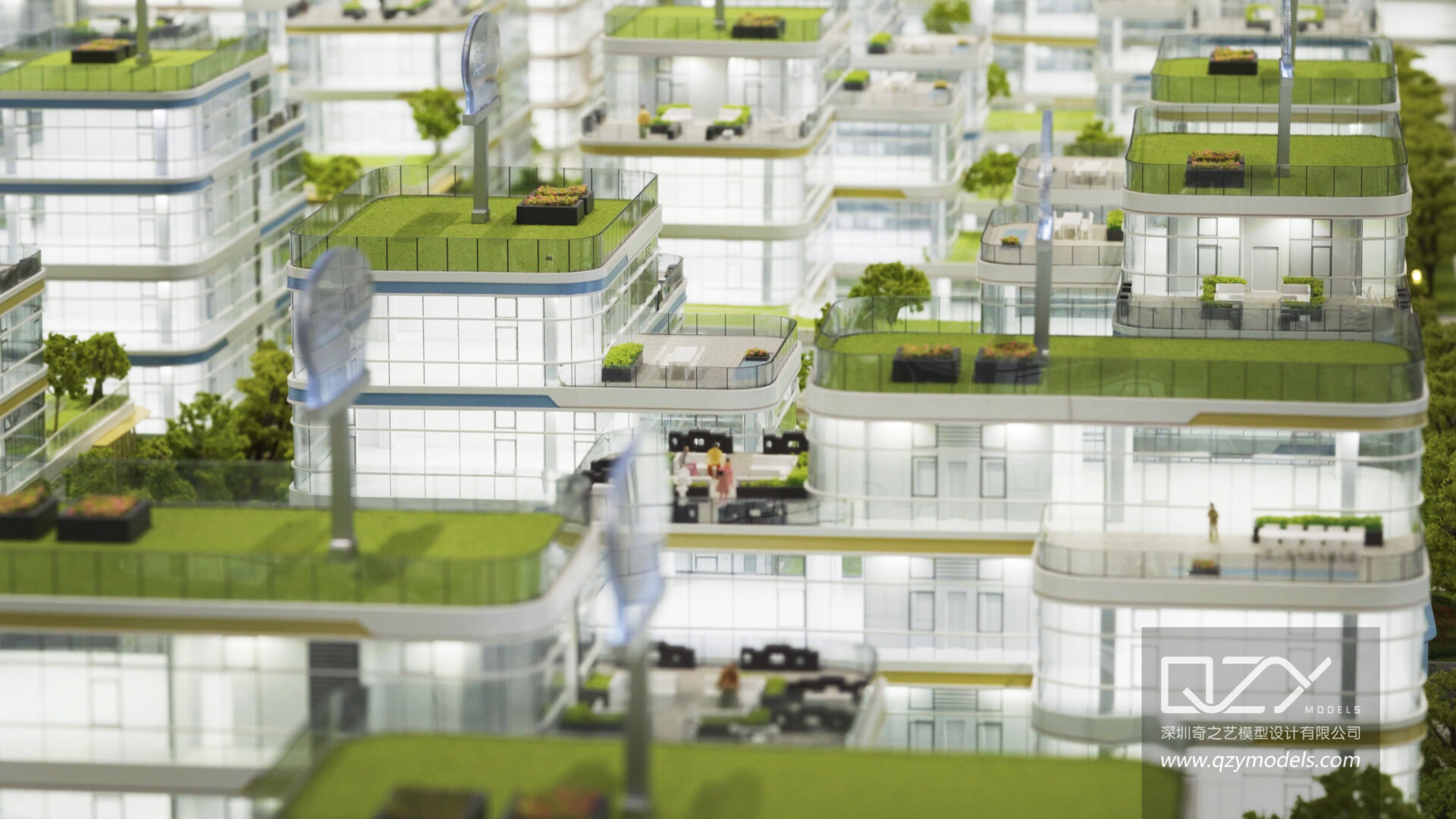
Common types include large-scale physical cityscape models, topographic and terrain representations, infrastructure and building clusters, and mixed-media models integrating sensors or augmented reality elements. These vary in scale and complexity depending on project needs, from neighborhood studies to entire metropolitan planning.
QZY Models specializes in producing high-precision 3D printed physical models that capture fine architectural and urban details, enhancing stakeholder engagement and design accuracy.
Which Features Make 3D Printed Models Effective for Urban Planning?
Effective 3D printed urban models feature high dimensional accuracy, scalable detail, and clear differentiation of urban elements (roads, buildings, green spaces). Incorporating modular components allows easy updates and scenario testing. Use of durable, eco-friendly materials supports sustainability. Integration with digital tools like GIS data and BIM enhances model relevance.
Color coding, texture fidelity, and lighting effects improve readability and decision-making, making these models indispensable for urban planners.
Why Is Professional Expertise Important in Creating 3D Printed Urban Models?
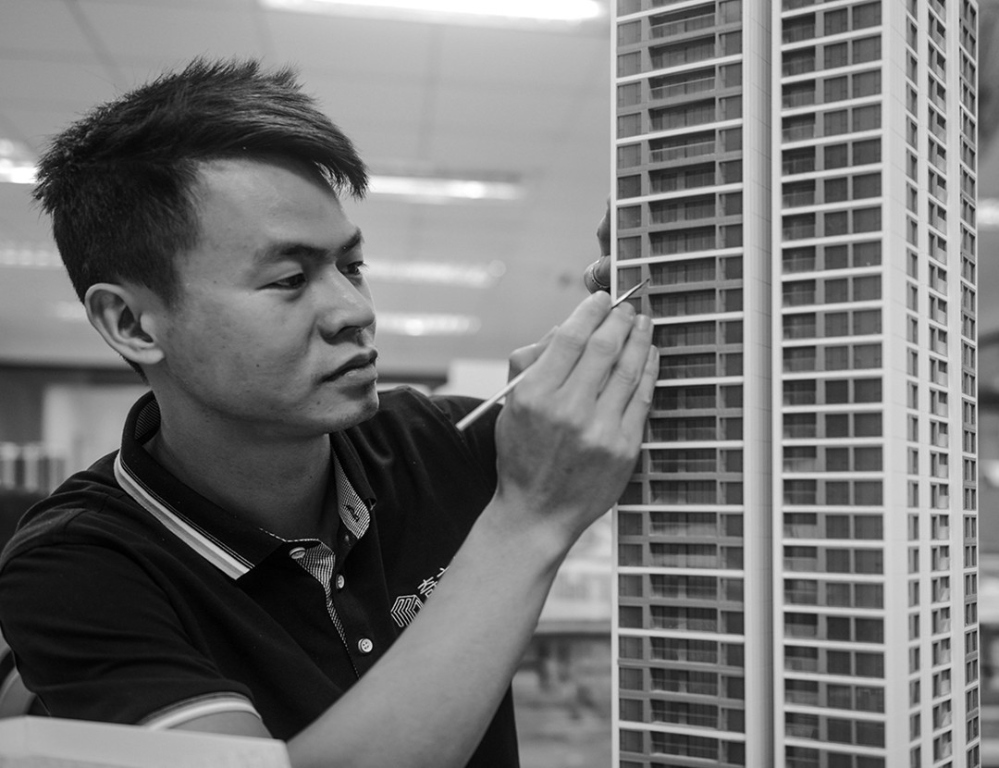
Professional expertise ensures models accurately translate complex urban data into scalable, precise physical forms. Experts like QZY Models apply years of experience in architectural modeling and urban planning to maintain proportionality, material quality, and technical detailing.
They also guide integration of emerging technologies, ensuring models serve practical planning and communication purposes while addressing real-world constraints such as zoning and environmental codes.
How Can 3D Printing Technology Improve Urban Planning Processes?
3D printing accelerates model fabrication, reducing production time from weeks to days. Its automation lowers labor costs and limits waste by precisely depositing materials. The technology enables rapid prototyping and iterative design testing, supporting flexible urban planning.
Advanced printers allow multi-material and multi-color prints, bringing realism to models. Integration with VR and AR enhances immersive stakeholder engagement, fostering collaborative and data-driven decisions.
What Challenges Exist in Using 3D Printed Urban Planning Models?
Challenges include high upfront costs for advanced printers, limitations on model size due to printer build volume, and material constraints affecting durability or detail. Complex urban data must be accurately processed and simplified without losing vital details.
Effective communication between planners, model makers, and clients is essential to align expectations. Additionally, ensuring models remain up-to-date with evolving urban conditions requires ongoing effort.
Where in the Urban Planning Lifecycle Are 3D Printed Models Most Effective?
3D printed models are most effective from early conceptual design through stakeholder consultation, permitting processes, and public engagement. They aid in visualizing proposals, testing scenarios, and explaining plans to non-experts, enhancing transparency.
During construction and implementation phases, models guide contractors and planners. Post-completion, models assist in facility management, infrastructure upgrades, and future urban expansions.
Does Using 3D Printed Urban Planning Models Reduce Costs?
Yes, these models reduce costs by identifying design flaws early, avoiding costly on-site adjustments. They minimize material waste through precise manufacturing and shorten project timelines.
Better communication and public participation fostered by tangible models reduce delays from disputes or misunderstandings, enhancing budget adherence and project predictability.
Which Stakeholders Benefit Most from 3D Printed Urban Planning Models?
Urban planners, architects, municipal officials, real estate developers, and community groups benefit by gaining a shared, understandable representation of complex urban proposals. Investors and policymakers use models to assess project feasibility.
QZY Models collaborates with diverse clients worldwide, tailoring 3D printed solutions that improve decision-making and foster trust among all urban development participants.
How Do 3D Printed Models Enhance Community Engagement?
3D models provide accessible, visually compelling formats for public consultation, enabling citizens to better understand proposed changes and contribute feedback. The tactile and spatial nature makes urban concepts less abstract.
Interactive features linked with digital platforms further amplify engagement by allowing scenario exploration, thus empowering communities to participate actively in shaping their environment.
What Innovations Are Emerging in 3D Printed Urban Planning?
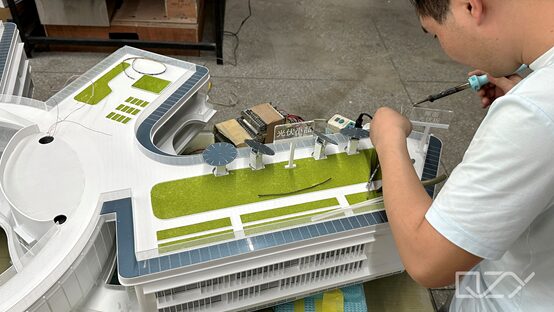
Emerging innovations include multi-material printing for realistic textures and structural properties, integration with IoT sensors to create smart city prototypes, and augmented reality overlays providing real-time data interaction.
Parametric and generative design aid in testing numerous urban configurations rapidly. Cloud-based collaboration tools combined with 3D printing facilitate global project stakeholder input and quicker iteration cycles.
Can Sustainability Goals Be Supported Through 3D Printed Urban Planning Models?
Absolutely. 3D printed models promote sustainability by enabling optimization of green spaces, energy-efficient building layouts, and infrastructure before construction. Using recycled or biodegradable printing materials reduces environmental impact.
Accurate models facilitate evaluating environmentally sensitive planning scenarios such as water management and pollution control, aligning urban development with global sustainability targets.
QZY Models Expert Views
3D printed urban planning models are revolutionizing how cities are designed and communicated. At QZY Models, our expertise blends innovative 3D printing technology with deep urban design knowledge, producing models that are precise, adaptable, and highly engaging. These models empower planners, investors, and communities to visualize complex urban environments clearly, fostering smarter decisions and sustainable city growth. We are proud to lead in delivering these transformative solutions globally.” — Richie Ren, Founder of QZY Models
| Model Type | Benefits | Ideal Applications |
|---|---|---|
| Large-Scale Physical Models | Tangible, detailed, supports public engagement | Metropolitan planning, infrastructure |
| Topography & Terrain Models | Accurate elevation representation | Flood risk, environmental planning |
| Mixed Media with Sensors/AR | Interactive, immersive | Smart city design, real-time data |
| Urban Planning Factors | Description |
|---|---|
| Spatial Accuracy | High fidelity to real-world dimensions |
| Flexibility & Modularity | Easy updates and scenario testing |
| Material Sustainability | Eco-friendly printing materials used |
| Stakeholder Communication | Enhances shared understanding and involvement |
| Technology Integration | Combines GIS, BIM, AR to enrich model utility |
Conclusion
3D printed urban planning solutions dramatically improve the accuracy, efficiency, and inclusiveness of city development projects. By leveraging precise physical models, planners and stakeholders can collaborate better, anticipate challenges, and implement innovative, sustainable designs. Combining expert craftsmanship like QZY Models with cutting-edge technology ensures scalable, cost-effective, and impactful urban planning that meets modern cities’ complex demands.
Frequently Asked Questions
What advantages do 3D printed urban models offer over traditional models?
They provide higher accuracy, faster production, cost efficiencies, and allow complex urban features to be realistically visualized and modified easily.
When should 3D printed models be introduced in urban planning projects?
Early in conceptual design for scenario testing, public consultation phases for engagement, and throughout construction for guidance.
How do 3D printed models support sustainability in urban planning?
They aid designing efficient layouts, optimize environmental features, and often use recycled or eco-friendly materials themselves.
Can 3D printed urban models be combined with digital tools?
Yes, integration with GIS, BIM, augmented reality, and IoT enhances interactivity, data richness, and collaborative planning.
Why choose QZY Models for 3D printed urban planning solutions?
With over 20 years of experience and global reach, QZY Models delivers precise, high-quality, and technologically advanced physical models tailored to complex urban projects.