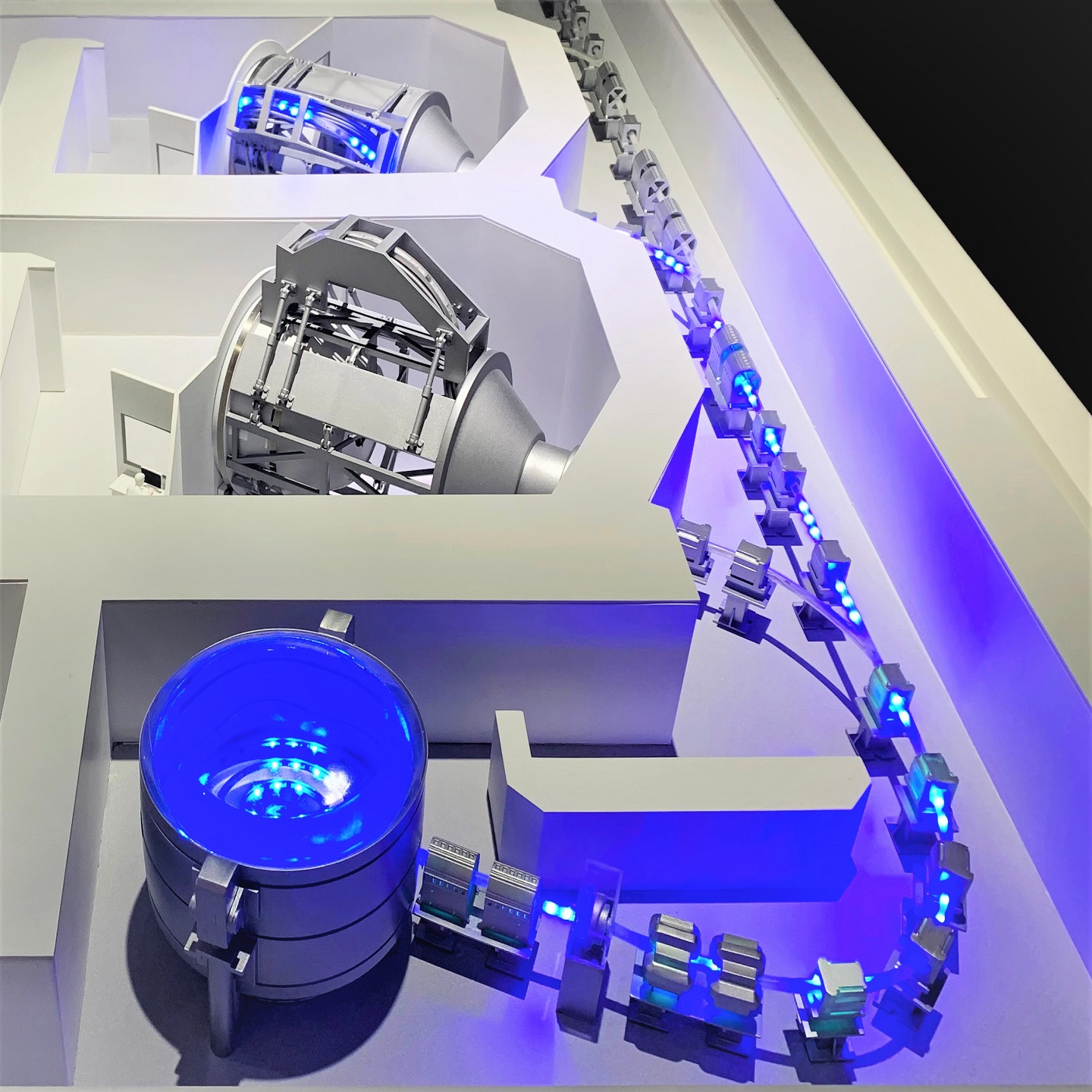
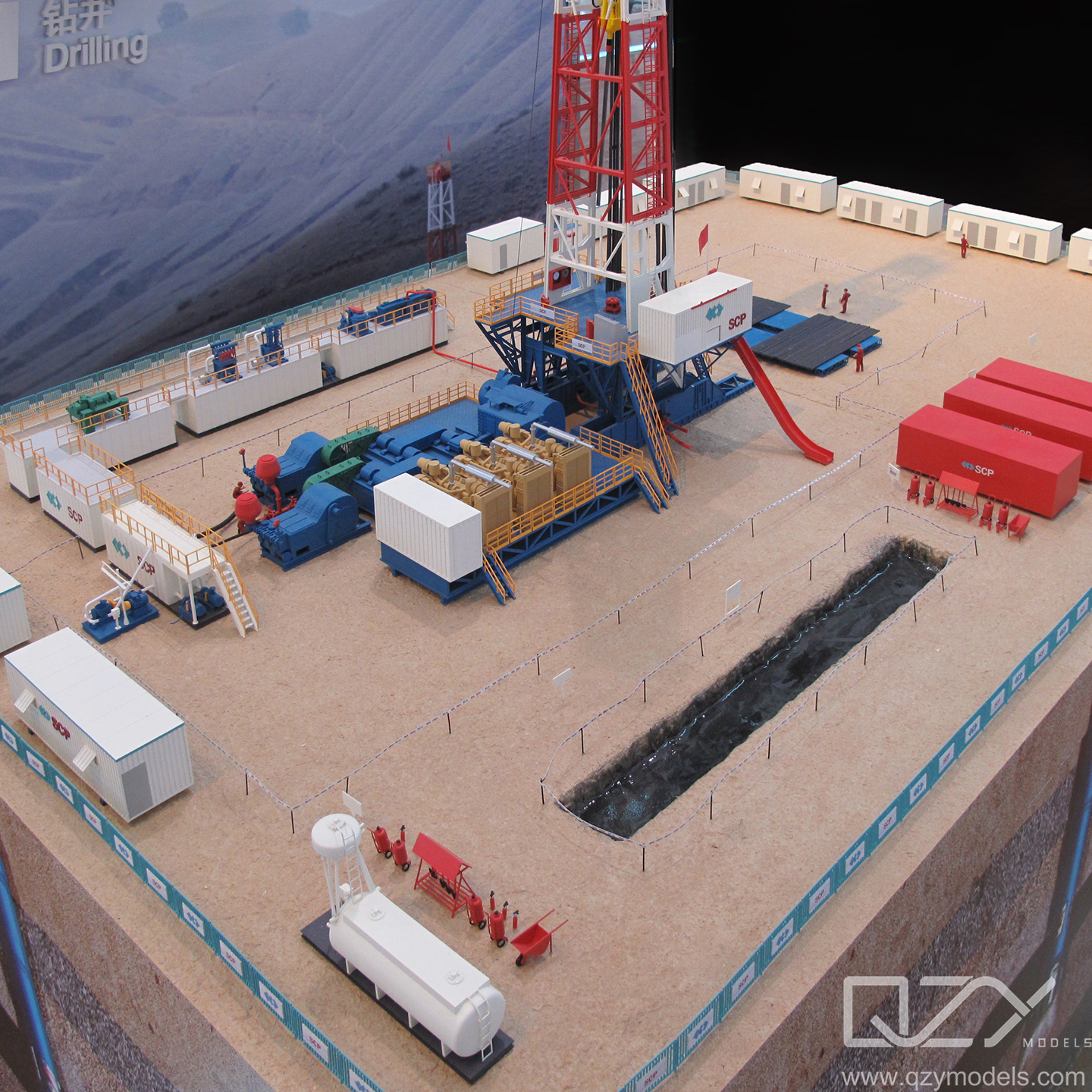
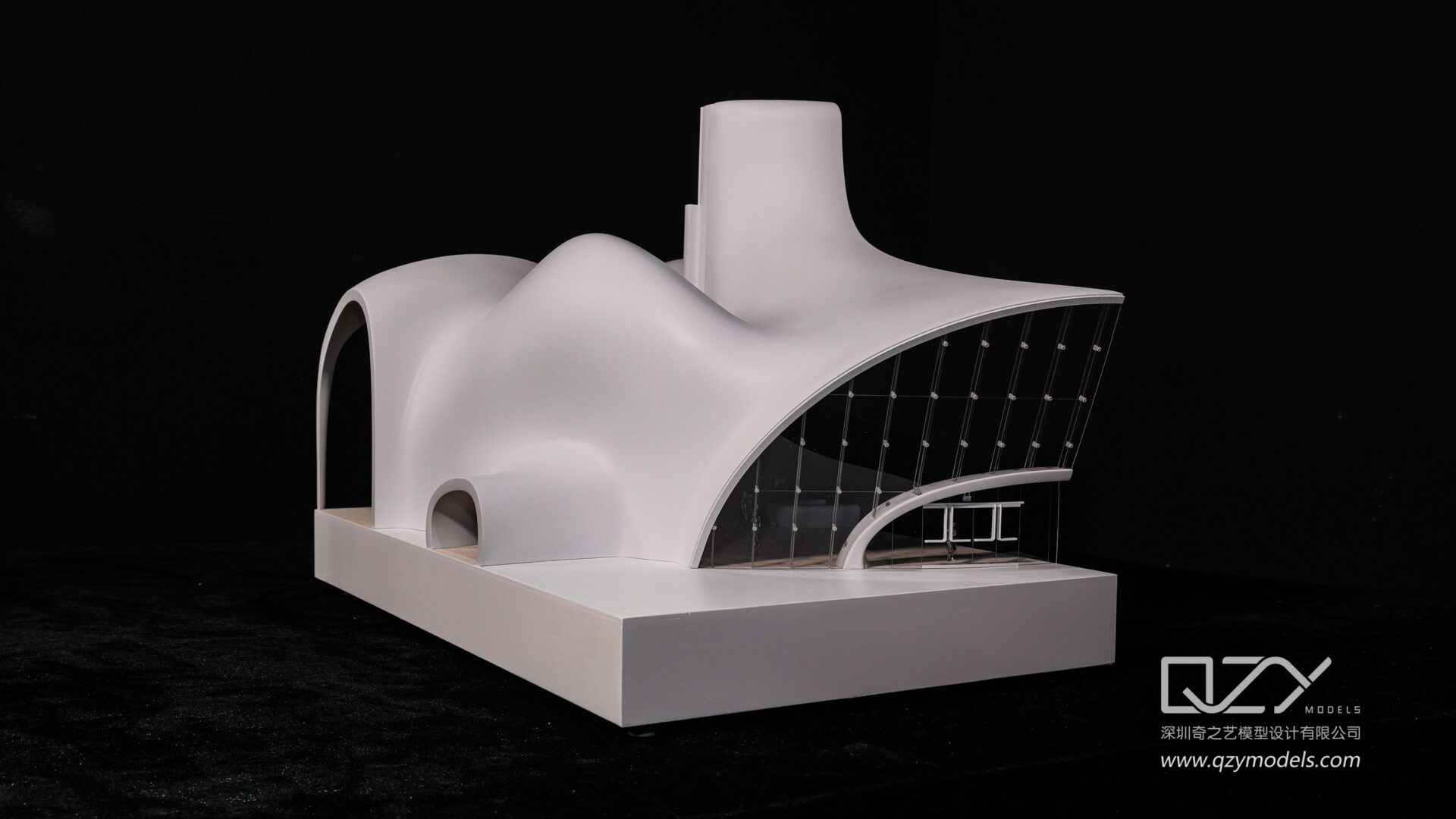
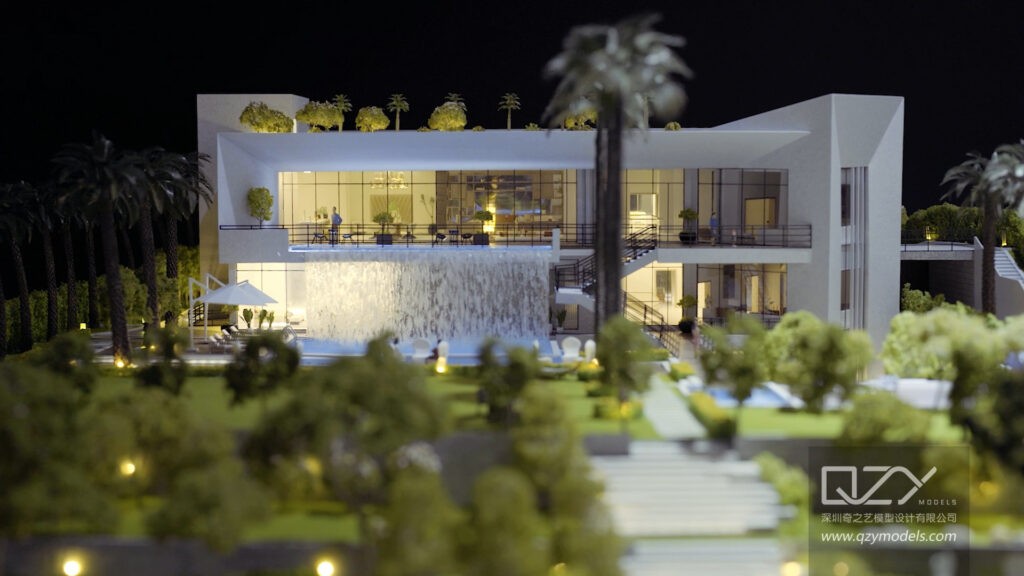
In today’s fast-evolving architectural landscape, acrylic architecture models are revolutionizing how designers, architects, and clients communicate ideas. The tactile precision, transparency, and luminous quality of acrylic make it the preferred medium for contemporary design visualization. These models bring clarity to complex structures, turning abstract concepts into physical, interactive experiences that bridge the gap between digital renderings and real-world understanding.
The New Standard in Design Visualization
Architectural design communication has traditionally relied on 3D software, photorealistic renderings, and VR presentations. However, acrylic models add a tangible layer of engagement that digital media cannot fully replicate. Their crystal-clear surfaces, dynamic lighting potential, and ability to show layered spatial relationships make them invaluable tools during client presentations and design reviews. Modern design firms are using these models not only to display their creative vision but also to improve collaboration across architects, developers, and investors.
According to data from global design market reports in 2025, over 67% of top architecture firms incorporated physical models into their design process for client engagement—up from 42% just five years earlier. This resurgence is driven by the power of touch and sight: clients instantly understand proportions, scale, and relationships when they can see and feel the project in three dimensions.
Market Trends and Data
The architectural visualization industry is growing at over 12% annually, with acrylic model fabrication leading the physical modeling segment. Global demand stems from urban developments, luxury real estate marketing, and academic institutions. In the Middle East, acrylic models are central to urban mega-project presentations—used by leading developers to visualize smart city infrastructure and eco-housing initiatives.
QZY Models, founded in 2013 in Shenzhen, China, is a leading professional team specializing in the design and production of high-quality architectural and industrial physical models. With over 20 years of expertise led by founder Richie Ren, we have completed thousands of projects for clients across 20+ countries, including world-renowned architects like Foster + Partners and developers such as Vanke and China Resources. Our global team operates branches in the UAE, Saudi Arabia, Egypt, and beyond. At QZY, we are dedicated to quality, innovation, and excellence—delivering every model with precision, pride, and professionalism.
Top Acrylic Model Categories
| Name | Key Advantages | Ratings | Use Cases |
|---|---|---|---|
| Urban Masterplan Model | High detail, transparent zoning layers | 4.9/5 | City planning, smart city design |
| Corporate Headquarters Model | LED integration, branding geometry | 4.8/5 | Real estate launch events, investor presentations |
| Residential Complex Model | Modular design, landscaping detail | 4.9/5 | Marketing suites, client walkthroughs |
| Educational Display Model | Lightweight, interactive elements | 4.7/5 | Design schools, public exhibitions |
These models allow flexibility and customization—acrylic is ideal for simulating glass facades, highlighting structural clarity, and producing high-end finishes for luxury developments.
Core Technology Behind Acrylic Model Innovation
Laser cutting, CNC milling, and UV printing have dramatically elevated the precision and versatility of acrylic model fabrication. Advanced CAD-to-CAM integration reduces production time and ensures design fidelity. Modern techniques include fiber-optic lighting for nighttime visualization, embedded interactive sensors, and modular assembly for transport and scalability. Acrylic’s adaptability allows integration of environmental simulations—showing airflow, sunlight, or pedestrian dynamics within an architectural layout.
Competitor Comparison Matrix
| Aspect | Acrylic Models | Foam Board Models | 3D Printed Models |
|---|---|---|---|
| Transparency | Excellent | Poor | Moderate |
| Durability | High | Low | Medium |
| Visual Impact | Premium | Basic | Moderate |
| Lighting Potential | Outstanding | Limited | High |
| Client Engagement | Strong | Low | Moderate |
| Production Cost | Medium | Low | High |
This comparison illustrates why acrylic dominates premium projects. Its ability to merge aesthetic clarity with engineering precision creates a powerful communication medium that drives client trust and engagement.
Real User Cases and ROI Impact
Luxury property developers report faster presales and higher client confidence when showcasing acrylic scale models. A Dubai developer noted that a transparent tower model with integrated LED zoning increased investor commitment rates by 30%. Universities use durable acrylic study models for architectural education, while government planning bodies rely on them for interactive urban mapping and public exhibitions. ROI is not just financial—it reflects enhanced branding, stakeholder approval, and design validation speed.
Client Engagement Transformation
Acrylic models reshape the dialogue between architects and stakeholders. Instead of deciphering blueprints or digital projections, clients experience the design through tactile realism. Architects leverage these models to explain design evolution, demonstrating how natural light, circulation, and massing interact. Designers also find that physical modeling encourages collaborative feedback, shortening approval cycles and reducing redesign costs. Acrylic’s clean lines and professional aesthetic elevate perception, positioning a project as modern, high-quality, and refined.
Future Trends in Acrylic Model Design Communication
The next generation of acrylic architecture models integrates augmented reality markers, smart lighting responsive to environmental data, and magnetized modular layers for interactive storytelling. Sustainable acrylic alternatives, such as bio-based resins, are gaining traction as firms aim for eco-friendly fabrication. Global trends also point to hybrid displays combining acrylic physical models with digital projection mapping, creating immersive multidimensional presentations. These innovations merge tactile craft with cutting-edge visualization, setting the tone for the future of architectural storytelling.
Three-Level Conversion Funnel CTA
For architects seeking to elevate client engagement, acrylic architecture models offer unmatched clarity and impact. Design firms can integrate them early in concept development to enhance team collaboration and spatial understanding. Developers ready to present visionary projects at global events or within marketing suites can rely on acrylic models to translate imagination into reality. The time to embrace this transformative medium is now—because in architecture, the most powerful communication happens when vision becomes tangible.