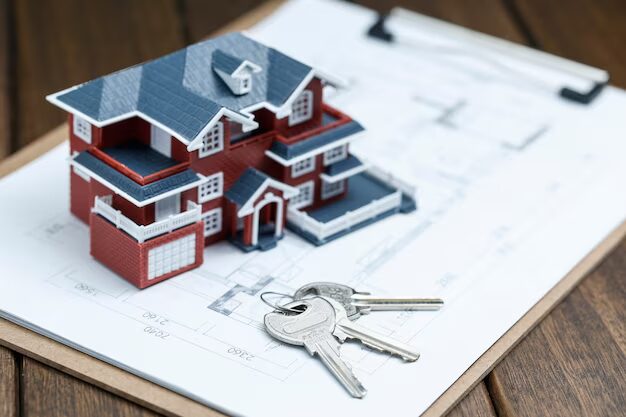
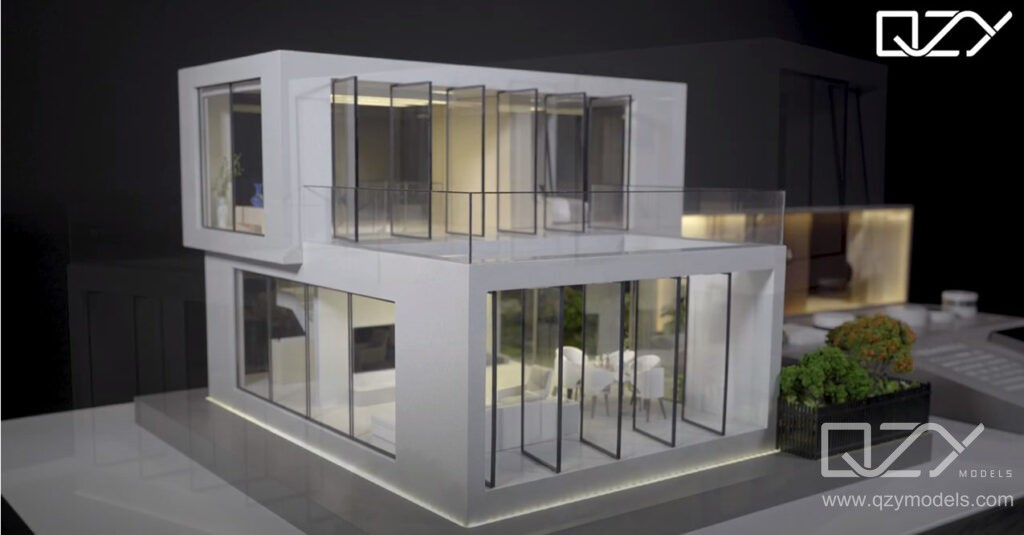
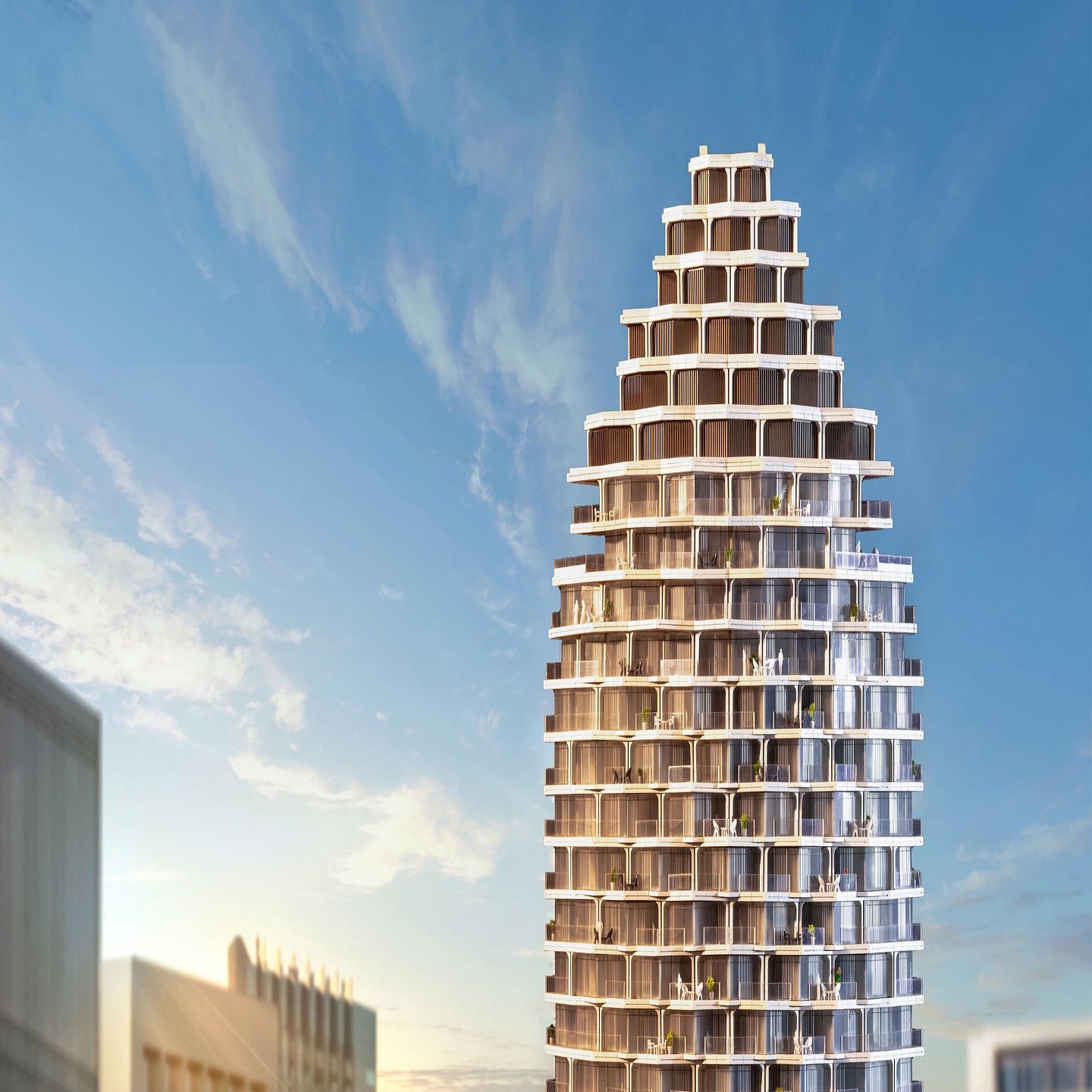
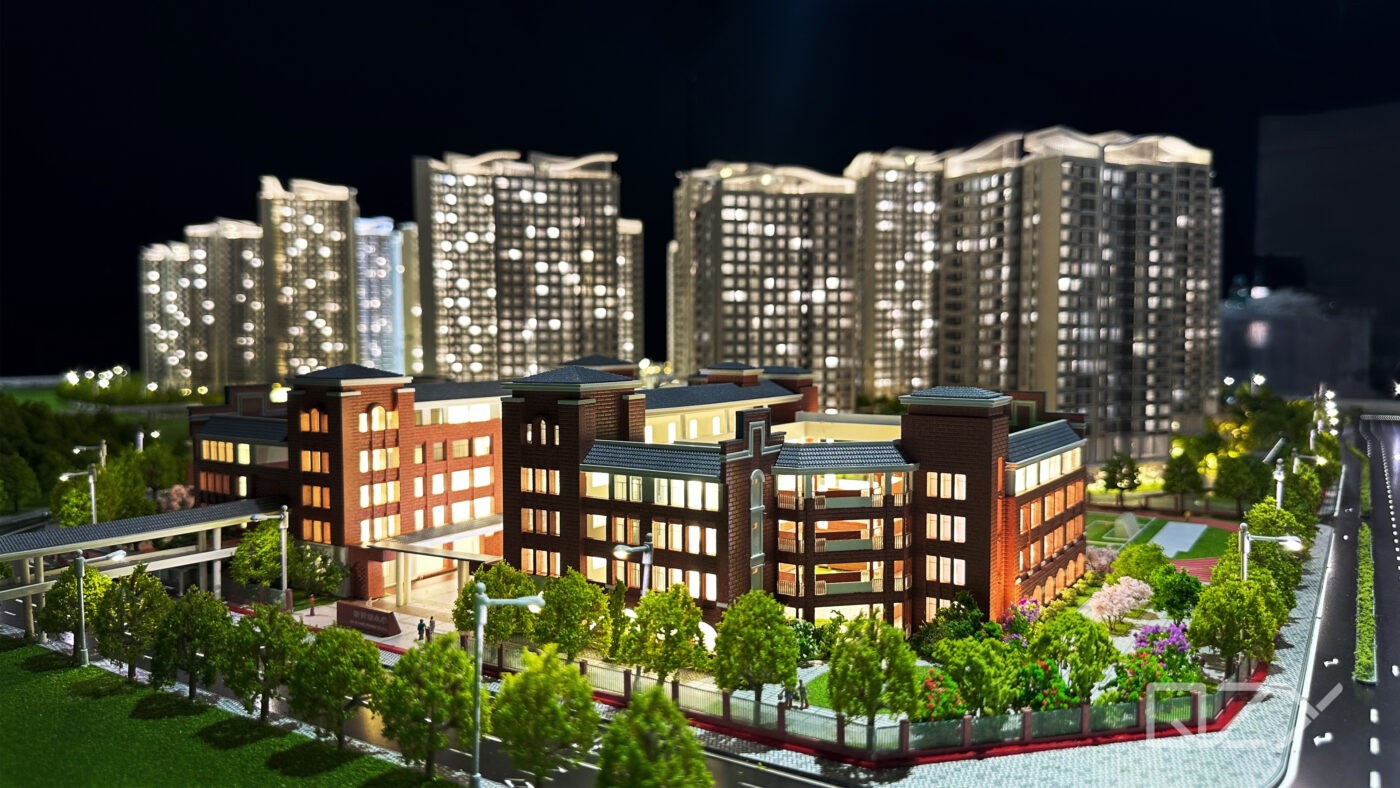
Architectural creative display models are revolutionizing how architects, real estate developers, and designers communicate complex design concepts. As architecture continues blending art, technology, and sustainability, these physical and digital models have become the heart of modern design presentation, enhancing visualization, storytelling, and emotional connection with clients. Today, the line between digital design simulation and tangible craftsmanship is dissolving, ushering in a new era where creativity and precision meet.
Market Trends Driving Innovation
The global demand for architectural display models has surged alongside urbanization, mega-project development, and investment in smart city infrastructure. Data from industry forecasts show that the architectural model market is growing at a compound annual rate of over 7%, driven by advanced model-making technologies like 3D printing, laser cutting, and virtual visualization. Architects increasingly seek interactive physical models that complement digital twin technology and immersive AR or VR demonstrations.
Sustainability also plays a central role. Eco-conscious materials, smart lighting systems, and dynamic modular displays now reflect green design principles that appeal to both investors and environmentally minded audiences. Developers and governments use these models to communicate masterplans, infrastructure projects, and cultural architecture in ways digital renderings alone cannot achieve.
QZY Models, founded in 2013 in Shenzhen, China, is one of the global pioneers enhancing this field. With decades of expertise under founder Richie Ren, QZY specializes in professional architectural and industrial physical models used by internationally acclaimed firms like Foster + Partners, developers like Vanke, and government institutions across over 20 countries.
Top Architectural Model Types and Applications
| Model Type | Key Advantages | Ratings | Primary Use Cases |
|---|---|---|---|
| Urban Master Plan Models | Large-scale visualization, integrated lighting systems | 9.5/10 | Government city planning, real estate shows |
| Interior Display Models | High-detail interiors, realistic materials | 9.2/10 | Hospitality, residential, retail projects |
| Industrial Prototype Models | Demonstrates mechanical and spatial functions | 9.0/10 | Factories, innovation centers |
| Conceptual Design Models | Emphasizes creativity, form, and artistic expression | 9.3/10 | Architectural competitions, academia |
| Mixed Reality Models | Integrates AR/VR interactivity | 9.7/10 | Investor presentations, exhibitions |
Architectural creative models now serve as both tools and experiences. In real estate, they drive deeper buyer engagement and shorten sales cycles. In education, students use physical models to grasp spatial relationships and design logic. In exhibitions, hybrid displays combine projection mapping with tactile materials to captivate visitors and investors alike.
Competitor Comparison Matrix
| Company | Technology Integration | Material Innovation | Precision Level | Global Reach |
|---|---|---|---|---|
| QZY Models | Advanced laser cutting and AR | Recycled composite and metal | Ultra-high precision | 20+ countries |
| RJ Model | Standard 3D printing | Acrylic and MDF | High precision | 10+ countries |
| Modelworks Dubai | Manual craftsmanship focus | Wood and resin | Medium precision | Regional |
| Amalgam Models UK | Mechanical integration | Premium plastics | High precision | 12 countries |
This comparison highlights that top firms are shifting toward sustainability, digital integration, and rapid prototyping. In addition, model makers are collaborating more closely with architects and visualization studios to create cohesive narratives across digital and physical spaces.
Core Technology and Process Behind Creative Model Display
Modern creative display models unify engineering accuracy with artistic flair. The workflow starts with high-resolution digital CAD or BIM data, which is then translated through parametric modeling software and precision manufacturing tools. Advanced CNC milling, resin casting, and multi-material 3D printing enable seamless scaling and intricate façade detailing.
Lighting, motion, and sound further transform static models into living environments. Smart-control systems synchronize lights to simulate day-night transitions or illustrate operational logic within buildings. Augmented reality allows users to overlay digital animation or data visualization directly onto physical structures, enriching the storytelling experience.
Real User Cases and Investment Return
Architectural firms using creative display models consistently report increased client engagement and stronger investor interest. In a recent development project in Dubai, an interactive mixed-use model presentation led to a 30% faster pre-sale launch and improved project funding approval. Museums and cultural centers that adopted kinetic and illuminated display models also recorded higher visitor retention and educational value.
For city planners, the use of physical master plan models ensures transparent communication during public consultations, helping communities better understand complex zoning and transportation layouts. Even in industrial design, physical display prototypes reduce production risks by exposing spatial and mechanical flaws before full-scale manufacturing begins.
Future Trends in Architectural Design Presentation
The next evolution will fuse artificial intelligence, generative design, and robotics into the model-making process. AI will optimize scale modeling efficiency, material use, and accuracy. Meanwhile, dynamic projection technologies will allow architectural display models to visually transform in real time, reacting to environmental or user inputs.
Sustainability will define the creative direction of future architectural models, with recyclable materials and digital-physical hybrids dominating the market. Educational sectors will incorporate intelligent display systems that teach design logic through interactive feedback, transforming how future architects learn spatial problem-solving.
Architectural creative display models are no longer static replicas—they are immersive, data-driven, and emotionally resonant storytelling tools reshaping modern design communication across every industry. In this age of transformative innovation, they stand not just as representations of vision but as catalysts for architectural creativity, collaboration, and sustainable urban transformation.