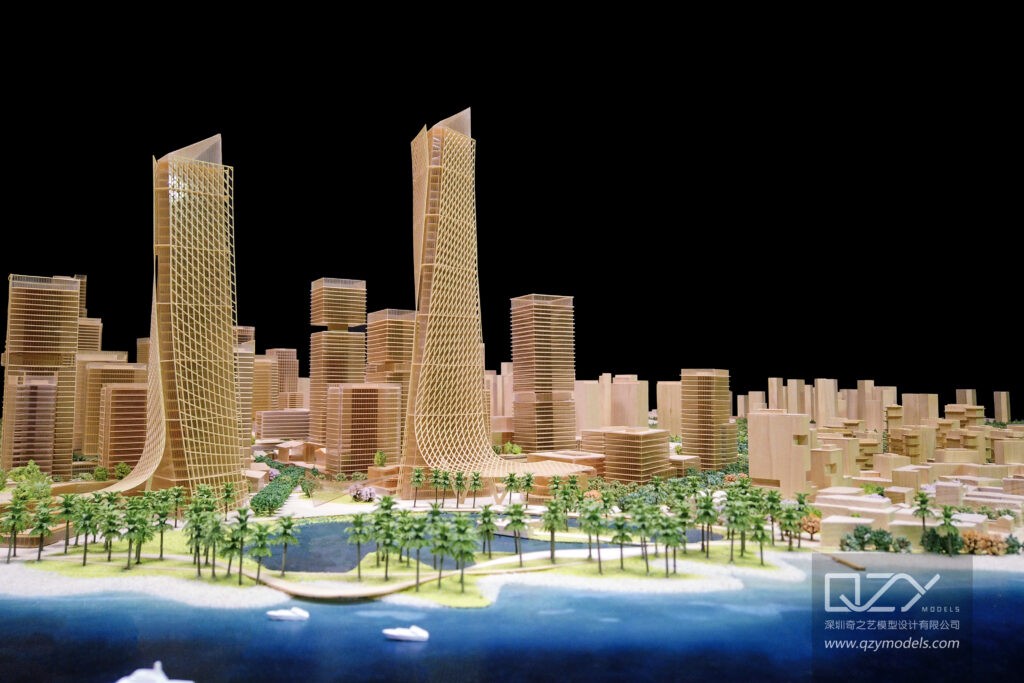
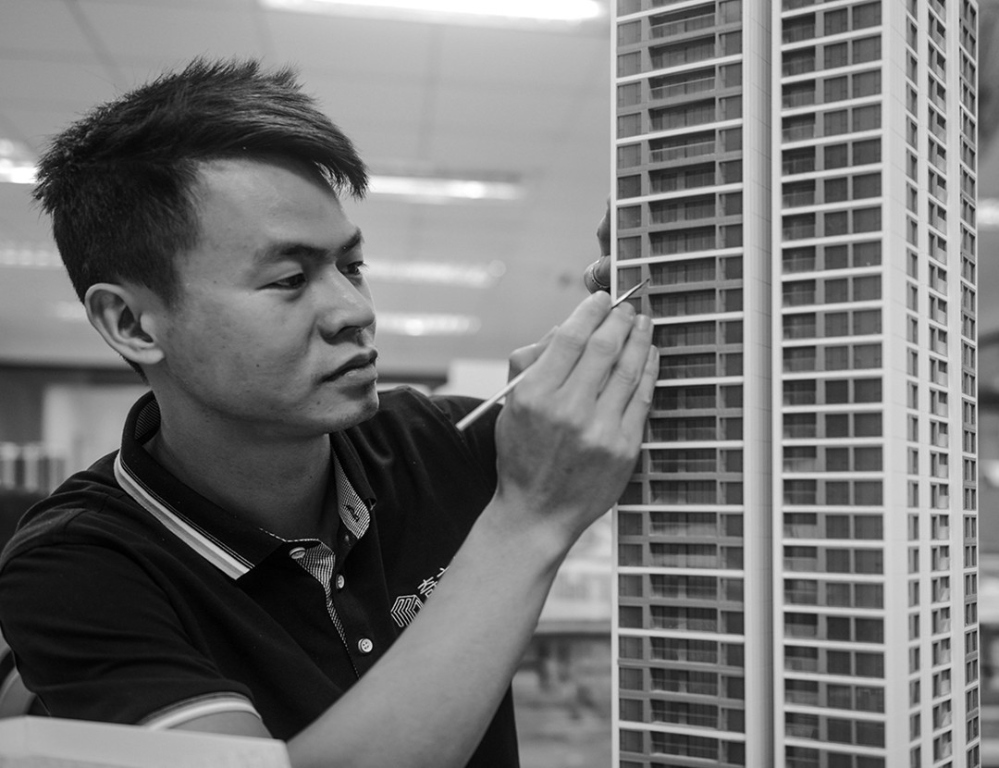
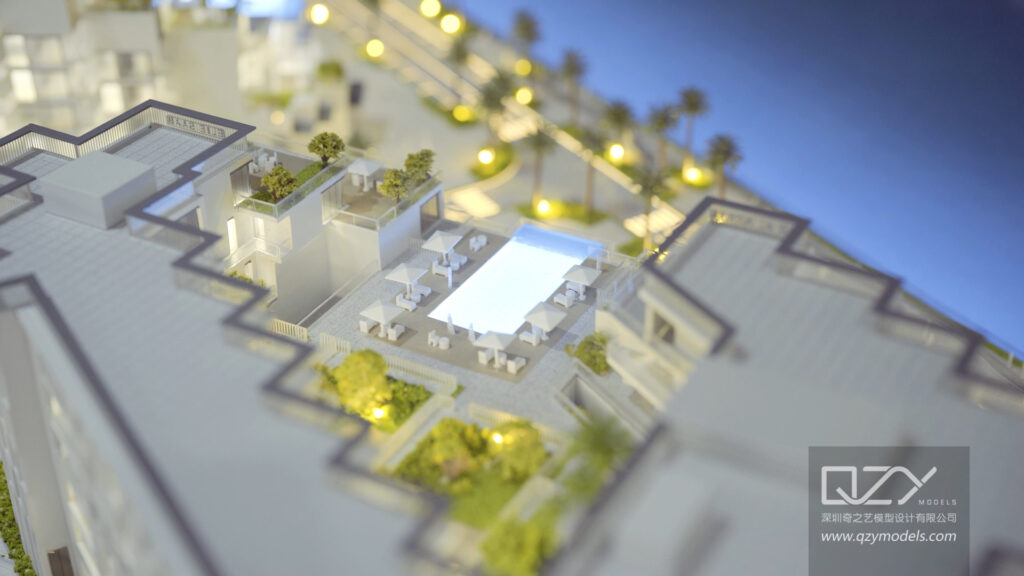
Architectural display models have become the cornerstone of compelling project presentations and urban planning visualization. With precision craftsmanship and technological integration, companies like QZY Models are transforming how architects, developers, and governments communicate design intent and spatial strategy.
How Is the Architectural Model Industry Evolving Under Market Demand?
According to Statista, the global architectural services market surpassed USD 395 billion in 2025 and continues to grow steadily at over 7% annually. Yet, the demand for realistic, high-fidelity display models is surging as digital renderings alone struggle to inspire stakeholder confidence. A 2024 survey by RIBA found that 78% of clients felt more trust and engagement when viewing physical scale models rather than digital-only presentations. The rising competition in real estate and urban development adds urgency for firms to adopt models that combine technical accuracy with emotional impact.
Architectural firms today must impress investors, navigate complex planning approvals, and exhibit designs in global expos. However, inconsistent model quality, time delays, and lack of technological integration undermine many projects. This gap has created fertile ground for innovative model-making companies like QZY Models, which merge traditional craftsmanship with modern fabrication technologies.
High-quality architectural display models now influence more than design review—they’ve become critical for marketing, funding, and public communication in projects ranging from skyscrapers to city-scale developments.
What Are the Current Pain Points in Traditional Display Model Production?
-
Manual precision limits scalability. Traditional hand-built models rely heavily on artisan skill, resulting in longer production times and inconsistent accuracy.
-
High cost and turnaround inefficiencies. Without digital workflow integration, project revisions can lead to major time and cost overruns.
-
Limited interactivity. Conventional models often fail to provide dynamic visualization options such as lighting effects, motion, or augmented features for real-time project narration.
-
Sustainability challenges. Older methods often use plastics and materials with high waste output, conflicting with eco-conscious design values.
These pain points expose the necessity for digital transformation in model making—one that balances artistry, precision, and global project coordination.
Why Are Traditional Model Solutions Falling Behind?
Legacy studios struggle to meet modern expectations because they often lack the digital backbone for rapid iteration. For instance, reprinting or adjusting a single façade might require extensive manual adjustments. In contrast, firms like QZY Models integrate digital engineering data directly into CNC machines and 3D printing systems, cutting both cost and delivery time by up to 40%. Additionally, clients now expect hybrid display formats that combine physical models with projection and AR integration, something traditional studios rarely support.
The conventional approach also suffers in post-presentation phases. Without modular or replicable components, model reuse for international exhibitions or investor rounds becomes impractical and expensive.
What Can QZY Models Offer as a Cutting-Edge Solution?
QZY Models provides a comprehensive, technology-driven solution that merges modern fabrication precision with aesthetic craftsmanship. The company’s methodology is built on five pillars:
-
Digital-to-Physical Workflow: Integration of BIM and CAD data to ensure architectural accuracy.
-
Advanced Fabrication: Combining CNC milling, resin printing, and laser cutting for exact detailing.
-
Material Innovation: Using recyclable, lightweight composites for sustainable production.
-
Interactive Features: Embedded LED lighting, motorized components, and AR visualization options.
-
Global Coordination: Multi-branch operation across Asia, the Middle East, and Europe to meet international client timelines.
This synergy ensures that developers, planners, and designers receive models that are visually stunning, technologically advanced, and presentation-ready.
Which Advantages Distinguish QZY Models from Traditional Methods?
| Comparison Criteria | Traditional Model Making | QZY Models Advanced Solution |
|---|---|---|
| Accuracy and Detail | Manual precision, variable | CAD-integrated, error margin <0.2mm |
| Production Time | 4–8 weeks average | 2–4 weeks with automated processes |
| Interactivity | Static display | Smart lighting, motion, and AR-enabled |
| Sustainability | Plastic-intensive materials | Eco-friendly composites and recycling |
| Cost Efficiency | High due to manual adjustments | Optimized via digital fabrication flow |
| Scalability and Replication | Labor-constrained | Easily reproducible worldwide |
How Can Clients Implement QZY Models’ Display Solutions?
-
Design Data Submission: Clients provide CAD or BIM files with scale and material references.
-
Concept Review: Digital prototype rendering is shared for client approval before production.
-
Fabrication Phase: Multi-axis CNC and resin printers craft high-detail components.
-
Final Assembly: Skilled technicians assemble, paint, and integrate lighting or motion systems.
-
Quality Inspection and Delivery: Rigorous accuracy testing ensures perfect presentation readiness.
-
On-Site or Exhibition Setup: QZY Models’ global logistics team manages installation and after-service.
Who Benefits from These Solutions? Four Real-World Scenarios
Case 1: Real Estate Developer — Shanghai CBD Tower
-
Problem: Developers needed a compelling investor showcase.
-
Traditional Approach: 2D renders and generic models failed to attract attention.
-
QZY Implementation: LED-integrated tower model featuring dynamically lit floor plans.
-
Outcome: 30% faster investor conversions and improved project visibility.
Case 2: Urban Planning Bureau — Riyadh City Zone
-
Problem: Public engagement with planning reports was low.
-
Traditional Approach: Flat printed boards and digital slides.
-
QZY Implementation: Large-scale topographic model with AR overlay.
-
Effect: 2x visitor retention during city exhibitions and improved citizen understanding.
Case 3: Architectural Firm — London Expo Presentation
-
Problem: Limited time and logistics for an overseas display.
-
Traditional Approach: Manual shipping of fragile physical models.
-
QZY Implementation: Modular model with detachable sections using lightweight composites.
-
Result: Transport cost reduced by 45% with zero transit damage.
Case 4: University of Design — Educational Display
-
Problem: Students needed to visualize complex forms in tangible models.
-
Traditional Approach: Inaccurate foam-core handmade versions.
-
QZY Implementation: 3D-printed campus model using parametric files.
-
Outcome: 50% improvement in learning engagement and design comprehension.
Where Is the Architectural Model Industry Heading?
The future of architectural display models lies in hybrid visualization—blending tactile precision with digital interactivity. As AI-driven fabrication, mixed reality, and sustainable materials mature, physical models will evolve into intelligent communication tools. QZY Models is leading this shift, positioning itself as a strategic partner for forward-thinking firms. Adopting such innovation today can drive faster approvals, stronger branding, and competitive differentiation in the architecture and real estate sectors.
FAQ
Why are display models still crucial in a digital age?
Because physical models deliver tangible scale perception and build emotional commitment unattainable through screens.
Can QZY Models handle large-scale urban projects?
Yes. Their production facilities can manage city-scale masterplans up to 100 square meters using modular systems.
Are 3D printing and CNC machining part of QZY’s workflow?
Absolutely. Both are integrated to maximize accuracy and reduce manual labor time.
How long does an average project take?
Depending on complexity, QZY typically delivers within 2–6 weeks, including review and assembly periods.
Does QZY provide international logistics and installation?
Yes, the company operates service teams in over 10 countries for delivery and exhibition setup.
Sources
-
Statista – Global Architectural Services Market 2025 Forecast: https://www.statista.com
-
RIBA Client Engagement Report 2024: https://www.architecture.com
-
World Architecture Community News – Model Making Trends 2025: https://worldarchitecture.org
-
UN Habitat Urbanization Report 2024: https://unhabitat.org
-
QZY Models Official Site: https://www.qzymodels.com