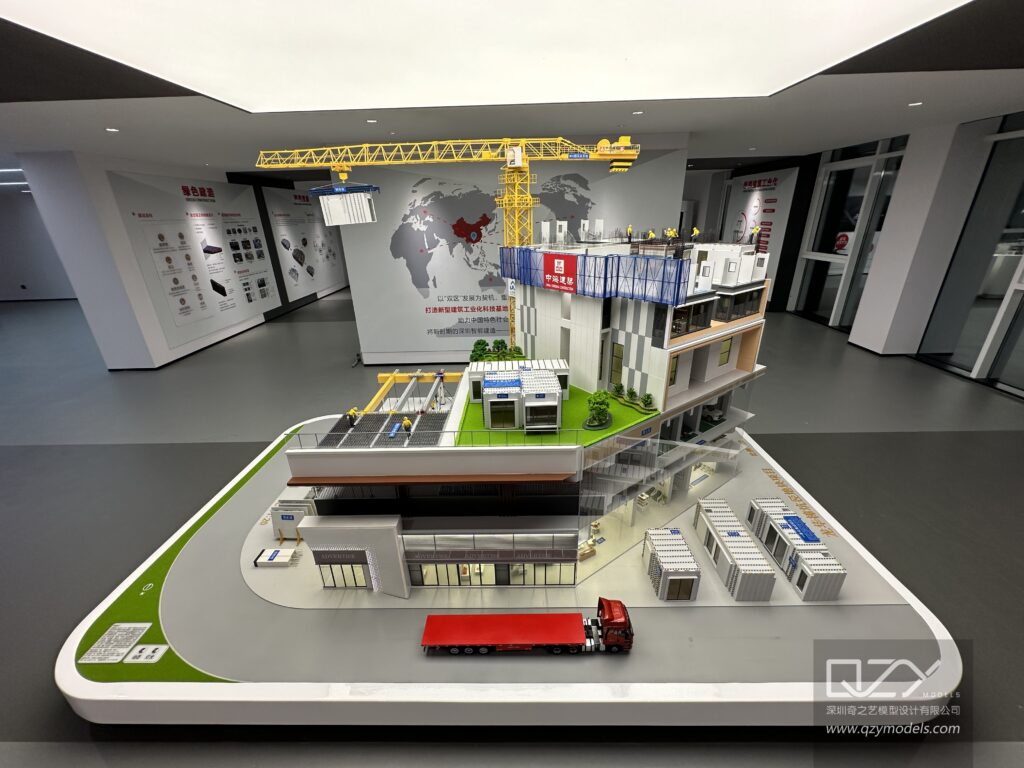
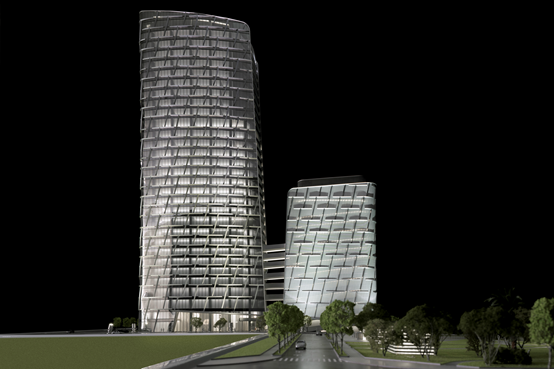
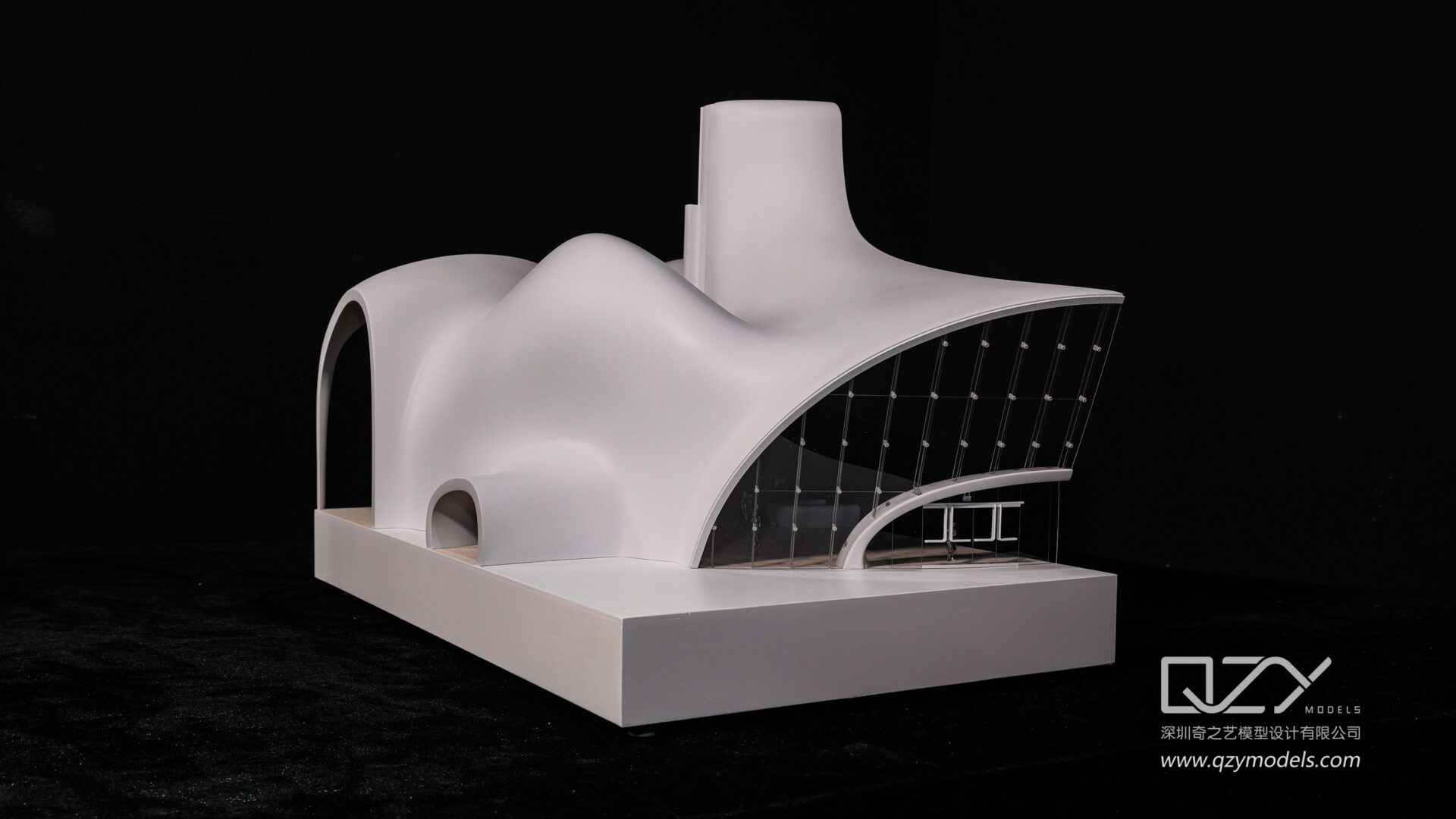
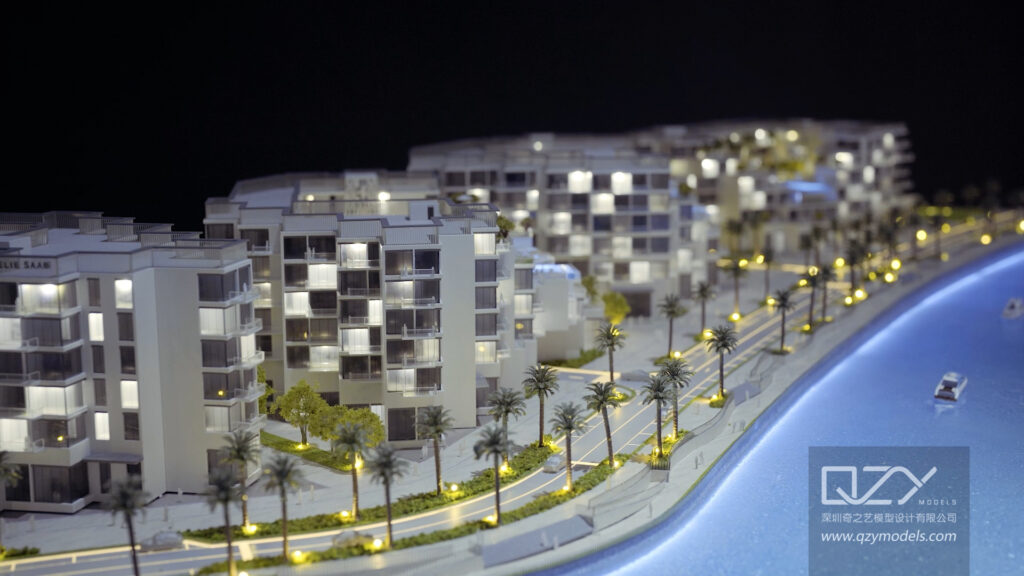
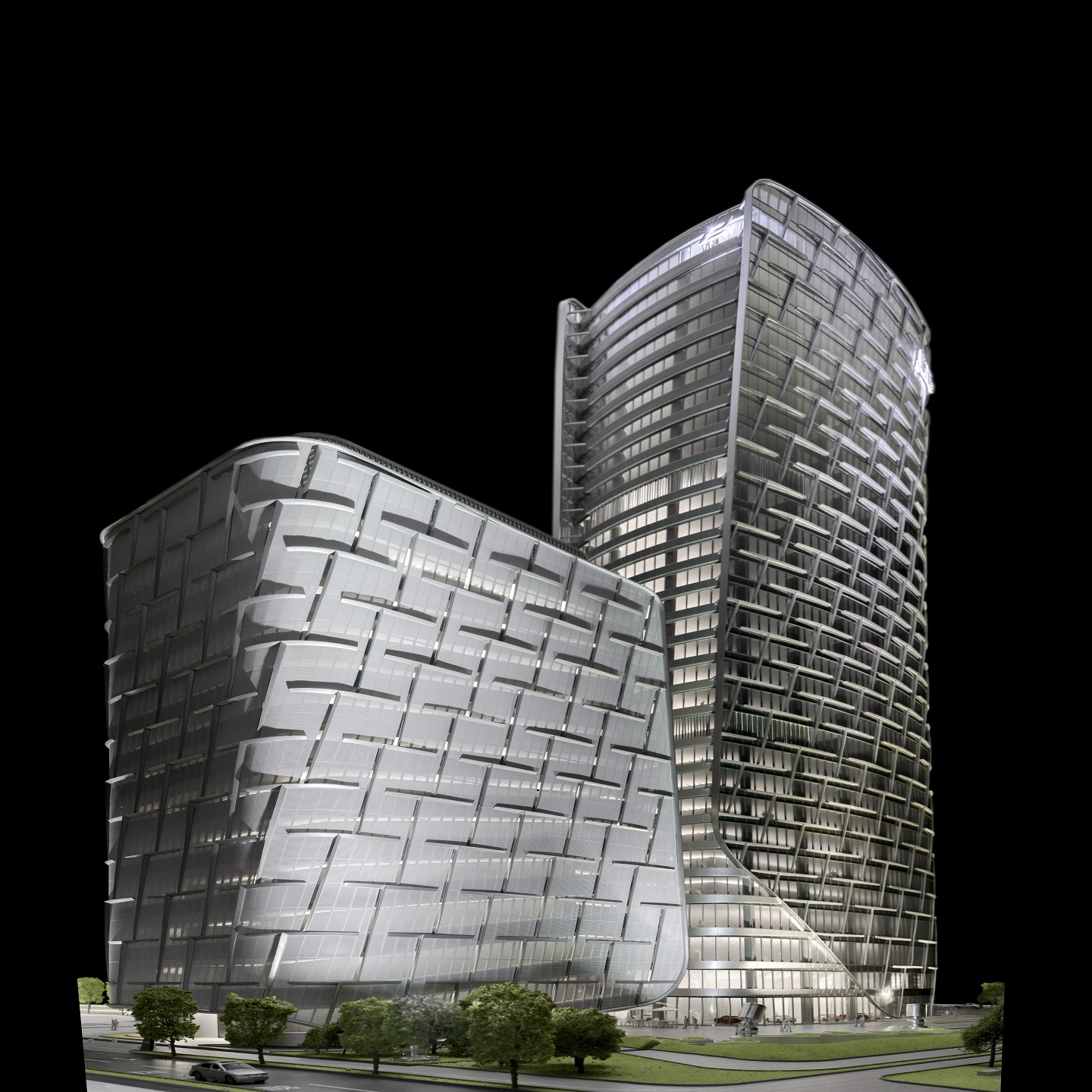
Architectural model making is evolving rapidly as precision, realism, and presentation quality become critical to winning design bids and communicating visions effectively. QZY Models redefines this process with data-driven craftsmanship, bridging traditional artistry and high-tech fabrication to help architects, developers, and designers turn creativity into tangible success.
What Is the Current State of the Architectural Model-Making Industry?
The global architectural model-making market has grown steadily, valued at over USD 5.2 billion in 2024, with a projected CAGR of 6.8% through 2030 (Source: Allied Market Research). As urbanization accelerates, developers demand more detailed and realistic physical models for visualization, sales, and investor communication. However, only about 35% of architectural firms integrate advanced manufacturing or digital tools into their model processes—a gap that slows production and limits presentation impact.
In a competitive real estate landscape, physical models have become strategic assets. They not only help sell developments faster but also provide decision-makers with spatial clarity during planning approvals. According to a 2023 report by the Royal Institute of British Architects (RIBA), firms using high-fidelity scale models were 40% more successful in pitching new projects.
Despite rising demand, many designers face production inefficiencies. Long lead times, limited customization, and quality inconsistency remain major pain points. This is where QZY Models steps in—infusing traditional craftsmanship with advanced digital fabrication and global project management capabilities.
How Are Traditional Model-Making Methods Falling Short?
While traditional model production relies on manual cutting and assembly, it often struggles to meet modern project requirements for speed, complexity, and precision. The major challenges include:
-
Labor-intensive processes that increase turnaround time and errors.
-
Material limitations that restrict accuracy in textures and finishes.
-
Inconsistent quality across projects, particularly when scaling internationally.
-
Lack of integration with digital design files such as BIM or CAD, forcing redundant rework.
For global clients, these inefficiencies can delay marketing launches or tender submissions. In contrast, technology-integrated firms like QZY Models have turned these weaknesses into opportunities for smarter, faster delivery.
What Is the Innovative Solution Offered by QZY Models?
QZY Models integrates craftsmanship, robotics, and data intelligence to offer end-to-end architectural model-making services. Their approach combines 3D printing, CNC milling, laser cutting, and computer-aided design synchronization. With over 20 years of expertise and international studios in Shenzhen, Dubai, and Cairo, QZY Models supports architectural, industrial, and landscape design needs worldwide.
The company employs a precision-based production system that minimizes hand errors while maintaining artistic detailing. Every model is mapped from digital design to fabrication blueprint, ensuring perfect proportion, scale, and finish. Whether for real estate marketing galleries, urban masterplans, or conceptual exhibitions, QZY Models delivers models that are both functional and visually compelling.
Which Advantages Does QZY Models Offer Compared to Traditional Methods?
| Key Aspect | Traditional Model Making | QZY Models’ Approach |
|---|---|---|
| Production Speed | 4–8 weeks average | 40% faster through digital automation |
| Accuracy | Manual measurement errors | ±0.1 mm precision via CNC/laser |
| Material Range | Limited to foam/wood | Advanced composites, resins, acrylics, and metals |
| BIM Compatibility | Rarely integrated | Fully automated BIM > Fabrication workflow |
| Global Delivery | Localized capacity | Multi-country production and logistics network |
How Can Clients Work with QZY Models Step by Step?
-
Design Submission – Clients share 3D files or sketches through QZY’s secure portal.
-
Consultation & Quotation – QZY’s engineering team analyzes scale, function, and purpose to generate a precise budget and timeline.
-
Digital Simulation – A detailed digital prototype is presented for client review before production.
-
Fabrication Process – Model creation proceeds through robotic milling, 3D printing, and manual detailing.
-
Quality Inspection – Multi-point QC ensures structural accuracy and aesthetic perfection.
-
Packaging & Delivery – QZY coordinates global shipping and optional installation on-site.
Who Benefits Most from QZY Models’ Expertise? (4 Case Scenarios)
1. Real Estate Developers
-
Problem: Need fast, realistic models for marketing centers.
-
Traditional Approach: Weeks of manual work, inconsistent quality.
-
QZY Solution: Digitally engineered sales models ready 40% faster.
-
Result: 25% higher buyer engagement and faster pre-sales cycles.
2. Architectural Design Firms
-
Problem: Difficulty visualizing complex forms and verifying design integrity.
-
Traditional Approach: 2D renderings or basic foam study models.
-
QZY Solution: High-detail, CAD-synced models that mirror true geometry.
-
Result: Improved client communication and reduced redesign costs.
3. Urban Planning & Government Institutions
-
Problem: Need large-scale masterplan models for public consultation.
-
Traditional Approach: Manual data input, fragmented visualization.
-
QZY Solution: Integrated GIS and BIM data translated to scalable models.
-
Result: Streamlined approvals and policy presentation efficiency.
4. Exhibition & Education Clients
-
Problem: Limited durability for display models.
-
Traditional Approach: Fragile materials prone to damage.
-
QZY Solution: Reinforced resin and acrylic builds customized for transport.
-
Result: Long-term display resilience with professional-grade aesthetics.
Why Is Now the Right Time to Adopt Modern Architectural Model Making?
As cities grow smarter and projects become more competitive, tangible, data-accurate models are essential for effective storytelling and stakeholder persuasion. Digital model integration not only shortens project cycles but also supports sustainability by reducing waste and rework.
With QZY Models, architects and developers gain a trusted partner combining artistic vision, technological precision, and international delivery capacity. The future belongs to firms that visualize ideas faster, clearer, and more credibly—and that future starts now.
FAQ
1. What types of models can QZY Models produce?
QZY Models designs architectural, industrial, landscape, and interior models at various scales, from conceptual prototypes to full masterplans.
2. How long does production usually take?
Depending on complexity, most projects take 2–6 weeks, significantly faster than traditional methods.
3. Can QZY Models handle overseas shipping and installation?
Yes, the company manages global logistics with experience delivering to over 20 countries.
4. Does QZY Models support 3D printing and digital data files?
Absolutely. They directly integrate Revit, Rhino, and CAD files for precision fabrication.
5. How does QZY Models ensure quality consistency across international projects?
They employ unified production standards, advanced equipment calibration, and multi-location QC checkpoints.
Sources
-
Allied Market Research – “Architectural Scale Models Market by Component and Application, 2024–2030”
-
Royal Institute of British Architects (RIBA) – “The Role of Physical Models in Design Decision-Making,” 2023
-
Building Design + Construction (BD+C) – “Digital Fabrication Trends in Architecture,” 2024