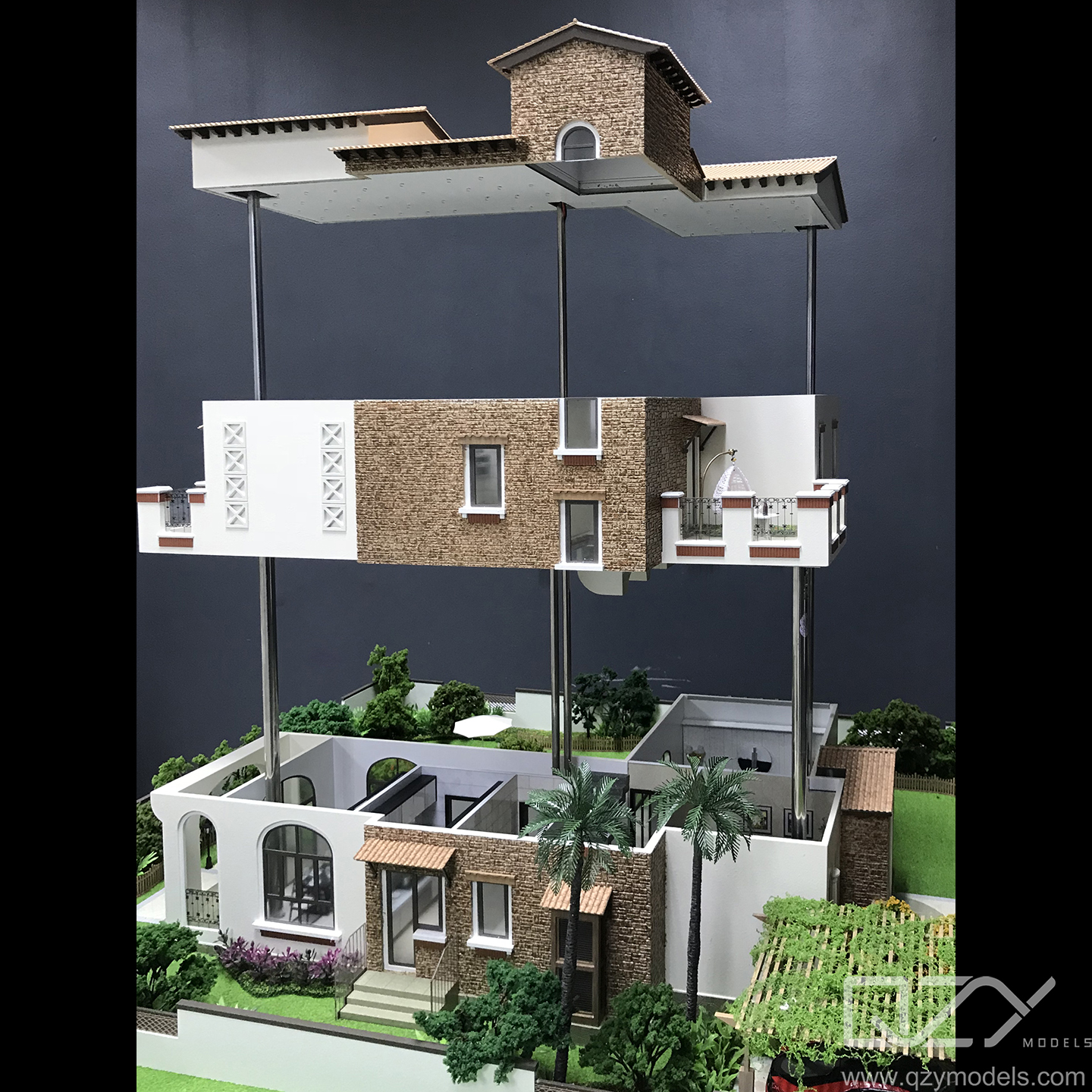
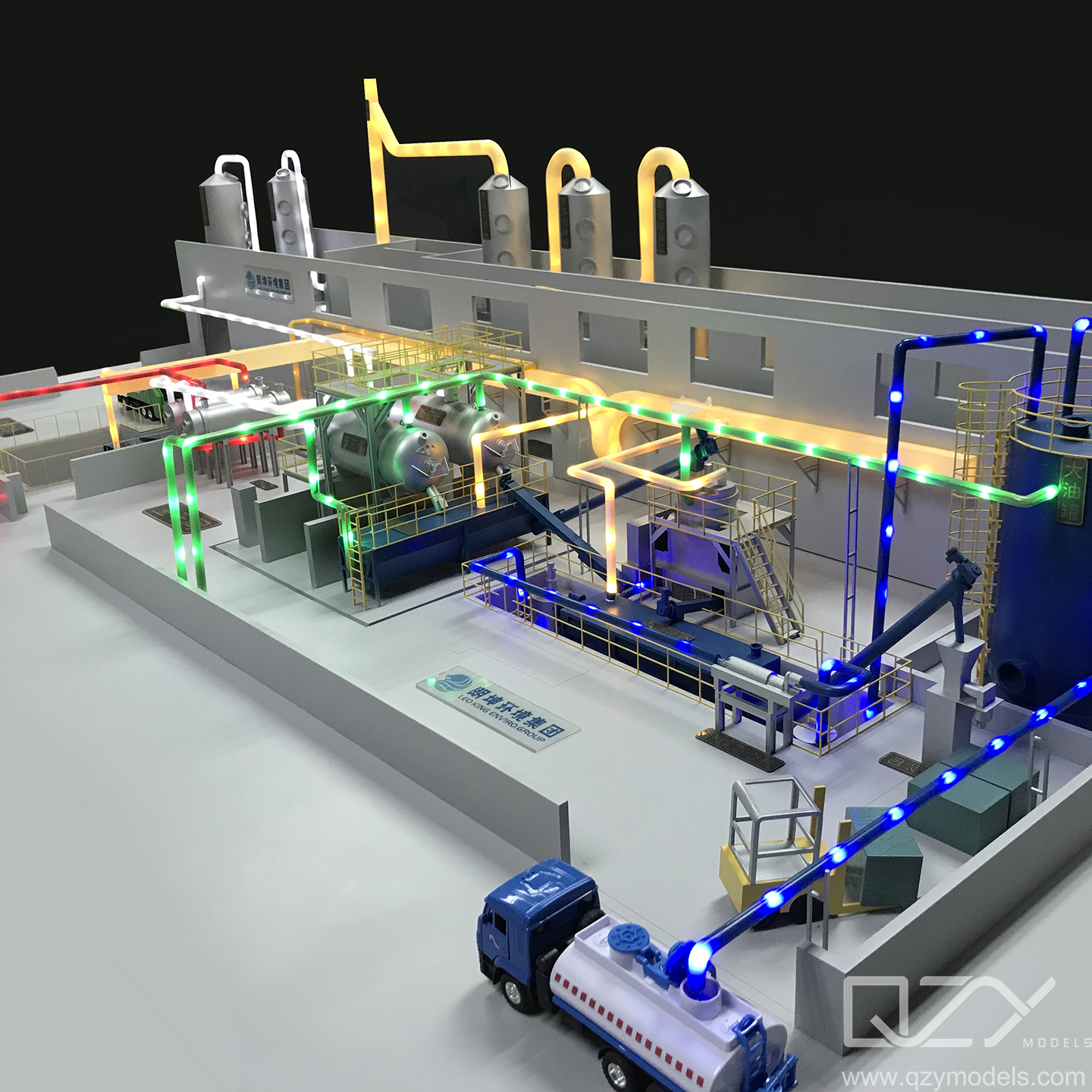
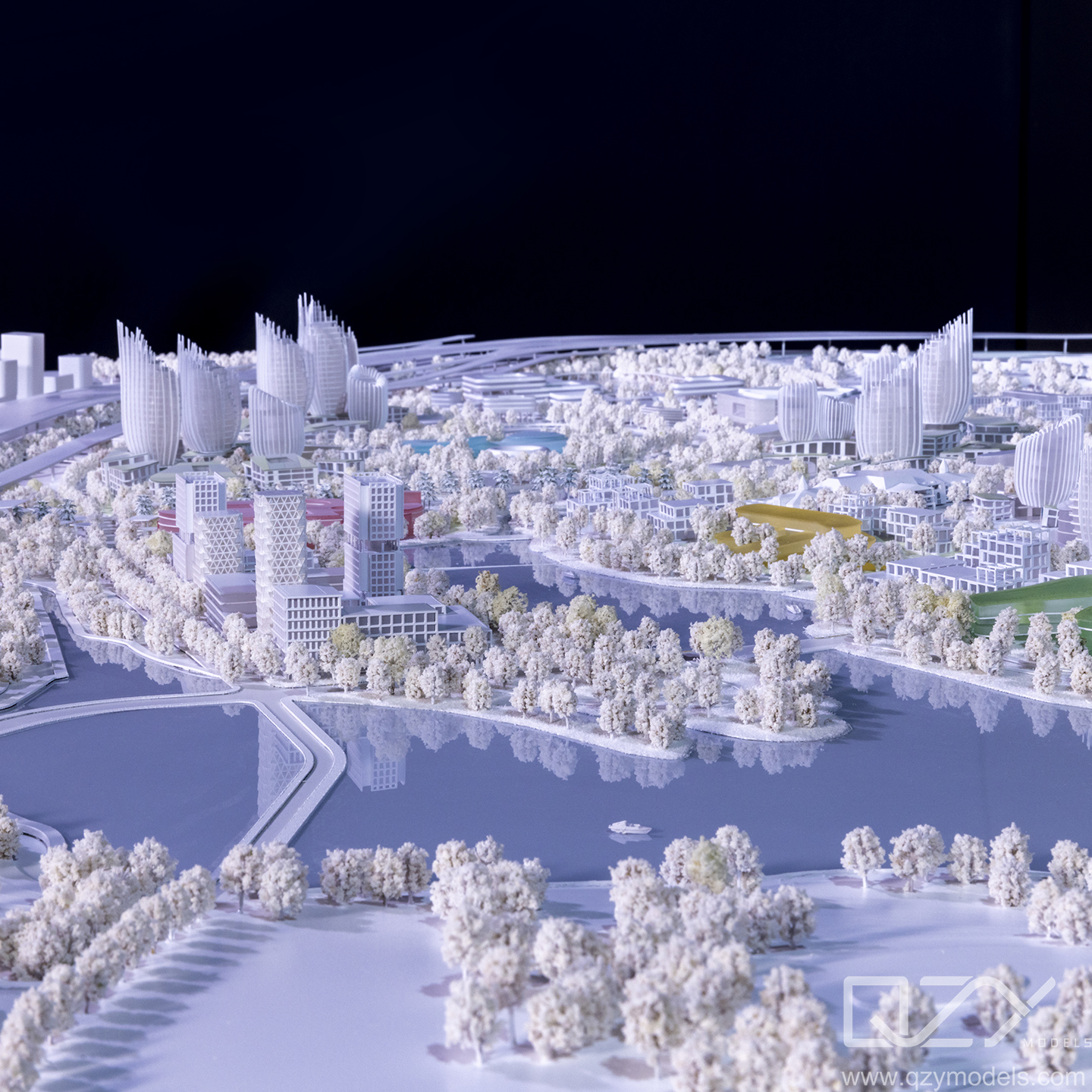
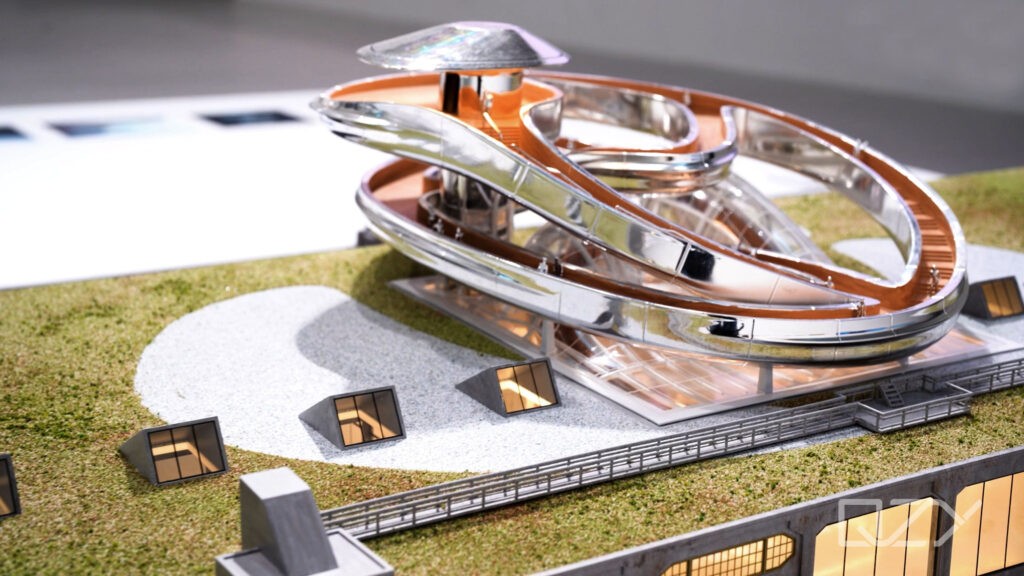
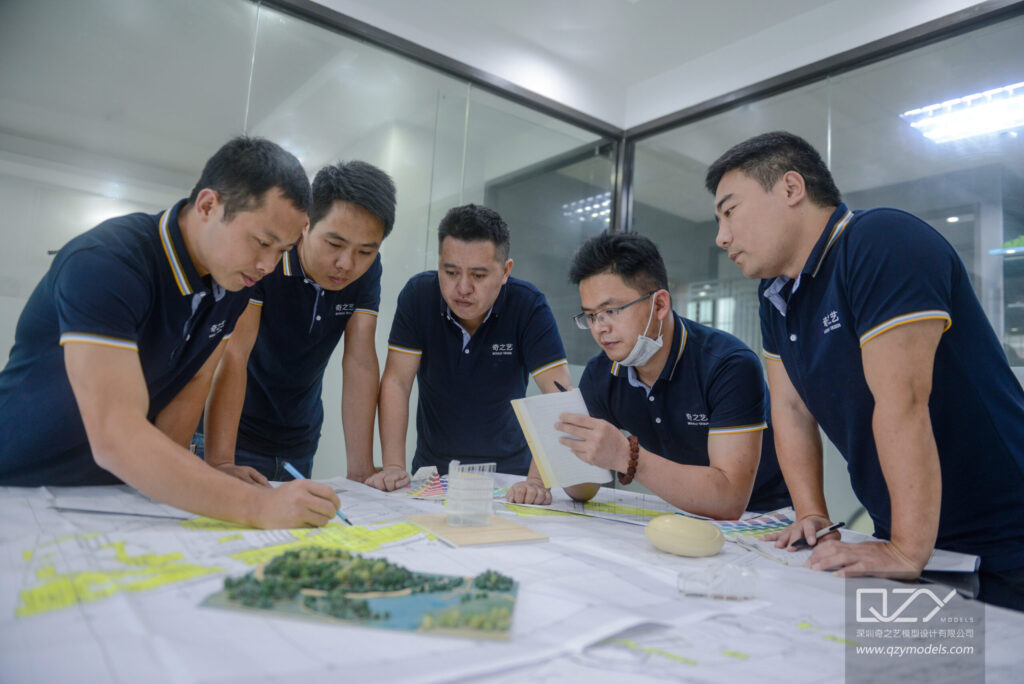
Architectural model solutions are transforming how architects, developers, and urban planners visualize their projects. QZY Models delivers innovation-driven, precision-built solutions that merge artistry with technology, ensuring faster delivery, flawless detail, and powerful visual storytelling for architecture professionals across the globe.
How Has the Architectural Model Industry Changed and What Challenges Persist?
The global architectural model market has become an integral part of the architectural presentation and real estate sectors, projected to reach USD 5.8 billion by 2030 with a CAGR of 7.4% according to Market Research Future. Yet, challenges persist: skyrocketing urbanization demands, shrinking project timelines, and the growing complexity of designs. Traditional physical modeling methods increasingly struggle to meet the precision and flexibility that today’s digital-driven industry requires. Research by the Royal Institute of British Architects reports that 68% of design teams experience delays in client approval processes due to lack of visualization clarity. These inefficiencies cost time, money, and opportunities—and signal a clear need for solutions that integrate advanced modeling technology, automation, and design collaboration. QZY Models steps in as a leader offering end-to-end architectural model solutions that meet these demands with unmatched accuracy.
What Are the Core Pain Points Affecting Traditional Architectural Model Creation?
Many firms still rely heavily on handcrafted model-making, which, while artistic, introduces risks of inconsistencies. Manual assembly leads to higher expenses, extended timelines, and limited scalability. Quality variation across teams also creates issues when managing global clients.
Traditional modeling typically lacks flexibility when adapting to late-stage design changes or client feedback. Revisions require re-fabrication, increasing cost and lowering morale.
Moreover, materials used—often restricted to basic acrylics and woods—cannot recreate the visual depth or detail of modern architectural designs. In a globalized design ecosystem, architectural firms need partners capable of blending creative craftsmanship with data-led precision, ensuring consistent results across continents.
Why Do Traditional Architectural Model Processes Fall Short Today?
Legacy model-making processes were never designed for digital synchronization. Most workflows remain detached from CAD, Revit, or BIM design systems, resulting in communication breakdowns between architect and fabricator. Future-focused architects now emphasize photorealistic, interactive physical models to attract investors and clients. Yet, the traditional approach cannot visualize lighting, environmental, or structural interactions effectively without modern integration. QZY Models solves these inefficiencies through its hybrid production model—combining automation with artisan detailing—and brings consistency from digital sketch to tangible showcase model.
What Defines the QZY Models Architectural Model Solution?
QZY Models, founded in Shenzhen in 2013, leads in architectural and industrial model manufacturing with global operations in the UAE, Saudi Arabia, and Egypt. Its architectural model solutions support professionals from conceptual design to full exhibition presentation. The brand’s service scope includes:
-
Digital pre-model planning integrating CAD, Rhino, and BIM data.
-
Multi-material fabrication using metal, resin, and composite compounds.
-
Automation with CNC and laser-cutting systems ensuring sub-millimeter accuracy.
-
Global project logistics offering international delivery and on-site installation.
Their models combine durability and aesthetic finesse, creating an immersive storytelling experience for architects, real estate developers, and exhibition curators alike.
Which Advantages Distinguish QZY Models’ Solution from Traditional Providers?
| Criteria | Traditional Model Approach | QZY Models Architectural Solutions |
|---|---|---|
| Production Efficiency | Manual; time-intensive | Automation reduces production by 40% |
| Design Integration | Poor link to digital planning tools | Fully integrated CAD/BIM workflow |
| Detail and Accuracy | Manual margin for error ±1mm | Precision accuracy ±0.1mm |
| Material Innovation | Basic wood/acrylic use | 50+ global-grade materials options |
| Delivery and Installation | Regional, limited logistical support | End-to-end global logistics |
| Scalability and Reproducibility | Inconsistent between batches | Digitally reproducible and quality assured |
How Can Firms Implement Architectural Model Solutions Efficiently?
-
Project Consultation: Submit architectural data for evaluation and scope clarification.
-
Digital Preparation: QZY Models translates design files into optimized digital renderings.
-
Material and Lighting Proposal: Clients select material palettes and lighting simulations.
-
Precision Manufacturing: Automated laser cutting, 3D printing, and artisan detailing commence.
-
Assembly and Testing: Every model passes through multi-tiered inspection phases.
-
Delivery and Client Review: The completed model ships globally, with optional on-site setup support.
What Are Four Practical Scenarios Demonstrating the QZY Models Solution?
1. Real Estate Exhibit Showcase
-
Problem: Developers lacked visually captivating models to attract investors.
-
Traditional Approach: Generic handmade miniatures failed to convey complexity.
-
With QZY Models: Detailed illuminated model displays project ecosystem dynamics.
-
Result: 50% faster investor engagement and improved marketing ROI.
2. Government Urban Planning Proposal
-
Problem: City planners struggled to communicate large-scale masterplans.
-
Traditional Approach: 2D maps and printed images misrepresented proportions.
-
With QZY Models: Accurate topographic 3D models enhanced visualization clarity.
-
Result: Smarter decision-making and increased public approval rates.
3. Architecture Competition Entry
-
Problem: Tight competition deadlines limited manual model preparation.
-
Traditional Approach: Inconsistent manual work led to incomplete submissions.
-
With QZY Models: Rapid digital-to-physical conversion delivered full-scale representation.
-
Result: Reduced preparation time by 35%, leading to higher competition success.
4. Education and Museum Display
-
Problem: Educational institutions required durable, illustrative displays.
-
Traditional Approach: Temporary foam models deteriorated quickly.
-
With QZY Models: Composite and acrylic builds enhanced durability and realism.
-
Result: Lifespan extended fivefold, increasing educational impact and exhibit value.
Why Is Adopting QZY Models’ Architectural Solutions Crucial for the Future?
The architectural visualization industry is converging toward automation, sustainability, and digital integration. 3D data models, smart fabrication, and interactive physical prototypes are becoming standard expectations for global clients. Firms embracing QZY Models’ innovative architectural model solutions now will gain competitiveness through reduced delivery times, higher presentation impact, and a proven record of quality assurance. As architecture increasingly intersects with digital manufacturing, the move toward integrated solutions like those of QZY Models isn’t optional—it’s imperative for continued growth and client trust.
FAQ
1. What types of projects does QZY Models support?
QZY Models provides architectural, landscape, industrial, and exhibition model solutions supporting multiple scales and functions.
2. How quickly can an architectural model be completed?
Depending on size and complexity, models typically take between 7–15 days from data submission to completion.
3. Does QZY Models provide lighting and dynamic effects?
Yes, interactive lighting, projection mapping, and motion elements can be integrated into the model design.
4. Can QZY Models handle international logistics and customs clearance?
Yes, QZY Models manages end-to-end global delivery, including customs, packaging, and installation.
5. How is quality maintained across all QZY Models hubs?
Through standardized digital workflows, centralized quality control, and expert oversight by their global technical teams.