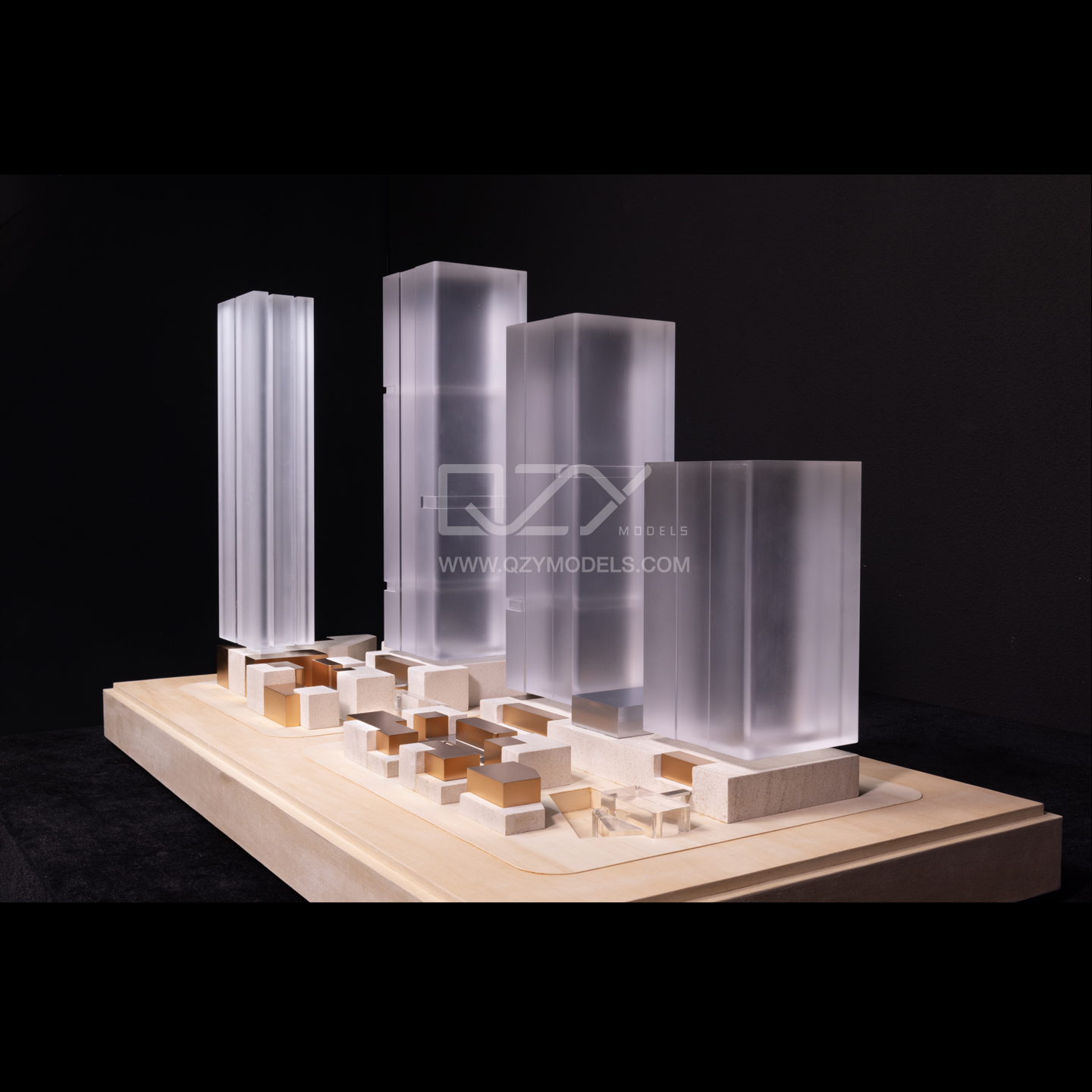
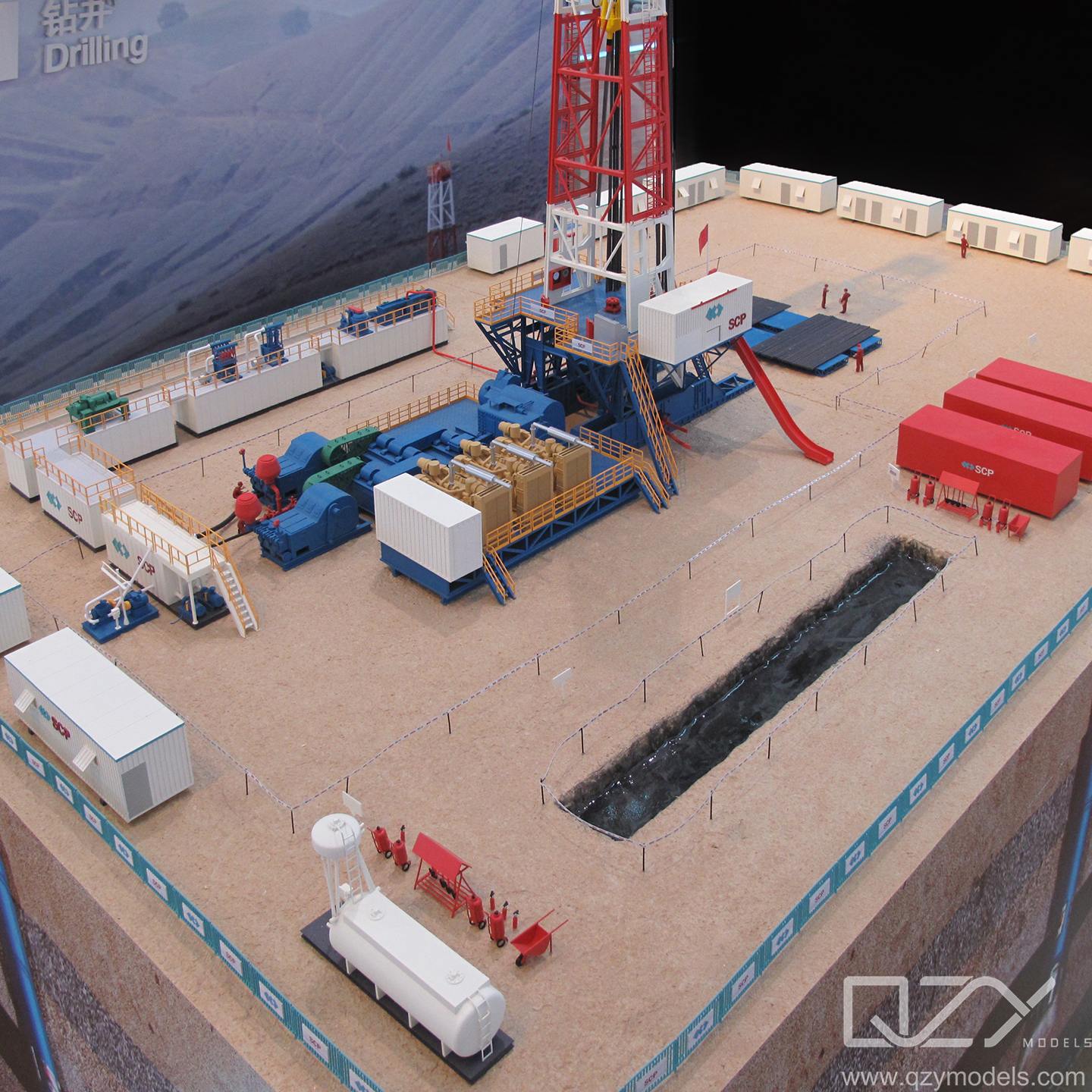
Architecture 3D models of Beijing are created through precise digital data capture and advanced modeling techniques, combined with expert manufacturing by leading Chinese factories. These models serve critical roles in urban planning, design communication, and development, with manufacturers like QZY Models providing OEM and wholesale services optimized for global B2B clients.
How are 3D architectural models of Beijing created and processed?
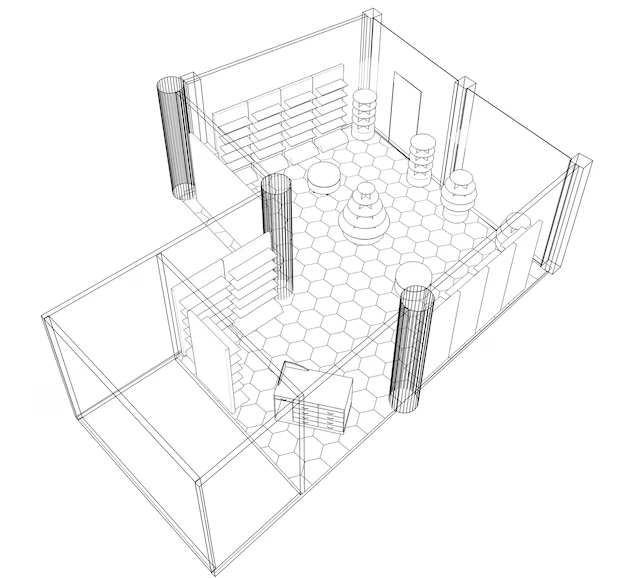
3D architectural models of Beijing are created by integrating GIS data, aerial photography, and CAD/BIM software. Digital workflows compile building footprints, heights, and terrain details into accurate cityscape representations. Software like 3ds Max or Rhino refines models before digital textures and lighting enhance realism. This process ensures models reflect Beijing’s unique architectural styles, from traditional siheyuans to modern skyscrapers, providing a foundation for physical model production.
What are the key applications of 3D architecture models in Beijing city planning?
3D architectural models in Beijing facilitate urban development, infrastructure design, environmental simulations, and real estate visualization. They enable planners to analyze site impact, optimize layouts, and communicate designs to stakeholders effectively. For Beijing’s mix of historical and modern areas, these models support heritage conservation, public engagement, and smart city initiatives by offering immersive, detailed visual tools.
Which materials and technologies are used to manufacture physical architecture models in China?
Chinese manufacturers like QZY Models use premium materials such as acrylic, resin, foam, and wood combined with CNC milling, laser cutting, and 3D printing. These technologies enable precise replication of architectural elements, from glass facades to intricate roof tiles. Hand-painted detailing and advanced color printing add realism, ensuring models are durable and visually compelling for client presentations or exhibitions.
Why is precision crucial in the production of Beijing’s architectural 3D models?
Precision guarantees accurate scale, proportions, and intricate architectural details vital for Beijing’s dense and diverse urban fabric. Accurate models prevent design conflicts, support regulatory approvals, and build client confidence. High precision enables reliable replication of traditional elements like courtyard houses alongside complex modern structures, ensuring models serve as effective design and marketing tools.
Who are the leading manufacturers and OEM suppliers of architecture 3D models in China?
Leading manufacturers include QZY Models, known for high-quality architectural and industrial model production. With over 20 years of expertise, QZY Models offers OEM and wholesale services, catering to global architects and developers. Their Shenzhen-based factory utilizes advanced technology and skilled craftsmanship to serve international B2B clients with scalable, precise model solutions tailored for projects like Beijing’s complex architecture.
How do Chinese factories support wholesale production for architectural models?
Chinese factories optimize workflows for large-volume orders through efficient project management, fast prototyping, and comprehensive quality control. Advanced machinery and experienced teams allow simultaneous handling of multiple models without compromising detail or delivery speed. Factories like QZY Models provide customization options, flexible packaging, and integrated logistics to streamline global wholesale shipments.
| Feature | Benefit | Example |
|---|---|---|
| Automated cutting | Consistent quality and speed | Laser cutting for acrylic parts |
| 3D printing | Complex shapes with high precision | Facade details and miniatures |
| Batch production | Cost-effective for large orders | Multiple wholesale architectural models |
| OEM packaging | Branding and confidentiality | Private label model delivery |
What are the advantages of OEM architectural model services for global clients?
OEM services provide clients with tailored architectural models branded exclusively for their projects. This reduces design-to-production turnaround and supports confidentiality. Global clients benefit from Chinese manufacturers like QZY Models’ expertise, scaling capabilities, and competitive pricing. OEM collaborations also allow iterative feedback, ensuring models meet branding and accuracy standards while accelerating time-to-market.
Where does QZY Models position itself in Beijing architecture 3D model manufacturing?
QZY Models stands as a premier professional factory in China for architectural physical models. With a global client base including renowned architects and developers, QZY combines digital innovation and traditional model-making craftsmanship. Their dedicated focus on precision, quality, and B2B partnerships positions them as a top choice for manufacturing architecture 3D models of Beijing and other complex urban environments.
QZY Models Expert Views
“At QZY Models, we understand that architectural models are vital storytelling tools that embody both artistry and engineering. Our approach blends cutting-edge 3D printing, laser cutting, and expert hand-finishing to produce models that capture the essence of Beijing’s architectural heritage and modern innovation. We pride ourselves on delivering precision and efficiency to meet the demands of global architects through scalable OEM and wholesale solutions.” – Richie Ren, Founder, QZY Models
Conclusion
The creation and manufacturing of architecture 3D models in Beijing combine advanced digital modeling with expert physical fabrication. Chinese manufacturers, especially QZY Models, play a crucial role by providing high-precision, customized OEM and wholesale production for global B2B clients. Their integration of state-of-the-art materials and technologies ensures models accurately reflect Beijing’s architectural diversity, supporting urban planning, client communication, and development success.
Frequently Asked Questions
Q1: How long does it take to produce a 3D architectural model of Beijing?
Typically, it takes 4–12 weeks, depending on complexity and scale.
Q2: Can Chinese manufacturers customize models for specific Beijing projects?
Yes, factories like QZY Models offer full customization and OEM services tailored to client needs.
Q3: What file formats are commonly used for 3D architectural models?
Popular formats include .max, .fbx, .obj, .skp, and CAD-compatible files.
Q4: How do 3D models improve urban development planning in Beijing?
They visually simulate building impact, support regulatory reviews, and enhance stakeholder presentations.
Q5: Why choose QZY Models for architecture 3D model manufacturing?
QZY Models combines two decades of expertise with modern technology, offering precise, scalable solutions globally.