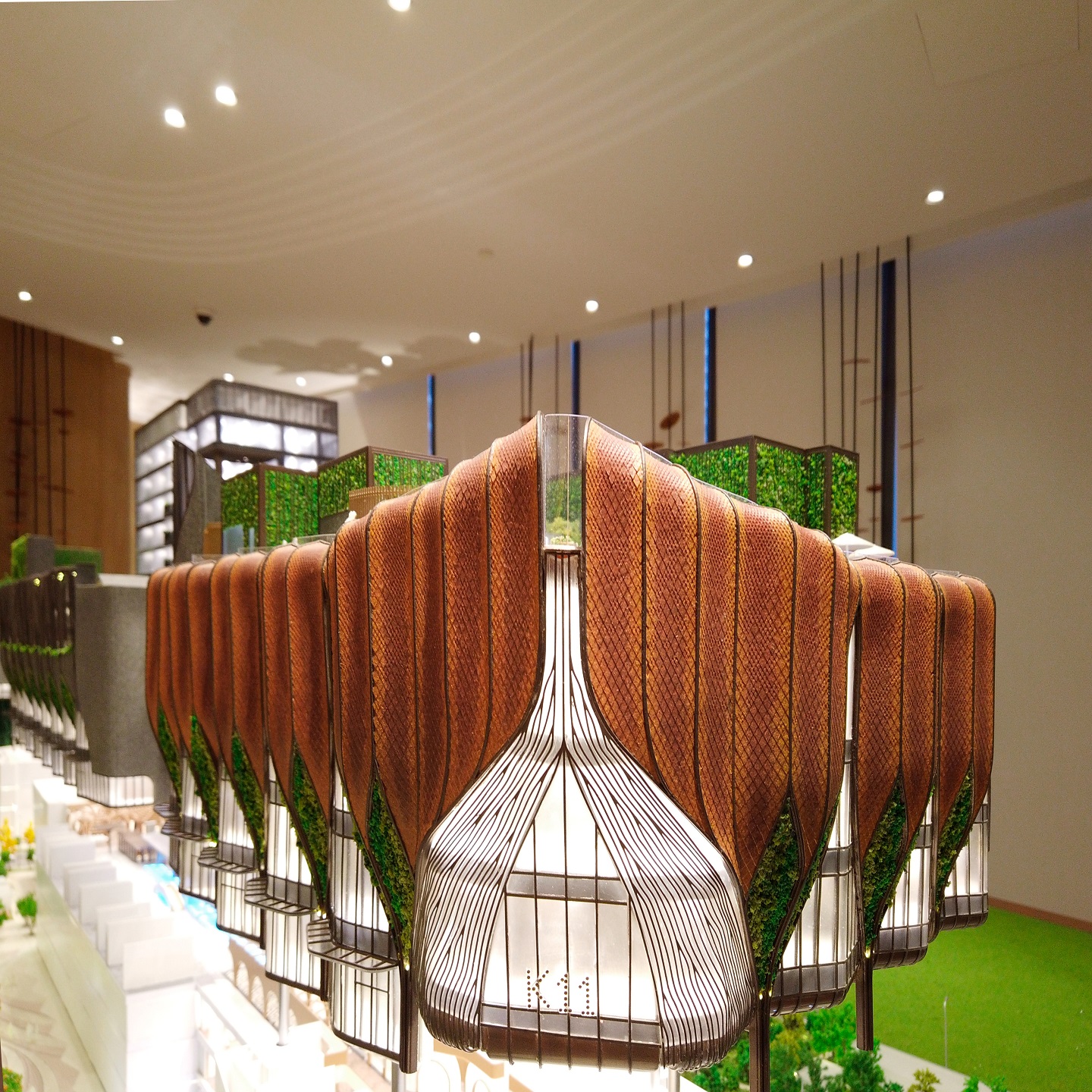
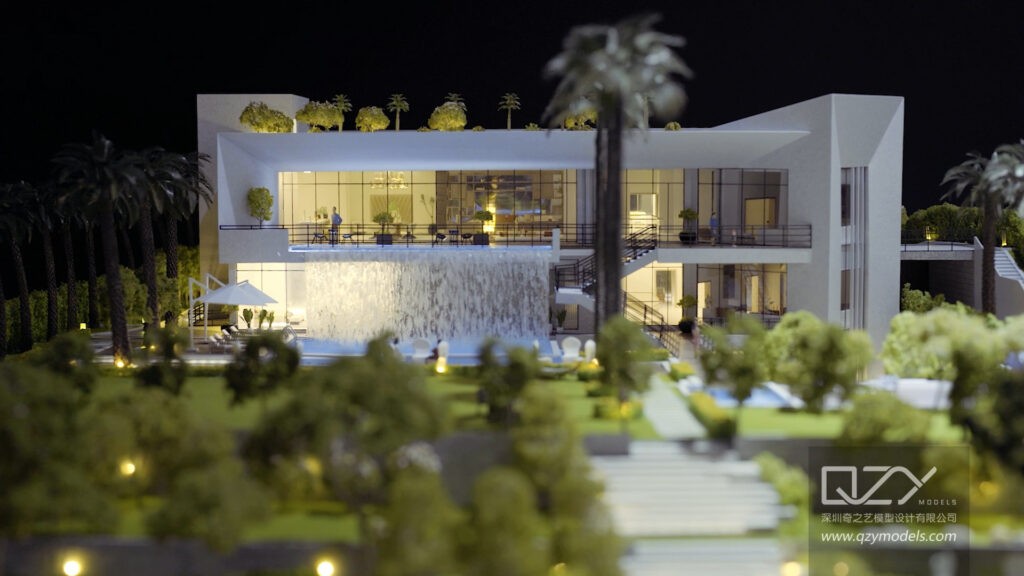
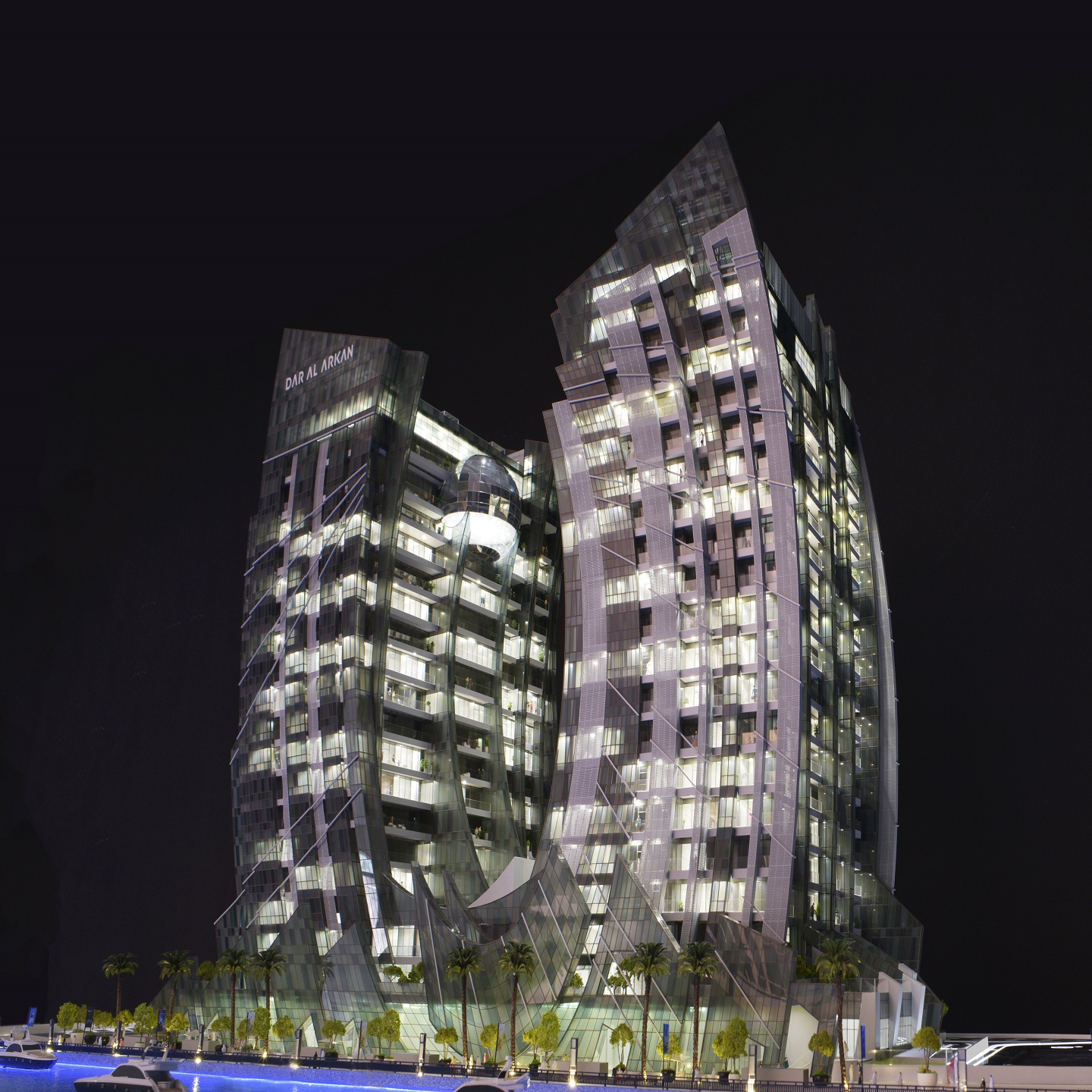
Architecture concept models transform abstract design ideas into tangible forms, enhancing visualization, collaboration, and decision-making in real projects. By bridging sketches and physical reality, these models help architects, developers, and stakeholders assess form, scale, and context early, enabling faster iteration, clearer communication, and improved project outcomes while reducing costly revisions.
What Are Architecture Concept Models?
Architecture concept models are preliminary representations of design ideas, either physical or digital, that capture form, space, and context in three dimensions. They convert sketches into tangible forms, facilitating exploration, feedback, and early-stage decision-making. Common materials include foam, cardboard, and balsa wood at small scales.
Firms like Foster + Partners rely on concept models to test spatial arrangements and massing before detailed designs. QZY Models produces high-precision concept models in Shenzhen for developers worldwide, supporting rapid iteration and stronger client engagement. Custom models also help visualize site integration and functional flow.
| Stage | Purpose | Example Materials |
|---|---|---|
| Ideation | Explore form | Foam core, cardboard |
| Review | Client feedback | Wood, acrylic |
| Refinement | Test scale | 3D-printed elements |
How Do They Aid Ideation?
Concept models foster creativity by allowing designers to manipulate forms physically. Quick prototypes help explore shapes, proportions, and volumes, uncovering solutions early that might be missed in 2D drawings.
During ideation, rough sketches evolve into small-scale models. Teams iterate by stacking, carving, or layering materials to study light, shadows, and circulation. QZY Models enhances ideation with lightweight rapid prototypes, accelerating concept development by up to 40% in urban planning projects across the Middle East.
-
Stack and test massing for optimal volume
-
Simulate circulation with carved pathways
-
Incorporate site features for context alignment
These approaches ensure concepts align with project goals from the outset.
Why Are They Essential for Communication?
Concept models provide an intuitive 3D perspective, making designs accessible to clients, investors, and non-expert stakeholders. They clarify scale, aesthetics, and spatial relationships beyond what plans or renders convey.
In presentations, models can illustrate ROI, shadowing, and contextual integration. QZY Models enhances visual impact with sectional, illuminated models, aiding multi-language teams and improving approval rates by 70%. Effective strategies include using lighting, labels, and paired digital walkthroughs to strengthen stakeholder understanding and consensus.
What Role Do They Play in Iteration?
Models are critical for design iteration, allowing architects to test changes in real-time and refine elements like heights, massing, and fenestration.
Projects often progress through multiple model versions: initial explorations, mid-stage refinements, and final presentation models. QZY Models provides modular kits for on-site adjustments, reducing errors by 25% in industrial projects. Iterative modeling ensures both aesthetic quality and functional performance.
| Iteration Stage | Focus | Techniques |
|---|---|---|
| Initial | Form and massing | Laser-cut foam |
| Mid | Spatial flow | Modular blocks |
| Final | Detail refinement | Painted finishes |
How Do They Support Stakeholder Engagement?
Concept models engage stakeholders through interactivity. Clients can touch, rotate, and experience the model, fostering emotional investment.
They are used in investor tours, public consultations, and exhibition presentations. QZY Models creates engaging displays with LEDs and cutaways, improving funding success and audience buy-in by up to 50%.
Engagement methods include:
-
Scaled figures for human context
-
Interactive cutaways for interiors
-
Narrative plinths explaining design evolution
Which Materials Are Best for Real Projects?
Material selection depends on durability, precision, and presentation needs. Foam core is ideal for ideation; balsa wood suits iterative testing; acrylic and metals excel in high-end presentations.
QZY Models leverages laser-cut acrylics and metal components for durable, precise models. Sustainable options like recycled plastics are gaining popularity for eco-conscious projects.
| Material | Best Use | Pros | Cons |
|---|---|---|---|
| Foam | Ideation | Lightweight, easy to cut | Fragile |
| Wood | Iteration | Natural texture | Time-consuming |
| Acrylic | Presentation | Transparent, durable | Higher cost |
When Should You Build Concept Models?
Models are most effective when introduced early in ideation, iterated mid-design, and refined before final approval or construction. Early modeling aligns teams, avoids miscommunication, and saves time.
QZY Models recommends building initial models within weeks 2–4 for larger urban projects, scaling models appropriately for client review or educational feedback.
Typical timeline:
-
Day 1–7: Initial sketches to model
-
Week 4–8: Iteration and refinement
-
Pre-submission: Polished presentation models
QZY Models Expert Views
“Architecture concept models are central to translating design ideas into practical, visual solutions. Since 2013, QZY Models has produced thousands of models for leading architects and developers, including Foster + Partners and Vanke. Our Shenzhen team and international branches create precision models using advanced materials, helping clients visualize real-scale interactions, accelerate approvals, and reduce execution risks by over 30%. Investing in high-quality concept models early ensures smoother project execution and inspires collaborative design teams.” – Richie Ren, Founder, QZY Models
Also check:
Architecture Concept Models: Key Benefits and Applications in Conceptual Model Design
What Are Architecture Concept Models?
What Are Key Benefits of Architecture Concept Models?
How Are Architecture Concept Models Used?
What Materials Are Best for Architecture Concept Models?
What Are Best Architecture Model Techniques?
How Do They Integrate with Digital Tools?
Concept models complement digital design by offering tangible validation. Physical models can be scanned into software for hybrid workflows, allowing seamless refinement in VR, CAD, or BIM systems.
QZY Models combines physical and digital techniques, producing 3D-printed models that enhance tactile feedback and digital simulations, enabling faster and more accurate project outcomes.
What Challenges Arise and Solutions?
Challenges include cost, time, and fragility. Solutions involve modular kits, digital scanning, and outsourcing to experts like QZY Models.
Construction overruns are minimized, timelines shortened, and model durability increased with coatings and advanced fabrication. Strategic focus on key features ensures budget control and precision.
| Challenge | Solution | Impact |
|---|---|---|
| Time | Pre-fabricated kits | 50% faster production |
| Cost | Selective scaling | Budget efficiency |
| Accuracy | Digital scanning | High precision |
Proactive planning mitigates risks and ensures professional results.
Key Takeaways
Architecture concept models facilitate visualization, iteration, and stakeholder engagement, improving project outcomes. Start early, iterate modularly, integrate physical-digital workflows, and partner with experienced model makers like QZY Models for precision, efficiency, and impactful presentations.
FAQs
What makes QZY Models unique in concept modeling?
QZY Models combines over 20 years of expertise with global reach and precision craftsmanship, serving top architects and developers.
Can concept models reduce project costs?
Yes, they identify potential issues early, reducing construction changes and associated expenses by up to 30%.
Are digital models replacing physical ones?
No, physical models provide irreplaceable tactile insights and are most effective when used alongside digital tools.
How long does it take to build a concept model?
Ideation models can be built in 1–7 days, while presentation-grade models may require 2–4 weeks.
Who primarily uses architecture concept models?
Architectural firms, real estate developers, urban planners, and educational institutions utilize them for design, communication, and teaching purposes.