A data-driven transformation is reshaping how developers, architects, and investors plan and market commercial complexes. High-precision physical models by companies like QZY Models are empowering better spatial understanding, faster approvals, and more persuasive investor presentations.
What Is the Current State and Challenge of the Commercial Complex Industry?
Global urban development has accelerated, with commercial real estate investment reaching USD 1.6 trillion in 2024, a 7% year-on-year rise according to CBRE Global Market Outlook. Yet, more than 60% of projects face prolonged planning cycles due to miscommunication between designers, investors, and stakeholders. In China, for example, large-scale mixed-use developments struggle to translate digital renderings into spatial experiences that clients can easily grasp—slowing decisions and increasing risks. Developers also face growing investor scrutiny amid rising construction costs and environmental demands. Stakeholders now need solutions that make complex ideas tangible, intuitive, and emotionally persuasive. In this context, architectural model production has evolved from a display accessory to a strategic decision-making tool. Precision-built commercial complex models serve as both marketing assets and design validation tools—bridging perception gaps between disciplines.
Why Are Traditional Visualization Solutions Losing Effectiveness?
Traditional digital renderings, slides, and blueprint-based walkthroughs often fail to convey spatial proportion, light interaction, and material texture. Static 3D visualizations can appear abstract to non-technical audiences, and VR or AR solutions, while innovative, depend heavily on screen-based viewing and equipment quality. For investors or municipal authorities reviewing large urban projects, tactile experience remains irreplaceable. Moreover, digital-only tools rarely synchronize perfectly with data accuracy from engineering teams, leading to inconsistencies between concept design and real-world structure. In marketing exhibitions, the absence of physical models diminishes engagement and limits storytelling potential—especially for large-scale projects demanding an emotional impression.
How Do QZY Models Provide a Modern Solution for Commercial Complex Visualization?
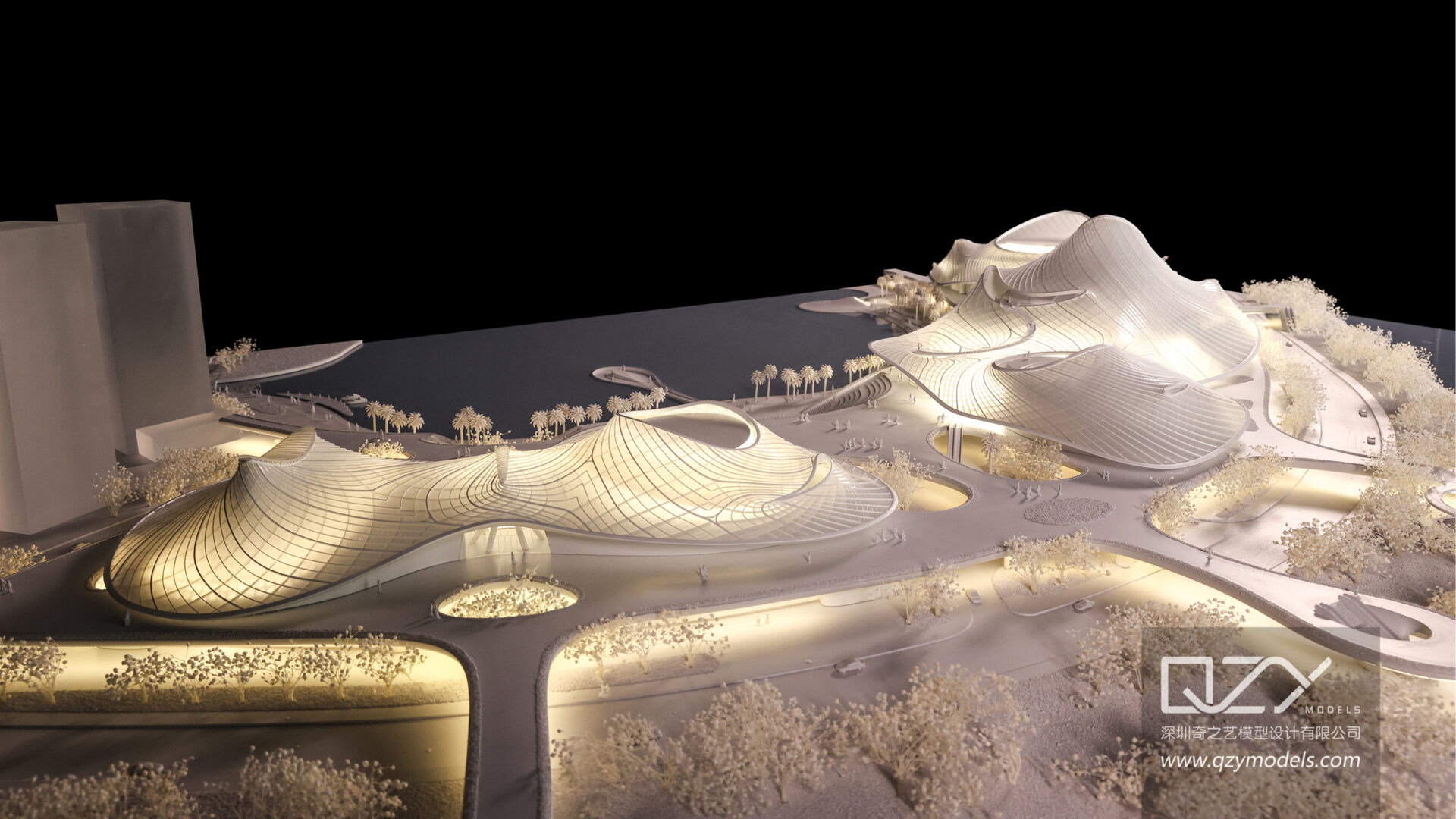
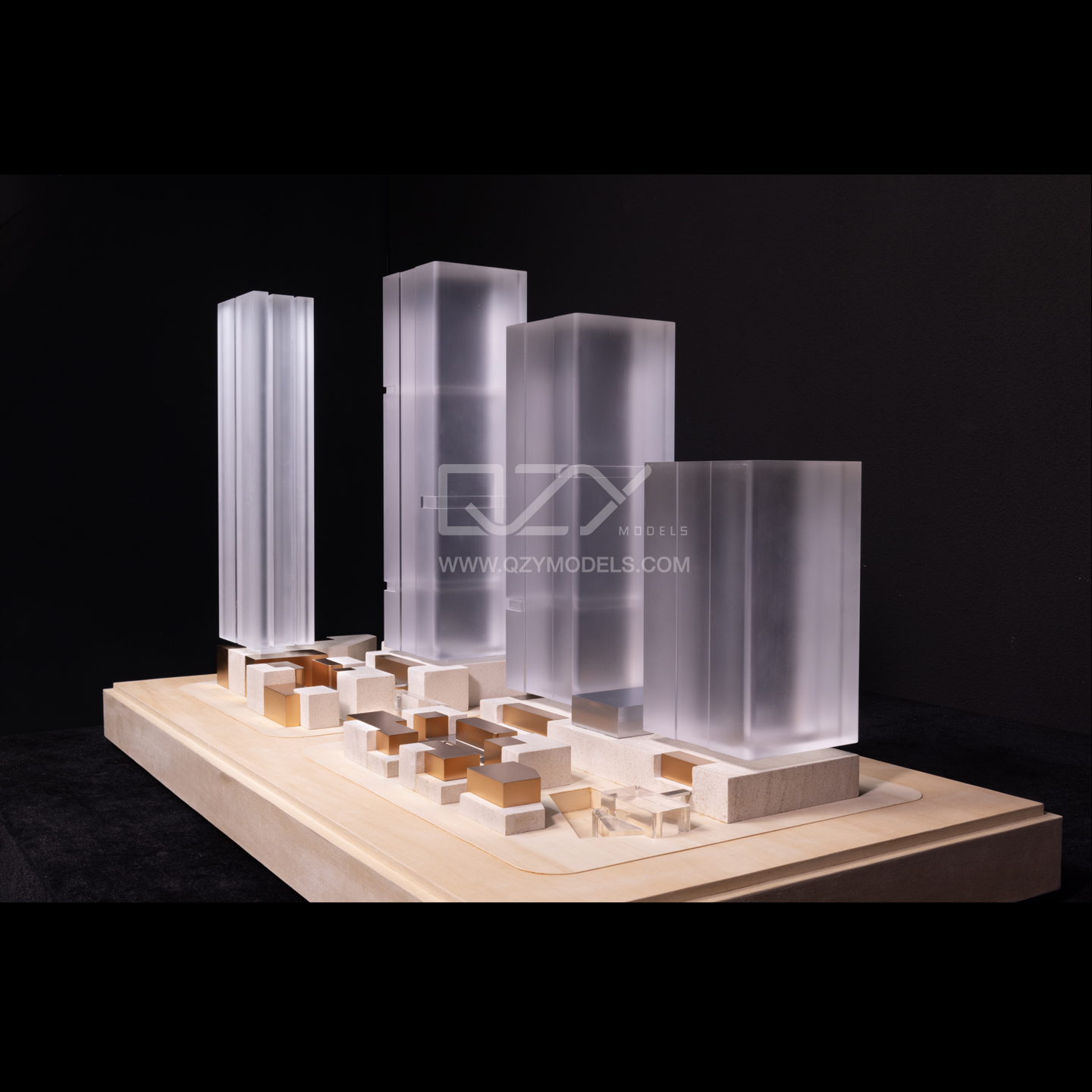
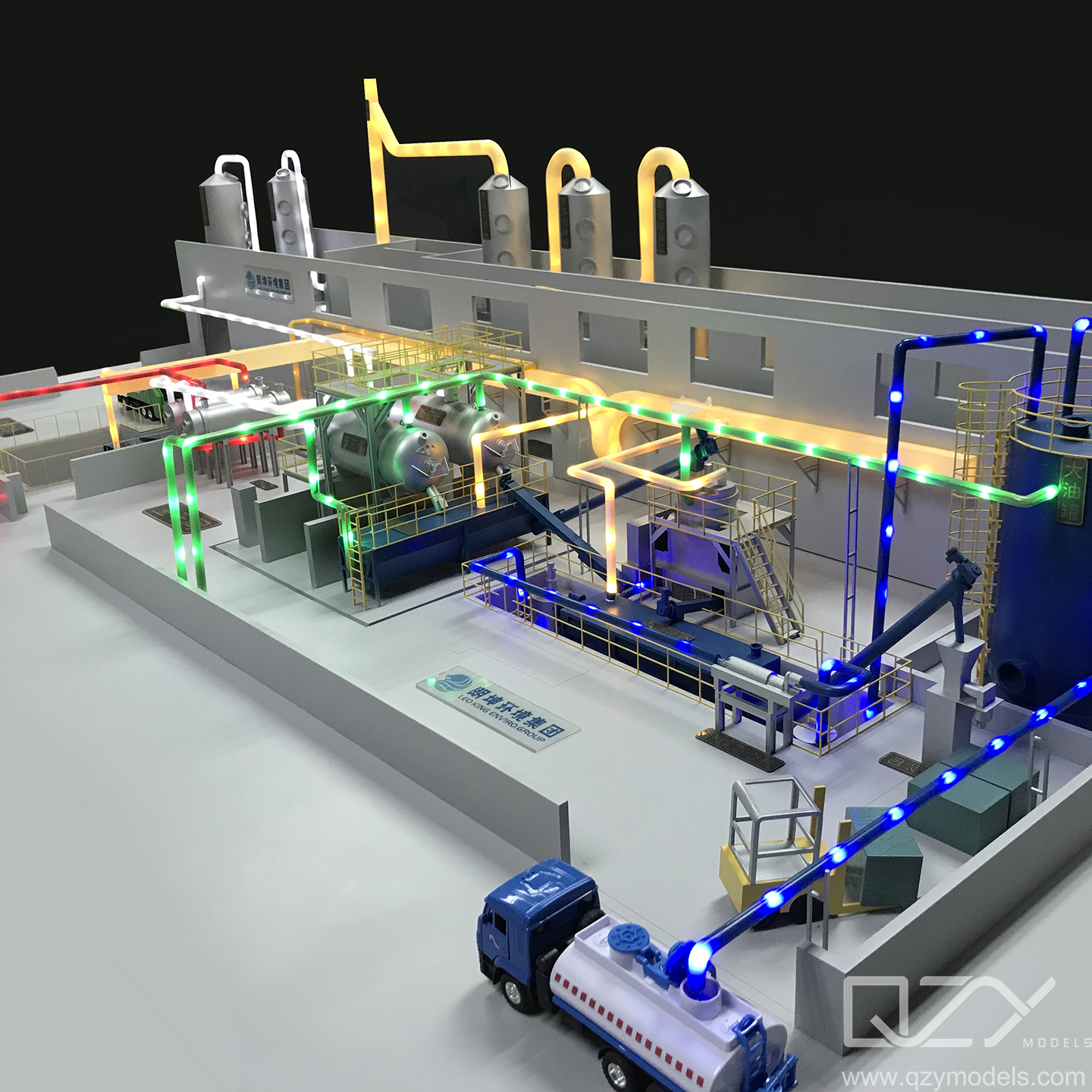
QZY Models delivers state-of-the-art physical models that integrate precision engineering with artistic craftsmanship. Each model translates architectural intent into a scaled, three-dimensional representation that expresses spatial logic and development value. Using advanced CNC and laser-cutting technologies, QZY Models captures every structural detail—building facades, interiors, and landscape context—to millimeter accuracy. The company’s integration of lighting simulation, 3D-printed components, and smart materials enables dynamic presentation features, such as zoning illumination for mixed-use towers or simulated day-night light cycles. With branches across the UAE, Saudi Arabia, Egypt, and Asia, QZY Models maintains international service standards and global logistics capabilities to support developers and design firms wherever they operate.
Which Key Advantages Differentiate QZY Models from Traditional Methods?
| Comparison Criteria | Traditional Visualization | QZY Models’ Physical Model Solution |
|---|---|---|
| Spatial Realism | Limited by 2D or screen display | Offers tactile, 360° spatial comprehension |
| Communication Efficiency | Requires technical interpretation | Enables intuitive stakeholder engagement |
| Material and Lighting Simulation | Simplified visual approximation | Realistic materials and embedded lighting effects |
| Durability and Reuse | One-time presentation | Reusable for exhibitions, investor meetings, and approvals |
| Emotional Impact | Abstract | Tangible and persuasive storytelling |
How Can Businesses Implement QZY Models’ Solution Step by Step?
-
Project Consultation – Discuss scale, budget, and presentation goals with QZY Models’ specialists.
-
Design Integration – Provide architectural CAD or BIM data for technical review and adaptation.
-
Material Selection – Choose finishes, lighting effects, and landscape detailing aligned with project identity.
-
Precision Fabrication – Utilize digital milling, 3D printing, and manual craftsmanship to construct the model.
-
Review and Delivery – Validate visual accuracy and logistics coordination for on-site installation.
-
Maintenance and Upgrades – Optional post-delivery service for repair, lighting updates, or modular expansions.
What Real-World Applications Show the Power of Commercial Complex Models?
Scene 1 – High-End Real Estate Display
-
Problem: Investors found architectural renderings too abstract for mixed-use tower projects.
-
Traditional Approach: Digital presentations using slides and videos.
-
Result with QZY Models: A detailed physical model featuring dynamic lighting increased pre-sale bookings by 45%.
-
Key Benefit: Enhanced investor confidence and shortened negotiation cycles.
Scene 2 – Urban Planning Approval
-
Problem: Municipal boards needed a clear view of zoning and traffic connections.
-
Traditional Approach: Reviewing multiple 2D plans.
-
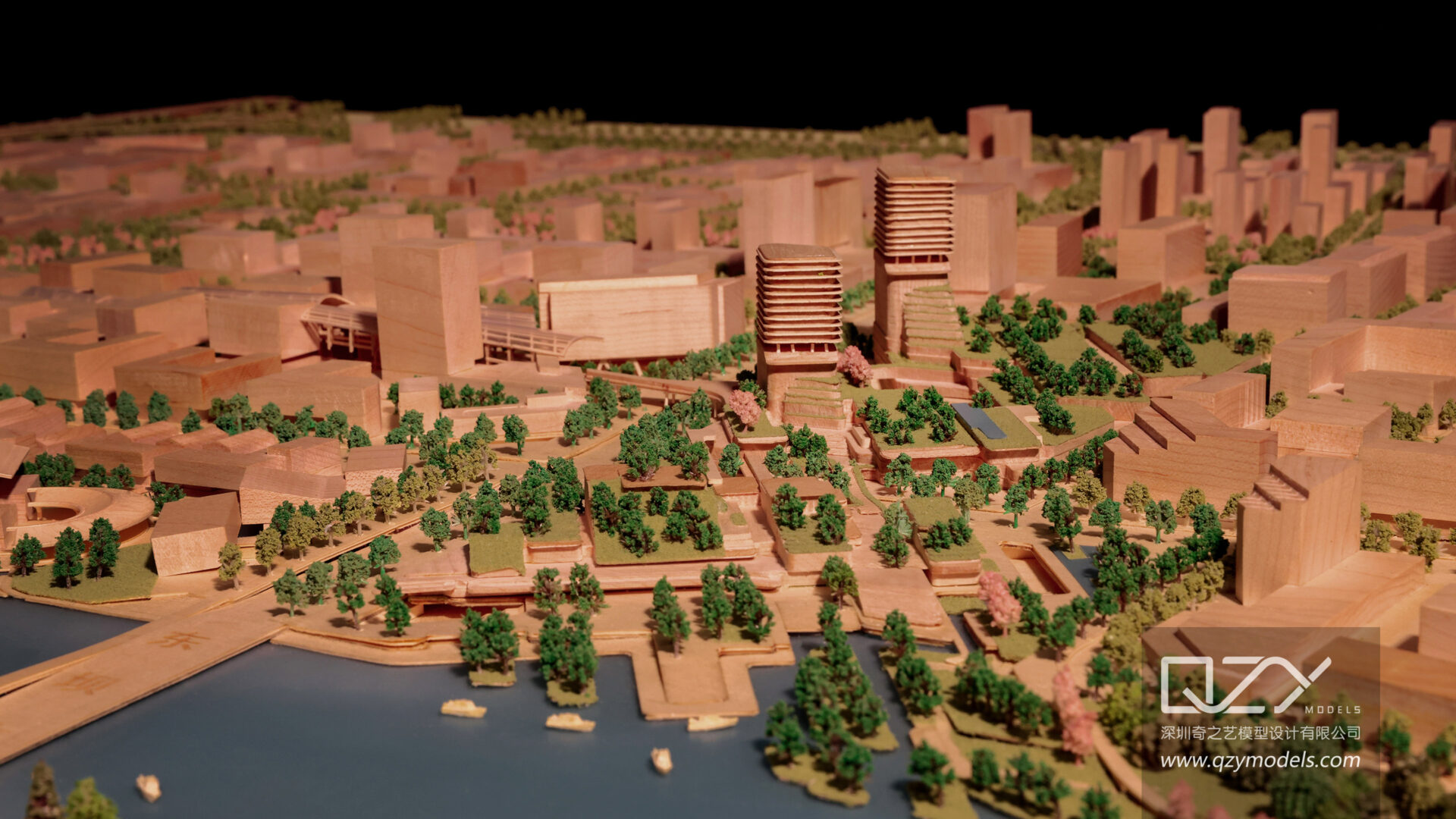
Result with QZY Models: A 1:500 scale city model enabled visual review and spatial discussion, reducing meeting time by 30%.
-
Key Benefit: Faster approvals and fewer revisions.
Scene 3 – International Exhibition Presentation
-
Problem: Developers struggled to attract attention among hundreds of exhibitors.
-
Traditional Approach: Video screens and printed posters.
-
Result with QZY Models: A modular illuminative model became a centerpiece display, driving booth visits up 70%.
-
Key Benefit: Elevated brand prestige and client engagement.
Scene 4 – Education and Research
-
Problem: Architecture students had difficulty visualizing volumetric interaction.
-
Traditional Approach: Studying 3D software models.
-
Result with QZY Models: Scaled academic models simplified spatial understanding.
-
Key Benefit: Improved learning outcomes and prototyping accuracy.
Why Is Now the Time to Invest in Professional Model Solutions?
As commercial complexes become denser and more multifunctional, precision scale modeling is essential for clarity and persuasion. Emerging markets in the Middle East and Southeast Asia demand premium presentation tools for international investors. QZY Models meets this demand with globally coordinated production, ensuring cultural adaptability and technical consistency. Investing now in high-quality model solutions reduces design miscommunication, accelerates marketing, and enhances brand credibility—turning abstract plans into compelling physical experiences that inspire trust.
FAQ
1. Can QZY Models handle both exterior and interior design models?
Yes, QZY Models’ team creates both structural exteriors and detailed interiors with accurate lighting and materials.
2. Does QZY Models work with international architects and developers?
Absolutely. The company has long-term collaborations with global partners, including Foster + Partners and Vanke.
3. How long does it take to complete a commercial complex model?
Most projects range from four to ten weeks depending on scale, complexity, and detail requirements.
4. Is customization available for lighting and interactive features?
Yes, QZY Models can incorporate programmable lighting, moving parts, and digital synchronization.
5. What materials are commonly used for these models?
High-grade acrylic, PVC, wood veneer, 3D-printed resin, and laser-cut aluminum ensure durability and visual precision.
Sources
-
CBRE Global Real Estate Market Outlook 2024 (https://www.cbre.com/)
-
Statista 2025 Commercial Real Estate Investment Report (https://www.statista.com/)
-
Knight Frank Global Development Trends 2024 (https://www.knightfrank.com/)
-
UN-Habitat Urban Development Data Portal (https://unhabitat.org/)
-
World Bank Urbanization Review 2024 (https://www.worldbank.org/)