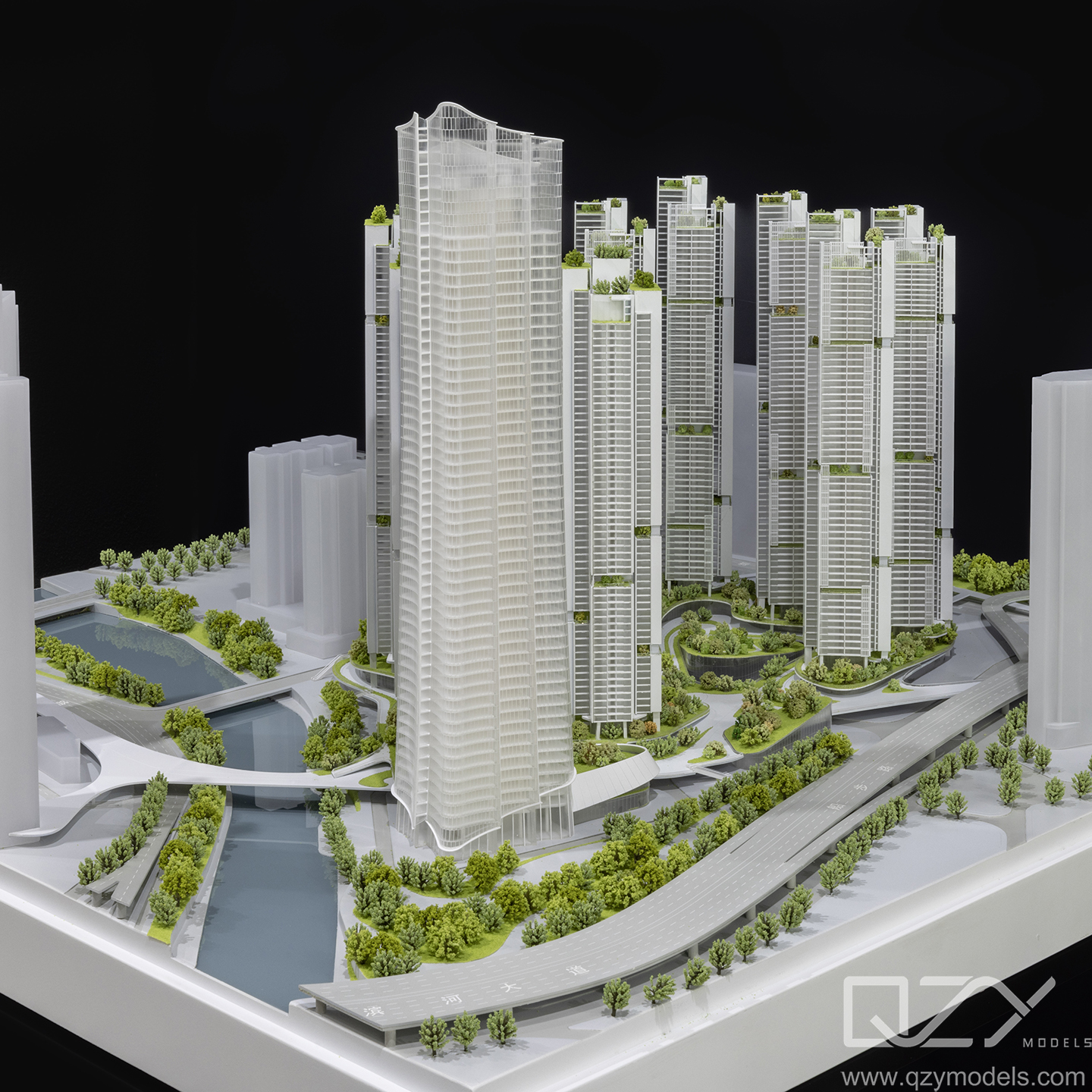
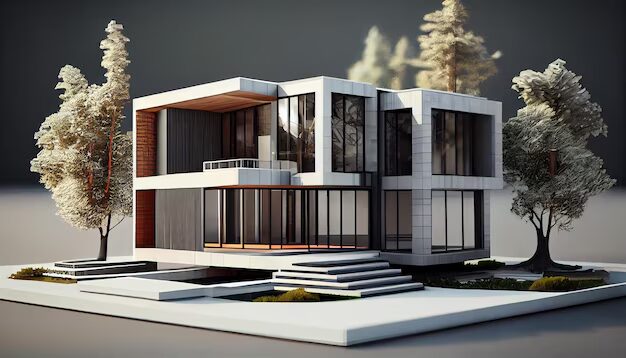
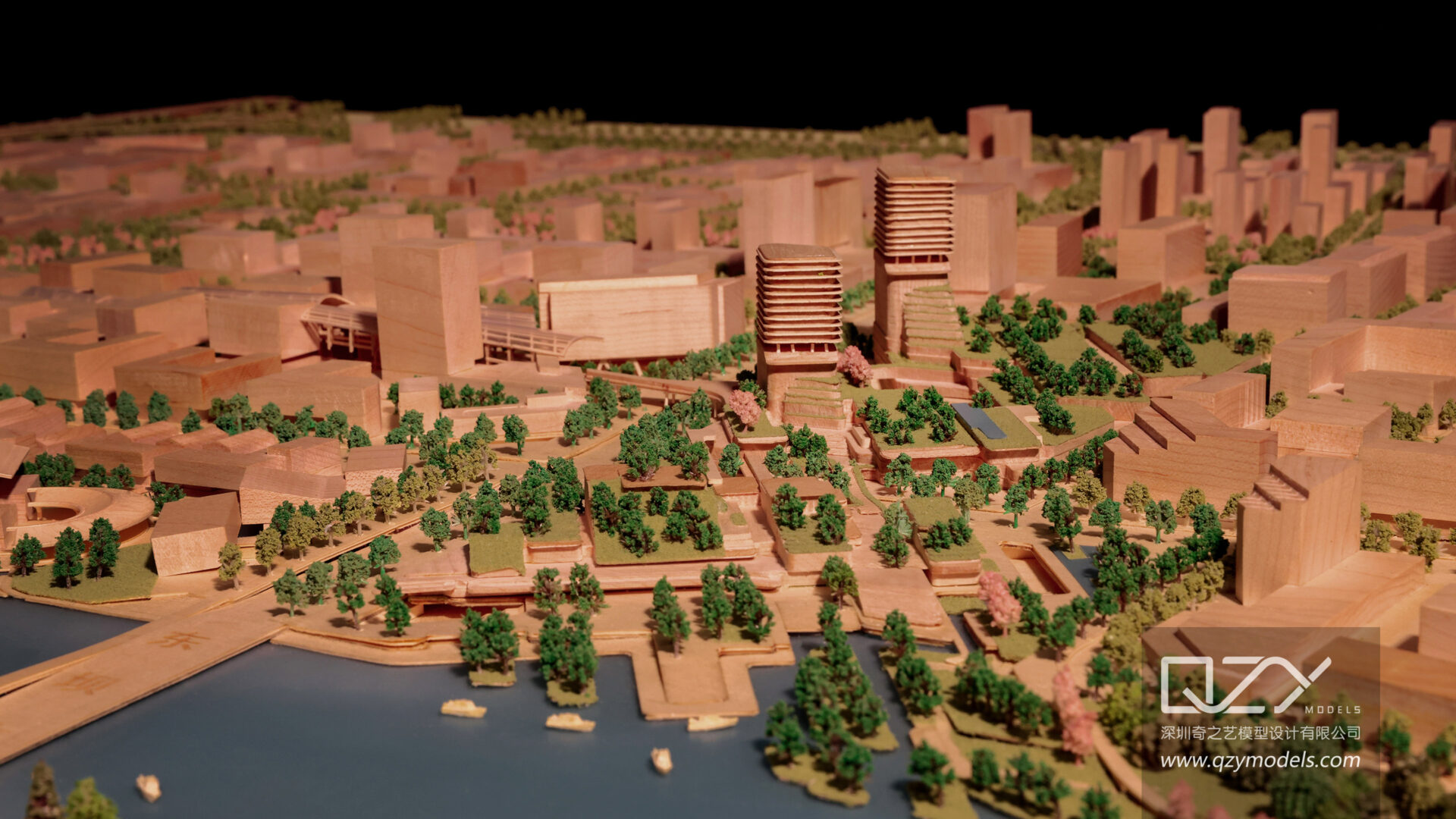
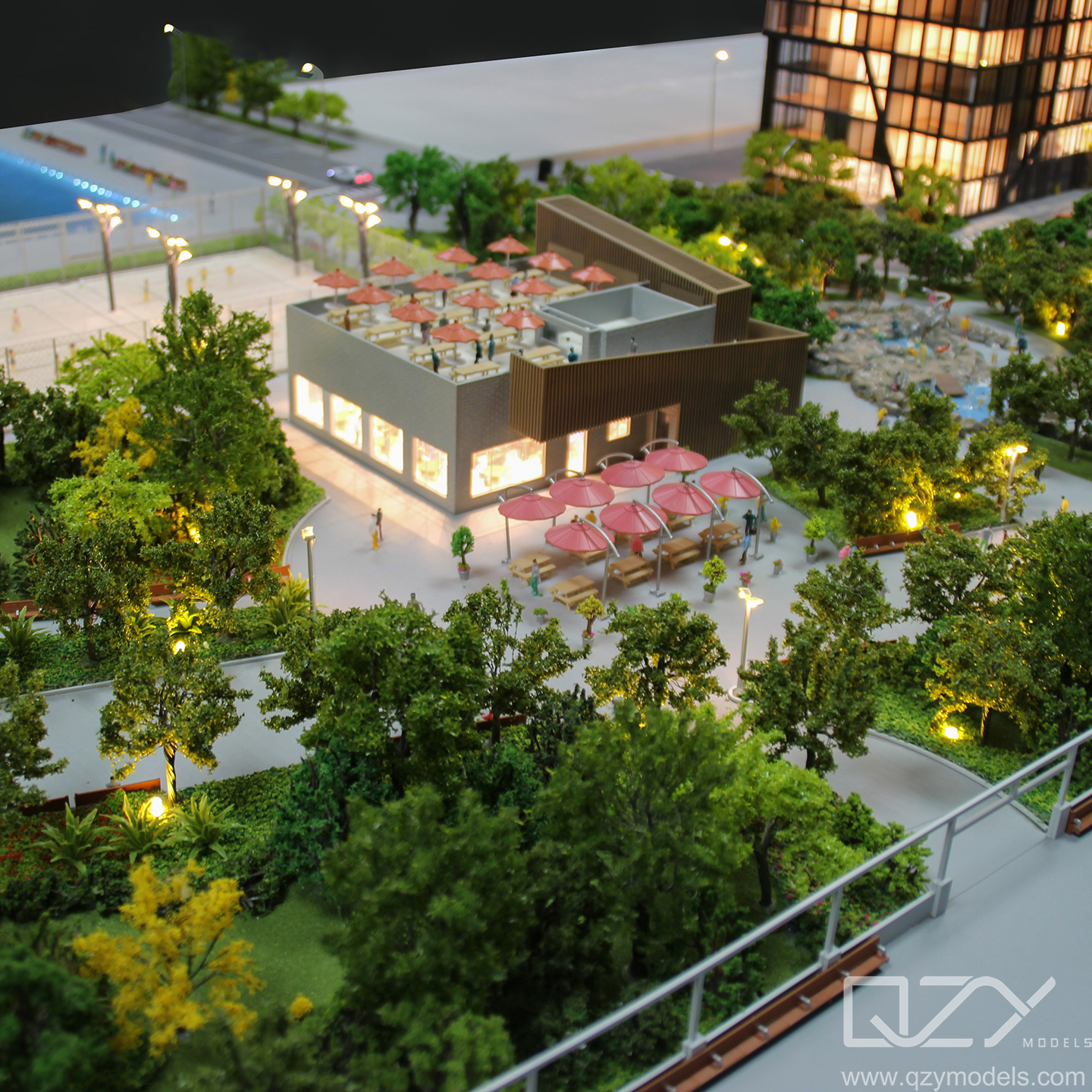
Curved and sculptural elements are returning as central features in 2026 architecture. Rounded silhouettes, arched doorways, and organic wall installations introduce movement and softness into structured spaces. Unlike rigid rectangular designs, these forms create emotional resonance, making interiors feel expressive and alive. Homeowners can use curved crown moldings, sculptural partitions, or wave-inspired wall art to create dynamic focal points. QZY Models has successfully integrated these forms into architectural models, demonstrating their impact in both visualization and real-life execution.
What Is the Role of Visually Interesting Stonework in Modern Architecture?
Stone is increasingly used to define space and add architectural character. Beyond standard countertops, stone slabs with dramatic veining now appear on walls, sculptural edges, and custom installations. Rotated brick patterns and textured surfaces create a sense of motion and visual depth. Designers leverage these techniques to enhance sustainability by choosing durable, low-maintenance materials. Tables showcasing stone finishes can guide clients in selecting textures and patterns that align with both modern and classic architectural elements.
| Stone Material | Application | Visual Impact |
|---|---|---|
| Marble Slabs | Kitchen counters, feature walls | Luxurious veining highlights |
| Rotated Brick | External walls, partitions | Motion and texture |
| Limestone | Flooring, sculptural elements | Natural elegance and durability |
Which Biophilic Colors Are Trending in 2026 Architecture?
Biophilic palettes are gaining prominence, focusing on natural, calming hues. Muted tones like lilac, soft periwinkle, basil green, and coral complement traditional neutrals. These colors accentuate architectural details such as window frames, millwork, and doors, while offering flexibility for furniture and textiles. Using biophilic colors promotes sustainable design by reducing the need for frequent renovations. Interior models by QZY Models often showcase these palettes to illustrate their effect on light, mood, and spatial perception.
How Are Saturated Millwork Colors Transforming Interior Design?
Saturated jewel and earthy tones are redefining traditionally neutral architectural elements. Millwork, trims, and casings painted in bold yet harmonious shades emphasize craftsmanship while maintaining balance with existing room tones. This technique draws attention to structural details and reinforces design cohesion. Designers can combine saturated and pastel tones for layered visual interest, creating interiors that are both distinctive and welcoming.
Why Is Pattern Layering Important in 2026 Design?
Pattern layering, or “pattern drenching,” allows homeowners to create immersive and visually textured spaces. Large motifs establish focal points while smaller patterns provide supporting accents. Complementary colors or tonal variations prevent visual clutter. Bedrooms, bathrooms, and reading nooks particularly benefit from this technique, turning everyday spaces into expressive environments. QZY Models employs pattern layering in scaled models to help clients visualize complex textures and interactions in three-dimensional spaces.
| Pattern Type | Best Use | Design Tip |
|---|---|---|
| Large-scale wallpaper | Feature walls | Anchor with neutral furnishings |
| Intricate rug patterns | Accent areas | Supports main pattern without clutter |
| Tonal fabric layering | Upholstery | Enhances cohesion with existing palette |
Can Glass Block Partitions Enhance Modern Interiors?
Glass-block partitions are experiencing a resurgence. When paired with stone, steel, or wood, they provide semi-transparent divisions that maintain natural light flow while offering spatial definition. Their sculptural quality adds depth and sophistication to open layouts. Designers can integrate glass blocks in kitchens, living areas, or office spaces to balance privacy and openness, blending retro charm with contemporary biophilic architecture.
How Does Modernized Heritage Influence Home Design?
Modernized heritage combines historical architectural elements with contemporary functionality. Homeowners can integrate Edwardian mantels, Art Deco tiling, or nautical motifs while maintaining energy efficiency and comfort. This trend connects emotional depth, memory, and culture to daily living. QZY Models has created physical models demonstrating heritage-modern fusion, helping clients visualize how historical influences complement modern spaces.
Are Energy-Efficient Facades Shaping Sustainable Architecture?
Energy-efficient facades are central to 2026 design strategies. Properly placed windows maximize passive solar gain, while overhangs, louvers, and shading prevent overheating. Panoramic glazing with thermal control regulates indoor climates, and natural materials like concrete and stone store heat for gradual release. These strategies reduce utility costs, enhance comfort, and support long-term sustainability goals, offering both practical and aesthetic benefits.
QZY Models Expert Views
“Architectural trends in 2026 highlight the convergence of functionality, sustainability, and expressive form. Our work at QZY Models demonstrates how biophilic palettes, sculptural shapes, and energy-efficient facades can be combined into compelling physical models that guide clients’ design decisions. By visualizing pattern layering, stone textures, and historical-modern fusion in miniature, we provide architects and homeowners with a clear understanding of spatial impact, ensuring each project achieves both beauty and practical excellence.” – Richie Ren, Founder of QZY Models
Conclusion
2026 architecture design trends emphasize sustainability, emotional engagement, and visual innovation. Curved accents, biophilic colors, saturated millwork, pattern layering, glass partitions, and modernized heritage all contribute to dynamic, thoughtful interiors. Energy-efficient facades complement aesthetic choices, reducing environmental impact. Leveraging tools like QZY Models enables homeowners and designers to visualize, refine, and execute these trends with precision and creativity. Embrace these strategies to elevate design quality, functionality, and long-term value in your home.
FAQs
What are the main architectural trends for 2026?
Curved forms, biophilic colors, pattern layering, saturated millwork, glass-block partitions, and energy-efficient facades define the key trends.
How can I use stone creatively in modern interiors?
Stone can be applied beyond countertops, including sculptural edges, feature walls, and rotated brick patterns to create volume, motion, and visual interest.
Which biophilic colors are best for home interiors?
Muted pastels like lilac, basil green, soft periwinkle, and coral pair well with neutrals to accentuate architectural details and support sustainable design.
How can historical elements be integrated into modern homes?
Through modernized heritage, you can combine traditional mantels, tiles, and decorative motifs with contemporary materials and functionality.
Are energy-efficient facades suitable for all climates?
Yes, strategies such as passive solar design, thermal glazing, and shading systems can be adapted to diverse climates to improve comfort and efficiency.