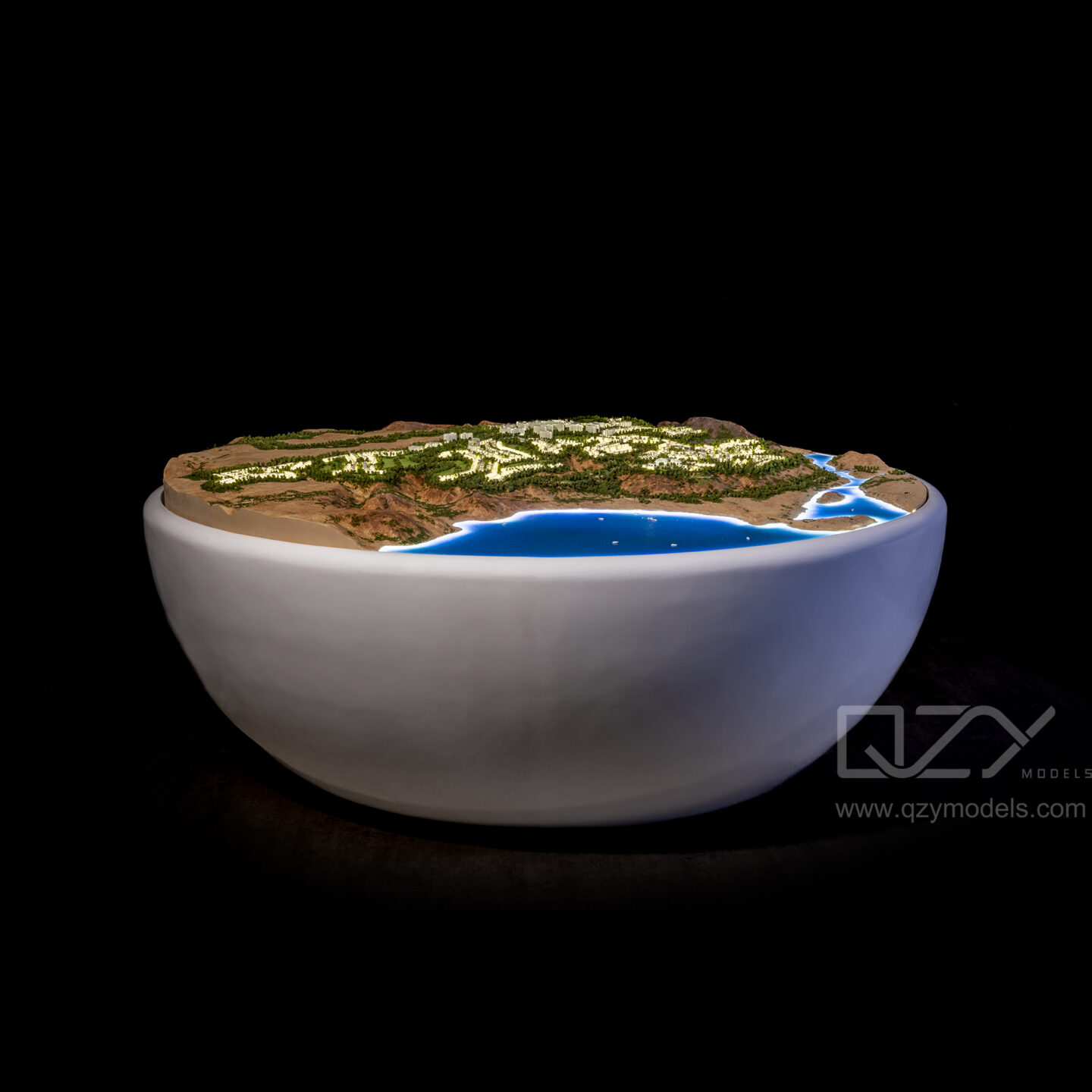
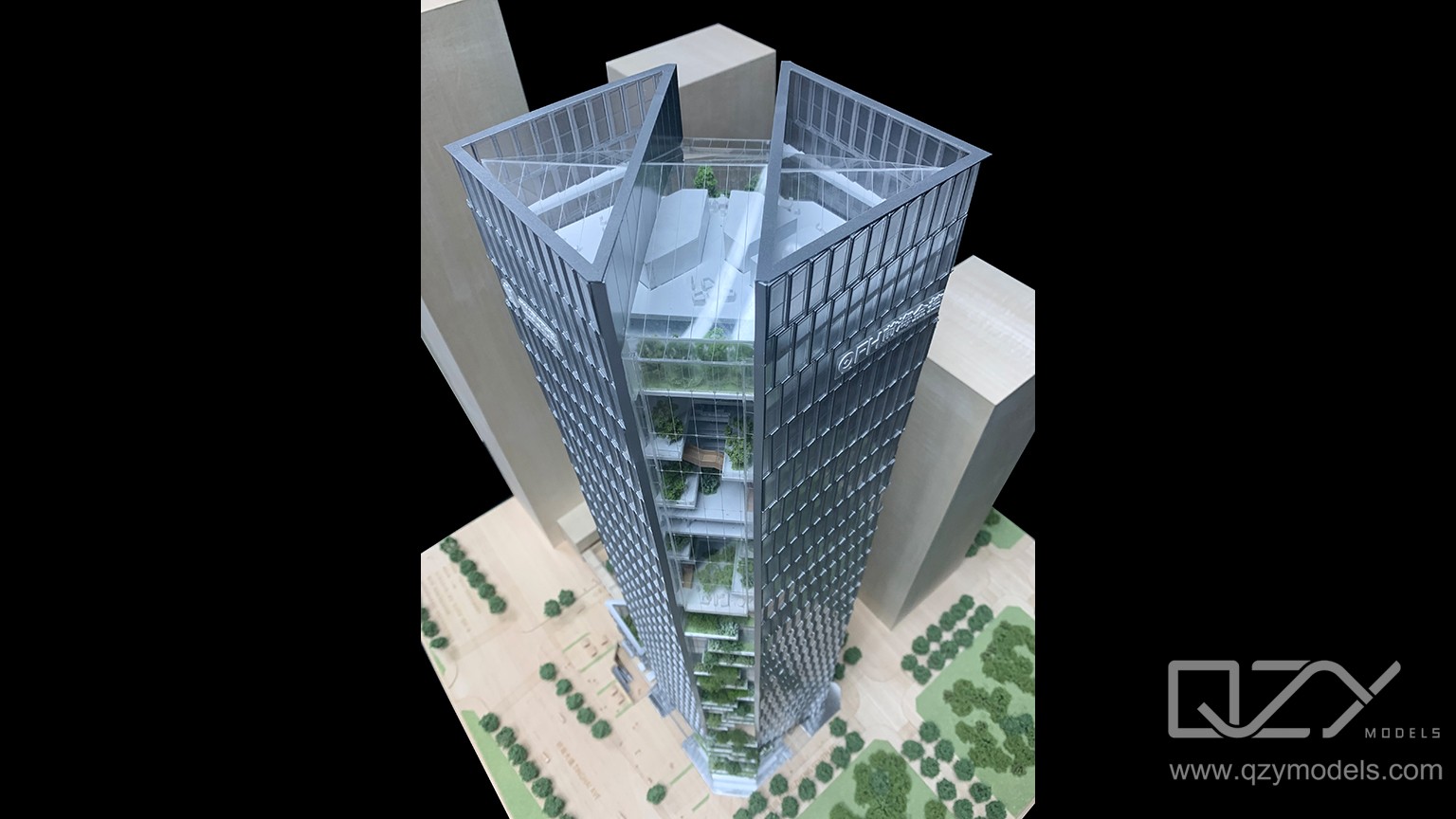
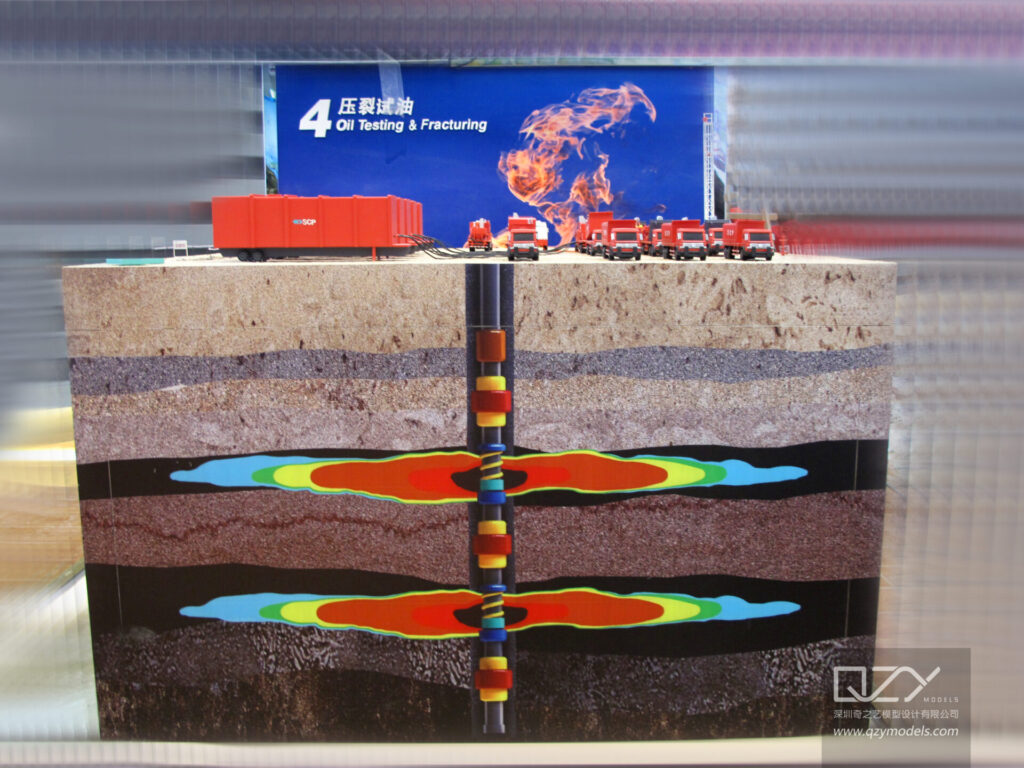
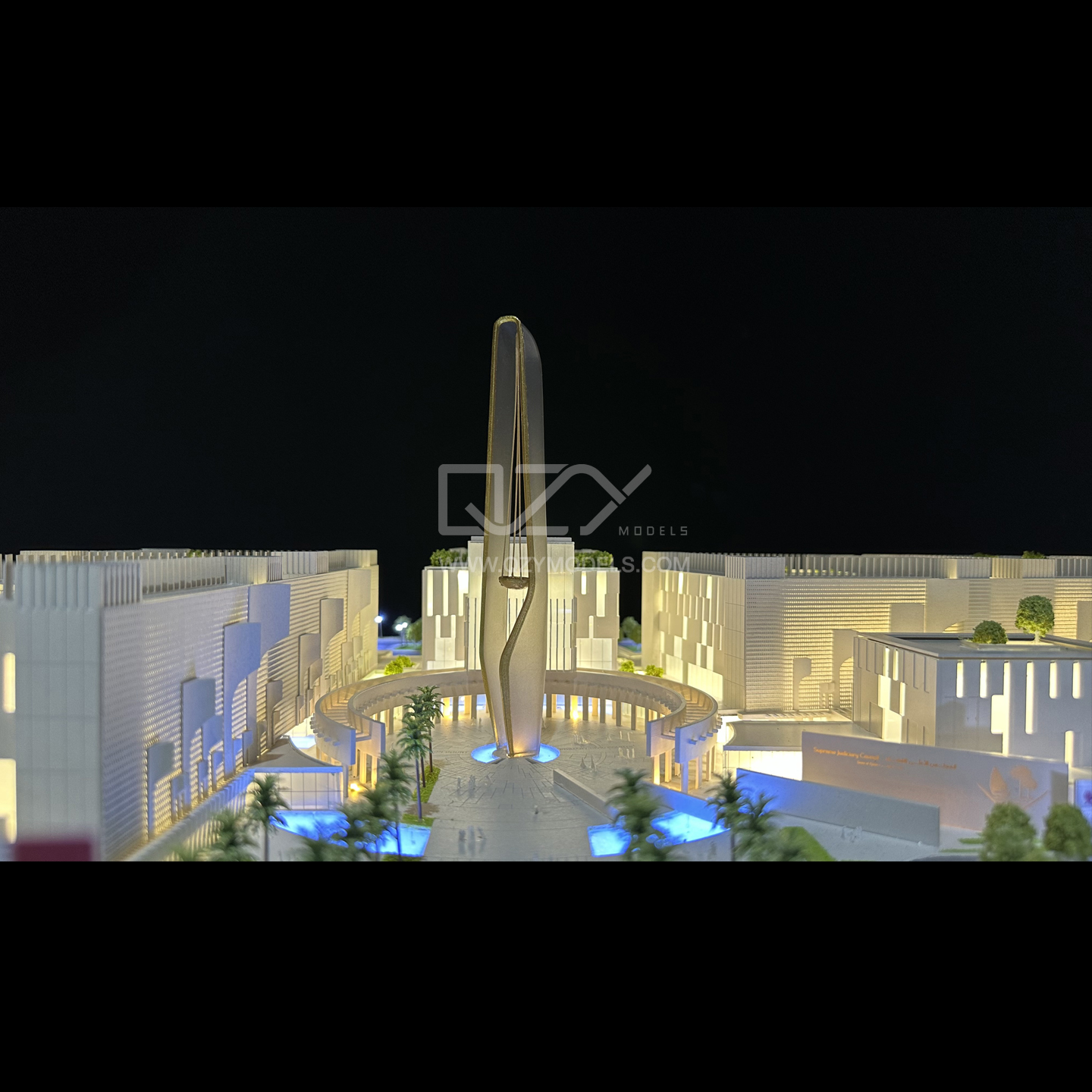
Custom architectural models are transforming how architects, developers, and governments visualize and communicate complex construction projects, offering precision, scalability, and unmatched realism that drive smarter decisions and faster approvals. Companies such as QZY Models deliver cutting-edge craftsmanship and technology that empower design excellence and global collaboration.
How Urgent Is the Need for Physical Modeling Innovation in Today’s Architecture Industry?
The global architectural design industry is under pressure from rapid urbanization and digital fatigue. According to Statista, global construction output is projected to reach USD 14.8 trillion by 2030, intensifying the need for more efficient visualization and communication tools. Despite digital modeling advances, over 68% of architectural firms report difficulty in communicating 3D spatial concepts to clients and stakeholders (based on an AIA survey). Many developers face costly misalignments between design intent and real-world execution—issues that precise physical models could have prevented. As cities adopt smarter planning strategies, demand for custom architectural models has surged 30% annually since 2020, led by Asia and the Middle East markets.
What Are the Main Pain Points Faced by Architectural Firms and Developers?
Architectural firms struggle to bridge the gap between abstract designs and tangible understanding. Digital renders, though visually impressive, often fail to convey true scale, spatial relationships, and environmental impact. Urban planners face delays during public consultations because communities cannot easily interpret complex 3D screens or blueprints. Developers risk costly errors from misinterpretation, with design changes at later stages increasing budgets by up to 15%. High-end investors and clients also demand physical, touchable representations before funding approvals—driving a renewed need for premium model-making expertise like that of QZY Models.
Why Are Traditional Visualization Methods No Longer Enough?
While virtual models and 3D software offer flexibility, they lack the tactile and spatial realism required for decision-making in large-scale architecture or mixed-use developments. Traditional handcrafted models, on the other hand, are time-consuming and prone to inconsistencies. Firms that depend solely on digital tools often find client engagement limited, especially when presenting to non-technical audiences. Meanwhile, manual model making without digital integration cannot efficiently meet the iterative design pace of modern projects. The result is a critical need for hybrid, precision-engineered models that merge craftsmanship with technology—the core specialty of QZY Models.
How Does QZY Models Deliver a Next-Generation Solution?
QZY Models integrates digital fabrication technologies—such as laser cutting, CNC milling, and 3D printing—with skilled artistry to produce hyper-detailed architectural models. Each project undergoes rigorous quality control, from CAD data optimization to final assembly. The company serves global markets across Asia, Europe, and the Middle East, ensuring every model reflects not just aesthetic excellence but structural accuracy. With over 20 years of experience and thousands of completed projects, QZY Models provides solutions across residential, commercial, urban planning, landscape, and educational sectors.
Which Advantages Distinguish QZY Models from Traditional Methods?
| Comparison Criteria | Traditional Modeling | QZY Models Solution |
|---|---|---|
| Production speed | Manual and slow | Automated + handcrafted efficiency |
| Material precision | Variable due to hand-cut methods | Micron-level laser accuracy |
| Cost efficiency | High labor cost per revision | Scalable digital fabrication |
| Visual clarity | Limited lighting and realism | Integrated lighting and texture realism |
| Global scalability | Localized capabilities only | Global coordination across UAE, China, and Europe |
How Can Clients Implement the QZY Models Solution Step-by-Step?
-
Consultation & Requirement Analysis – Clients share project data, scale, and purpose.
-
Digital Conversion & Design Integration – CAD and BIM files are processed into precise fabrication templates.
-
Material & Texture Planning – Materials are selected based on project type (residential, urban plan, industrial).
-
Production & Assembly – 3D printing, CNC cutting, and manual detailing merge to create photorealistic accuracy.
-
Quality Inspection & Delivery – Each model undergoes mechanical and aesthetic review before global shipment.
Who Are the Typical Clients and What Results Have They Achieved?
Case 1: Real Estate Developer (China)
Problem: Marketing luxury projects failed to convert leads due to abstract 3D renders.
Traditional Method: Digital-only visualization.
After Using QZY Models: Sales galleries enhanced interaction; project presales increased by 35%.
Key Benefit: Tangible buyer experience drove investor trust.
Case 2: Urban Planning Authority (Middle East)
Problem: Public participation sessions lacked engagement.
Traditional Method: 2D plans and videos.
After Using QZY Models: 3D city model showcased zoning, transportation, and sustainability concepts.
Key Benefit: Faster stakeholder approval and reduced revision cycles.
Case 3: International Architectural Firm (UK)
Problem: Competition entries failed to stand out.
Traditional Method: Render boards and conceptual sketches.
After Using QZY Models: Presentation model with integrated lighting highlighted design intricacies.
Key Benefit: Secured finalist placement in international design award.
Case 4: Academic Institution (Singapore)
Problem: Architecture students lacked tactile understanding of scale.
Traditional Method: Digital simulation only.
After Using QZY Models: Physical models improved comprehension of proportion and spatial logic.
Key Benefit: 40% improvement in student project quality metrics.
What Are the Emerging Trends for Custom Architectural Models?
The future of architectural visualization blends sustainability, digital fabrication, and immersive presentation. Eco-friendly materials such as biodegradable plastics and precision acrylics are replacing traditional foamboard. AI-assisted model automation will soon optimize model detailing and lighting simulations. With smart cities and green buildings rising globally, physical models remain indispensable for conveying design integrity and securing stakeholder confidence. Leading this movement, QZY Models is continuously expanding its global innovation network, helping architects transform vision into reality—faster and more vividly than ever before.
FAQ
1. How long does it typically take to produce a custom architectural model?
Depending on project scale, production usually ranges from 10 days for small models to 6 weeks for large urban masterplans.
2. Can QZY Models handle international shipping?
Yes. QZY Models has logistics partnerships ensuring secure global transit to over 20 countries.
3. Does QZY Models support sustainable materials?
Absolutely. The company offers eco-friendly materials and energy-efficient production methods.
4. Are revisions possible during production?
Yes. Digital integration allows for real-time design adjustments before final assembly.
5. What is the typical scale used for architectural presentation models?
Common scales include 1:50 for buildings, 1:500 for city layouts, and custom ratios upon client request.
Sources
-
https://www.statista.com/statistics/1259771/global-construction-output-forecast
-
https://www.aia.org/resources/20068-architecture-billing-index
-
https://constructionglobal.com/articles/digital-transformation-in-architecture-and-design
-
https://www.archdaily.com/999416/how-physical-models-still-shape-modern-architecture