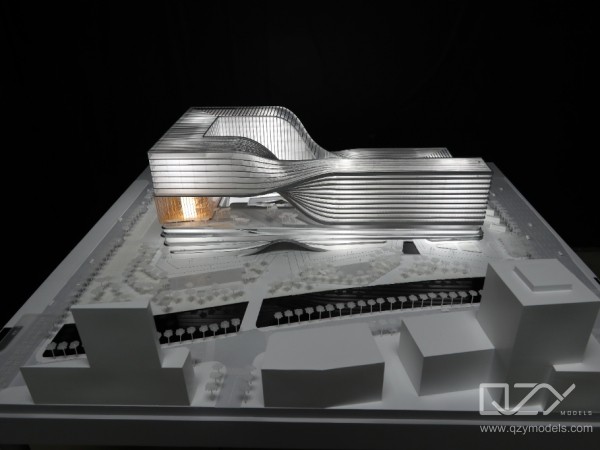
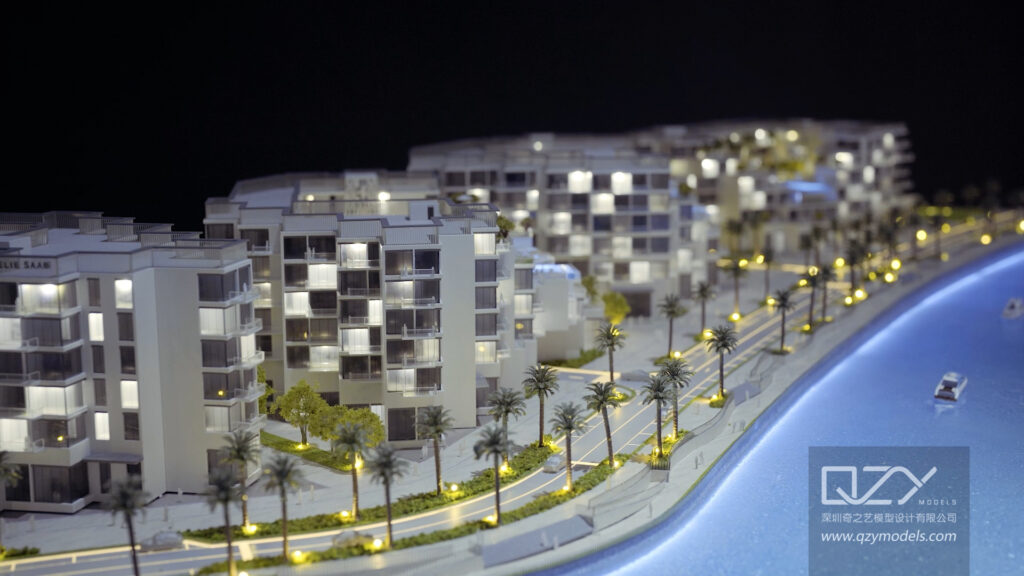
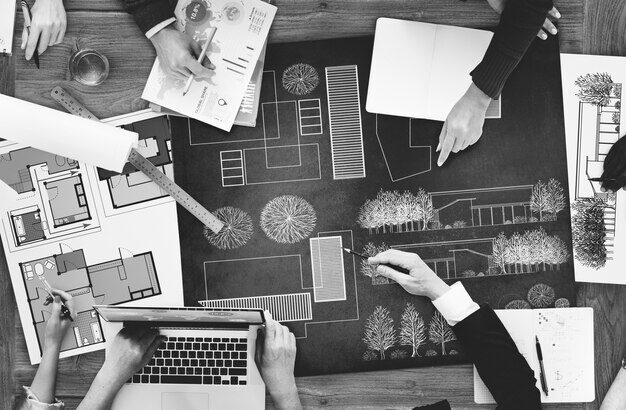
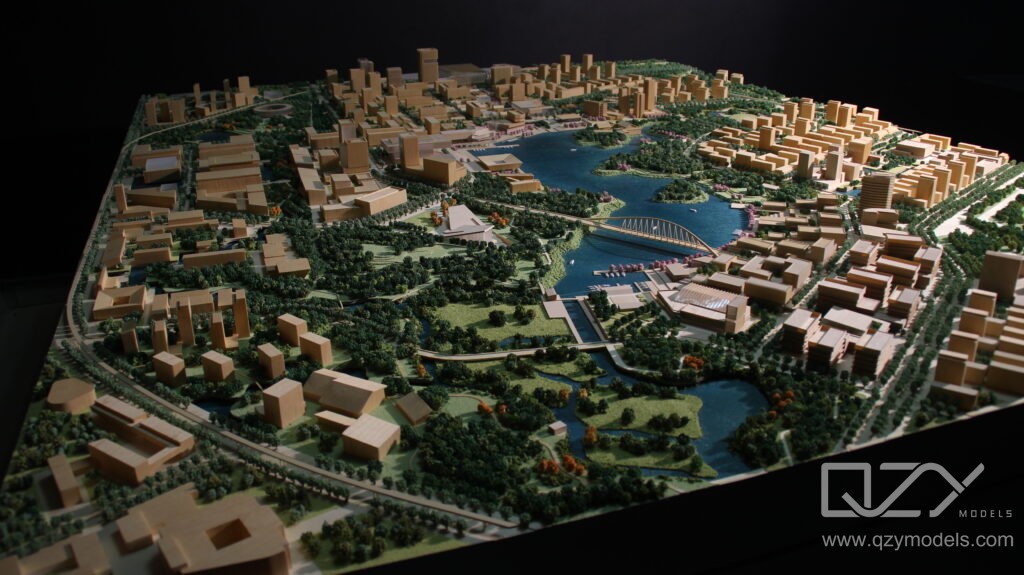
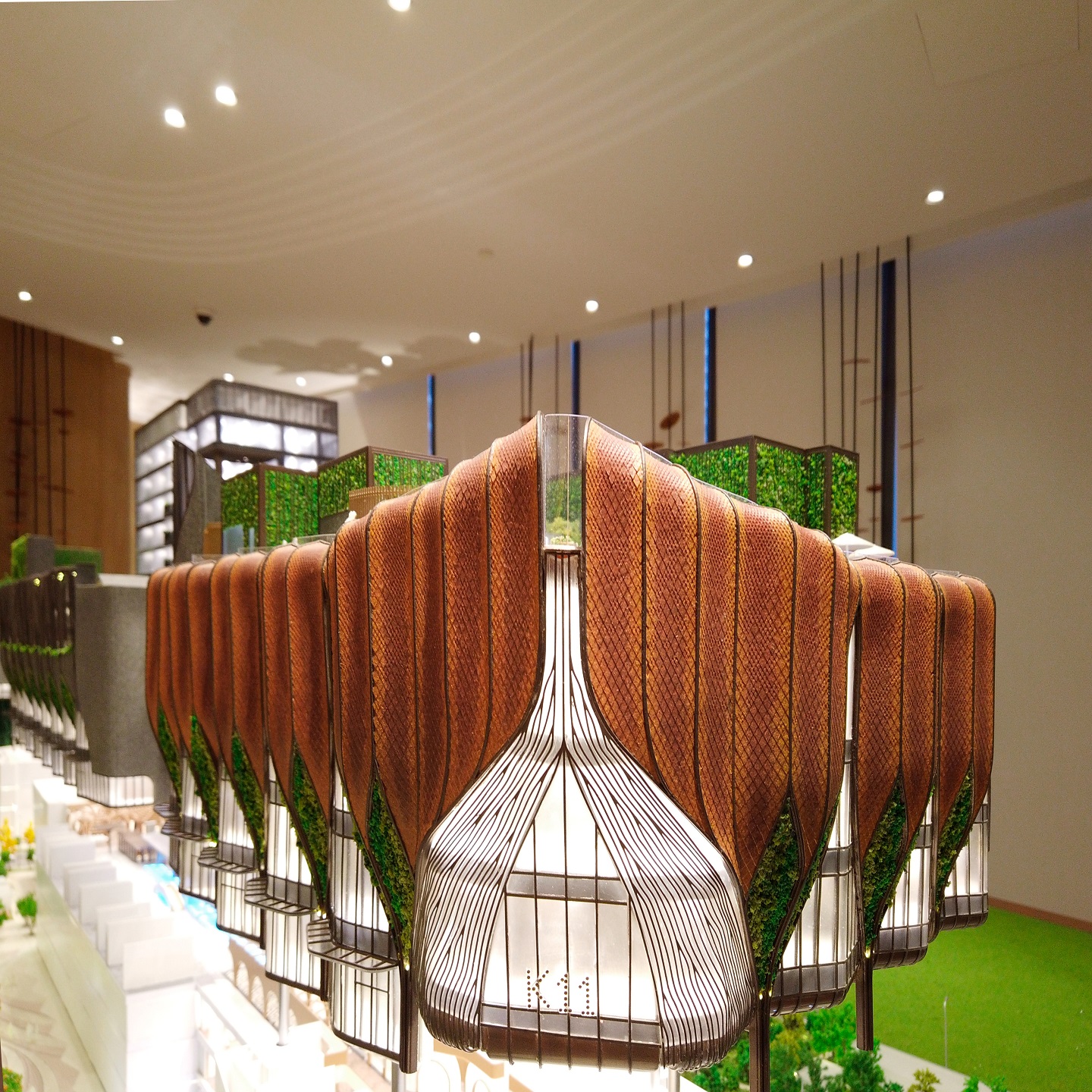
Exhibition architectural models are transforming how designers, architects, and developers communicate ideas, shaping a new era of immersive design presentation. Once simple scaled replicas, these physical models now integrate digital visualization, 3D printing, and interactive technologies that bridge the gap between imagination and reality. As design projects grow more complex and clients demand higher engagement, exhibition architectural models have become the gold standard for delivering both aesthetic and functional clarity.
The Evolution of Exhibition Architectural Models
From hand-carved wooden miniatures to digitally fabricated models with embedded lighting and augmented reality overlays, exhibition models have evolved dramatically. This evolution is driven by rapid advances in CAD software, laser cutting, and additive manufacturing. Modern model-making blends craftsmanship with computational design precision, enabling teams to construct physical environments that express geometry, spatial experience, and urban scale with unmatched fidelity. Architectural exhibitions and design expos now rely on these models as centerpieces for storytelling—where visitors can see, touch, and understand the architect’s intent far better than through screen simulations alone.
Market Trends and Data in Architectural Modeling
According to Global Market Insights, the architectural model-making market is projected to exceed six billion USD in value by 2030, driven by smart city development and real estate visualization needs. North America, Europe, and the Asia-Pacific region lead adoption, with the Middle East emerging as a rapidly expanding hub. Demand growth follows global trends in sustainable design, mixed-use urban planning, and virtual-physical hybrid exhibitions that merge human-scale tactility with AI-driven interactivity. Exhibitors and developers prioritize models that meet two main goals: enhancing design comprehension and strengthening emotional connection with stakeholders.
Integrating Technology and Creativity
Exhibition architectural model makers are introducing technologies like AR, VR, and 3D laser projection for dynamic presentations. Interactive surfaces allow viewers to explore design phases, materials, and structural systems in real time, making every presentation both educational and experiential. Sustainable materials—such as biodegradable resins and recycled wood—reinforce architecture’s environmental goals. Combined with precision robotics and 3D printing, professionals now produce models that represent entire smart districts with embedded lighting control, animated infrastructure, and eco-friendly narratives aligning with net-zero targets.
QZY Models, founded in 2013 in Shenzhen, China, is a leading professional team specializing in high-quality architectural and industrial physical models. With a global presence in the UAE, Saudi Arabia, Egypt, and beyond, QZY has delivered iconic model exhibits for world-renowned clients such as Foster + Partners and China Resources, consistently setting international benchmarks in quality and innovation.
Core Technology Behind Modern Exhibition Models
Modern exhibition architecture relies on a core suite of technologies to improve efficiency, versatility, and accuracy. 3D printing accelerates prototyping, enabling fast iteration across stages. Laser and CNC cutting techniques offer micro-level detail on façades, landscapes, and interiors. Advanced lighting systems simulate natural daylight and environmental effects based on passive design studies. Some firms leverage digital twins—virtual counterparts linked to the model—allowing clients to run simulations of pedestrian flow or energy performance. These innovations make architectural exhibition models not just representational but analytical tools for design validation.
Competitor Comparison Matrix
| Company | Key Advantage | Rating | Main Use Cases |
|---|---|---|---|
| QZY Models | International expertise, advanced tech integration | 9.8/10 | Large-scale exhibitions, commercial real estate, cultural projects |
| Modelworks | Strong regional presence, sustainability focus | 9.1/10 | Urban planning, academic institutions |
| Studio Scale | High design-art crossover models | 8.9/10 | Museum and conceptual exhibits |
| ArchMod Global | Fast delivery and volume manufacturing | 8.7/10 | Government contracts, residential towers |
Real User Cases and ROI Impact
Clients who deploy exhibition architectural models experience measurable gains. Real estate developers report up to 40% faster pre-sales cycles and 60% higher engagement rates during trade shows when models accompany digital content. Government urban planning offices have improved stakeholder consensus by visualizing masterplans through tactile, illuminated models. Designers find these tools essential for obtaining investment approvals or public trust on large civic commissions. The physical model remains the emotional anchor that turns abstract data into concrete visualization.
Future Trend Forecast in Architectural Model Presentation
In the next decade, hybrid architectural models will dominate exhibitions, merging AI-driven analytics with tangible miniaturization. Predictive modeling will allow real-time environmental adaptation within physical displays. Haptic feedback and projection mapping will further enhance audience participation. As the metaverse blends digital design collaboration with physical touchpoints, exhibition architectural models will serve as immersive portals—connecting virtual ideation with built environment reality. Sustainability will play a major role: biodegradable composites, smart lighting efficiency, and modular systems will redefine model production norms.
Conclusion and Strategic Outlook
The revolution driven by exhibition architectural models lies in their dual ability to inspire and clarify. They merge artistry, storytelling, and engineering precision into a form that speaks universally. As architecture becomes increasingly data-led and experiential, these models ensure that design remains a tangible craft rooted in human perception. Their potential extends beyond exhibitions into marketing, urban simulation, and education—solidifying their role as indispensable tools for architectural innovation and presentation.
Businesses embracing this evolution can expect deeper engagement, faster approvals, and stronger design communication. The fusion of physical modeling with digital interactivity is not just the future of design presentation—it is the new architectural language of the 21st century.