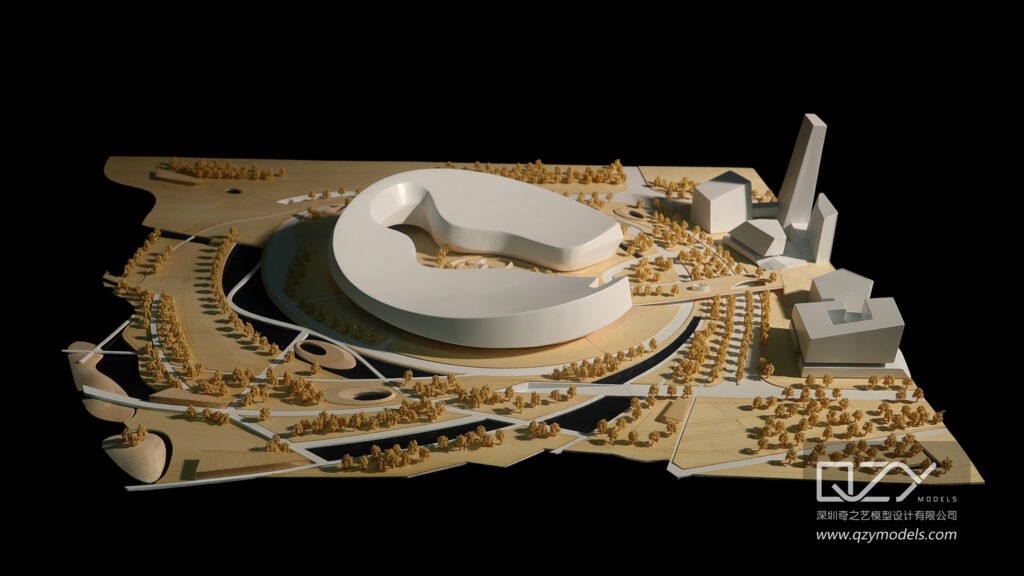
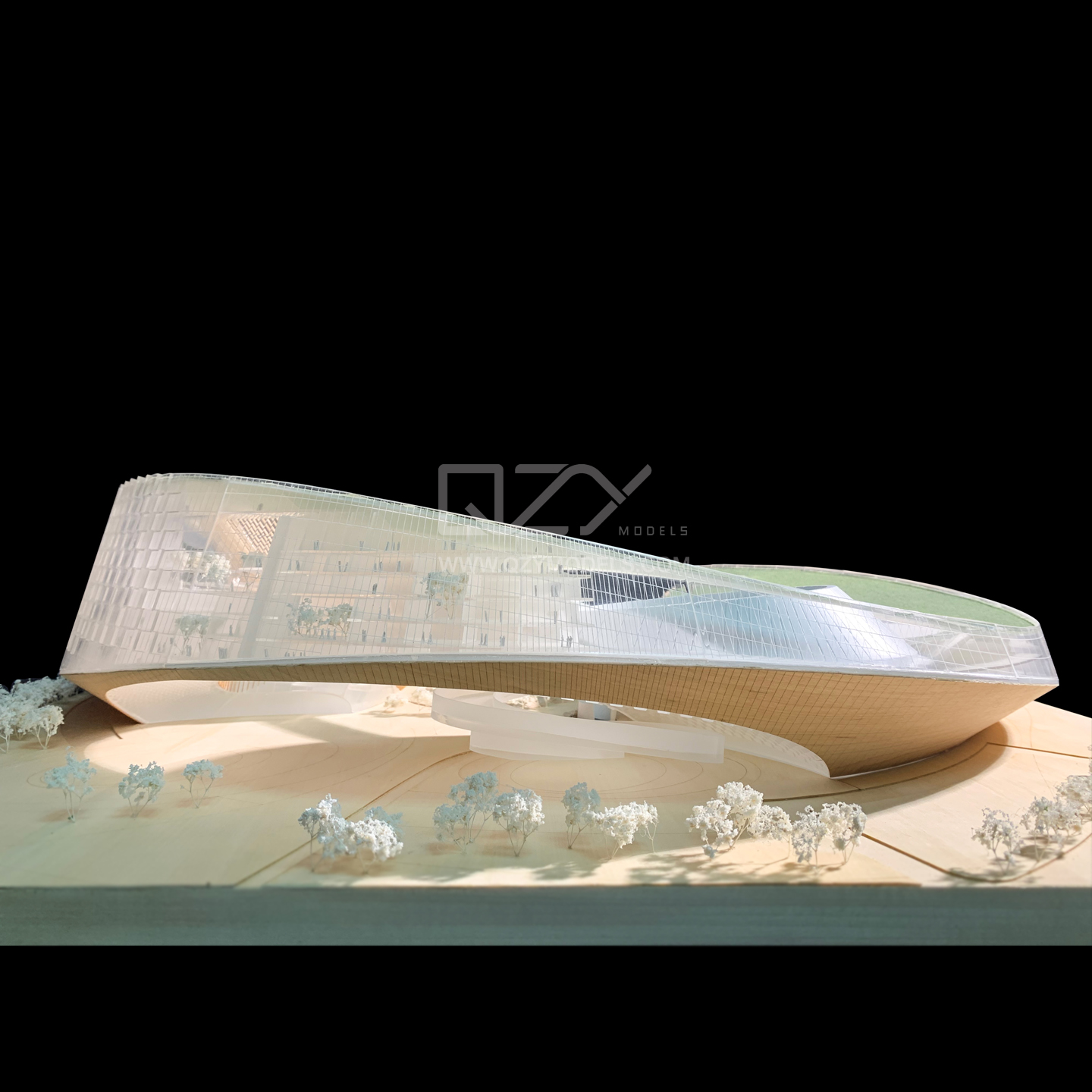
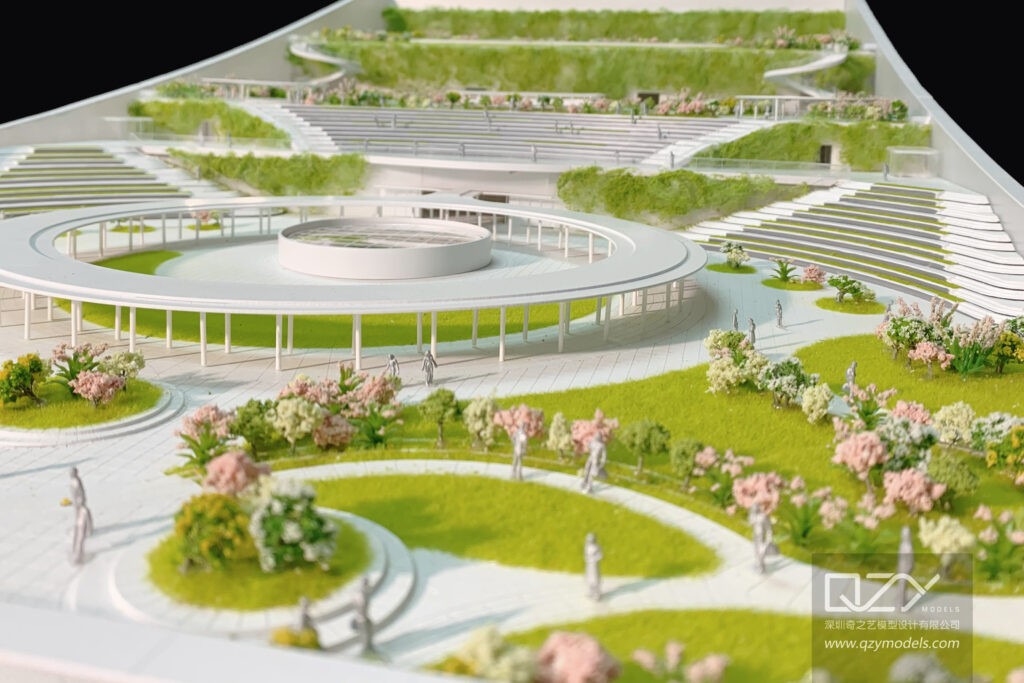
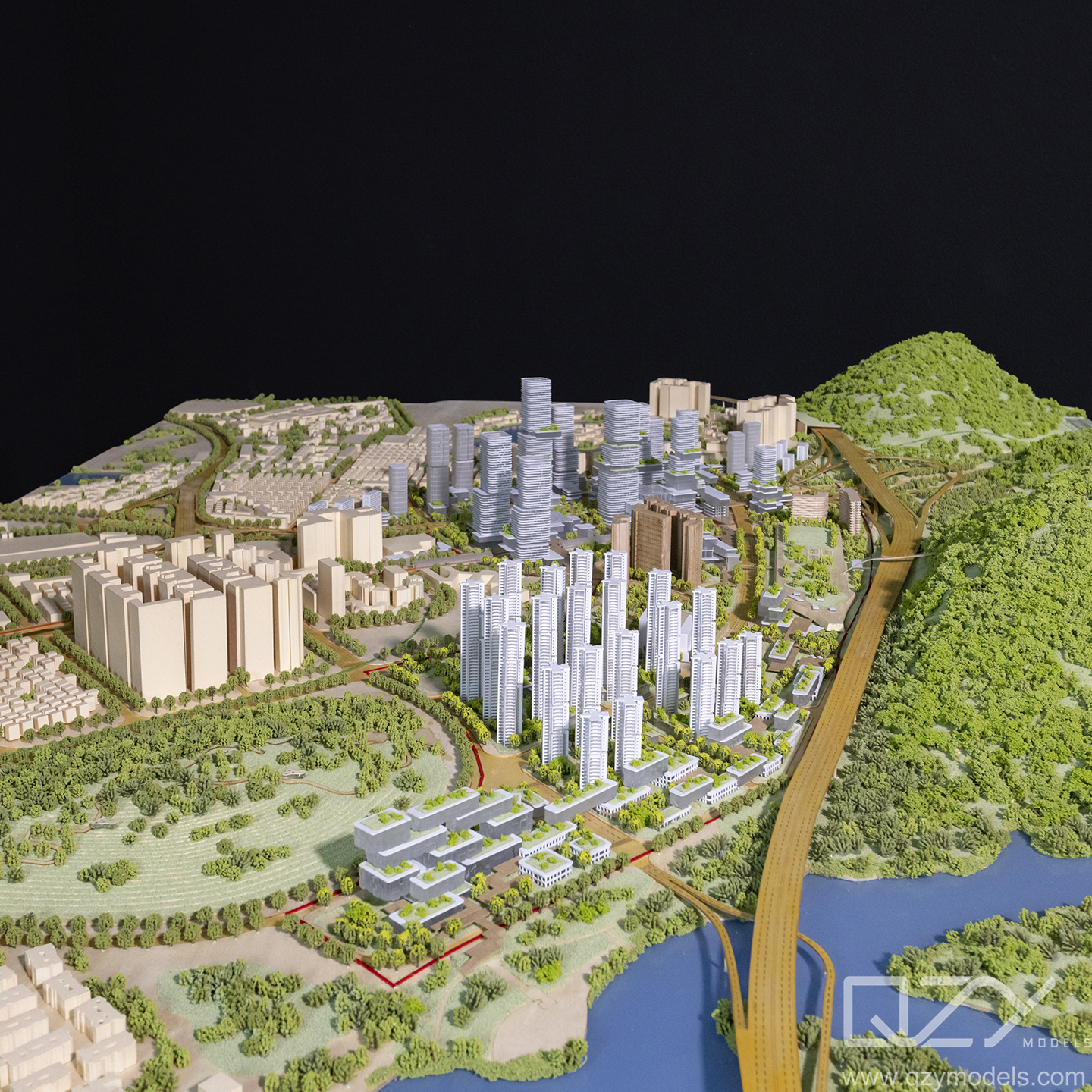
High-detail miniature buildings are redefining how architects, developers, and designers communicate complex ideas through precision craftsmanship and realistic visual storytelling, offering tangible solutions to bridge imagination and investment.
What Is the Current State of the Miniature Building Industry and What Are Its Main Challenges?
The architectural visualization industry has grown rapidly with global market value expected to reach USD 6.9 billion by 2030, fueled by the demand for immersive marketing tools and realistic modeling for urban projects according to Statista and MarketsandMarkets. Yet, the market shows imbalance: while digital renderings and VR tools dominate, physical model making faces rising costs, long lead times, and a shortage of skilled artisans.
Developers and architects still struggle to present large-scale projects in a way investors can grasp intuitively. Virtual tools impress but often lack emotional depth and tactile impact—an element impossible to replicate digitally. Moreover, clients in sectors such as urban planning or real estate marketing often require convincing physical representations to accelerate approvals and pre-sales.
The challenge intensifies when precision and durability come into play: poor material selection, inconsistent scale, and limited detail can compromise presentation quality and brand reputation. As a result, firms are seeking advanced model-making partners who combine artistry, engineering accuracy, and international project management capabilities—qualities that define the leadership of QZY Models.
Why Are Traditional Model-Making Solutions Failing to Meet Modern Demand?
Traditional model production often relies on manual craftsmanship using outdated tools, which, while artistic, leads to inconsistent output and slow turnaround times. Without integration of digital fabrication or cross-border logistics, timelines become unpredictable.
Clients face issues such as communication barriers, insufficient material innovation, and unreliable project coordination, especially in large-scale international developments. Smaller studios may deliver visually appealing models but rarely achieve industrial precision or mass customization.
Additionally, sustainability and energy-efficient practices—now key concerns for developers—are frequently neglected in conventional model workshops, increasing waste and costs in the long run.
How Does QZY Models Provide an Innovative and Scalable Solution?
QZY Models delivers a next-generation approach that merges advanced manufacturing technology with artistic precision. Using digital design integration, laser cutting, CNC milling, and 3D printing systems, QZY ensures every model maintains millimeter-level accuracy while reducing production time by up to 40%.
Each project undergoes a coordinated review process involving architects, engineers, and design consultants to align technical drawings with creative execution. With over a decade of experience and a portfolio including clients like Foster + Partners and China Resources, QZY Models sets benchmarks for quality, consistency, and client satisfaction.
Their international network—with branches across China, the UAE, Saudi Arabia, and Egypt—enables timely delivery and real-time progress monitoring no matter where clients are located.
What Are the Key Advantages Compared to Traditional Model-Making?
| Feature / Capability | Traditional Workshops | QZY Models Advanced Process |
|---|---|---|
| Production Accuracy | Manual measurement errors ±2mm | Digital precision ±0.2mm |
| Turnaround Time | 6–12 weeks average | 3–6 weeks average |
| Material Options | Limited (mainly plastics, foam) | Premium composites, acrylics, metal, resin |
| Global Logistics Support | Local delivery only | International delivery with tracked logistics |
| Sustainability | High waste ratio | Optimized material usage and energy-efficient workflow |
| Client Communication | Email-only feedback | 3D preview dashboards and live project updates |
How Can Clients Implement QZY’s Solution Step-by-Step?
-
Project Consultation – Clients share architectural drawings, renderings, or CAD files.
-
Technical Assessment – QZY’s engineering team evaluates scale, material, and lighting feasibility.
-
Design Simulation – A digital preview model is created for client approval.
-
Fabrication – Precision modeling using advanced laser, CNC, and color printing equipment.
-
Quality Assurance – Every component is inspected, assembled, and tested for accuracy.
-
Delivery and Installation – Models shipped globally with on-site installation assistance if required.
Which Use Cases Best Demonstrate QZY Models’ Impact?
Case 1: Real Estate Pre-Sales Display
Problem: Developers needed to visualize a luxury residential complex to attract investors. Traditional 3D renderings lacked realism.
Solution: QZY Models built a 1:100 scale lighting-integrated model with detailed interior layouts.
Result: The project achieved a 25% faster investor sign-off rate.
Key Benefit: Higher engagement and immediate visualization of selling points.
Case 2: Urban Planning Presentation
Problem: Municipal projects required physical representation of a redevelopment zone.
Solution: QZY Models created a modular, interactive city model showing mixed-use zones and green infrastructure.
Result: The planning committee approved the project in one session.
Key Benefit: Improved public understanding and faster policy decisions.
Case 3: Exhibition and Trade Show Showcase
Problem: Industrial design firm sought to stand out in Dubai Expo.
Solution: QZY produced a portable illuminated miniature factory model.
Result: The booth received 30% more visitor engagement than non-model displays.
Key Benefit: Tangible storytelling enhanced brand presence.
Case 4: Private Collector Showcase
Problem: Client wanted a custom architectural model of a personal estate.
Solution: QZY developed a hand-painted detailed miniature using 3D laser engraving.
Result: The collector received a museum-grade model within 5 weeks.
Key Benefit: Artistic precision meeting emotional satisfaction.
Where Is the Future of High-Detail Miniature Buildings Heading?
By 2030, the integration of AI-assisted design and smart materials will make physical model production even more adaptive and efficient. Sustainability, digital twin alignment, and hybrid displays that combine physical and augmented reality will dominate the industry roadmap.
For design professionals and developers, adopting advanced modeling solutions from partners like QZY Models now means gaining competitive advantage, reducing production risks, and delivering higher-value experiences for clients and stakeholders.
FAQ
What materials are used in QZY’s high-detail miniature buildings?
QZY uses a combination of resin, metal, acrylic, and high-density polyurethane to balance durability, texture, and transparency.
How long does it typically take to produce a model?
Depending on size and complexity, the standard production timeline ranges from 3 to 6 weeks.
Can QZY Models handle international shipping?
Yes, QZY provides global logistics including packaging, insurance, and on-site assembly support.
Who are typical clients of QZY Models?
Architectural design firms, real estate developers, urban planners, exhibition organizers, and private collectors.
Why should I choose QZY Models over local workshops?
QZY combines global project management, advanced digital manufacturing, and proven quality control for consistent results at an international standard.