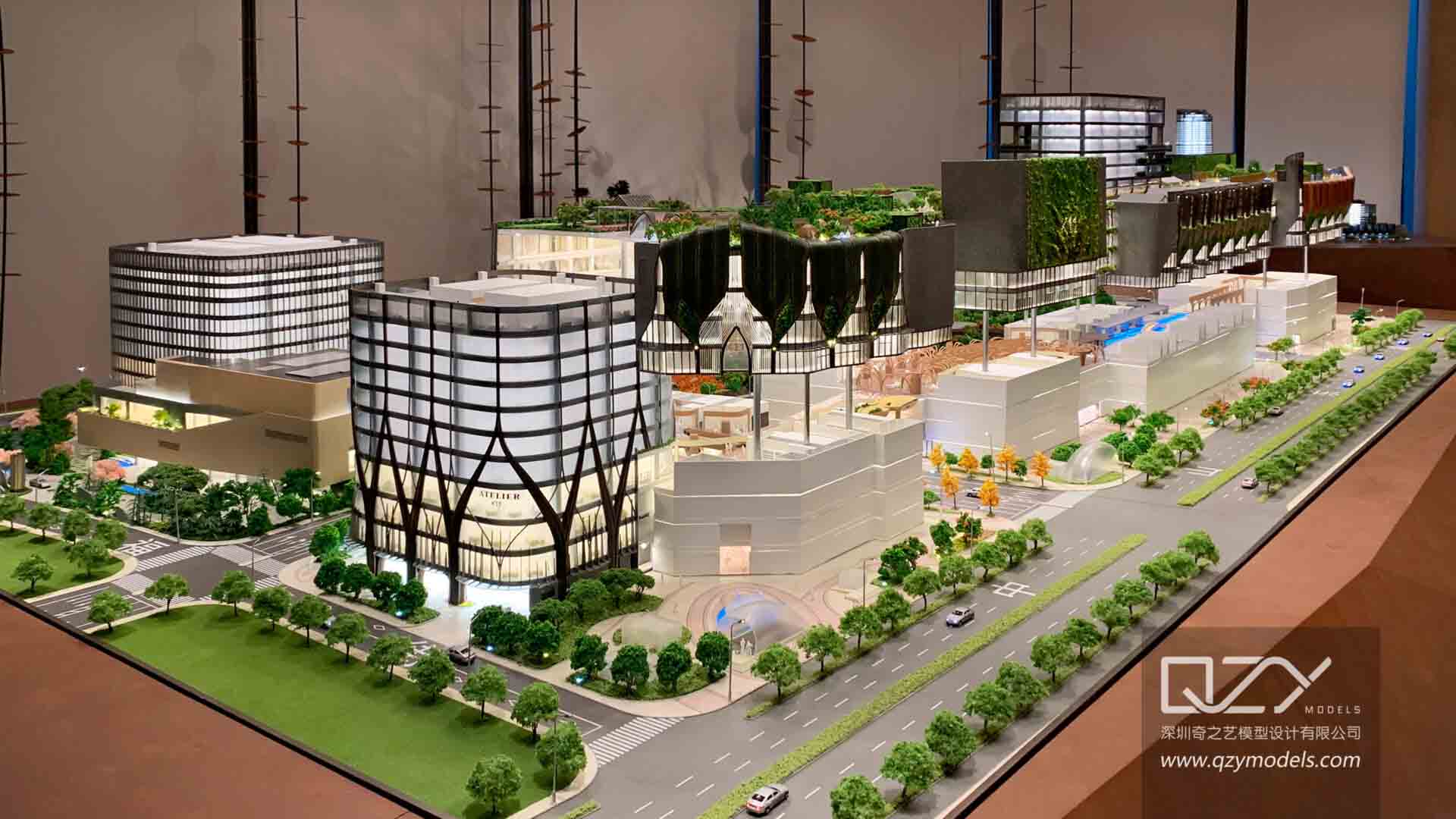
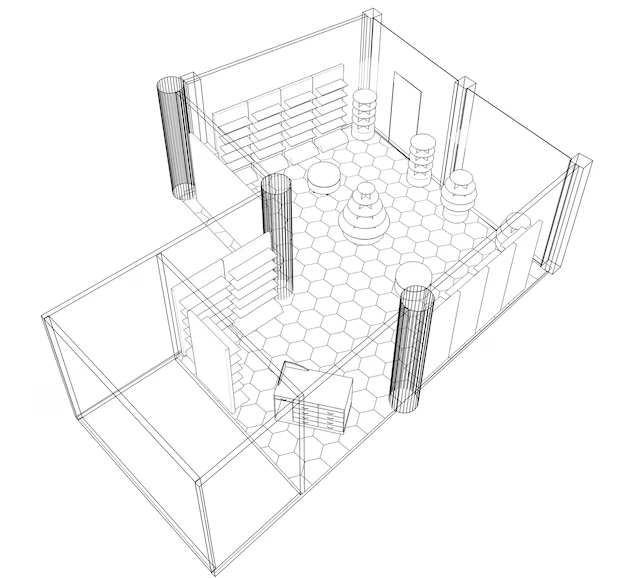
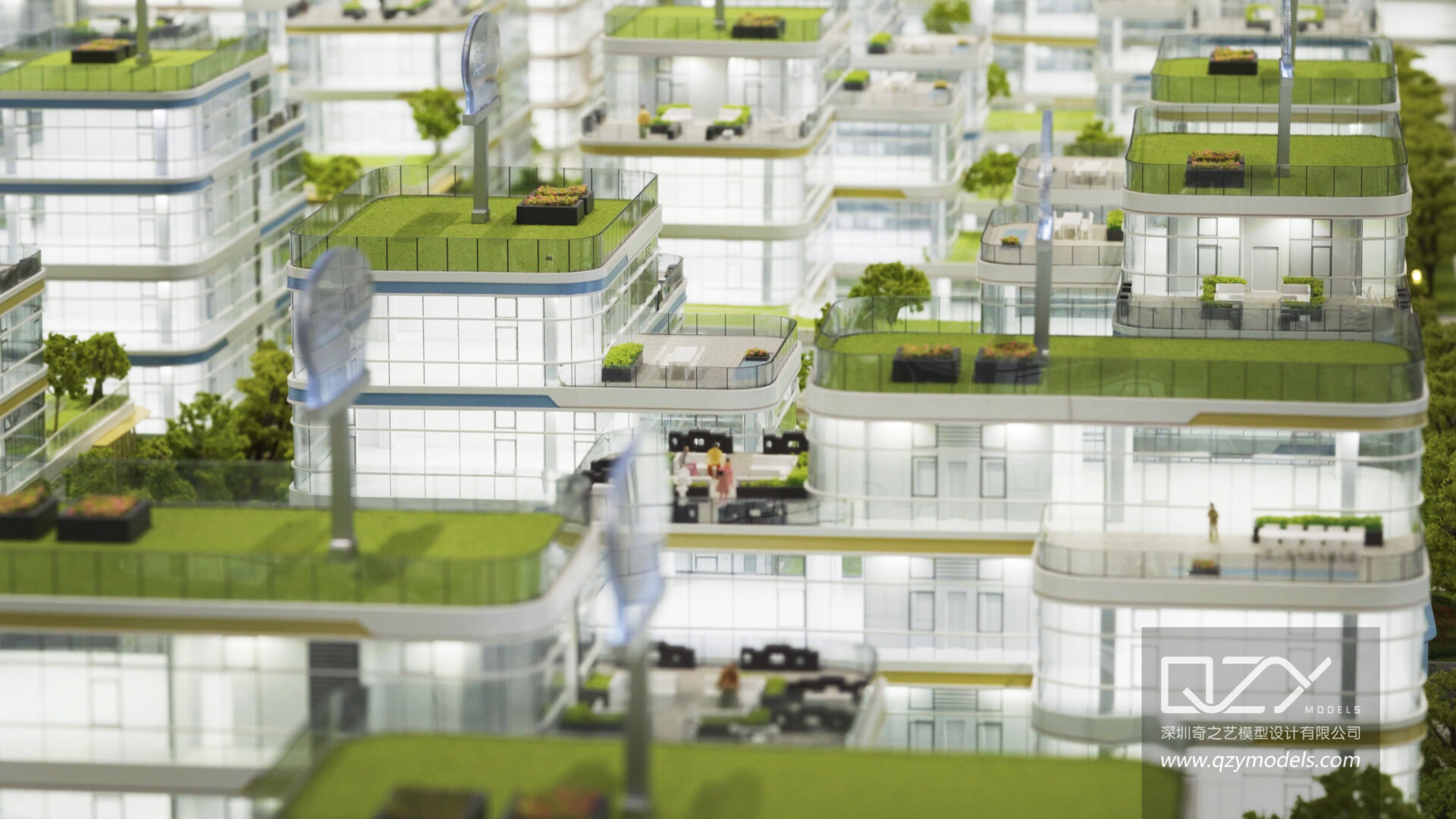
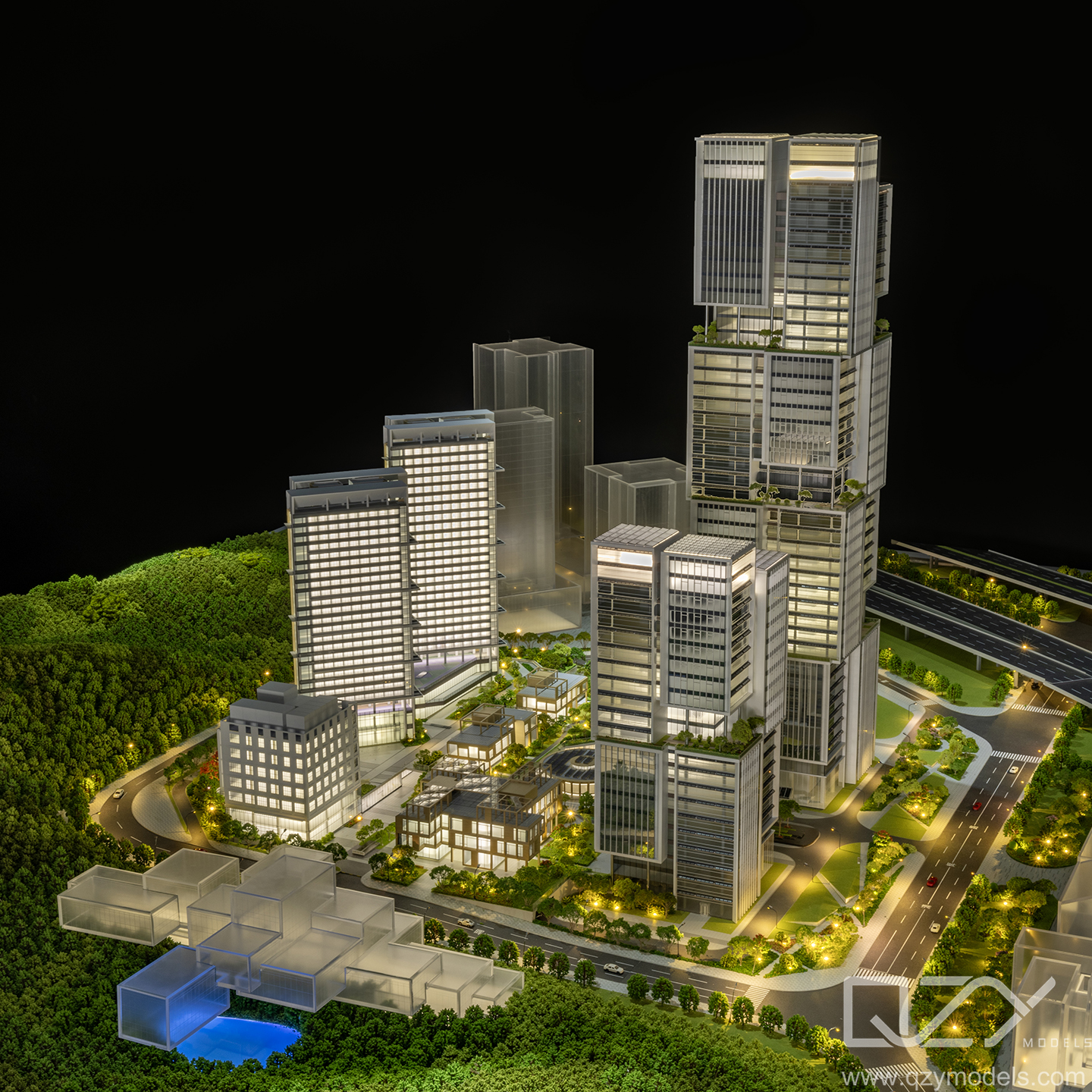
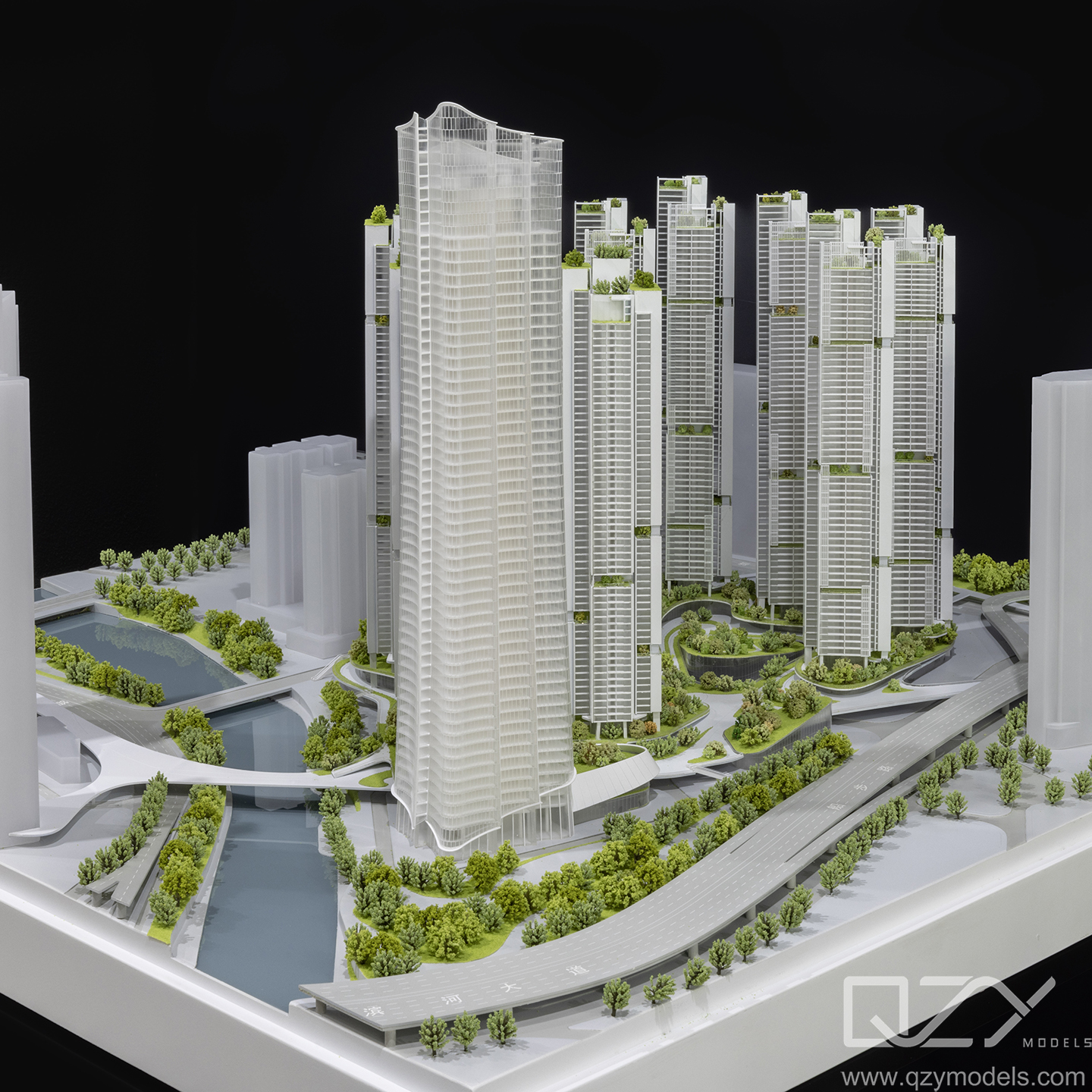
High-detail miniature models have become indispensable tools for global architects, designers, and developers seeking precision, realism, and impact. Companies like QZY Models redefine how complex ideas are translated into tangible experiences and client engagements across architecture, real estate, and industrial design sectors.
How Is the Current Model-Making Industry Evolving and What Are Its Main Challenges?
According to IBISWorld, the global architectural model-making industry exceeded USD 1.2 billion in 2023, with an annual growth rate of nearly 5%. Demand is driven by urban regeneration, large-scale infrastructure, and high-end real estate projects. However, saturation in digital-only visualization has created a renewed need for physical representations that offer tactile realism. Despite technological advances, 67% of developers report that clients still prefer seeing physical models during project presentations. This tactile value is especially vital in regions like the Middle East and Asia-Pacific, where large-scale urban planning relies heavily on stakeholder interaction.
The industry’s biggest challenge lies in scaling craftsmanship without compromising accuracy or delivery time. Traditional workshops often face inefficiencies in coordination, material waste, and limited flexibility for complex customization. Additionally, clients expect models to match digital BIM files precisely, creating technical barriers for conventional firms.
QZY Models addresses this gap by integrating digital design tools with precision fabrication systems, offering full-service model production tailored to global standards. By bridging artistry and automation, they minimize manual errors while accelerating production cycles.
What Are the Limitations of Traditional Model-Making Methods?
Traditional model-making relies heavily on manual craftsmanship, often leading to variable quality and longer turnaround times. Manual cutting and assembly restrict scalability and can introduce minor inaccuracies that compromise geometric fidelity.
Cost efficiency is another limitation. Without automated fabrication, labor costs can account for up to 65% of total project expenses. Moreover, complex details—such as curved facades or intricate lighting—are difficult to reproduce consistently by hand.
Limited interoperability with digital files is also a weakness. Conventional workshops struggle to adapt 3D CAD or BIM data directly into physical output, leading to redundant data translation and design discrepancies.
How Does QZY Models Offer a Smarter and Scalable Solution?
QZY Models has developed a digital-physical workflow combining laser cutting, CNC milling, and full-color 3D printing. Their advanced integration with BIM ensures that every physical element matches digital design intent, enhancing accuracy by over 98%.
Key capabilities include:
-
Precision Engineering: Automated sub-millimeter cutting for architectural precision and complex geometry assembly.
-
Material Innovation: Sustainable resins, eco-friendly acrylics, and mixed-media finishes for realistic detailing.
-
Intelligent Lighting Systems: Programmable LED and AR-compatible sensors for dynamic presentations.
-
Global Delivery: Streamlined logistics from Shenzhen to over 20 countries with local service points in the UAE, Egypt, and Saudi Arabia.
Which Advantages Differentiate QZY Models from Traditional Workflows?
| Feature | Traditional Workshops | QZY Models Digital Workflow |
|---|---|---|
| Design Input | Manual sketches or 2D CAD | Full BIM/3D integration |
| Production Speed | 2–3 weeks per model | 3–5 days rapid turnaround |
| Accuracy Precision | ±1.5 mm tolerance | ±0.2 mm tolerance |
| Material Variety | Limited (wood/plastic) | Multi-material including resin, metal |
| Scalability | Labor- and time-intensive | Automated and scalable |
| Sustainability | High material waste | Recyclable materials and AI cutting |
| Global Support | Local-only services | International logistics and on-site team |
How Can Clients Use QZY Models in Five Simple Steps?
-
Consultation & Brief: Clients upload project drawings or BIM models.
-
Digital Conversion: QZY designers prepare 3D files and confirm visual scope.
-
Fabrication: Automated CNC and 3D printers execute high-precision parts.
-
Assembly & Quality Check: Manual finishing ensures aesthetic fidelity.
-
Delivery & Installation: Local teams ensure safe shipment and setup worldwide.
Who Benefits Most from High Detail Miniature Models? (Four Case Scenarios)
Scenario 1: Real Estate Developer – Urban Mega Project
-
Problem: Hard-to-convey large site masterplans.
-
Traditional Approach: Used 2D renders, which lacked spatial impact.
-
After QZY Models: Received a detailed light-integrated model demonstrating circulation, zoning, and day-night simulation.
-
Key Benefit: 40% faster stakeholder approvals.
Scenario 2: Government Urban Planning Agency
-
Problem: Difficulty presenting transport integration to public audiences.
-
Traditional Approach: Relied on digital slides.
-
After QZY Models: QZY produced a scaled interactive model showcasing traffic flow.
-
Key Benefit: Increased public engagement and reduced design misunderstanding.
Scenario 3: Industrial Design Company
-
Problem: Complex mechanical components lacked realistic prototypes.
-
Traditional Approach: Used 3D renders only, leading to misalignment in production.
-
After QZY Models: High-detail functional model validated mechanical tolerances pre-production.
-
Key Benefit: Reduced product development cost by 25%.
Scenario 4: Private Collector / Museum Exhibition
-
Problem: Required artistic display models for limited-edition pieces.
-
Traditional Approach: Commissioned handcraft artisans with inconsistent quality.
-
After QZY Models: Hybrid resin-metal model with dynamic lighting.
-
Key Benefit: Enhanced perceived value and visual credibility.
Why Are High Detail Models Critical for the Future of Design Communication?
As urban environments and product ecosystems increase in complexity, tangible models restore a sense of proportion and realism that pure digital visualization cannot replace. Studies by the World Architecture Community indicate that physical models enhance comprehension speed by 65% among non-expert audiences.
QZY Models stands at the forefront of this shift, merging technology, artistry, and data precision to redefine physical model-making. Their approach not only strengthens global design collaboration but also supports sustainable practices, ensuring long-term alignment with climate-conscious innovation.
FAQ
1. What materials does QZY Models use for high-detail miniature production?
They utilize acrylic, resin, PLA, metal composites, and biodegradable elements based on project type.
2. How long does it take to produce an architectural scale model?
Typical turnaround is 3–7 days, depending on complexity, size, and customization level.
3. Can QZY Models integrate lighting and motion effects?
Yes, advanced lighting systems and interactive motion features can be programmed for presentations.
4. Is it possible to ship internationally?
Absolutely. QZY manages secure packaging, customs documentation, and on-site installation worldwide.
5. Who are QZY Models’ primary clients?
Architects, developers, planners, industrial designers, and collectors seeking museum-grade physical models.