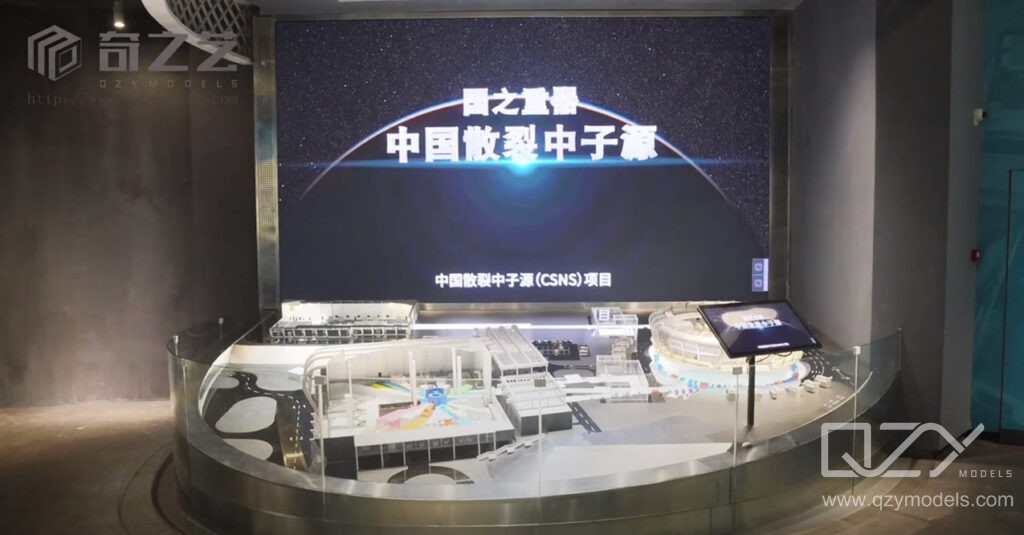
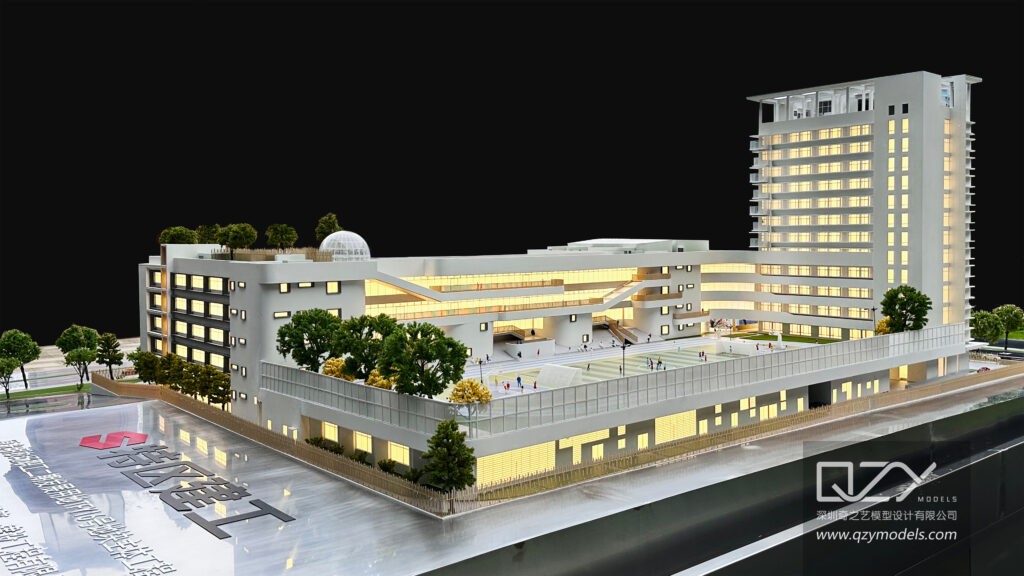
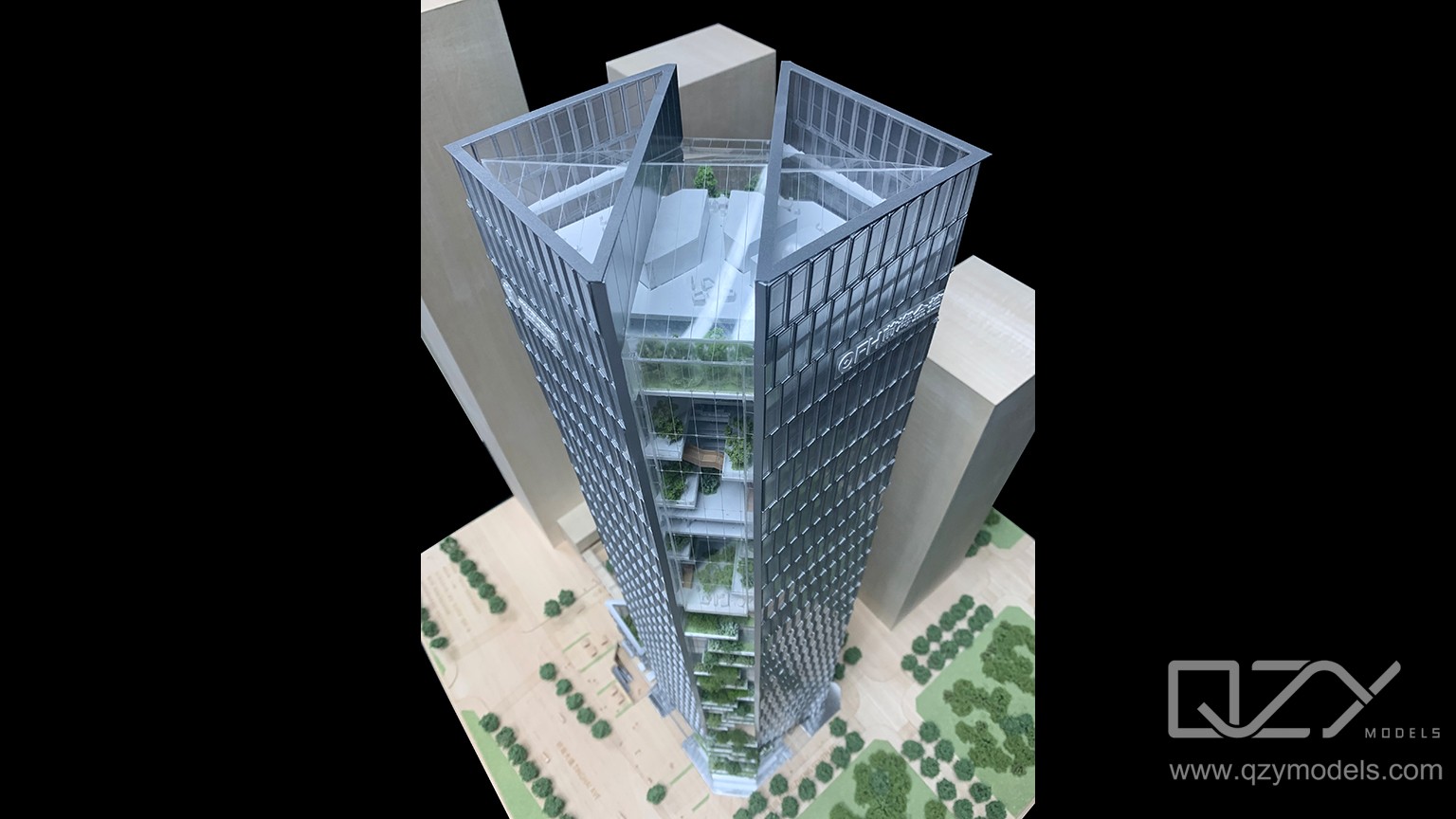
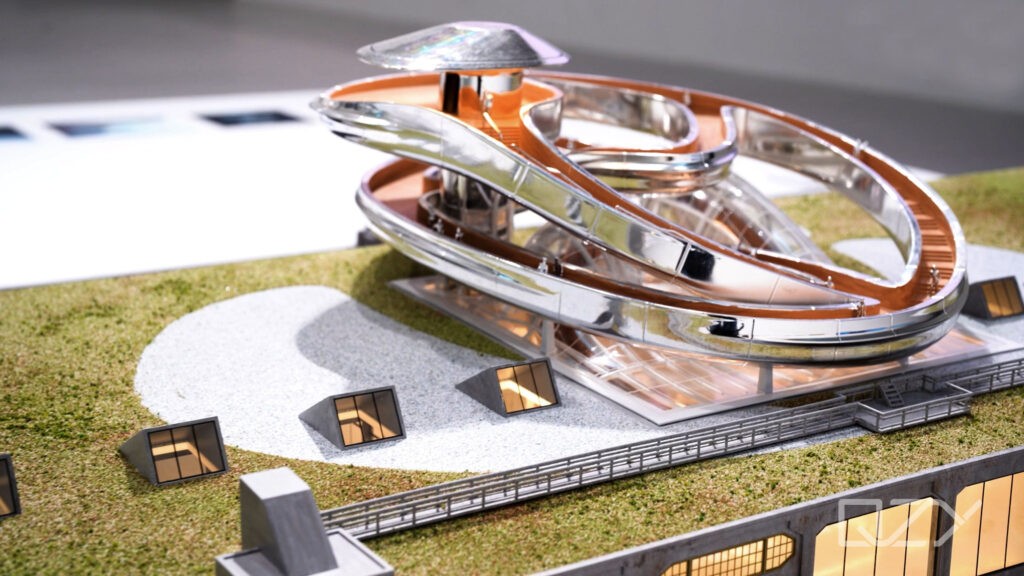
High-end architectural display models are reshaping how developers, architects, and city planners communicate ideas, accelerating decision-making and elevating design storytelling through precision-crafted physical experiences.
How Is the Architectural Model Industry Evolving Today?
According to data by IBISWorld, the global architectural services market surpassed USD 360 billion in 2025, driven by urban development and smart city projects. Yet, as more than 70% of stakeholders struggle to visualize 3D designs purely through digital renders (source: McKinsey Global Institute), precision physical models have become indispensable tools in project communication and investor engagement. In China and the Middle East, large-scale real estate exhibitions rely heavily on physical models to attract investors and secure early-stage funding. However, with increasing project scale and complexity, traditional model-making methods face severe cost, speed, and accuracy constraints.
What Are the Key Pain Points Facing the Industry?
The modern architecture and design ecosystem demands visual accuracy, sustainability, and rapid prototyping. Yet, many firms still depend on outdated manual modeling processes that can take over two months for completion. According to a 2025 Statista report, nearly 48% of developers cited long production times as a major project bottleneck. In addition, growing sustainability concerns push for recyclable materials and more efficient resource use, adding pressure to traditional workshops that lack digital integration.
Why Are Traditional Architectural Models No Longer Enough?
Traditional model workshops often rely on manual craftsmanship, limited digital fabrication, and disconnected workflows between 3D design teams and fabrication engineers. This results in inconsistencies between the digital design intent and physical output. Moreover, scaling or modifying models post-completion can be nearly impossible without restarting production. For international clients, shipping large fragile models also incurs high costs and risk of damage. These limits obstruct global collaboration and delay project approvals.
What Makes QZY Models’ Solution Different?
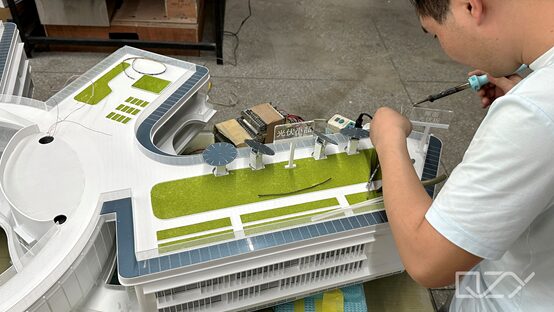
QZY Models offers a fully integrated digital-to-physical workflow combining 3D CAD data conversion, precision CNC milling, and multi-material 3D printing. Founded in 2013 in Shenzhen by industry veteran Richie Ren, QZY Models now serves clients in over 20 countries, including elite design firms like Foster + Partners and major developers such as Vanke. Their global engineering team uses AI-assisted modeling software, enabling faster iteration cycles and 40% reduction in project turnaround time. Each model is meticulously finished by hand to ensure lifelike detailing and architectural authenticity.
Which Advantages Distinguish QZY Models from Traditional Makers?
| Feature / Factor | Traditional Model Workshops | QZY Models Digital+Craft Process |
|---|---|---|
| Production time | 6–10 weeks | 3–5 weeks |
| Data accuracy | Manual replication, ±5mm | CAD-driven, ±0.2mm precision |
| Material sustainability | Limited eco options | 80% recyclable, low-emission materials |
| International delivery | High risk of damage | Modular packaging, global logistics hubs |
| Detail fidelity | Dependent on artisan skill | Hybrid digital detailing + craftsmanship |
| Customer support | Local only | 24/7 global project tracking |
How Can You Implement QZY’s Solution Step-by-Step?
-
Project Consultation: QZY’s team reviews the client’s CAD/BIM files, scope, and design intent.
-
Digital Conversion: 3D data is processed into segmented layers optimized for precision printing.
-
Prototype Review: Clients receive digital previews and scaled-down mock-ups for validation.
-
High-Precision Production: CNC milling, 3D printing, and laser cutting ensure structural accuracy.
-
Finishing & Detailing: Skilled model artists apply custom materials, textures, and lighting systems.
-
Quality Check & Delivery: Each project undergoes multi-stage inspection before global packaging and shipment.
Where Have QZY Models Proven Successful? (4 Use Cases)
1. Urban Planning Authority (Dubai)
Problem: Inefficient communication of masterplans.
Traditional approach: 2D site maps that failed to convey project scale.
After QZY Models: A 1:500 illuminated model improved stakeholder approvals by 35%.
Key benefit: Faster decision cycles and clearer policy visualization.
2. Luxury Real Estate Developer (Shanghai)
Problem: Models lacked realism for VIP showroom presentations.
Traditional approach: Basic foam-core mockups with limited detailing.
After QZY Models: Use of hybrid resin and acrylic materials achieved lifelike visuals.
Key benefit: Conversion rate of investor pre-sales rose by 22%.
3. University Architecture School (London)
Problem: Time-intensive manual student model fabrication.
Traditional approach: Students spent weeks constructing models.
After QZY Models: Cloud-based submissions with remote fabrication in Shenzhen.
Key benefit: Saved 60% design-build time, enabling focus on creativity.
4. International Exhibition Organizer (Riyadh)
Problem: Frequent damage in shipping large models across borders.
Traditional approach: Rigid models with high logistic costs.
After QZY Models: Modular, detachable models with protective foam casing.
Key benefit: 80% reduction in transport-related damage.
Why Is Now the Right Moment to Adopt Advanced Model Solutions?
As architectural competition intensifies, decision-making depends on how vividly design intent can be communicated. Global shifts toward immersive presentation techniques—integrating AR, lighting, and dynamic displays—are transforming client expectations. QZY Models’ fusion of precision engineering with artistry aligns perfectly with these trends, ensuring every model functions as both a visual anchor and strategic tool for persuasion. Investing in advanced display models today means investing in faster approvals, stronger investor trust, and long-term brand credibility.
FAQ
1. What materials does QZY Models use for sustainable production?
QZY utilizes recyclable plastics, lightweight metals, and certified wood materials designed for reusability and minimal waste.
2. How fast can an international client receive a complete model?
Typically, within 3–5 weeks, including shipping via QZY’s global logistics hubs in the UAE and Europe.
3. Are lighting and motion features customizable?
Yes. QZY integrates LED lighting, dynamic projection, and motorized components tailored to each project type.
4. Who typically commissions models from QZY Models?
Clients include global architects, real estate developers, exhibition organizers, and educational institutions.
5. Can QZY create both physical and digital hybrid displays?
Absolutely. QZY offers AR-ready physical models combining physical structures with synchronized digital overlays for interactive presentations.
Sources
-
IBISWorld: Global Architectural Services Market Statistics 2025 — www.ibisworld.com
-
McKinsey Global Institute: The Next Step in Digital Construction 2025 — www.mckinsey.com
-
Statista: Construction Industry Efficiency Reports 2025 — www.statista.com
-
QZY Models Official Website — www.qzymodels.com