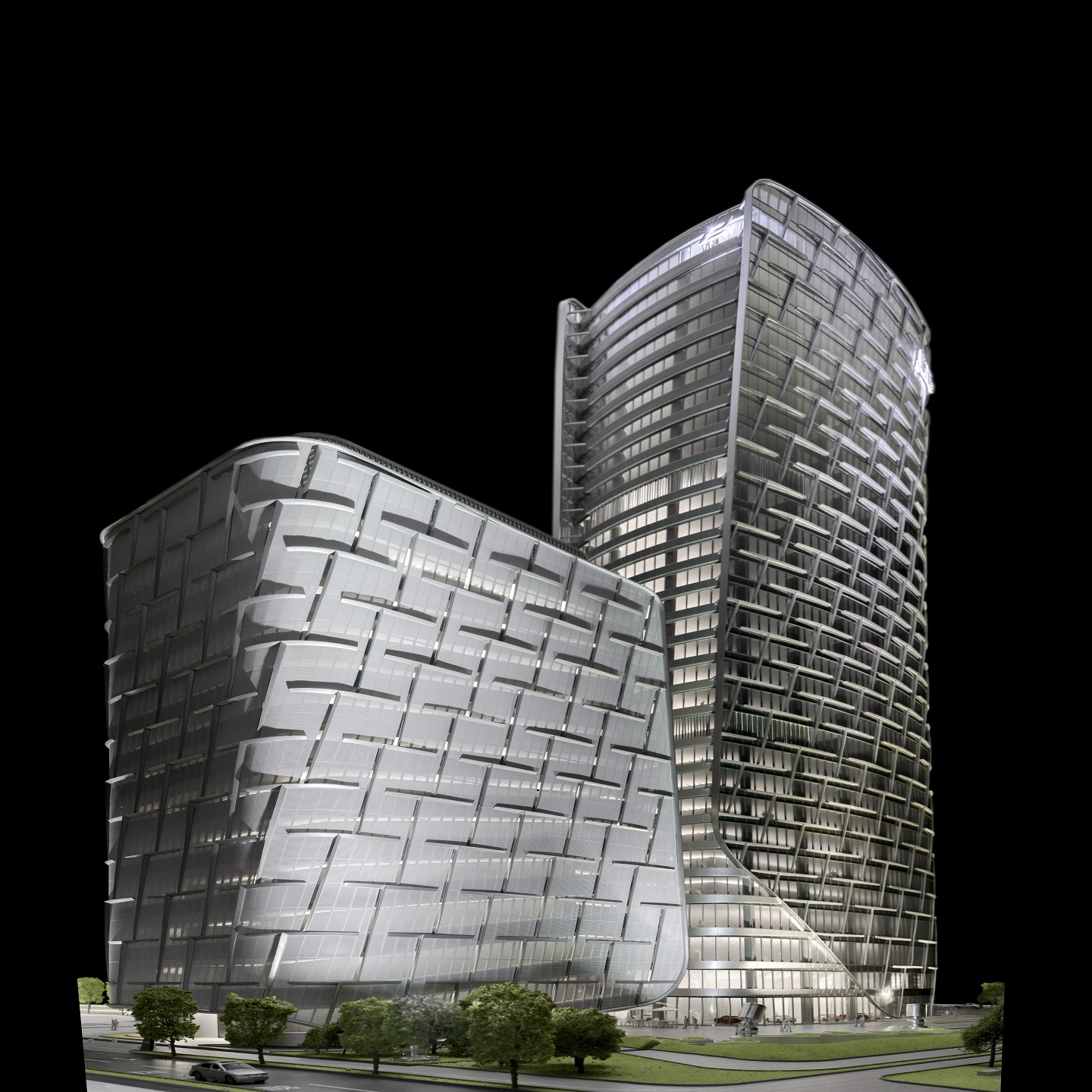
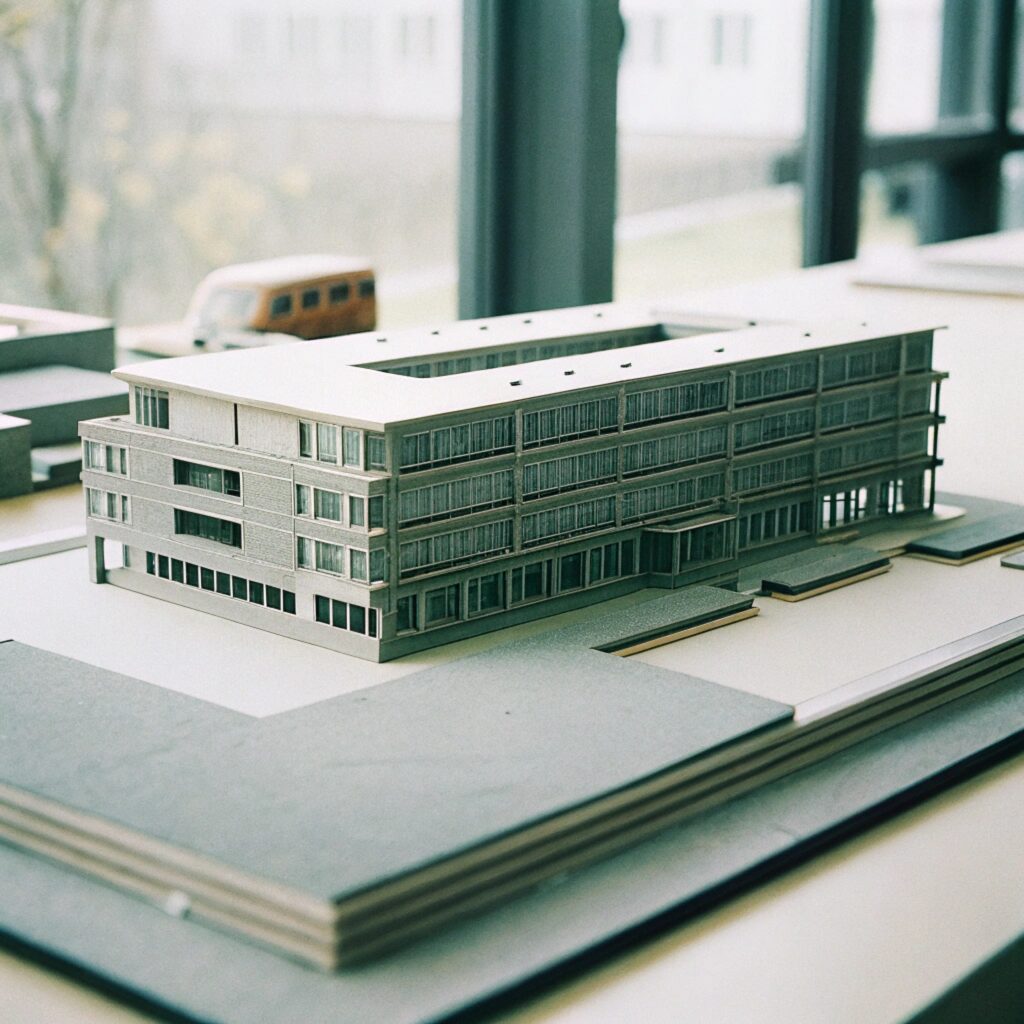
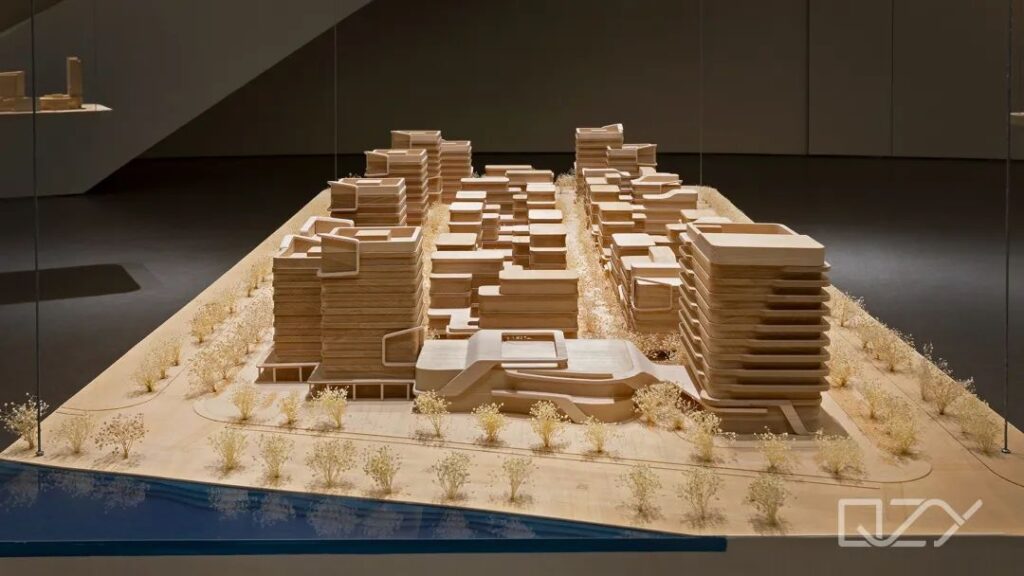
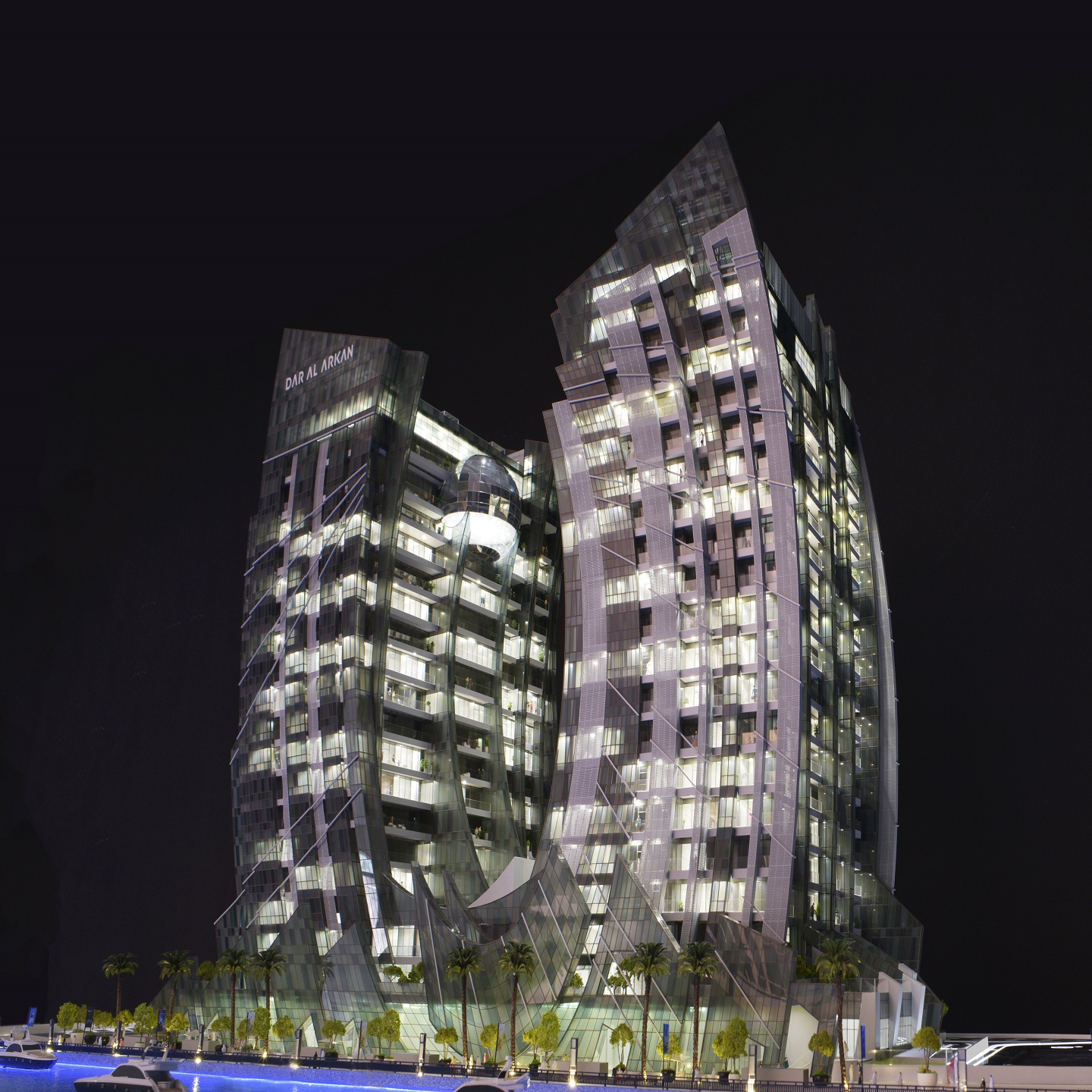
High-precision architectural models are transforming how architects, developers, and planners visualize and communicate complex design concepts. With state-of-the-art fabrication technologies and expert craftsmanship, companies like QZY Models deliver exceptional accuracy, realism, and storytelling power that elevate architectural communication to a new level.
What Is the Current Industry State and What Pain Points Exist?
The architectural visualization industry is rapidly expanding as cities and developers demand more sophisticated presentation tools. According to Allied Market Research, the global architectural visualization market is projected to surpass USD 6 billion by 2031, driven by real estate growth and technology adoption. However, this rapid development exposes several pain points in communication and precision.
Firstly, many design stakeholders still rely on 2D renders or low-detail mockups that fail to convey spatial relationships accurately. These tools lack tactile realism, often resulting in misinterpretations of project scale and material character. As a result, client approvals and regulatory reviews become more time-consuming and error-prone.
Secondly, the push for sustainability and smart urban development demands precise physical modeling for environmental simulation, daylight analysis, and energy optimization. Yet, traditional craftsmanship methods often fall short of achieving millimeter-level accuracy required for such applications.
Lastly, global real estate exhibitions now require models that not only impress but also demonstrate technical fidelity. This shift toward “experiential display” drives the need for high-precision architectural models that merge engineering-grade data with aesthetic excellence. QZY Models, with its international portfolio, stands at the forefront of this evolution.
Why Are Traditional Architectural Models No Longer Enough?
Traditional model workshops depend heavily on manual fabrication and subjective interpretation. Despite their artistry, the outcome often varies in accuracy, scale precision, and durability. Inconsistent materials and manual assembly errors can lead to distortions of 1–2 millimeters—significant when scaled for large projects.
Additionally, traditional models are static and limited in function. They cannot interact with digital systems or illustrate design dynamics such as lighting transitions, landscape changes, or structural phases. This restricts their usefulness to purely visual demonstration.
In contrast, today’s market demands intelligent, data-integrated models that harmonize beauty with scientific precision. This shift from “craft” to “fusion fabrication” highlights why innovators like QZY Models have invested in automated CNC milling, high-resolution 3D printing, and micro-scale laser processing.
How Does QZY Models Deliver High-Precision Architectural Models?
QZY Models integrates digital design and precision engineering into every project. Its production process combines computer-aided modeling with controlled fabrication systems to ensure repeatable accuracy and visual excellence.
Key capabilities include:
-
Sub-millimeter CNC milling for structural accuracy within ±0.1 mm tolerance.
-
High-resolution resin 3D printing to replicate intricate façade details.
-
Laser cutting and engraving for transparency, texture, and pattern fidelity.
-
Digital lighting integration to simulate ambient and environmental conditions.
-
Global project management ensuring consistency across all QZY production bases.
Through these technologies, QZY Models balances artistry and precision, producing physical models that serve design validation, investor engagement, and public presentation.
Which Advantages Make High-Precision Model Making Superior?
| Feature | Traditional Model Making | QZY Models High-Precision Approach |
|---|---|---|
| Dimensional Accuracy | ±2 mm average | ±0.1 mm with digital calibration |
| Material Consistency | Manual selection | Controlled fabrication and climate-stable materials |
| Integration with BIM/CAD | Minimal | Fully synchronized with 3D and BIM data |
| Lighting and Dynamics | Static components | Programmable lighting and automated motion |
| Turnaround Time | 2–3 months | 30–40% faster through digital production |
| Presentation Impact | Basic visual | Museum-grade, interactive, and realistic quality |
How Can Clients Collaborate with QZY Models Step by Step?
-
Briefing and Data Review – Clients submit CAD or BIM data and define project goals.
-
Digital Modeling – QZY translators convert digital files into scalable, fabrication-ready models.
-
Precision Engineering Setup – Machines are calibrated to specific tolerances and materials selected.
-
Fabrication and Detailing – 3D printing, CNC milling, and hand finishing ensure both beauty and structural accuracy.
-
Lighting, Assembly, and Quality Testing – Systems and surfaces are verified under real display conditions before delivery.
What Are Some Real-World Scenarios Where High-Precision Models Excel?
Case 1: International Design Competition
-
Problem: Visual presentations lacked precision under tight timeline pressure.
-
Traditional Method: Foam-based models inaccurately reflected scale.
-
Solution: QZY Models built a 1:500 precision model using 3D data synchronization.
-
Result: Award-winning clarity led to the project winning first place in competition.
Case 2: Luxury Real Estate Sales Center
-
Problem: Buyers struggled to visualize premium residential layouts.
-
Traditional Method: Digital renderings alone did not communicate depth.
-
Solution: A scaled, illuminated model by QZY Models showed terrain, materials, and night lighting effects.
-
Result: Unit reservations increased by 22% within one month post-installation.
Case 3: Urban Planning Government Exhibit
-
Problem: City development proposals were difficult for the public to grasp.
-
Traditional Method: Display boards lacked physical representation.
-
Solution: QZY Models produced a dynamic city core model with changing light cycles and movement.
-
Result: Enhanced public participation and approval ratings for planning projects.
Case 4: University Architectural Research
-
Problem: Students needed precision models for wind tunnel and daylight analysis.
-
Traditional Method: Cardboard prototypes offered limited accuracy.
-
Solution: QZY Models delivered academic-grade models integrated with testing sensors.
-
Result: Research outputs improved measurement accuracy by over 35%.
Why Do High-Precision Models Define the Future of Architecture?
Digital fabrication, smart materials, and data-driven urban analytics are reshaping physical modeling into a core engineering discipline. High-precision models are evolving from visual aids into performance tools—used for simulation testing, stakeholder validation, and global business expansion.
With AI-assisted fabrication and the rise of virtual-physical hybrid displays, the value of tactile models with measurable accuracy has never been higher. By combining craftsmanship with innovation, QZY Models enables designers, planners, and developers to communicate with confidence and achieve excellence in every presentation.
FAQ
What materials achieve the highest precision in architectural models?
Acrylic, resin, aluminum alloy, and engineered woods provide stable geometry and fine surface finish.
How accurate are QZY Models compared to digital CAD data?
Each model maintains a deviation margin below ±0.1 mm through multi-point laser calibration.
Can lighting and animation be integrated into high-precision models?
Yes. Programmable LEDs and embedded controllers enable full lighting sequences and kinetic displays.
Who are typical clients of QZY Models for such models?
Top-tier architects, developers, exhibition organizers, and academic research institutions globally.
Does QZY Models offer international logistics and installation support?
Absolutely. With branches in the UAE, Saudi Arabia, Egypt, and China, QZY provides worldwide delivery and setup.
Sources
-
Allied Market Research – Architectural Visualization Market Forecast
-
United Nations Department of Economic and Social Affairs – Cities and Urbanization Data
-
McKinsey Global Institute – Smart Cities Report
-
World Bank – Built Environment and Innovation Statistics