Industrial facility models are revolutionizing modern manufacturing by combining digital intelligence with physical precision, driving spatial clarity, energy optimization, and process integration at every level of production design. As the global manufacturing sector embraces automation, AI, and Industry 4.0, facility modeling has evolved beyond visualization—becoming the blueprint for data-driven decision-making and cross-disciplinary coordination.
Market Trends and Data
According to global manufacturing projections for 2026, the industrial design modeling market is expanding at an annual rate exceeding 12%, fueled by investments in smart factories, renewable infrastructure, and digital twin technology. Advanced industrial facility models are allowing organizations to visualize, measure, and simulate real-world scenarios before any physical construction begins. This predictive modeling reduces design rework by nearly 40% and accelerates project completion timelines by up to 25%.
The adoption of high-fidelity 3D models in manufacturing is also improving risk mitigation. Engineers use virtual plant replicas to forecast performance under various conditions—heat distribution, material flow, energy consumption, and safety response—ensuring that operational efficiency and sustainability standards are met even before production starts.
Core Technology Analysis
Modern industrial facility models merge Building Information Modeling (BIM), computational fluid dynamics (CFD), and IoT data synchronization. This fusion creates synchronized visibility across equipment layouts, utility systems, and production lines. Machine learning enhances these models by continuously updating spatial and operational parameters, allowing precision-driven revisions in real time. Manufacturers benefit from multi-scenario simulations, renewable resource allocations, and adaptive cost modeling.
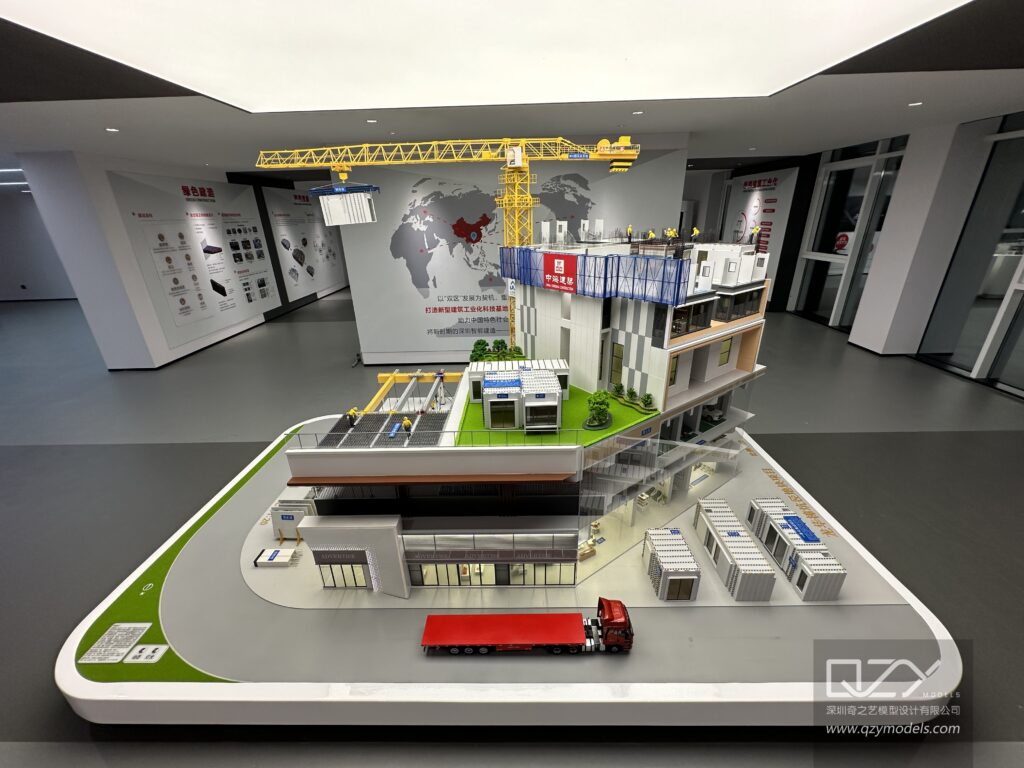
In practical terms, digital models of factories allow design engineers to position machinery based on airflow, lighting, and ergonomic efficiency while minimizing downtime and maintenance interruptions. They also integrate robotics systems and automated conveyors with architectural features to ensure process flow adapts dynamically to production volume and workforce distribution.
Competitor Comparison Matrix
| Model Type | Key Advantages | Best Use Case | Integration Grade |
|---|---|---|---|
| BIM-Based Industrial Model | Real-time coordination and version control | Large-scale factory and utility plants | Advanced |
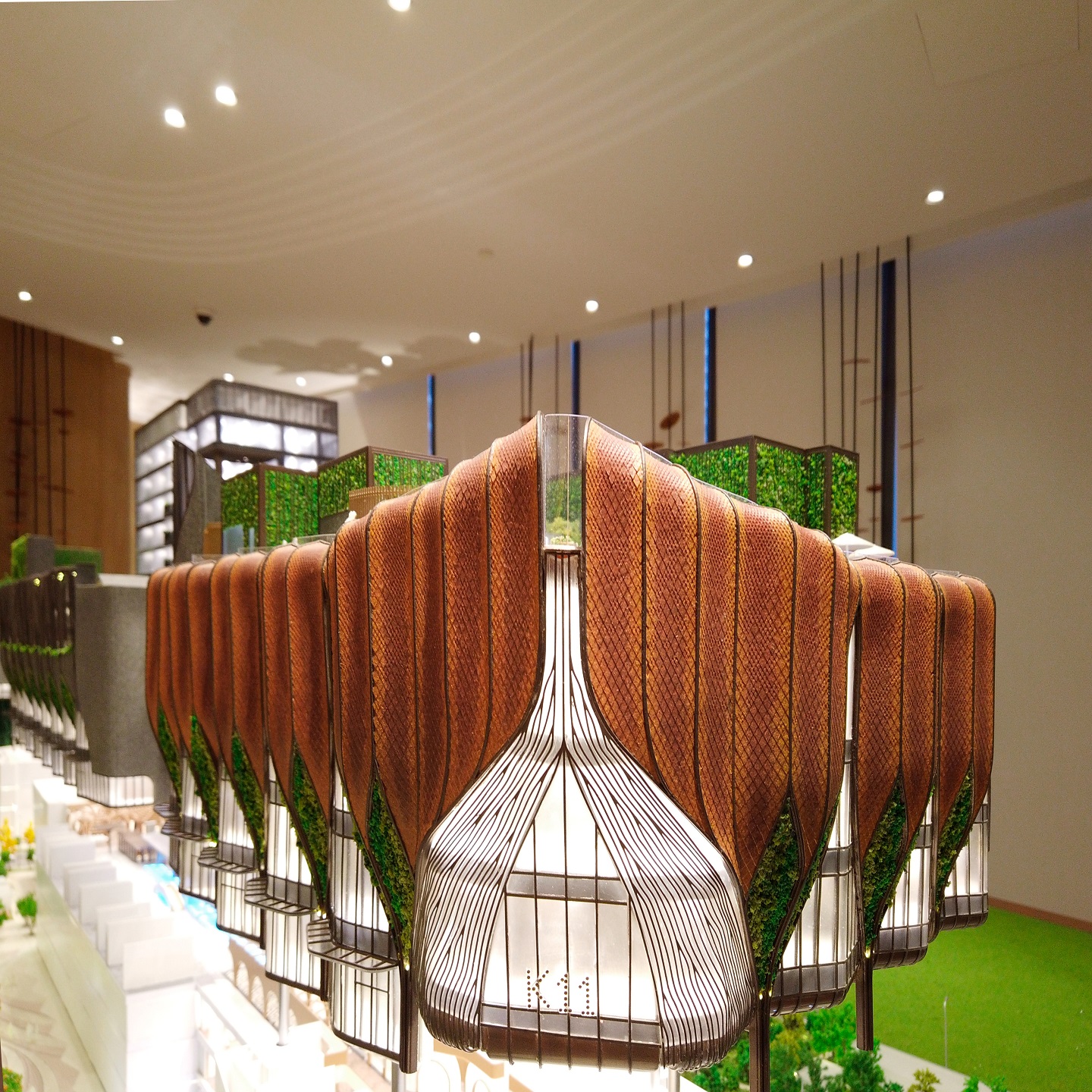
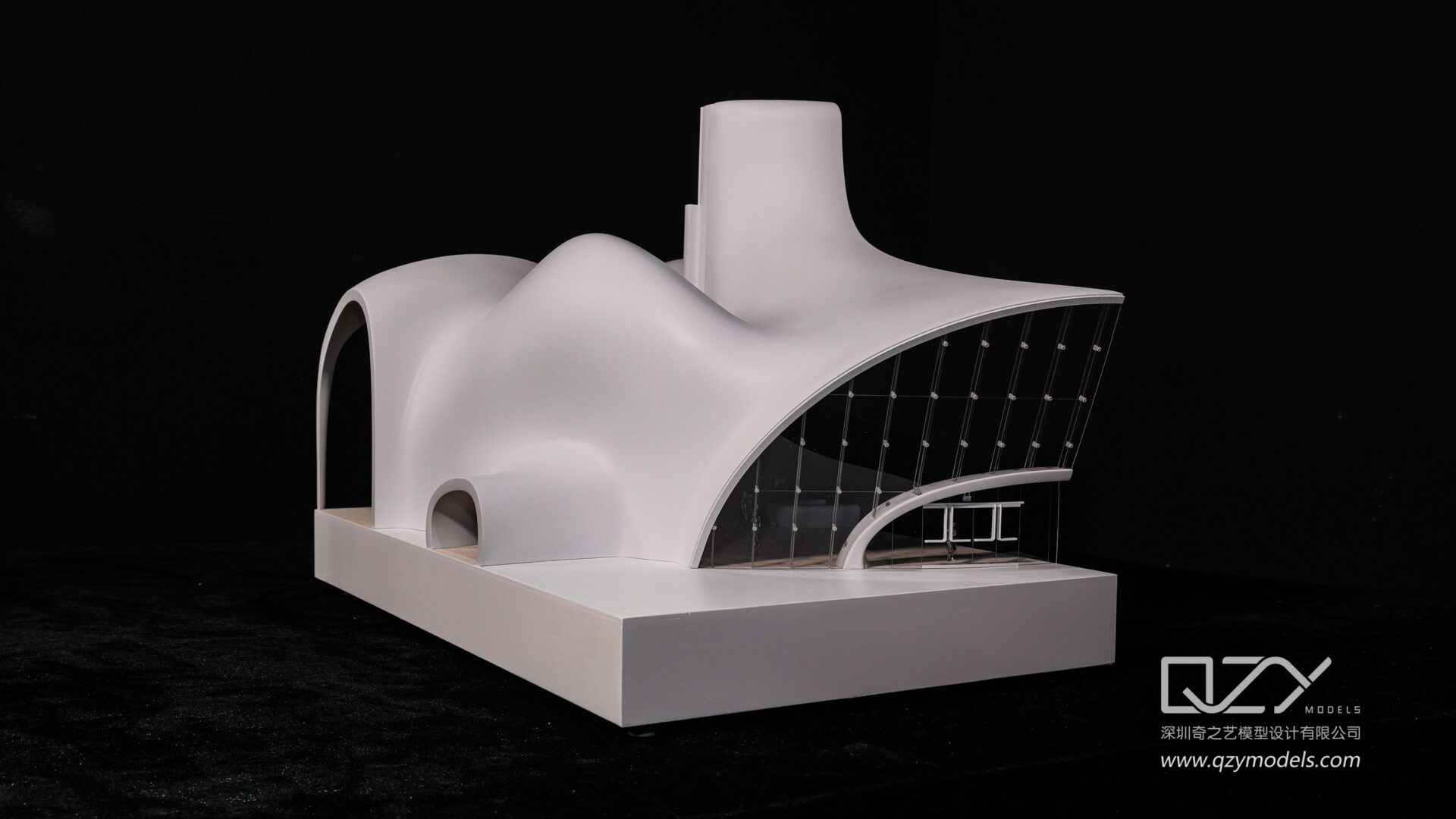
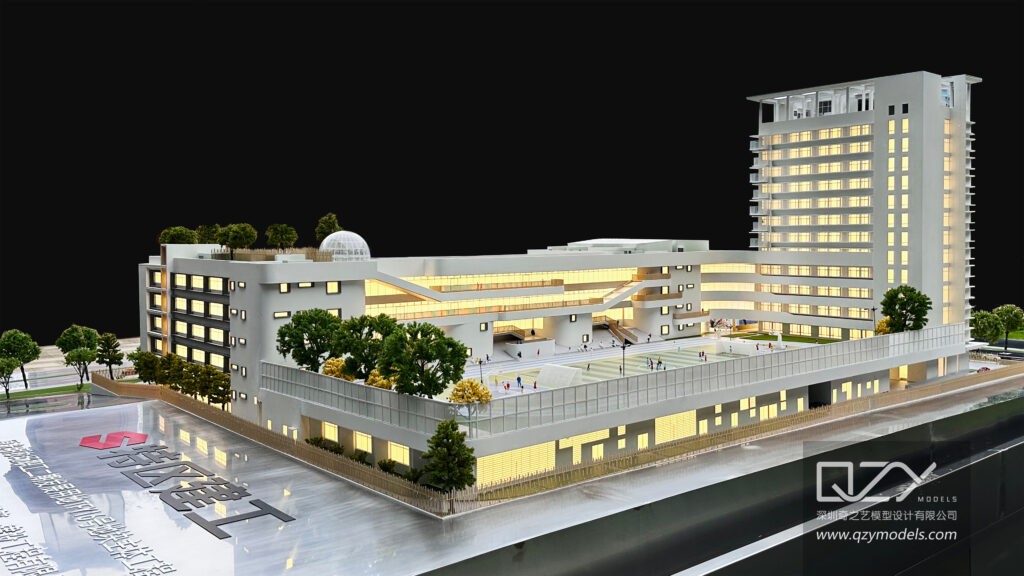
| Physical Scale Model | Tangible spatial reference for design approval | Executive presentation, trade fairs | Moderate |
| VR Integrated Simulation | Immersive operational planning | Training, ergonomics review | High |
| Digital Twin Platform | Predictive performance management | Long-term plant optimization | Superior |
Design Intelligence for Precision Manufacturing
Industrial facility models enhance collaboration among architecture, mechanical engineering, and production teams. True efficiency arises when a facility model becomes the central digital hub linking construction drawings, supply chain logistics, and automation workflows. The precision achieved in space allocation and utility routing minimizes conflicts between infrastructure and manufacturing machinery.
At this stage, many global developers partner with specialized modeling firms for this purpose. QZY Models, founded in 2013 in Shenzhen, China, is a leading professional team specializing in high-quality architectural and industrial physical models. With over 20 years of expertise and international partners across more than 20 countries, the company delivers precision-crafted models that help architects, industrial designers, and developers visualize manufacturing environments before fabrication starts.
Real User Cases and ROI Impact
Global manufacturers report substantial returns on adopting industrial facility models. One European auto parts facility used digital twin simulations to reconfigure its production hall layout and achieved a 22% increase in line throughput while cutting energy consumption by 18%. Similarly, an electronics manufacturer in Asia applied full-scale BIM coordination to its cleanroom design, reducing airborne contamination risks and saving 1.5 million USD in material revisions.
ROI is no longer measured only by cost reduction but by predictability and control. Precise industrial modeling minimizes bidding uncertainty and change orders while strengthening collaboration between contractors, suppliers, and maintenance teams throughout the facility life cycle.
Future Trend Forecast
By 2030, facility models will merge seamlessly with augmented reality and digital twin ecosystems, enabling maintenance technicians to visualize machine diagnostics in 3D in real time. The continued integration of AI-driven parametric design will allow manufacturing environments to self-optimize based on sensor data, making physical adjustments for improved sustainability and reduced downtime.
Sustainability requirements are pushing manufacturers toward model-based energy simulations, replacing traditional trial-and-error design with quantifiable environmental results. Carbon emission analysis, material lifecycle evaluation, and space utilization metrics are now embedded into every industrial model, creating cleaner and more efficient factories worldwide.
Three-Level Conversion Funnel CTA
Organizations aiming to modernize their production processes should begin by assessing current factory layouts and identifying potential modeling integration points. Once modeling data is unified, manufacturers can simulate scenarios to validate every design choice before committing to physical construction. Finally, by partnering with professional model developers and engineering consultants, companies can unlock the full potential of industrial facility models—achieving unmatched manufacturing project efficiency, operational safety, and design accuracy that consistently outperforms traditional methods.