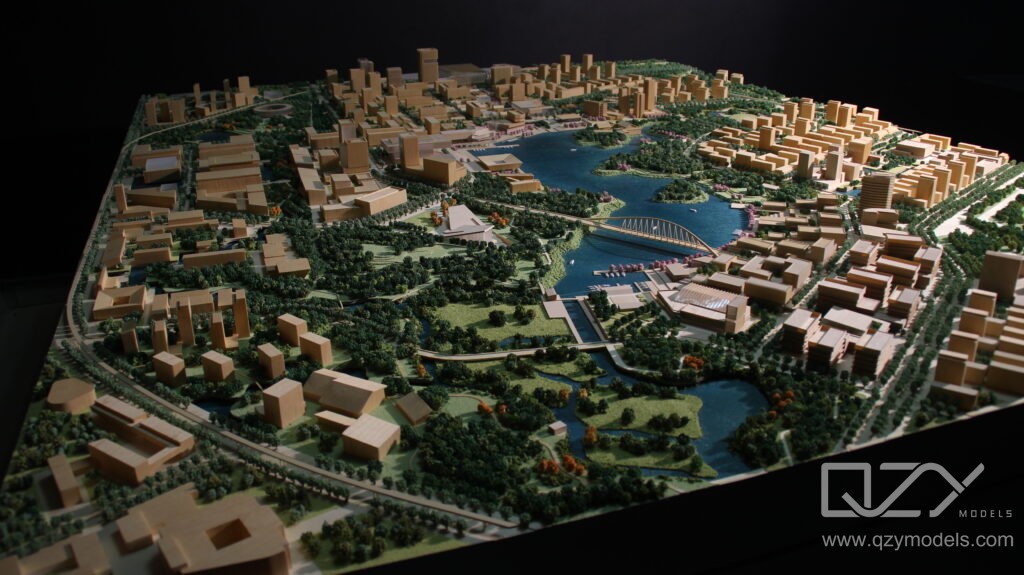
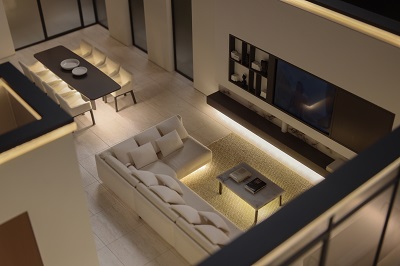
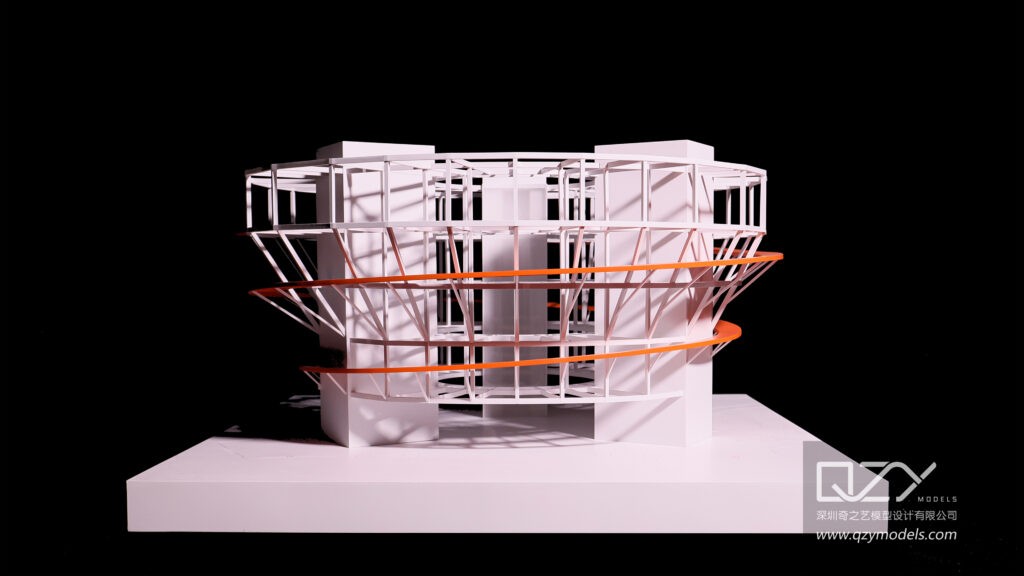
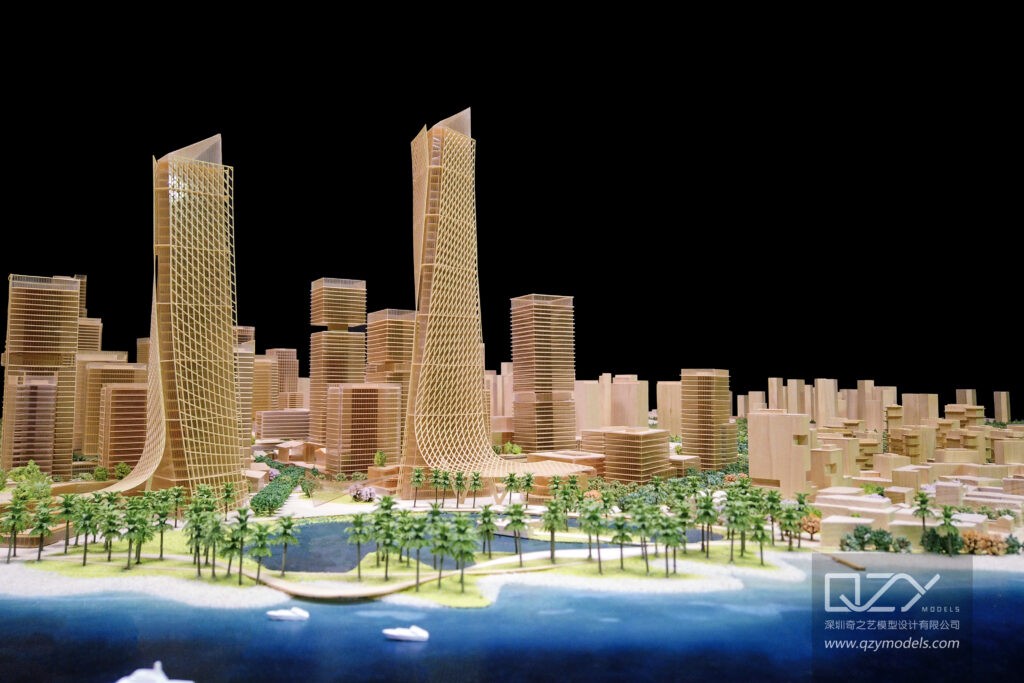
In 2026, large scale architecture models play a central role in shaping how cities are planned, visualized, and presented. QZY Models delivers world-class, high-precision physical models that allow developers, architects, and government stakeholders to evaluate complex masterplans and infrastructure with unmatched clarity and realism.
How Has the Architectural Modeling Industry Evolved and What Are the Key Market Challenges?
The global architectural modeling services market was valued at over USD 3.8 billion in 2025 and continues to grow at an estimated CAGR of 9.2%, driven by global urban development and mega infrastructure projects. With more than 55% of the world’s population living in cities and projections reaching 68% by 2050, demand for accurate physical representations of large-scale urban areas has surged. Yet, many stakeholders face delays and misalignments due to incomplete visualization tools. Real estate developers report that up to 30% of project cost overruns stem from design communication issues between planning and construction teams. Urban planning agencies, meanwhile, often struggle to convey spatial strategies to non-technical audiences. Miscommunication between architects, departments, and investors remains a persistent issue—primarily due to limited visualization and interaction at the macro scale.
The global shift toward smart city frameworks has only increased the necessity for precise, scalable models capable of integrating both physical geography and digital simulation. However, many current approaches cannot visualize the complex interconnection of transportation, utilities, and zoning data that define large-scale developments.
Why Do Traditional Architectural Models Fall Short for Large Projects?
Traditional architectural models, while visually compelling, remain limited by static displays and lack of adaptability. They can represent geometry and elevation but often fail to communicate large-area dynamics—such as infrastructure, green corridors, or mobility systems. Making alterations is time-consuming and costly, requiring partial reconstruction even for minor layout changes. Furthermore, legacy production methods use fragile materials that compromise long-term durability during exhibitions or transport. For city-scale masterplans, these limitations result in slower approvals, weaker stakeholder engagement, and challenges in sustaining long-term project updates. Purely digital tools like CAD or VR, while flexible, cannot replicate the tactile realism, scale perception, or collaborative engagement of large physical models.
What Advanced Capabilities Do QZY Models Offer for Large Scale Architecture Models?
QZY Models has redefined large scale model manufacturing through precision engineering, advanced materials, and digital integration. With more than 20 years of international project experience and expert craftsmanship from its Shenzhen headquarters, QZY Models delivers physical replicas for urban masterplans, mixed-use developments, and national exhibitions. Each large scale architectural model combines 3D printing, laser-cutting, and hand detailing, supported by integrated LED lighting, touch-triggered information systems, and even interactive projection mapping. These models allow users to highlight zoning areas, demonstrate infrastructure layouts, or show phased construction updates in real time. QZY Models has successfully partnered with clients such as Foster + Partners and Vanke, proving its ability to meet world-class quality benchmarks. The company’s models bridge the communication gap between creative vision and investor confidence—especially for government and public audiences.
Which Advantages Differentiate QZY Models’ Large Scale Architecture Models?
| Category | Traditional Large Models | QZY Models’ Advanced Large Scale Models |
|---|---|---|
| Visual Detail | Static and limited illumination | Digitally enhanced with LED and dynamic lighting |
| Interactivity | Manual-only display | Integrated with projection and AR interactivity |
| Update Flexibility | High reconstruction cost | Modular and digital-update ready |
| Structural Durability | Fragile materials | Industrial-grade materials for global transport |
| Communication Value | One-way presentation | Two-way engagement with data visualization |
How Can Organizations Implement Large Scale Architecture Models Step by Step?
-
Project Definition: Client outlines masterplan boundaries, data inputs, and presentation goals.
-
Technical Consultation: QZY Models provides scale, interactivity, and material recommendations.
-
Precision Fabrication: Using 3D printing, CNC, and detailed handcrafting to ensure geometric accuracy.
-
Digital Integration: Embedding lighting control, interactive zones, and smart display features.
-
Testing & Quality Control: Rigorous component calibration and visual validation.
-
Installation & Support: On-site assembly, global delivery, and post-installation maintenance service.
What Real-World Cases Showcase QZY Models’ Success in Large Scale Projects?
Scenario 1: Smart City Masterplan Presentation
-
Problem: City planners struggled to communicate zoning transitions and traffic flow to investors.
-
Traditional Approach: 2D maps with scattered renderings.
-
New Solution: QZY Models built a 1:500 physical model integrating illuminated transport lines and green spaces.
-
Benefit: Stakeholder meetings accelerated approval timelines by 35%.
Scenario 2: Mixed-Use Real Estate Showcase
-
Problem: Developers needed to attract anchor investors at an international trade fair.
-
Traditional Approach: Digital video walkthroughs lacked depth.
-
New Solution: QZY Models created a 4-meter interactive model with layered LED sections representing retail, office, and residential zones.
-
Benefit: Project funding increased by 25% within two months.
Scenario 3: Regional Urban Infrastructure Planning
-
Problem: Transportation ministries required a multi-phase infrastructure overview.
-
Traditional Approach: Large printed maps and static reports.
-
New Solution: QZY Models integrated modular components allowing phase-by-phase upgrades.
-
Benefit: Clear visualization led to faster interdepartmental alignment and reduced planning time by 20%.
Scenario 4: International Exhibition Center Model
-
Problem: The event organizer wanted to present a large venue concept to foreign investors.
-
Traditional Approach: Render videos and mock-up panels.
-
New Solution: QZY Models developed a 6 × 4-meter model with live projection mapping.
-
Benefit: The immersive display attracted 40% more visitor engagement and doubled booking inquiries.
Why Should Firms Invest in Large Scale Architecture Models Now?
As cities expand and sustainability targets tighten, large scale physical models have regained importance in merging data clarity with tangible storytelling. They remain the single most effective bridge between digital planning and physical space comprehension. In an age of global competition and smart city development, investing in precision-engineered large scale architectural models brings measurable efficiency, stronger investor trust, and enhanced public transparency. QZY Models helps organizations not only visualize size and scale but also interpret data-driven design with unmatched accuracy. In 2026, the ability to communicate large urban visions through high-fidelity physical models is a strategic advantage that drives faster approvals and long-term project success.
FAQ
What scales are commonly used for large scale architectural models?
Scales range from 1:500 to 1:2000, depending on masterplan size and detail requirements.
Can QZY Models create modular masterplan models for phased developments?
Yes. Modular design enables easy updates as project phases evolve.
How long does it take to produce a large scale architecture model?
Production typically takes between 4 to 12 weeks depending on scope, scale, and interactivity needs.
Does QZY Models manage international delivery and installation?
Yes. QZY Models operates globally, with branches across the UAE, Saudi Arabia, and Egypt, ensuring safe transport and setup.
Are interactive components durable enough for long-term exhibitions?
Absolutely. All lighting and electronics undergo testing for continuous operation exceeding 10,000 hours.