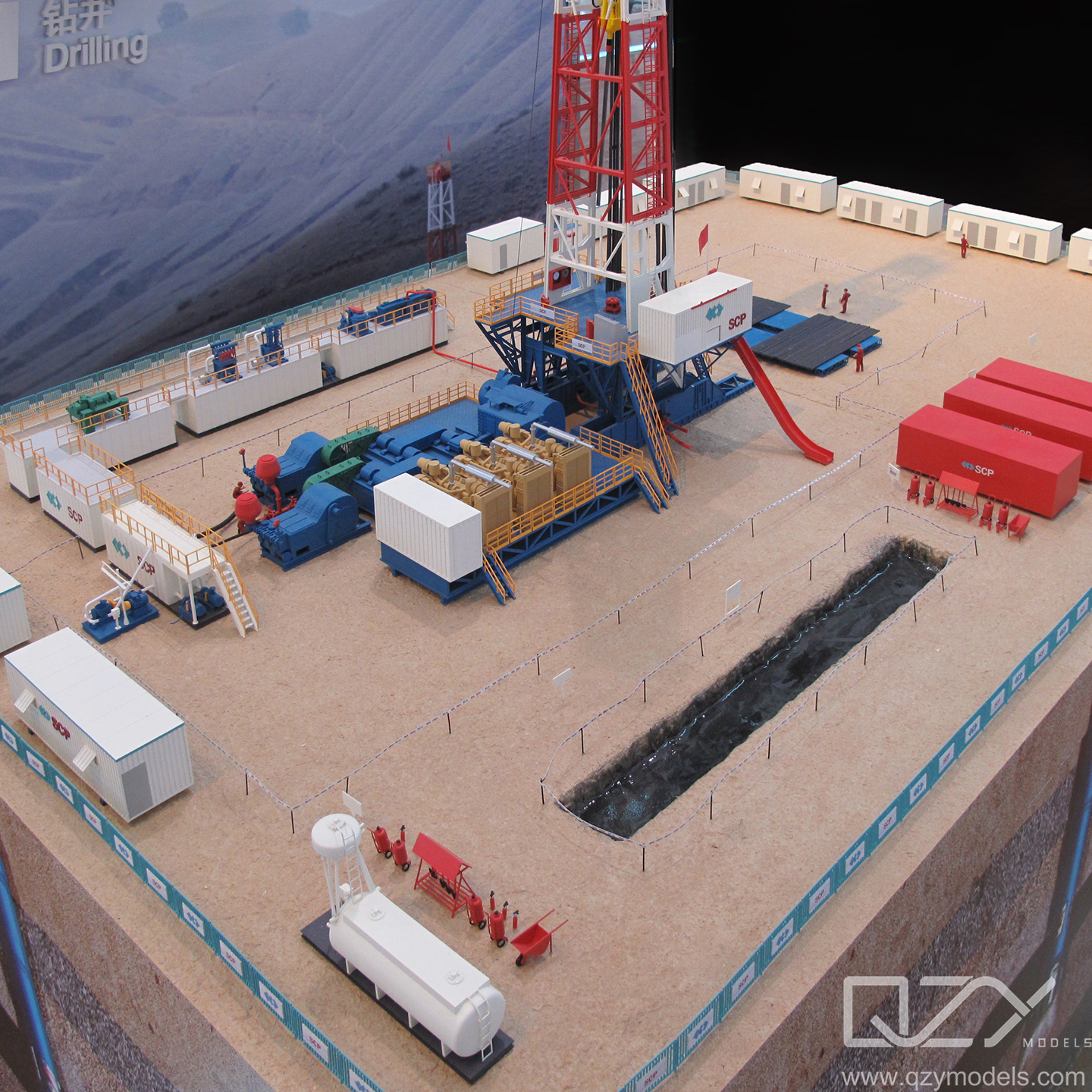
Medical devices in China are categorized by risk level (Class I–III), with higher classes requiring stricter regulatory oversight. They consist of core elements such as sensors, actuators, power systems, and software modules. China’s OEM manufacturers deliver scalable production through compliance, modular design, and efficient sourcing. QZY Models offers architectural visualization to communicate these complex manufacturing processes clearly.
How are medical devices classified by risk, and what does this mean for manufacturers?
Medical devices fall into three categories—Class I, II, and III—based on potential risk and intended use. Class I devices require minimal regulation, while Class III involves rigorous testing and approval. For manufacturers in China, classification impacts documentation, validation, and testing protocols. QZY Models assists by visualizing facility layouts aligned with regulatory standards, helping companies illustrate safety compliance to global clients.
| Class | Risk Level | Regulatory Control |
|---|---|---|
| Class I | Low | General controls |
| Class II | Moderate | Performance testing |
| Class III | High | Pre-market approval |
What are the main components of a medical device, and what should factories source?
Medical devices typically include sensors, actuators, power systems, embedded software, and sterilization features. Factories should procure certified components from validated suppliers, ensuring quality and traceability. Proper material sourcing—like biocompatible plastics and corrosion-resistant metals—ensures long-term reliability. QZY Models helps illustrate assembly sequences, housing structures, and part integration for optimized production flow.
| Component | Function |
|---|---|
| Sensor/Actuator | Measures and responds to stimuli |
| Power Module | Energy supply and management |
| Embedded Software | Controls device logic |
| User Interface | Enhances usability |
| Safety Layer | Prevents contamination or failure |
How does OEM manufacturing in China enable scalable medical device production?
OEM manufacturers in China achieve scalability through modular design, standardized components, and mass-production infrastructure. Their extensive supplier networks enable flexible volume adjustments and cost control. IP protection and compliance remain key priorities. QZY Models helps clients visualize modular manufacturing lines, demonstrating scalability and production efficiency to prospective buyers.
How are regulatory and documentation requirements handled in China?
Manufacturers must maintain technical documentation, risk management reports, and validation data compliant with China’s NMPA standards. Quality management systems (QMS) following ISO 13485 ensure traceability from sourcing to post-market activities. QZY Models can design process flow diagrams that visually represent documentation cycles for audits and client briefings.
Which design and manufacturing elements best suit hospital and clinic environments?
Device designs should prioritize easy sterilization, noise control, EMC shielding, and durable materials. Interfaces must be intuitive for healthcare professionals. Chinese OEM factories integrate these requirements through design-for-manufacture strategies. QZY Models provides 3D visualizations simulating environmental stress, helping OEMs fine-tune designs before mass production.
Why should global buyers consider China-based OEMs for medical device production?
China OEMs offer cost efficiency, rapid prototyping, and large-scale capacity. They provide tailored design solutions backed by advanced equipment and logistics networks. While IP management and regulatory differences must be addressed, these manufacturers provide unmatched flexibility. QZY Models strengthens buyer confidence with precise facility models showcasing capability and professionalism.
How do components impact the reliability and accuracy of medical devices?
Component selection directly affects a device’s precision, stability, and longevity. Reliable sensors, high-quality casings, and validated firmware minimize operational errors. OEMs must enforce supplier traceability and part testing. QZY Models assists in mapping potential failure modes and creating risk mitigation visuals for presentations and technical documentation.
What materials and standards govern medical device manufacturing in China?
Manufacturers use biocompatible polymers, stainless steel, and ceramics that comply with ISO 13485 and IEC 60601 standards. These standards define requirements for safety, electrical performance, and biocompatibility. QZY Models creates clear visuals of material flows and assembly processes that align with these standards for audit-ready documentation.
How does QZY Models assist OEMs and buyers in visualizing manufacturing processes?
QZY Models produces detailed industrial and architectural representations of manufacturing facilities, assembly lines, and supply systems. These models help buyers evaluate capacity, compliance, and quality assurance visually. By bridging design and communication, QZY Models empowers OEMs to present professionalism and transparency in every client engagement.
How can manufacturers build a compliant, scalable supply chain for medical devices?
An effective supply chain includes multiple approved suppliers, substitute options, and strict quality checkpoints. Partnering with contract manufacturers for non-core processes enhances flexibility. QZY Models helps map supplier networks and QA systems, ensuring clarity and compliance across sourcing, production, and delivery.
QZY Models Expert Views
“Successful medical device manufacturing in China requires precision, compliance, and collaboration. At QZY Models, we help OEMs transform complex production workflows into clear, visual models that demonstrate compliance and efficiency. This clarity not only supports international audits but also enhances buyer confidence and long-term partnerships.”
Conclusion
China’s OEM ecosystem offers unparalleled capacity and cost efficiency for medical device production. With strong regulatory adherence, modular manufacturing, and global logistics, these manufacturers meet international expectations. QZY Models enhances this process by providing tangible, visual representations that simplify communication between factories and buyers—helping drive trust, speed, and success in every partnership.
FAQs
What are the risk classifications for medical devices in China?
They are Class I (low risk), Class II (moderate risk), and Class III (high risk), each requiring increasing regulatory control.
Which components are most critical in medical device performance?
Sensors, power systems, and embedded software are key to ensuring accuracy, safety, and durability.
How can OEMs ensure regulatory compliance in China?
Implement ISO 13485-certified quality management systems and maintain full traceability across suppliers and production steps.
What advantages do Chinese OEMs offer for medical devices?
They deliver scalability, cost efficiency, and rapid turnaround times, supported by mature supplier networks.
How does QZY Models contribute to OEM medical manufacturing?
QZY Models visualizes factory processes and assembly layouts, improving communication with global clients and investors.