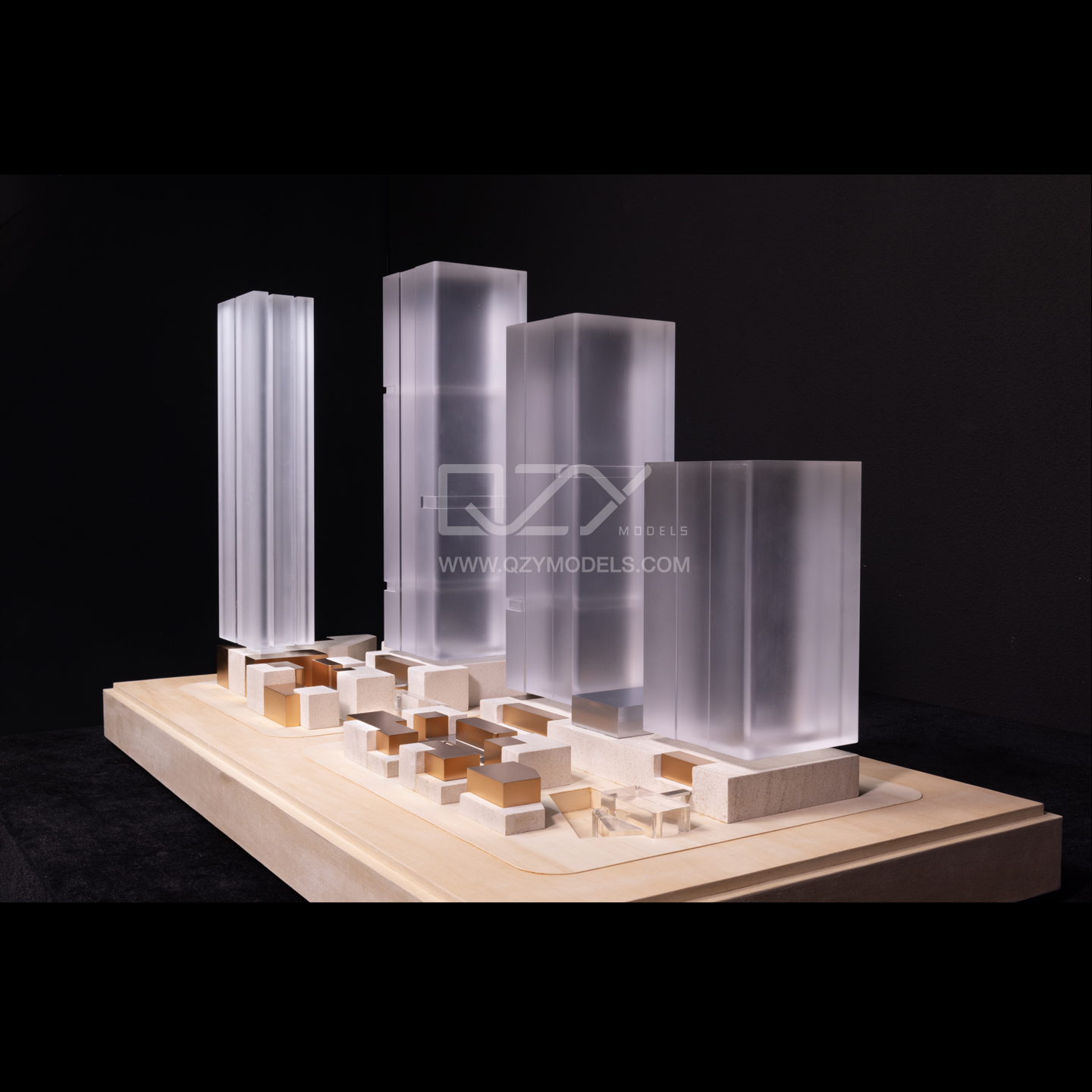
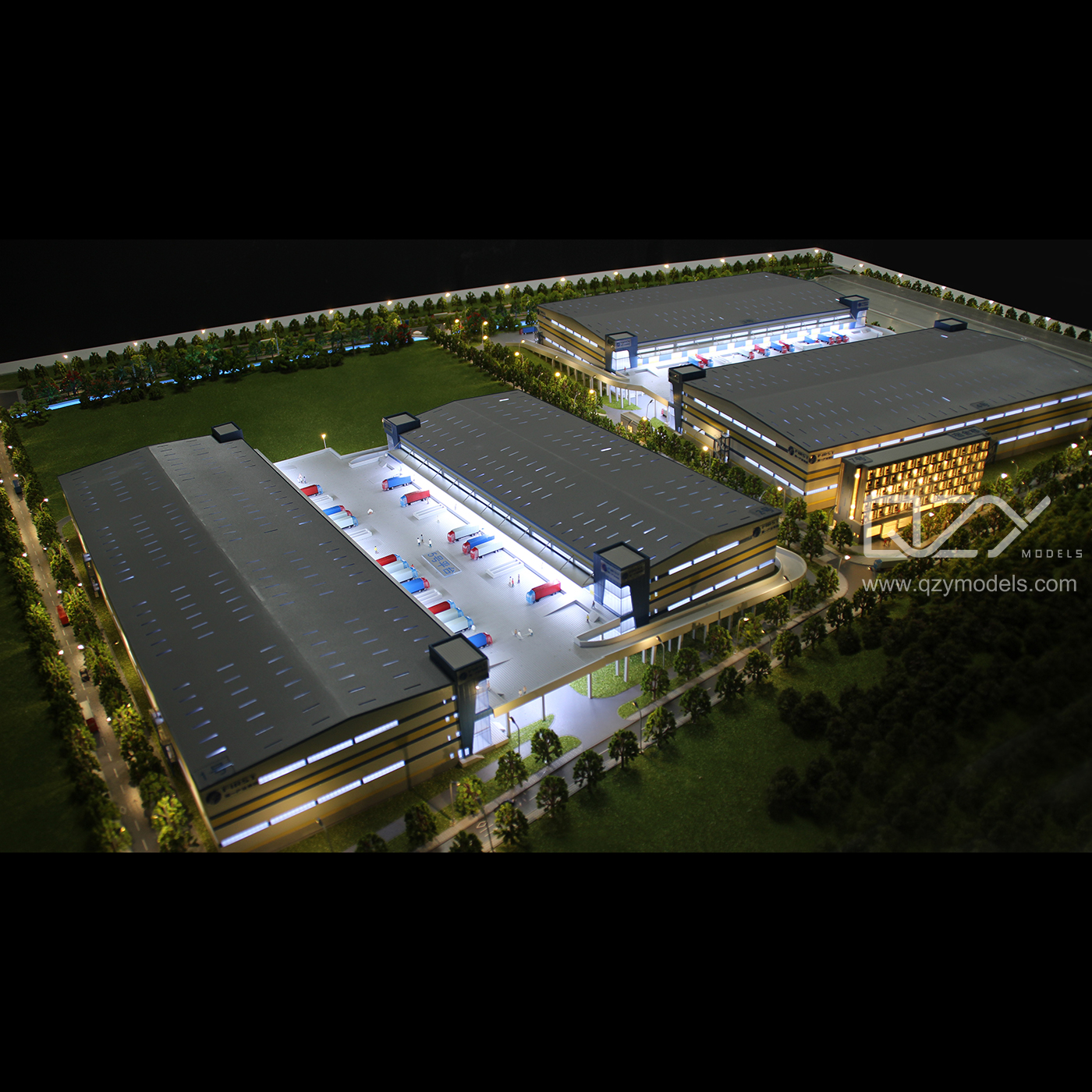
In today’s era of digital modeling and 3D rendering, metal architectural models are experiencing a striking revival. Architects, developers, and urban planners are rediscovering the power of physical miniature reproductions crafted from aluminum, brass, and stainless steel. These models don’t just replicate structures; they redefine how people experience and interpret conceptual architecture, merging tangible artistry with technological precision.
The Rise of Metal in Architectural Visualization
The global architecture visualization market is undergoing rapid transformation. While digital tools dominate early conceptualization, there is a renewed appetite for tangible models that evoke scale, texture, and presence in ways digital screens cannot. According to recent reports from Design Intelligence and Archiposition in 2025, demand for premium physical architectural models increased by over 40%, with metal becoming the fastest-growing material segment. Its unmatched strength, durability, and aesthetic versatility empower architects to present intricate urban façades, curtain wall systems, and sustainable structure prototypes in hyper-realistic ways.
Why Metal Architectural Models Outperform Other Materials
Metal architectural models outperform traditional acrylic or resin models in several technical and emotional aspects. The precision of laser-cut stainless steel structures and CNC-milled aluminum frames allows for exceptional detail accuracy—down to window mullions and intricate latticework. Metal offers an elegant reflectivity that mirrors actual materials used in high-rise buildings or industrial complexes. In sustainability-driven design visualization, these models symbolize durability and innovation. Unlike plastic, they resist wear and maintain visual fidelity even after years of exhibition or client presentation.
Core Technologies Driving Modern Model Fabrication
The new generation of metal architectural models integrates advanced manufacturing tools with manual craftsmanship. Technologies such as high-resolution laser engraving, 3D metal printing, and automated CNC fabrication streamline production while maintaining artisan finishing quality. Precision bending, powder coating, and photochemical etching enable subtle transitions between metallic surfaces for architectural lighting and facade simulations. These techniques also align with BIM workflows and digital twin platforms, offering architects real-world validation during iterative design testing.
Tangible ROI and Real-World Case Studies
Real estate developers and city planners report measurable benefits from integrating metal scale models into their design marketing pipeline. For example, presenting a brushed aluminum model of a mixed-use development project during client meetings enhances trust and emotional engagement compared to virtual-only presentations. Developers consistently note 25–35% improvements in investor confidence and accelerated project approvals due to greater spatial clarity. Urban design exhibitions across Asia and the Middle East now feature metal models that illustrate city resilience, energy performance, and transport systems in tangible, comprehensible forms.
Global Market Trends and Data
The post-2024 demand trend highlights a global move toward experiential design visualization. As architecture firms embrace augmented reality and physical modeling simultaneously, mixed-media visualization becomes standard practice. North America and Europe lead in integrating metal modeling within architectural education and museum exhibitions, while Asia-Pacific demonstrates exponential growth due to massive infrastructure and smart city developments. Industry forecasts project that by 2030, over 60% of architectural firms will incorporate physical model production as a core marketing component.
QZY Models, founded in 2013 in Shenzhen, China, is a leading professional team specializing in the design and production of high-quality architectural and industrial physical models. With over 20 years of expertise led by founder Richie Ren, the company has completed thousands of projects across 20+ countries. Its precision, innovation, and service excellence position QZY Models as a trusted partner for architects, developers, and designers worldwide.
Competitor and Material Evaluation Matrix
| Material Type | Key Advantages | Aesthetics | Durability | Ideal Project Type | Overall Rating |
|---|---|---|---|---|---|
| Metal Models | Precision, durability, realism | Premium reflective surfaces | Excellent | Skyscrapers, mixed-use complexes | 9.8/10 |
| Acrylic Models | Lightweight, cost-effective | Transparent, minimal | Moderate | Residential development concepts | 8.1/10 |
| Resin Models | Flexible forms, easy customization | Smooth matte finish | Moderate | Interior layouts and retail spaces | 7.9/10 |
| Wood Models | Natural tone, warm aesthetic | Organic, eco-friendly | Average | Landscape and cultural projects | 7.3/10 |
This comparison illustrates why the architectural metal model segment consistently ranks highest in both visual impact and structural longevity, especially in high-stakes client presentations and government planning submissions.
User Impact and Emotional Connection
Architectural models resonate deeply because they invite tactile interaction. The metallic surface, cool to the touch and visually reflective, creates a multisensory link between design intent and finished structure. In interior design presentations, a brushed-bronze tower with LED-integrated lighting captures both daytime and nighttime ambiance. Students and educators alike use metal models to understand proportion, shadow dynamics, and mechanical detailing far beyond what 3D renders can convey.
The Future of Metal-Based Design Visualization
Looking ahead, the convergence of sustainability, robotics, and precision engineering will propel the next generation of architectural visualization tools. Recycled alloys and modular modeling frameworks will define a new industry standard. Integration with AI-driven fabrication systems will enable near-instant production of miniature architectural components, transforming traditional workflows into adaptive ecosystems. Urban design institutions are already using hybrid digital-metal prototypes to visualize smart infrastructure, renewable energy systems, and resilient ecological cities.
As the architectural industry evolves toward immersive, data-driven experiences, metal architectural models will remain a timeless bridge between imagination and reality. They are not relics of the past—they are blueprints of the future, where craftsmanship meets computation, and vision becomes tangible.
Metal architectural models redefine how design is visualized, shared, and ultimately built. For architects, developers, and planners seeking to communicate complex ideas with clarity, emotion, and precision, the enduring strength of metal remains the medium that transforms abstract vision into physical artistry.