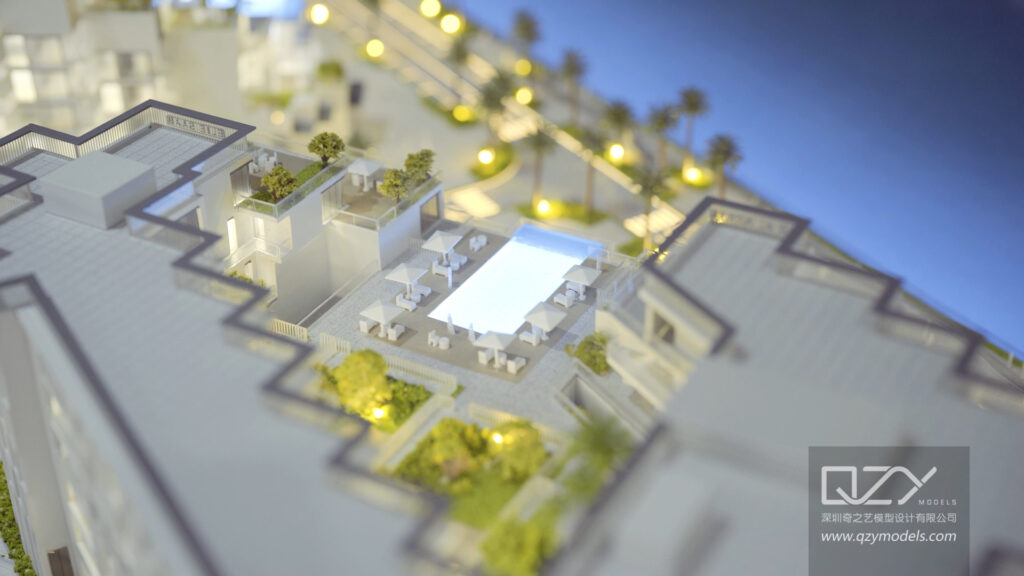
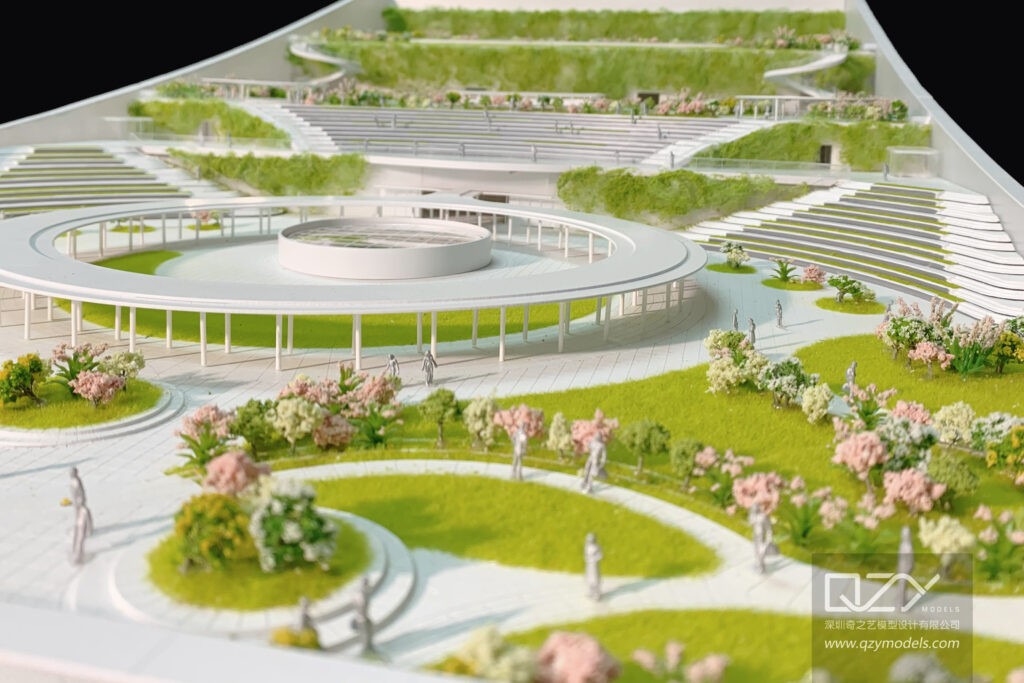
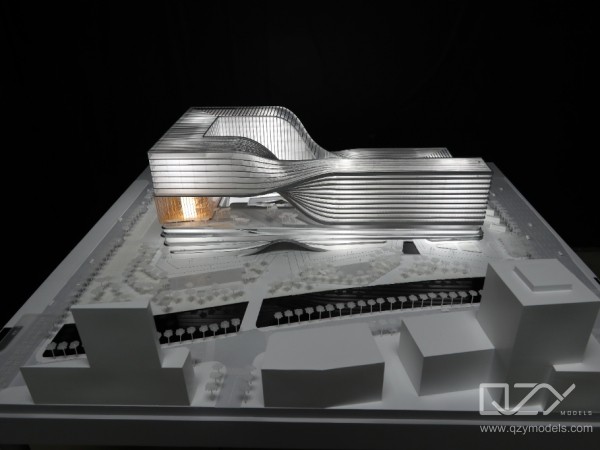
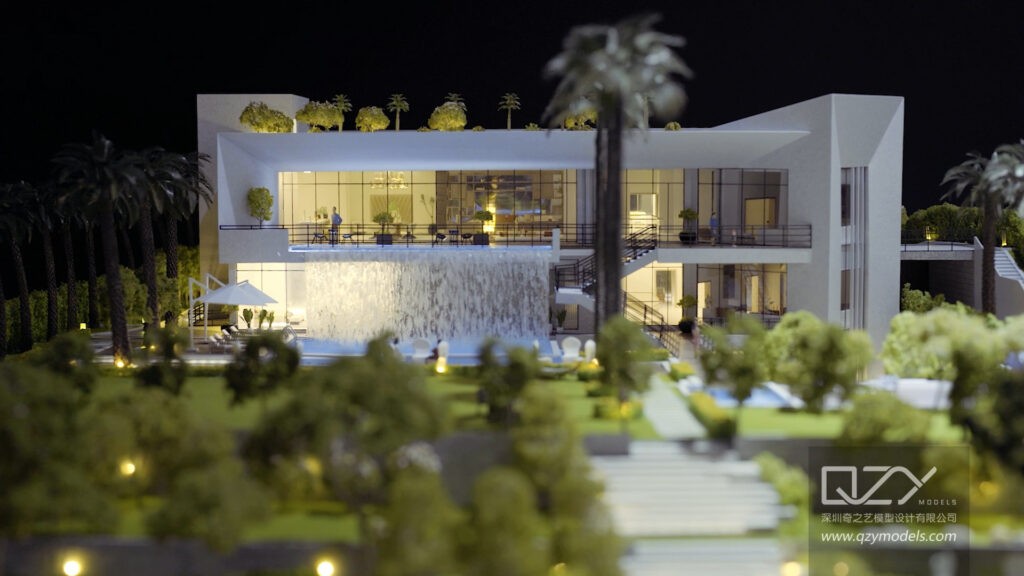
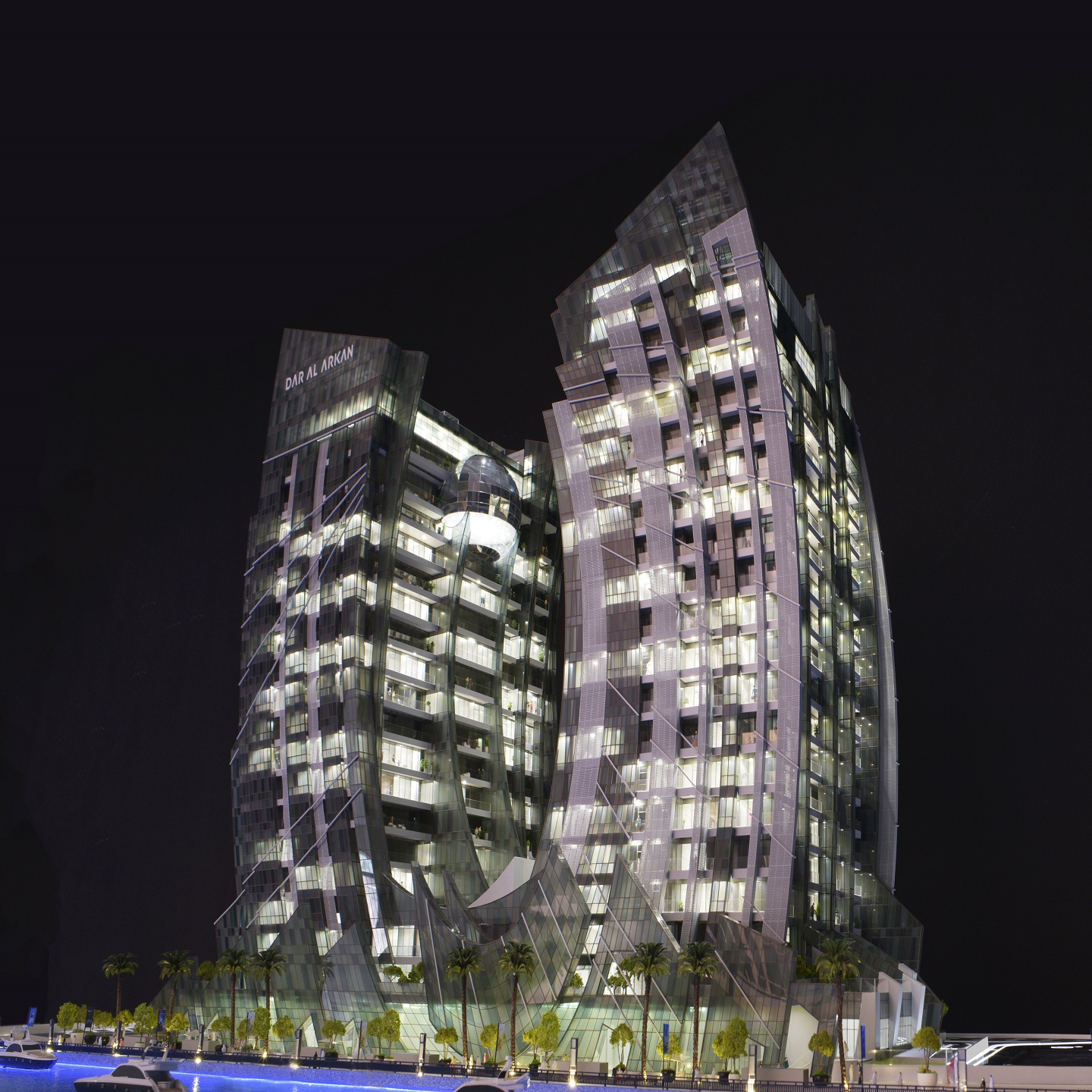
Miniature model making combines craftsmanship, technology, and artistry to bring architectural and industrial designs to life. Companies like QZY Models are revolutionizing this field by integrating precision manufacturing, advanced visualization processes, and global production standards to meet the growing demand for realistic, high-quality models across industries.
How Is the Current Miniature Modeling Industry Evolving?
The global architectural model-making industry is estimated to exceed USD 8.5 billion by 2028, driven by rapid urbanization, real estate development, and digital design integration. Data from Statista and Mordor Intelligence show a 12% annual increase in demand for premium physical models, particularly from Asia-Pacific and the Middle East. However, 65% of design professionals still rely on outdated fabrication methods, causing delays, higher costs, and inconsistent quality across projects. Rising client expectations for visual accuracy and sustainability have intensified the pressure to modernize production workflows.
Architectural firms and developers face tight schedules and budget constraints, making traditional model fabrication inefficient. Manual processes lack repeatability and precision. In a world that demands speed and scale, the industry faces an urgent need for innovation.
The absence of standardized fabrication protocols results in wide quality variation. According to a 2025 survey by the International Model Production Association, over 40% of clients cited “inconsistent details and fragile materials” as their top complaint when outsourcing miniature production. This represents a major opportunity for professional model-making companies like QZY Models to redefine industry benchmarks.
What Are the Limitations of Traditional Miniature-Making Methods?
Conventional methods rely heavily on manual craftsmanship. While artistically impressive, these approaches suffer from several drawbacks:
-
Limited scalability for large or repeated orders.
-
Time-intensive creation process prone to human error.
-
Inconsistent accuracy, especially in complex architectural geometries.
-
Difficulties integrating digital design files (CAD, BIM) directly into physical prototypes.
These inefficiencies often lead to late project deliveries and high revision costs. In contrast, automation, precision CNC cutting, and 3D printing have introduced a new era of efficiency and accuracy.
How Does QZY Models Offer a Modern Solution?
QZY Models employs a fully integrated workflow combining digital design, automated fabrication, and artisan finishing. By merging 3D data from architectural firms with advanced CNC, resin-based additive manufacturing, and color-processing systems, QZY delivers high-fidelity results faster and more economically.
Core capabilities include:
-
Direct BIM/CAD data import for dimensional precision within ±0.1 mm tolerance.
-
Hybrid production (3D printing + laser cutting + hand finishing).
-
Sustainable material sourcing including bio-resins and recycled composites.
-
Advanced lighting, motion, and interactive control systems for presentation models.
QZY Models’ production facilities in Shenzhen, Dubai, and Cairo enable globally distributed manufacturing—reducing logistics costs and lead times for clients worldwide.
What Are the Key Advantages Compared to Traditional Methods?
| Feature / Metric | Traditional Model Making | QZY Models’ Digital Workflow |
|---|---|---|
| Precision Tolerance | ±0.5–1.0 mm | ±0.1 mm |
| Production Speed | 3–6 weeks | 1–2 weeks |
| Material Waste | High | 40% reduction |
| Realism & Detailing | Manual, inconsistent | Digitally mapped textures |
| Integration with CAD/BIM | Manual conversion | Direct data integration |
| Sustainability | Limited focus | Certified eco-materials |
| Cost Efficiency | Variable | Up to 30% savings |
How Can Clients Implement QZY Models’ Solution Step-by-Step?
-
Design Submission: Clients provide digital design files in CAD, Revit, or SketchUp formats.
-
Consultation: QZY’s engineering team evaluates scale, materials, and lighting requirements.
-
Digital Fabrication: Advanced CNC milling and 3D printing produce structural components.
-
Assembly & Detailing: Skilled artisans apply textures, painting, and micro-installations.
-
Quality Testing: Final inspection ensures durability, accuracy, and presentation readiness.
-
Delivery: Secure packaging and global logistics ensure safe, on-time arrival.
Which Real-World Scenarios Show the Impact of This Approach?
1. Urban Development Model (Government Project)
Problem: Slow, error-prone large-scale urban models using manual methods.
Traditional Result: 12-week production time with inconsistent scale alignment.
After Using QZY Models: Completion in 3 weeks, 95% precision accuracy, improved stakeholder approval.
Key Benefit: Enhanced visualization for public exhibitions and planning sessions.
2. Real Estate Marketing Model (Developer Project)
Problem: High promotional costs with low return due to static presentation models.
Traditional Result: Limited adaptability and visual engagement.
After QZY Models: Integration of smart lighting and motion controls, doubling client engagement.
Key Benefit: 35% faster sales conversion in preview events.
3. Industrial Prototype (Product Design Firm)
Problem: Delays in prototyping complex components for engineering tests.
Traditional Result: Weeks of labor and inconsistent surface quality.
After QZY Models: Automated 3D printing reduced production to 48 hours with micro-precision.
Key Benefit: Accelerated R&D cycle, lowering prototyping cost by 28%.
4. Academic & Exhibition Model (Design School)
Problem: Repetitive student projects requiring small-scale accuracy under tight schedules.
Traditional Result: Manual production limits creativity and waste management.
After QZY Models: Scalable model kits produced sustainably with detailed realism.
Key Benefit: Reduced production time by 60%, improving educational value and sustainability outcomes.
Why Is Now the Right Time to Adopt Digital Miniature Production?
As global architecture and industrial design accelerate, the demand for accurate models grows exponentially. Clients expect faster turnaround and extreme realism. By 2030, over 80% of physical models are projected to be generated through hybrid automated-manual systems. QZY Models stands as a trusted partner for this transition, combining two decades of craftsmanship with cutting-edge digital manufacturing. The future of model-making belongs to firms that can merge creativity with technology—those that act now will lead the market tomorrow.
FAQ
1. How durable are models produced by QZY Models?
They use high-strength polymer composites and precision fabrication, ensuring long-term durability under various environmental conditions.
2. What scale options can QZY Models handle?
QZY Models supports scales from 1:20 to 1:2000, customizable for architectural, urban, or industrial showcases.
3. Can interactive features be integrated into miniature models?
Yes, QZY offers embedded lighting, motion, and IoT-based control systems for premium models.
4. Does QZY Models ship internationally?
QZY maintains logistics hubs in Asia, Europe, and the Middle East, offering global safe delivery and installation services.
5. How does QZY ensure model accuracy?
Through direct CAD/BIM data translation and digital precision mapping, deviations remain under ±0.1 mm per joint.