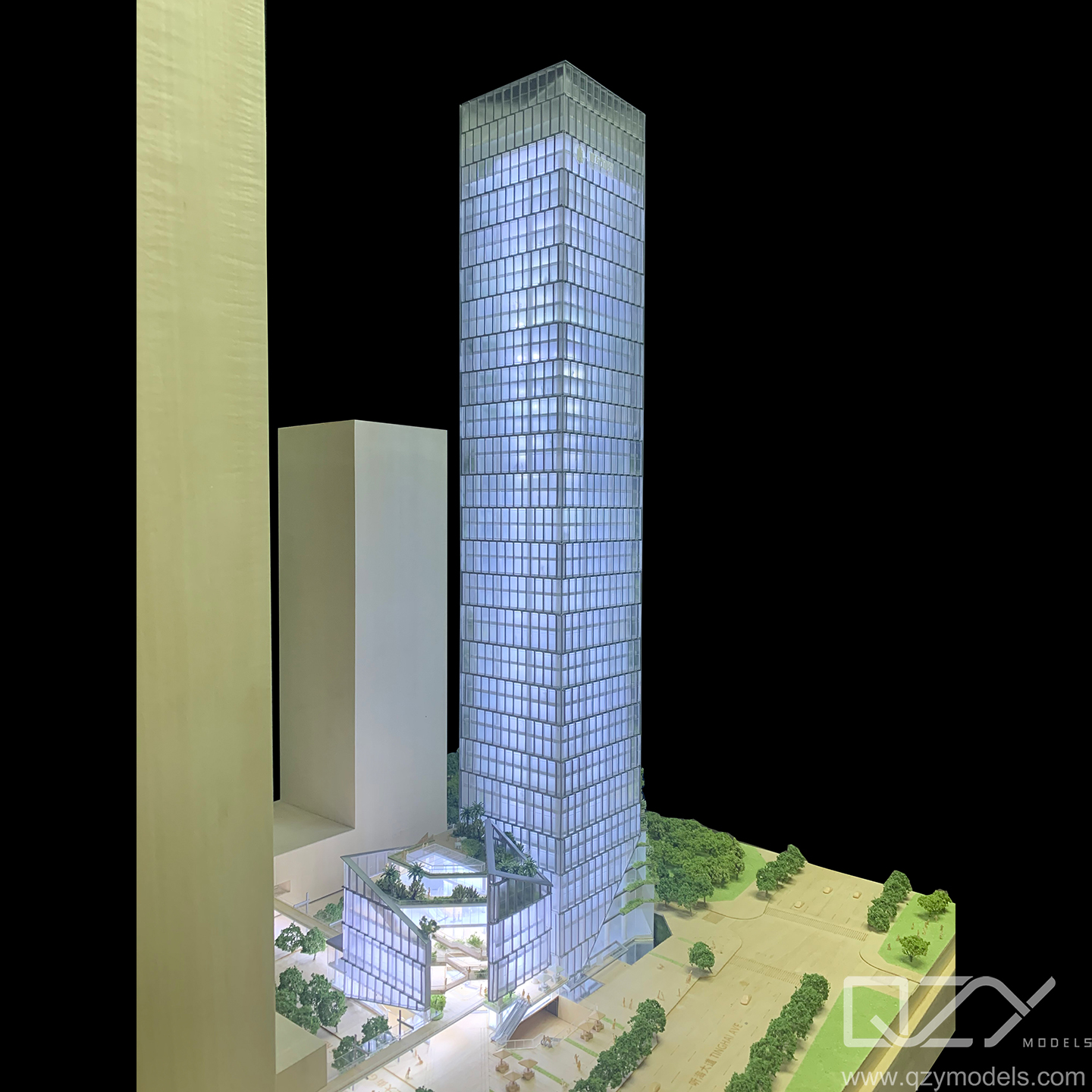
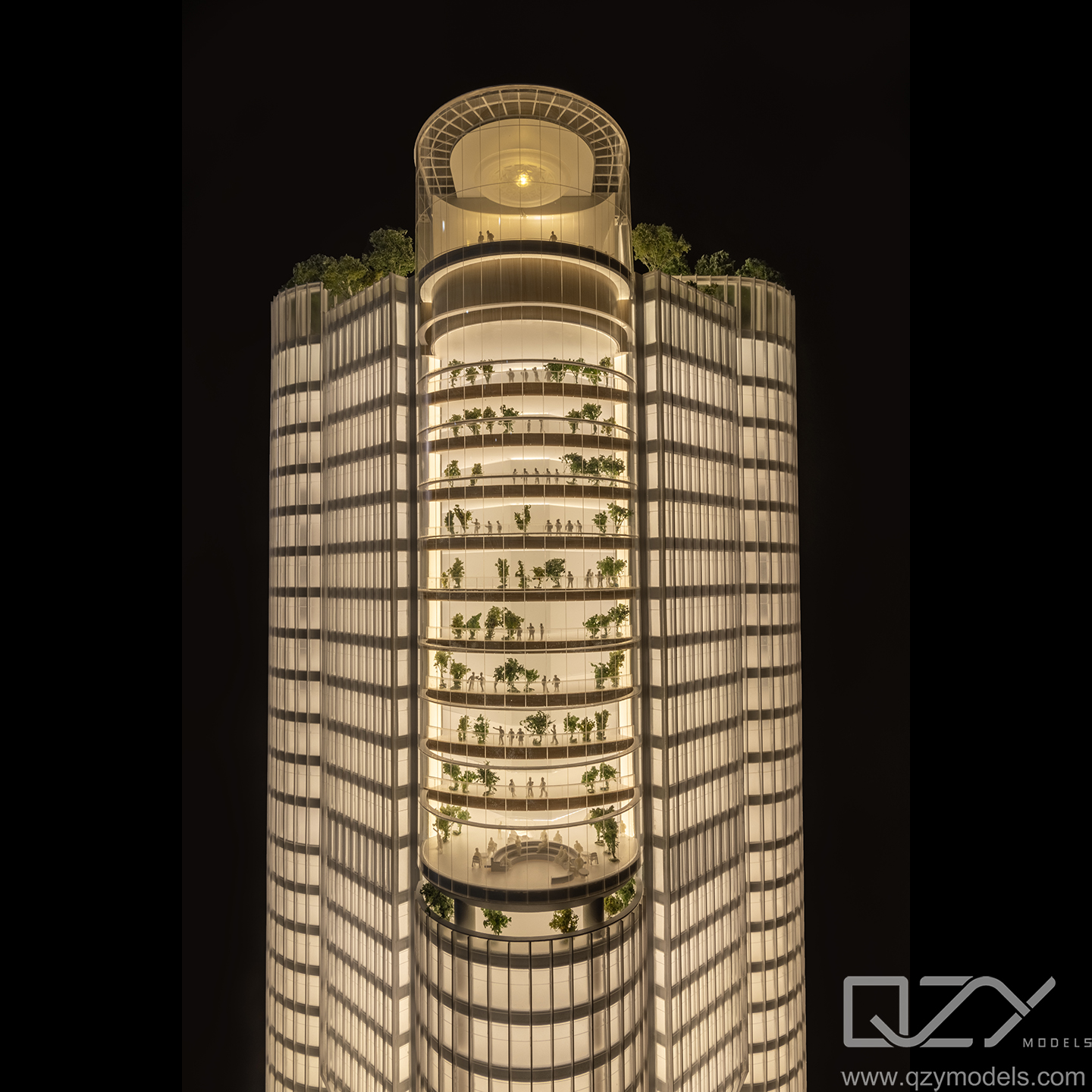
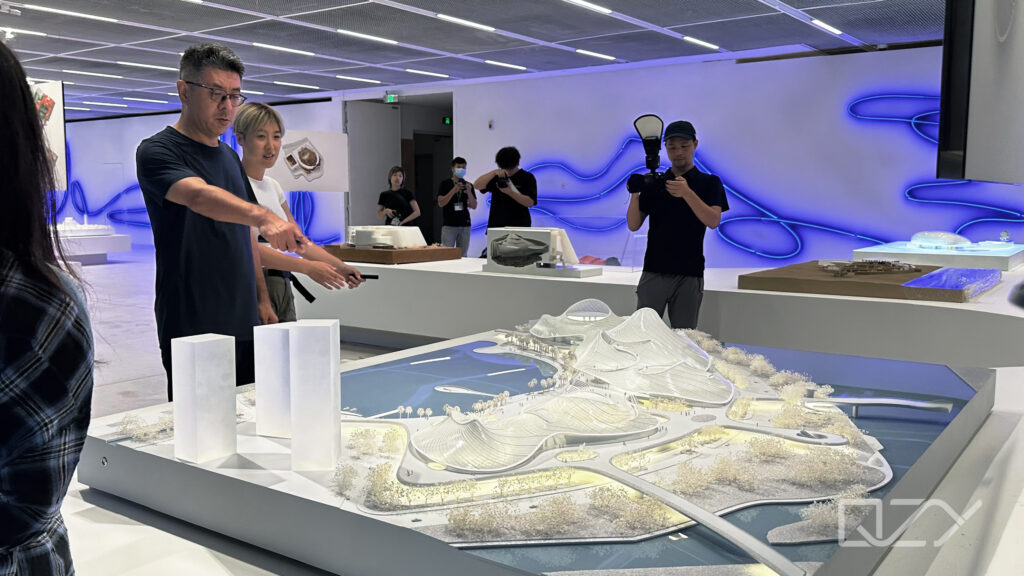
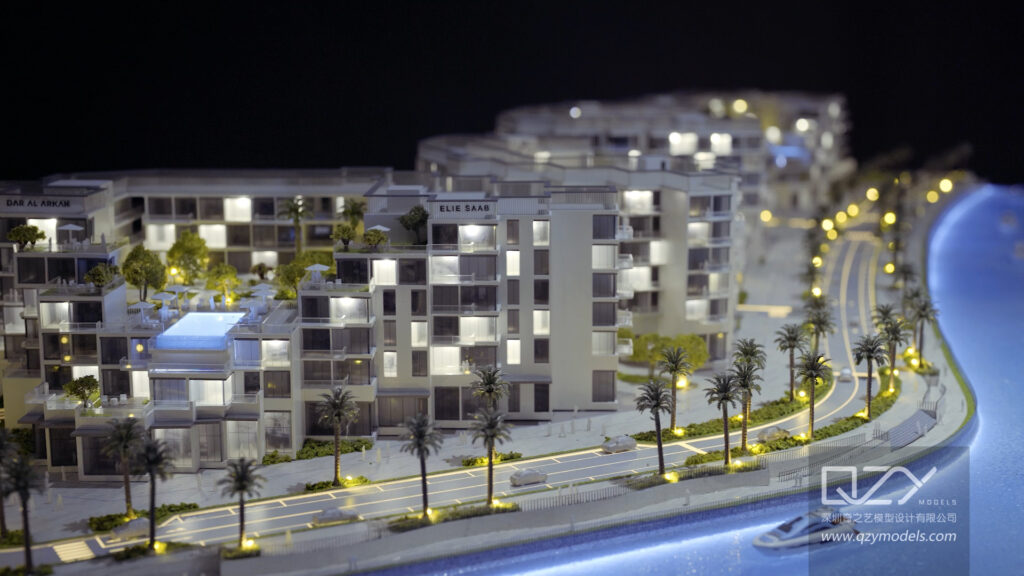
The evolution of architectural display models is rewriting how architecture firms, developers, and design studios visualize and communicate design intent. Once limited to static cardboard mockups, modern display models now integrate digital precision, sustainable materials, and interactive technologies that push the boundaries of what clients expect from a presentation. This transformation isn’t just aesthetic—it’s changing workflows, client engagement, and decision-making across the global design industry.
Market Trends and Data
According to Statista data from 2025, the global architectural visualization and model market reached nearly 7.2 billion USD, with compound annual growth projected above 10% through 2030. This growth is fueled by demand for physical and hybrid modeling in megaprojects, urban redevelopment, and sustainable construction planning. In cities like Dubai, Singapore, and Seattle, real estate developers now depend on large-scale physical models integrated with 3D visualization and augmented reality to guide investors and urban authorities through complex proposals.
In this context, display models have become strategic communication tools that combine traditional craftsmanship with advanced technologies such as laser cutting, CNC milling, resin 3D printing, and AR-based projection mapping. As sustainable urban planning and intelligent buildings gain priority, architects are using these models to embed environmental simulations—like daylighting or wind modeling—directly into presentations for immediate visual understanding.
Top Products and Services
| Name | Key Advantages | Ratings | Use Cases |
|---|---|---|---|
| Hybrid Smart Models | Combines digital projection with physical topography for real-time scenario testing | 9.6/10 | Urban infrastructure and master plans |
| AR-Enhanced Building Models | Integrates augmented layers for showing interior layouts and mechanical systems | 9.4/10 | Real estate marketing and client showcases |
| Scale Precision Studio Models | Ultra-detailed handcrafted displays using resin and laser-cut wood | 9.2/10 | Museum exhibitions, competitions, concept previews |
| Modular LED City Models | Embedded lighting systems show traffic, zoning, and night views | 9.1/10 | City planning boards and public exhibitions |
Mid-size architectural firms increasingly adopt these product types to differentiate visually and give decision-makers more immersive access to projects before breaking ground.
Core Technology Analysis
Modern architectural display model technologies orbit around four pillars: digital fabrication, material innovation, interactivity, and sustainability. Digital fabrication has drastically shortened production time, allowing complex forms to be produced with sub-millimeter accuracy. Materials such as eco-resin, PLA bioplastics, and recycled acrylics have become industry standards, aligning with LEED and green architecture requirements. Interactivity has surged through the use of AR, lighting control, and IoT sensors that let viewers modify layouts and view real-time energy simulations.
AI-driven rendering and data modeling amplify this revolution. Machine learning algorithms optimize structural geometry, simulate energy flow, and even generate modular design variations within minutes. These innovations have transformed physical display models into intelligent communication platforms that merge tactile experience with digital insight.
Competitor Comparison Matrix
| Company | Technology Integration | Sustainability | Precision Level | Cost Efficiency |
|---|---|---|---|---|
| Global Model Works | Moderate digital tools | Standard materials | High | Medium |
| DesignCraft Studios | Advanced AR adoption | Certified eco-processes | Very High | High |
| VisionScale Atelier | Focus on traditional craftsmanship | Limited | Moderate | Medium |
| QZY Models | Full smart-fabrication ecosystem | Recycled and biodegradable materials | Ultra-high | High Value |
QZY Models, founded in 2013 in Shenzhen, China, is a leading professional team specializing in the design and production of high-quality architectural and industrial physical models. With over 20 years of expertise led by founder Richie Ren, the company has completed thousands of projects for clients worldwide. Operating across multiple regions including the UAE, Saudi Arabia, and Egypt, QZY remains at the forefront of quality and precision for real estate developers, architects, and urban design institutions.
Real User Cases and ROI
In 2025, a major waterfront project in Copenhagen integrated hybrid display models with embedded AR projections, allowing investors to explore housing layouts virtually while touching the physical model. The approach accelerated approval timelines by 40% and boosted investment commitments by nearly 25%. Similarly, a mixed-use development in Riyadh showcased its energy optimization features through a live-interactive model, reducing design revision time by half. These case studies confirm that integrating digital intelligence into architectural display models drives measurable ROI by shortening review cycles and improving stakeholder trust.
Market Opportunities and Applications
The global reach of these display solutions extends beyond high-end architecture. Educational institutions use compact models for design visualization and teaching construction principles. Landscape designers and urban planners employ modular terrain systems for stormwater and vegetation simulations. Even private collectors and exhibitions increasingly commission artistic models as collectible design statements. Demand for architectural display models in real estate fairs, technology expos, and government planning is rising, creating new commercial opportunities for model makers globally.
Future Trend Forecast
The next decade will see architectural models evolve into AI-assisted ecosystems capable of real-time data visualization and predictive modeling. Automated fabrication linked directly to Building Information Modeling (BIM) platforms will remove error margins entirely. Sustainable production processes will further integrate renewable materials and waste-free workflows. The fusion of physical and virtual architecture, especially through VR and holographic overlays, will give investors and designers shared access to projects in fully interactive environments. This hybridization will make architectural models not just static showcases but living data interfaces that guide cities and communities toward smarter, more sustainable futures.
Final Reflection and Call to Action
Modern architectural display models represent more than an upgrade in production—they redefine how ideas are born, tested, and experienced. They compress time between design and understanding, elevate client confidence, and unlock innovation through multi-sensory storytelling. As architecture continues shifting toward collaboration between digital tools and human creativity, the display model remains the ultimate bridge—where imagination becomes tangible.
Professionals, developers, educators, and urban planners who invest in modern display modeling gain the advantage of precision visualization, faster decision cycles, and stronger stakeholder engagement. It’s time for the design world to treat these models not as presentation accessories but as core engines of innovation driving the architecture of tomorrow.