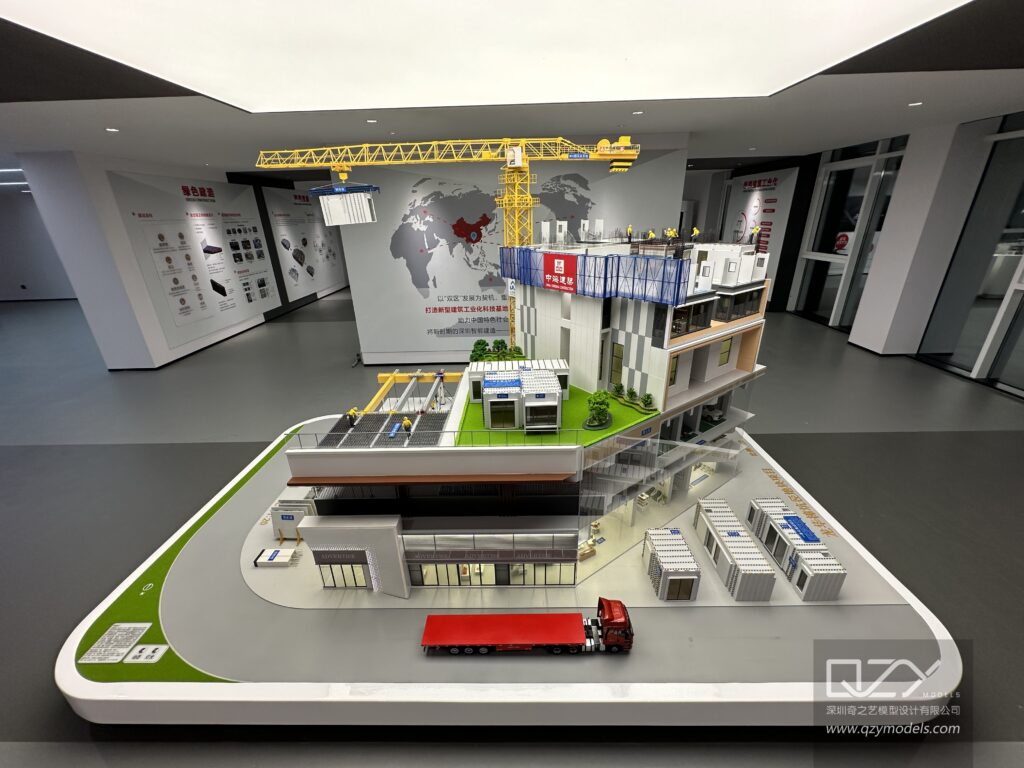
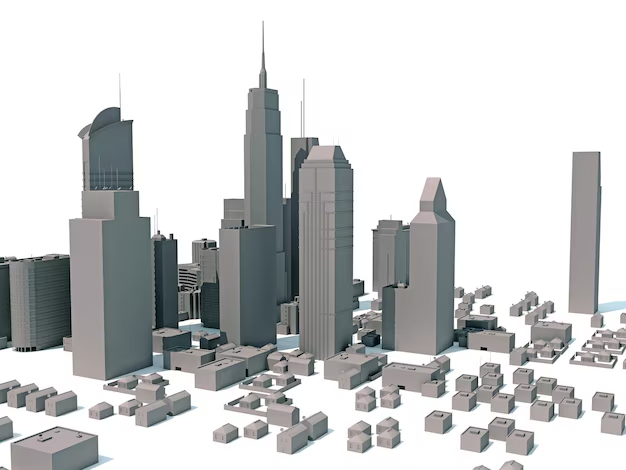
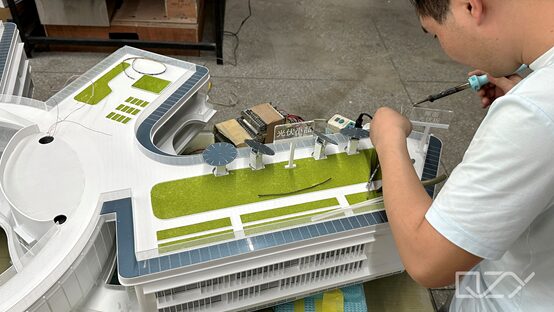
Modular architecture models are redefining how the global design and construction industry operates, blending innovation, efficiency, and sustainability into one seamless process. The demand for modular systems has grown rapidly as architects, engineers, and developers seek scalable solutions that reduce cost, waste, and project timelines while maintaining design flexibility and aesthetic quality. The concept of modular architecture now extends well beyond temporary buildings—it’s reshaping entire urban landscapes and influencing how cities evolve.
Market Trends and Data
According to data from McKinsey and Statista in 2025, the global modular construction market surpassed 150 billion dollars in value and continues to grow at a double-digit rate each year. North America and Asia lead the trend, with modular prefabrication gaining traction in residential, commercial, and healthcare sectors. The integration of digital design models, AI-driven fabrication, and parametric modeling tools like Revit and Rhino ensures every module is optimized for energy performance and material use. Developers have found that modular construction can speed up project delivery by up to 50%, slashing waste by 80% and cutting carbon footprints significantly compared to traditional on-site methods.
Core Technology and Design Integration
At the core of the modular revolution lies advanced architectural modeling. These models act as the digital-to-physical bridge, allowing precision design, manufacturing, and assembly within controlled environments. Building Information Modeling (BIM) and digital twin technology enable teams to simulate how each unit fits structurally, mechanically, and aesthetically within a larger project. Combined with AI algorithms, modular architecture models predict potential stress points, analyze thermal performance, and assist in smart city planning where renewable materials, low-carbon design, and circular economy principles are priorities.
The convergence of robotics, 3D printing, and CNC fabrication has also elevated modular architecture from a conceptual tool to an essential production asset. Factories can now produce entire façades, interior systems, and even mechanical modules for plug-and-play installation on site—reducing downtime and enhancing quality control across the supply chain.
Competitor Comparison Matrix
| Provider | Specialization | Key Advantage | Market Reach | Ideal Use Case |
|---|---|---|---|---|
| Factory OS | Modular Home Systems | Rapid Assembly & Energy Efficiency | North America | Urban Housing Projects |
| Katerra | Integrated Construction Platforms | End-to-End Automation | Global | Multi-use Developments |
| BLOX | Healthcare Modules | Medical Facility Design Expertise | U.S. | Hospitals & Clinics |
| QZY Models | Architectural & Industrial Physical Models | Precision Prototyping & Global Expertise | Asia, Middle East, Europe | Architectural Visualization & Development Planning |
QZY Models, founded in 2013 in Shenzhen, China, is a leading expert in high-quality architectural and industrial physical modeling. With more than two decades of experience led by founder Richie Ren, their team has served elite firms such as Foster + Partners and major developers including Vanke and China Resources. Their commitment to craftsmanship, innovation, and global delivery makes them a trusted partner in modular architecture visualization and execution.
Real-World Applications and ROI
Many architects and developers report that modular design and construction deliver a quantifiable return on investment within the first project cycle. A modular hotel project in Singapore achieved 40% faster construction time and saved nearly 20% in labor costs due to prefabricated volumetric units. In the United States, school districts adopting modular classrooms reduced annual maintenance and energy costs through precision-engineered insulation and ventilation modules. Real estate developers have also leveraged modular systems to meet sustainability certifications like LEED and BREEAM, improving both property valuation and tenant satisfaction.
The ROI extends beyond financial savings—automation leads to safer construction sites, consistent quality, and better working conditions. With the integration of IoT monitoring and smart materials, buildings become adaptive ecosystems capable of self-regulating temperature, airflow, and lighting.
Market Dynamics and Architecture Model Advancements
As green building initiatives and net-zero mandates accelerate, modular architecture models offer the necessary agility to meet high environmental standards. Designers can reuse modules in new configurations, update them for new functions, or disassemble and relocate structures depending on evolving urban needs. The rising trend of digital twins further empowers urban planners to analyze entire city blocks in virtual space before any physical build begins.
Material innovation—such as cross-laminated timber (CLT), recycled composites, and ultra-high-performance concrete—also enhances modular design density, acoustic control, and fire resistance. In parallel, advancements in photorealistic scale modeling and virtual reality visualization are transforming architectural presentations, allowing clients to experience modular design concepts interactively before production.
Future Trend Forecast
By 2030, experts predict that modular architecture will become the dominant form of mid-rise and institutional construction worldwide. As sustainability regulations tighten and urban populations continue to grow, governments are expected to incentivize modular manufacturing to fill infrastructure gaps quickly. Integration between digital architecture models and automated construction robots will usher in a new era of precision building—one where physical and digital efficiency merge in real time.
The synergy between digital modeling, automation, and modular construction will redefine how architects collaborate with manufacturers, blurring the line between design and production. Universities and research centers are now embedding modular architecture into curriculums, anticipating the future demand for hybrid professionals skilled in both design and computational fabrication.
Conversion Path for Industry Professionals
For architecture and construction leaders seeking to transition into modular workflows, the next step is to evaluate the compatibility of your current projects with modular frameworks. Engage with modeling specialists, leverage AI tools for design optimization, and partner with global model makers like QZY Models who can translate complex digital visions into precise physical representations. Moving toward modular architecture is not just about staying competitive—it’s about shaping the sustainable and intelligent cities of tomorrow.