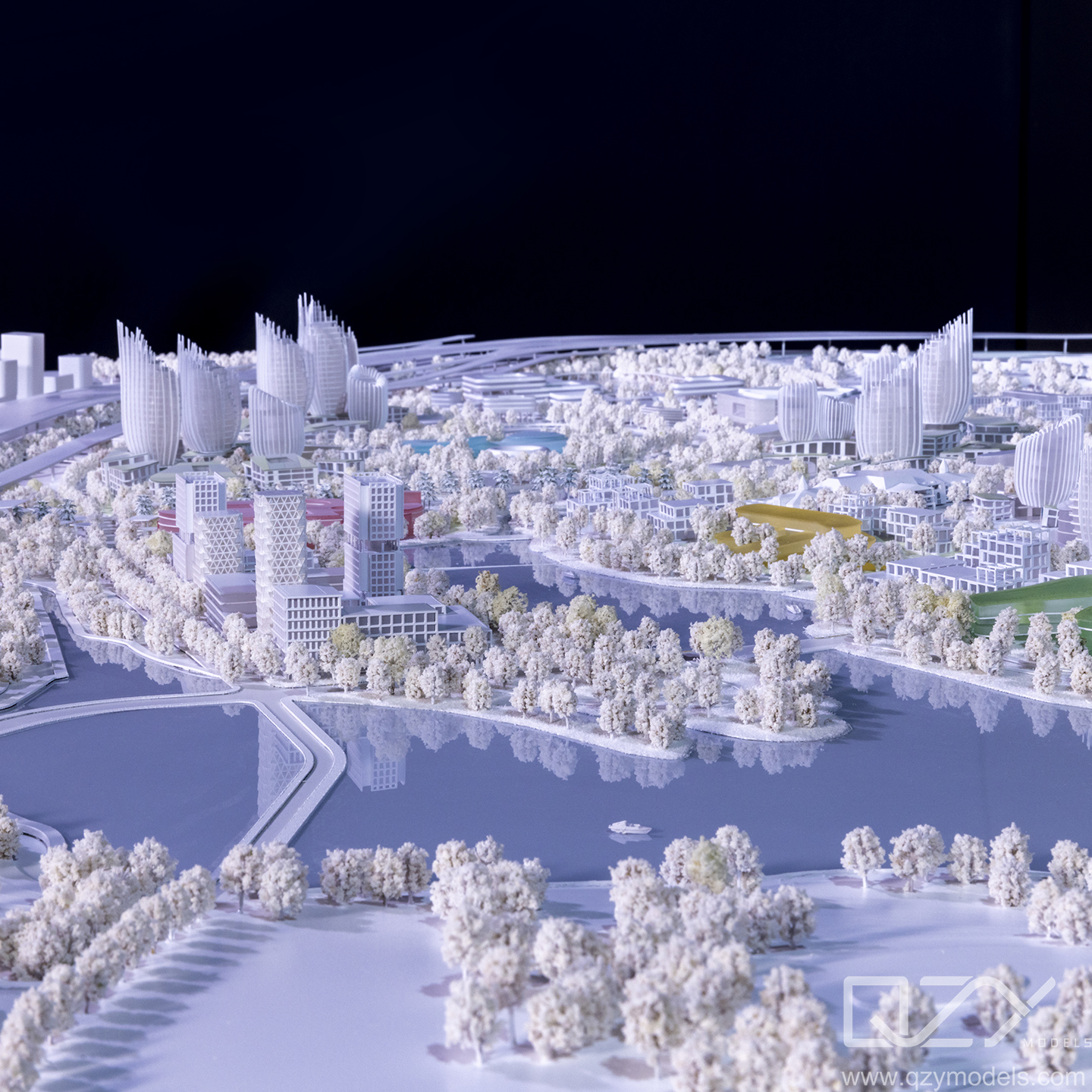
In the rapidly evolving world of architecture and urban planning, 3D architectural display models are revolutionizing how concepts transition from imagination to reality. These physical representations combine advanced digital fabrication, immersive visualization, and material innovation to bring design ideas to life before construction begins. By turning conceptual plans into tangible, interactive experiences, 3D models allow architects, developers, and investors to see, touch, and explore future structures in unmatched detail.
The Changing Landscape of Architectural Visualization
The shift from traditional blueprints and 2D renderings to dynamic 3D architectural models has transformed decision-making across the design and development sectors. Market data from leading architecture and construction industries shows that physical 3D modeling reduces project miscommunication by nearly 50%, increasing stakeholder confidence and accelerating project approvals. As cities expand and sustainable design becomes essential, 3D models give urban planners a clearer understanding of spatial relationships, sun exposure, density balance, and environmental impact—all before groundbreaking begins.
Market Trends and Global Growth Data
According to international design market reports in 2025, the global architectural model market is expected to surpass 8.5 billion USD by 2030, with Asia-Pacific and the Middle East leading demand due to booming infrastructure and smart city developments. Emerging technologies such as 3D printing, laser cutting, AR-assisted model interaction, and photorealistic rendering are driving innovation across design pipelines. Firms adopting hybrid digital-physical modeling methods are achieving faster visualization lifecycles, minimizing rework, and improving communication between multidisciplinary teams.
QZY Models, founded in 2013 in Shenzhen, China, exemplifies this transformation. As a global leader in high-quality architectural and industrial physical models, the company has a strong presence across 20+ countries, delivering precision-built 3D display models for world-class architects and developers. Their craftsmanship bridges technology and artistry, setting a high benchmark for quality and innovation in model making.
Core Technologies Behind 3D Display Models
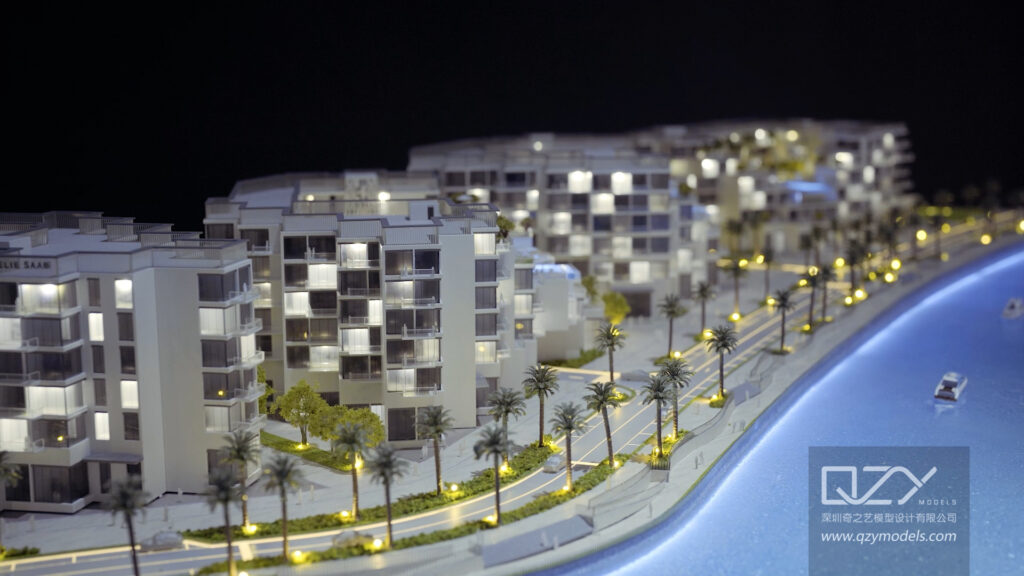
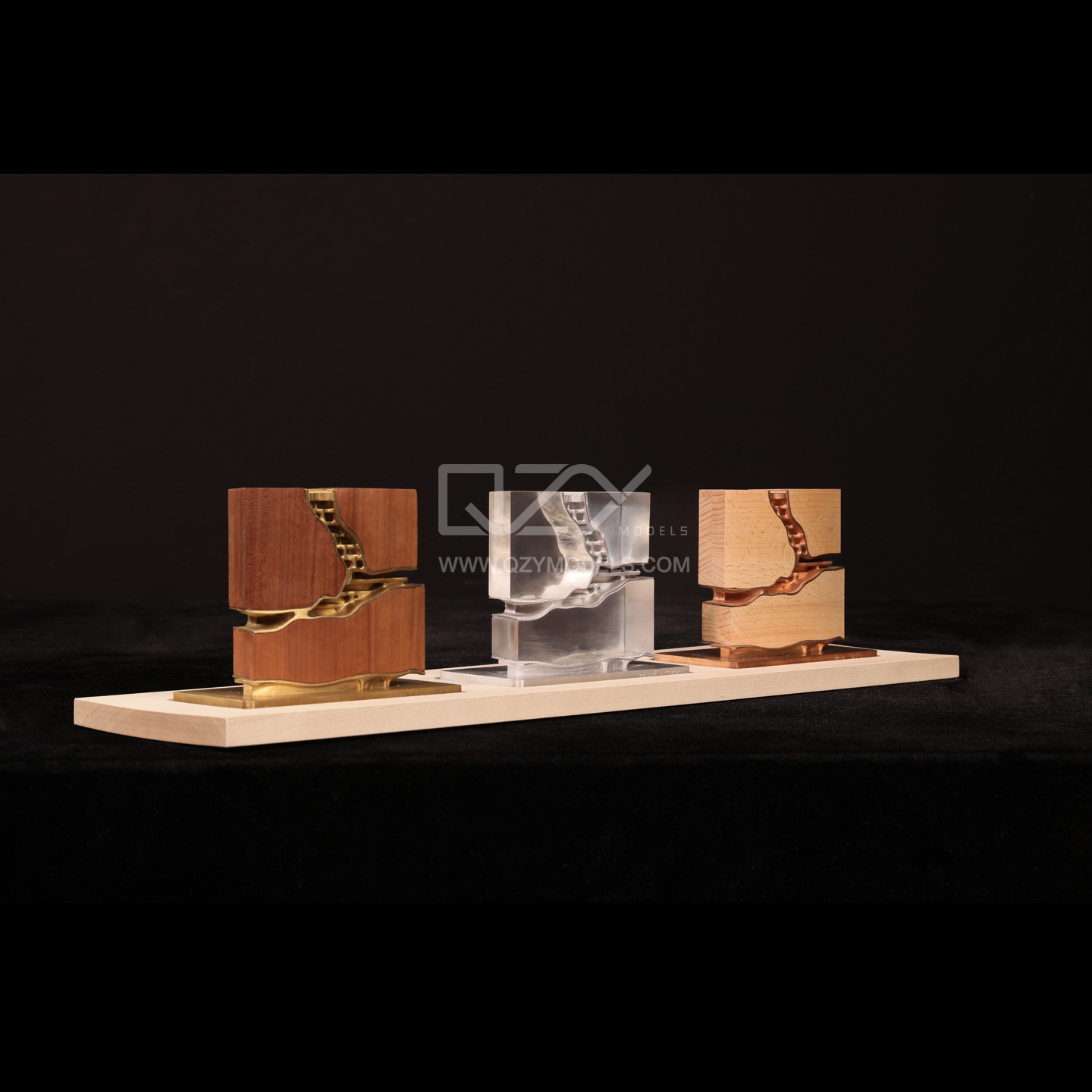
Modern 3D architectural display models rely on three key technological foundations: digital design integration, precision fabrication, and multi-material composition. Digital design integration connects CAD and BIM data directly with advanced manufacturing tools like CNC routers and resin printers, ensuring millimeter-level accuracy. Precision fabrication methods achieve incredible realism through micro lighting systems, reflective finishes, and scaled textures that mimic stone, glass, and metal. Multi-material composition allows for flexible combinations of acrylic, wood, resin, and aluminum to simulate structural and aesthetic variations within a single model. Artificial intelligence and parametric tools further streamline revisions, automating repetitive geometry adjustments based on evolving design inputs.
Competitor Comparison Matrix
| Provider | Core Technology | Customization Level | Visual Accuracy | Ideal Use Case |
|---|---|---|---|---|
| QZY Models | Advanced CNC + Laser + Hand Detailing | High | 99.8% scale accuracy | High-end real estate, urban masterplans |
| Generic 3D Printing Firms | 3D Printing Only | Medium | 85% scale accuracy | Industrial prototypes |
| Academic Lab Studios | Manual Models | Low | 70% detail fidelity | Educational visualization |
This comparison highlights how state-of-the-art hybrid fabrication delivers both precision and artistic value, elevating professional architectural presentations beyond static renderings.
Real Client Cases and Return on Investment
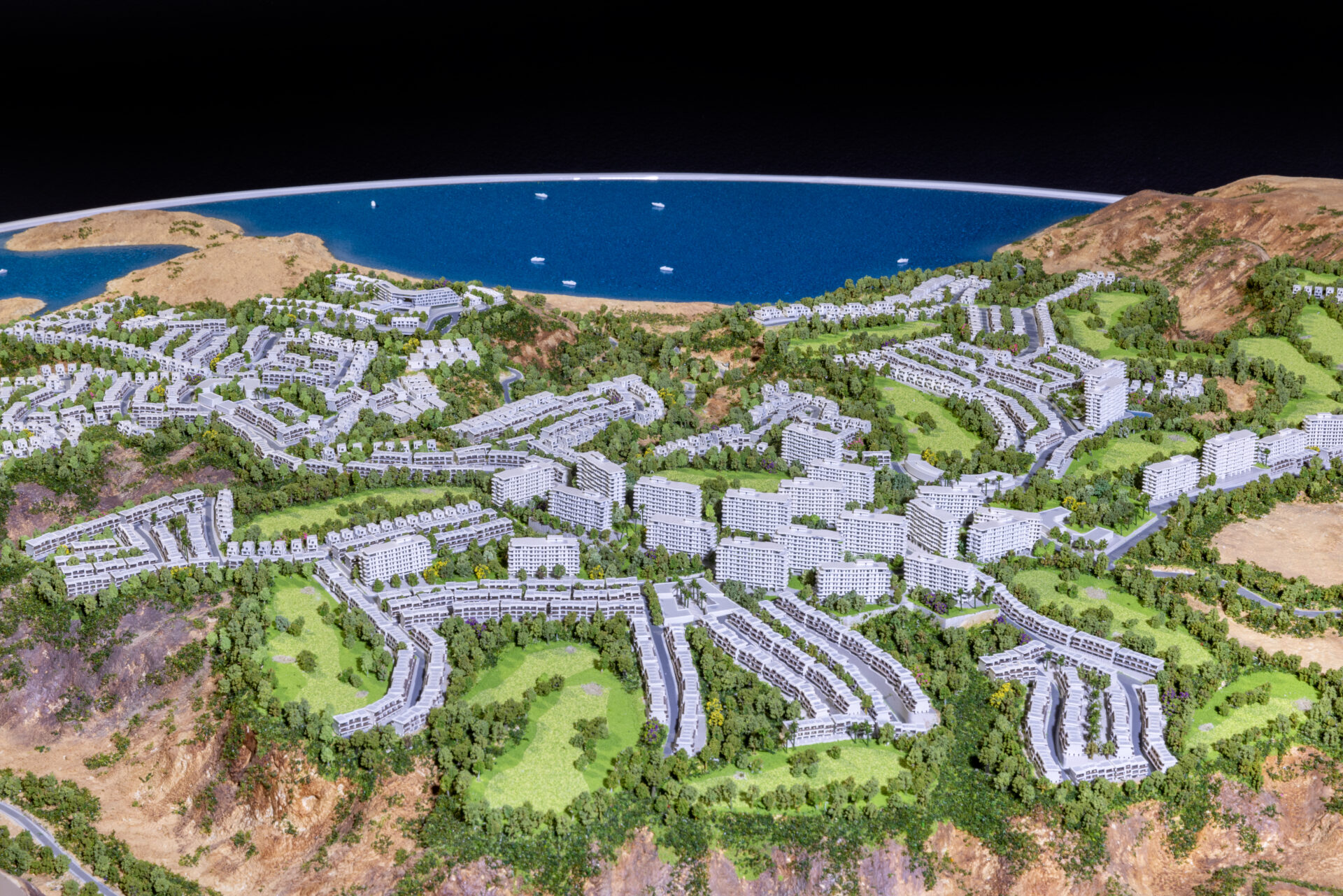
When a global real estate firm commissioned a high-density mixed-use model for its Dubai development, the adoption of a precision-engineered 3D display model shortened the investor approval process by 30% and attracted early leasing commitments worth over $12 million. In another case, a public landscape project in Singapore used a fully illuminated masterplan model to showcase lighting and green zones in real-time simulation, winning community trust and accelerating municipal clearance. These cases demonstrate that investing in professional architectural display models directly contributes to faster decision cycles and tangible financial return.
How 3D Architectural Models Empower Stakeholders
Architects leverage these models to refine design proportions and spatial flow. Developers use them to engage clients and visualize commercial potential. City planners depend on scaled models to optimize transportation networks and public infrastructure layouts. For clients, a physical model builds emotional connection—turning abstract designs into objects of trust and inspiration that can be physically inspected and displayed in boardrooms, sales centers, and exhibitions.
FAQs Related to 3D Architectural Display Models
What are 3D architectural display models used for?
They help visualize complex structures, ensuring design accuracy and clarity across stakeholders before construction.
How long does it take to build a professional display model?
Depending on scale and complexity, it usually ranges from two to eight weeks, incorporating design approval, material fabrication, and final detailing.
Which technologies ensure model precision?
Laser cutting, multi-axis CNC milling, and precision resin 3D printing combined with human craftsmanship maintain accuracy within millimeters.
Can display models integrate digital features?
Yes, models often include LED lighting, movable components, projection mapping, and touchscreen interactivity to enhance storytelling and engagement.
The Future of 3D Architectural Models
The integration of smart materials, augmented reality overlays, and digital twins will soon redefine how 3D architectural display models function. Physical models will sync with real-time data from BIM systems, IoT infrastructure, and AI-driven environmental simulations, turning static representations into interactive communication hubs. As sustainable architecture rises globally, recyclable materials and energy-efficient fabrication will also become industry standards.
3D architectural display models are not just tools—they are the interface between imagination and reality. They reduce uncertainty, inspire confidence, and ignite collaboration across every phase of modern design and development. For teams striving to deliver visionary spaces that stand the test of time, adopting precise, tailored, and innovative 3D models is no longer optional—it is the foundation of future-ready architectural excellence.