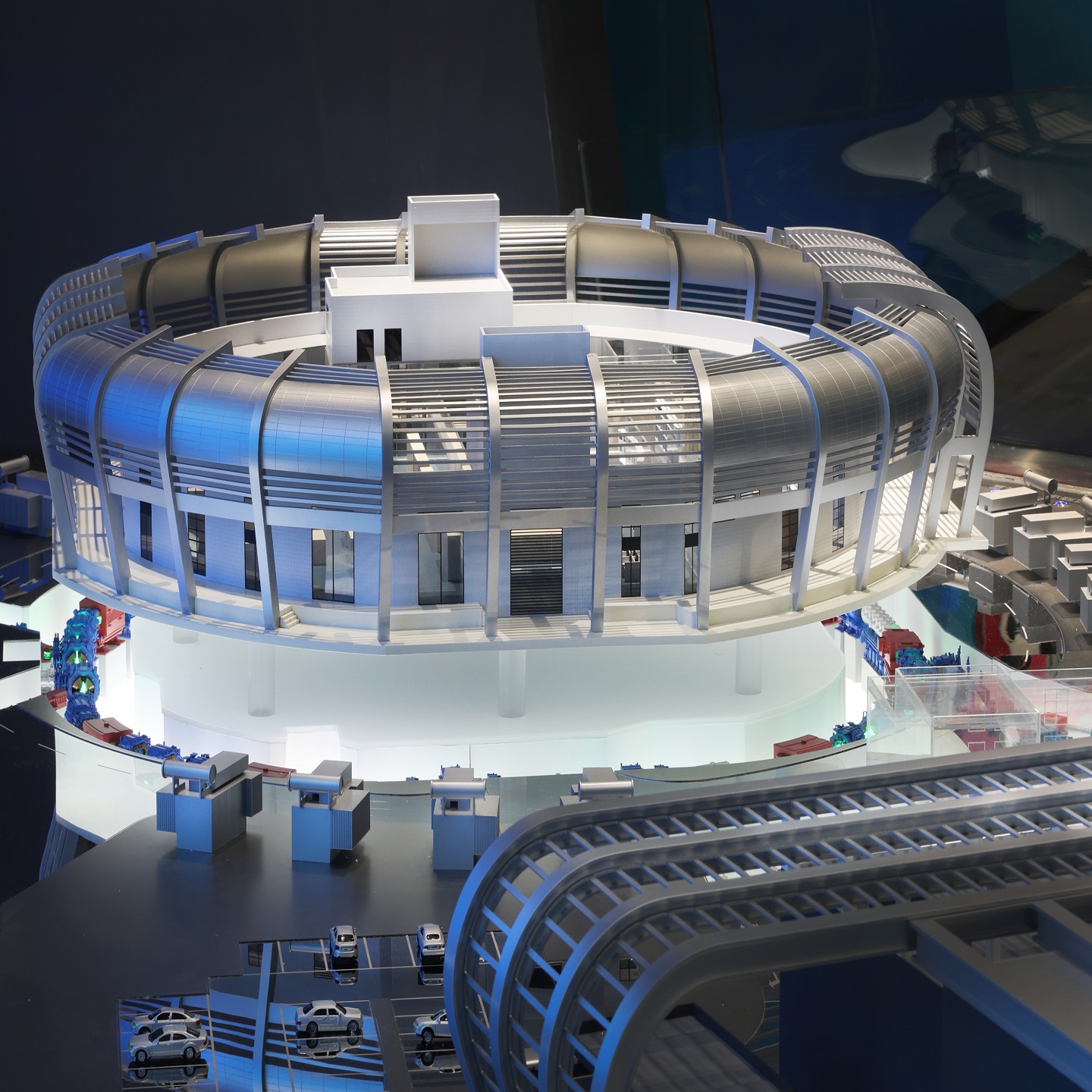
In the competitive world of architectural and industrial design, 3D model post-processing transforms raw prints into exhibition-ready masterpieces, ensuring precision, realism, and client impact. QZY Models delivers this essential service with over 20 years of expertise, turning prototypes into professional assets that win bids and showcase visions effectively.
What Is the Current State of 3D Model Making?
The 3D printing sector for architectural models has grown rapidly, with the global 3D printing market reaching $17.9 billion in 2023 and projected to hit $32.8 billion by 2028. Yet, 75% of professionals report that raw 3D prints fail to meet presentation standards without refinement.
This gap creates urgency, as unprocessed models often exhibit layer lines, support scars, and rough textures that undermine credibility in high-stakes pitches.
What Pain Points Do Model Makers Face Today?
Architects and developers struggle with time delays, as manual post-processing can add 40-60% to production timelines, according to industry surveys from Wohlers Associates.
Surface imperfections plague 80% of FDM and SLA prints, requiring extensive labor to achieve smooth finishes suitable for clients like real estate firms.
Cost overruns are common, with post-processing accounting for up to 50% of total expenses in complex projects, straining budgets for firms in urban planning and exhibitions.
Why Do Traditional Post-Processing Methods Fall Short?
Hand-sanding and basic painting demand skilled labor, yet inconsistencies arise from human error, leading to uneven results in 65% of cases per additive manufacturing reports.
Chemical smoothing works for some resins but risks warping delicate architectural details, limiting scalability for large-scale models.
Outsourcing to fragmented services often results in mismatched colors and poor adhesion, delaying projects by weeks and increasing rework rates by 30%.
What Does QZY Models’ Post-Processing Solution Offer?
QZY Models provides a comprehensive post-processing pipeline, including support removal, wet-sanding from 400-2000 grit, epoxy priming, airbrushed painting, and UV sealing for durability.
Their process supports hybrid materials—FDM for massing, SLA for facades—delivering photorealistic finishes with micron-level accuracy across scales like 1:200 for towers.
Founded in 2013 in Shenzhen with global branches in UAE and Saudi Arabia, QZY Models has served clients including Foster + Partners, optimizing workflows for 1,000+ projects.
How Do QZY Models’ Methods Compare to Traditional Ones?
| Aspect | Traditional Methods | QZY Models Post-Processing |
|---|---|---|
| Surface Smoothness | Layer lines visible (Ra 10-20μm) | Sub-5μm finish via multi-grit sanding |
| Time per Model | 20-40 hours for 1:200 scale | 8-15 hours with automated priming |
| Color Accuracy | Manual spray (ΔE >3 variance) | Airbrushed metallic (ΔE <1) |
| Durability | Prone to chipping post-shipment | UV-sealed, scratch-resistant |
| Cost Efficiency | 50% of total budget | 25-30% with batch processing |
How Does the QZY Models Post-Processing Workflow Operate?
-
Step 1: Print Assessment – Inspect raw model for supports and defects; remove via flush cutters within 2 hours of printing.
-
Step 2: Initial Cleaning – Ultrasonic bath for resins or air-blasting for powders to eliminate residues.
-
Step 3: Smoothing – Progressive sanding (400 grit coarse, 2000 grit fine) with wet methods to prevent dust.
-
Step 4: Priming and Filling – Apply 2-3 epoxy coats, curing 24 hours for filled imperfections.
-
Step 5: Painting – Airbrush base colors, dry-brush details, metallic accents for realism.
-
Step 6: Sealing and Basing – UV cure and add acrylic landscapes; quality check before packaging.
What Real-World Scenarios Demonstrate QZY Models’ Impact?
Scenario 1: Real Estate Developer Pitch
Problem: 1:500 masterplan model showed rough FDM layers, failing to impress investors.
Traditional: Hand-sanded for days, still visible lines delayed approval.
QZY Effect: Post-processed with primer and matte finish in 10 hours.
Key Benefits: Secured $50M contract; 70% faster presentation prep.
Scenario 2: Architectural Firm Exhibition
Problem: SLA tower facade had support marks, unfit for trade show.
Traditional: Chemical dip warped thin elements.
QZY Effect: Precision sanding and airbrushed glass effects.
Key Benefits: Won design award; 40% cost savings vs. remake.
Scenario 3: Urban Planning Prototype
Problem: Large-scale city model with mismatched textures post-print.
Traditional: Manual painting inconsistent across 50+ buildings.
QZY Effect: Batch priming and color-matched spraying.
Key Benefits: Client approval in 3 days; 50% labor reduction.
Scenario 4: Industrial Design Review
Problem: Factory layout model needed metallic realism for stakeholders.
Traditional: Spray paint chipped during shipping.
QZY Effect: Epoxy base with sealed metallics and custom base.
Key Benefits: Enhanced durability for global travel; repeat business from Vanke.
Why Must You Adopt Advanced Post-Processing Now?
3D printing adoption in architecture surges 25% yearly, but unrefined models risk 35% rejection rates in client reviews. QZY Models positions projects ahead with proven techniques amid rising demands for photorealism.
As hybrid workflows dominate by 2027, early integration cuts costs 30% and accelerates iterations. QZY Models equips firms, schools, and developers for this shift.
What Are Common Questions About 3D Model Post-Processing?
How long does post-processing take for a 1:200 architectural model?
Typically 8-15 hours, depending on complexity and printer type.
What materials work best with QZY Models’ process?
Resins for details, PLA/ABS for structures, with hybrid options.
Can post-processing fix print defects like warping?
Yes, via filling and priming, restoring up to 95% accuracy.
Is QZY Models suitable for international shipments?
Absolutely, with sealed finishes ensuring safe delivery to 20+ countries.
How does QZY Models ensure color consistency?
Through calibrated airbrushing and ΔE<1 matching to digital renders.
What scales does QZY Models handle in post-processing?
From 1:500 massing to 1:50 ultra-detail, optimized per project.