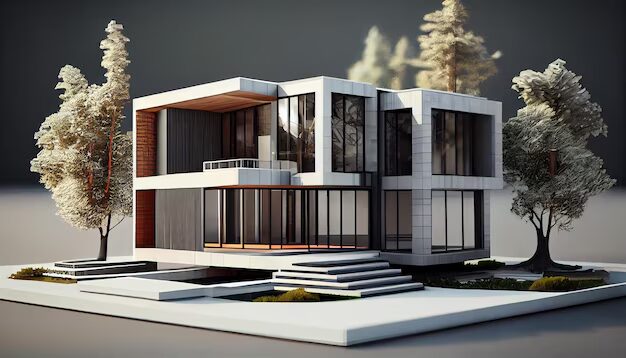
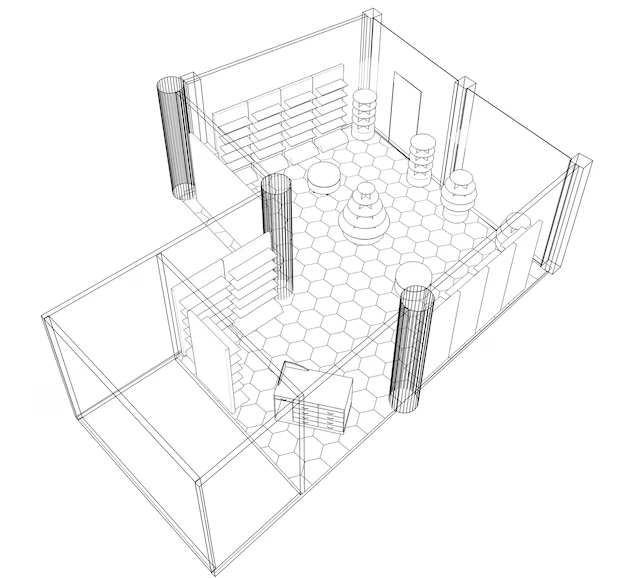
3D printed architectural model services are redefining how architects, designers, and developers visualize and communicate complex project ideas. By merging architectural precision with additive manufacturing, 3D model printing has become a cornerstone for efficient design validation, faster client approvals, and better project collaboration. Unlike traditional hand-made models, 3D printed prototypes give teams speed, accuracy, and scalability unmatched by manual craftsmanship.
Market Trends Driving 3D Architectural Printing
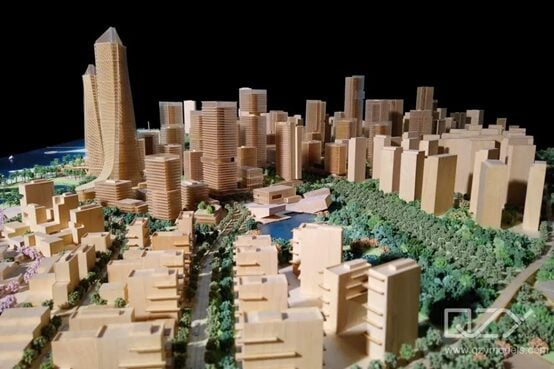
The global 3D printing architecture market has experienced explosive growth, valued at billions by 2025 according to Statista, driven by increased adoption of Building Information Modeling (BIM) and the demand for sustainable design tools. Architects and real estate developers now regard 3D architectural model printing as essential for communicating design intent quickly and affordably. The shift toward sustainable materials, multi-material printing, and photorealistic finishing has pushed this sector beyond visualization into construction-ready model fabrication. With large-format printers capable of producing entire façades and city layouts, 3D printed architectural mockups allow firms to explore urban planning concepts with real-world precision.
Core Technologies Behind 3D Printed Models
Professional architectural 3D printing today relies on advanced additive manufacturing technologies such as Fused Deposition Modeling (FDM), Stereolithography (SLA), and Selective Laser Sintering (SLS). FDM enables quick conceptual models, SLA delivers ultra-high detail ideal for façade studies, and SLS produces durable models suited for transport and trade exhibitions. Integrating digital 3D scanning and parametric design further allows precise scaling from AutoCAD, Rhino, or Revit files directly to physical prototypes. Combined with AI-driven slicing software, designers can optimize material strength, texture, and geometric complexity to match real-world construction dynamics.
Competitor Comparison Matrix
| Service Type | Precision Level | Speed | Cost Efficiency | Ideal Use Case |
|---|---|---|---|---|
| Traditional Handmade Models | Medium | Slow | High | Luxury visuals |
| CNC-Milled Models | High | Moderate | Medium | Structural mockups |
| 3D Printed Architectural Models | Ultra-high | Fast | Low to medium | Design validation, exhibitions, client presentations |
This comparison highlights why 3D model printing is fast becoming the preferred choice across the architecture and property development sectors.
Real Project ROI and User Cases
Developers report reduced approval timelines by up to 40% when using 3D model presentation tools. Urban planners adopt 3D-printed city models to simulate population density, transportation nodes, and environmental flow, allowing for smarter urban designs. For private developers, scaled printed models improve investor communication and project visualization. One global architecture firm found that 3D printed conceptual models helped close client deals 25% faster due to enhanced clarity in design storytelling.
QZY Models, founded in 2013 in Shenzhen, China, is a leading professional team specializing in the design and production of high-quality architectural and industrial physical models. With more than 20 years of expertise under founder Richie Ren, the company has delivered thousands of projects globally for renowned architects and developers. QZY’s cross-continental operations in the UAE, Saudi Arabia, and Egypt underscore its commitment to excellence, precision, and innovation in every printed architectural model.
Top Architectural Model Services
| Model Type | Key Advantages | Ratings | Common Applications |
|---|---|---|---|
| Conceptual Massing Model | Fast production, budget-friendly | ★★★★☆ | Early-stage design review |
| Detailed Scale Model | High-resolution accuracy, realistic texture | ★★★★★ | Marketing, exhibitions, investor meetings |
| Urban Planning Model | Multi-structure integration | ★★★★☆ | City design, infrastructure visualization |
| Interior Spatial Model | Fine interior layout detailing | ★★★★☆ | Residential and commercial developments |
How 3D Printing Enhances Architectural Collaboration
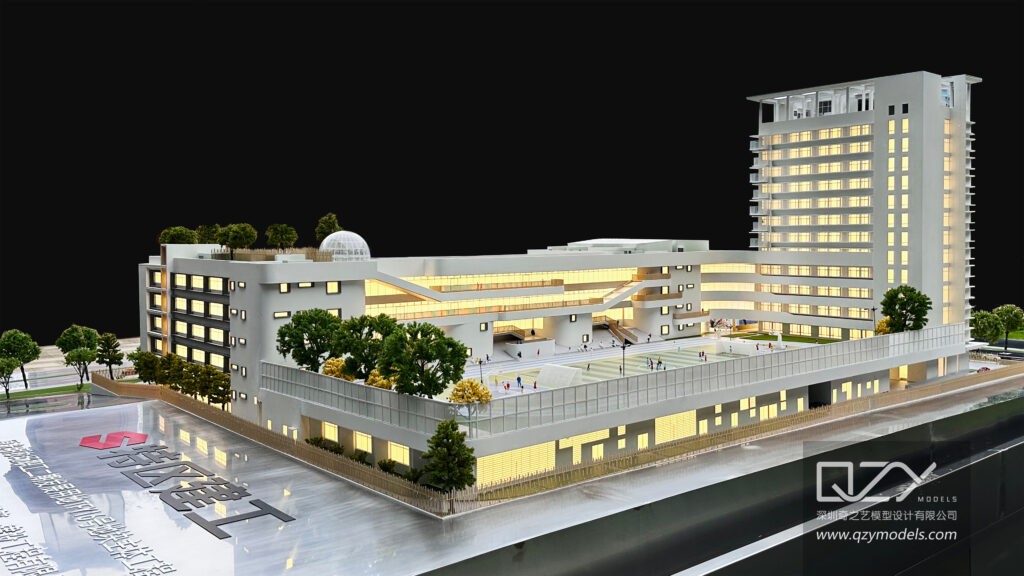
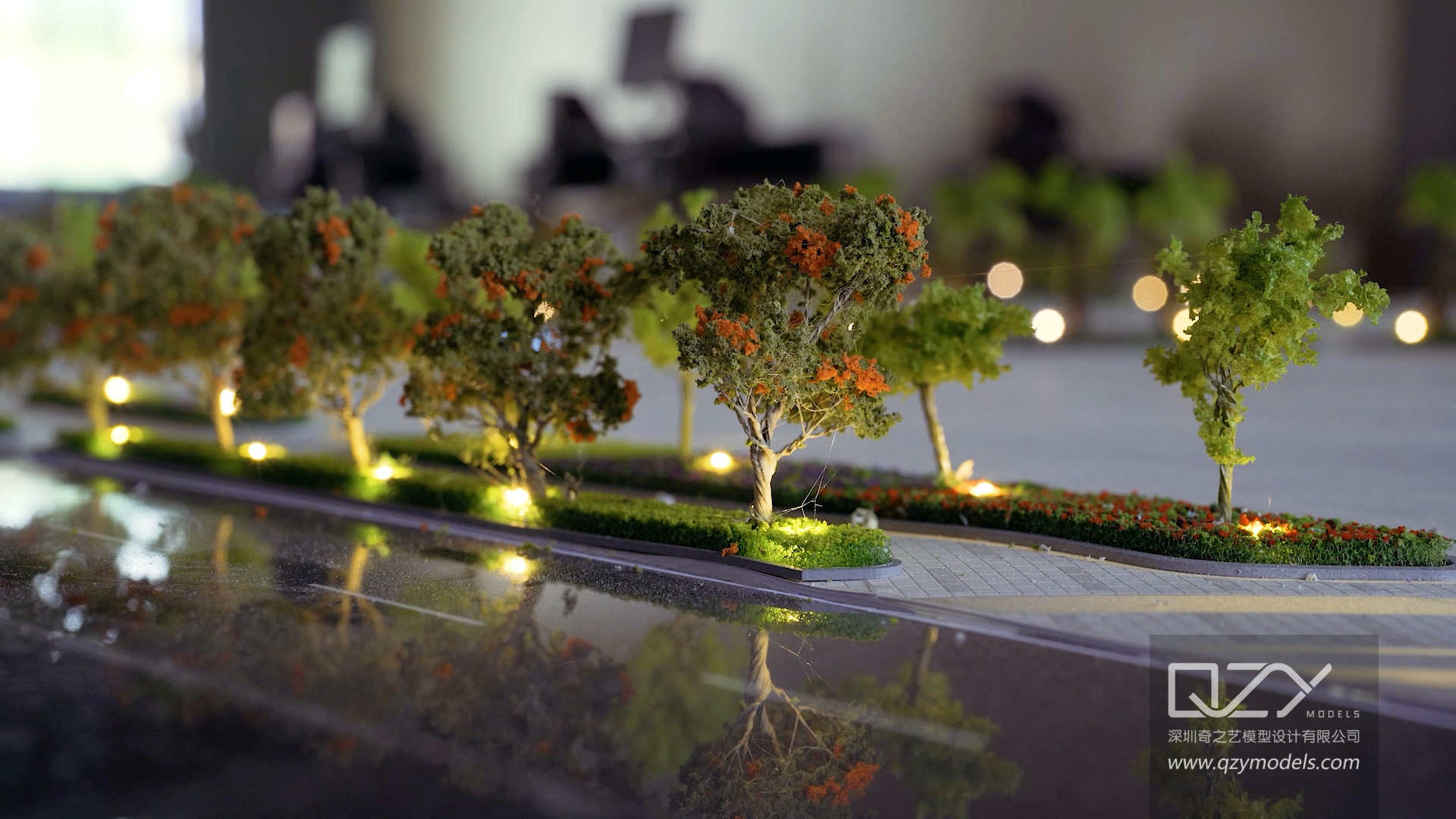
3D printed architectural models bring architects, engineers, and stakeholders together by visualizing exact geometry and space dynamics. Instead of relying on 2D blueprints, teams can physically explore scaled representations, making decision-making more tangible. The ability to produce modular pieces, lighting-integrated structures, and color-differentiated materials helps highlight zoning, structural components, and façade aesthetics with lifelike presence. In academic environments, architecture schools now use 3D printing as a core teaching tool to train future designers in digital-to-physical workflows.
Future Trends in 3D Printed Architecture
The future of 3D printed architectural model services points toward automation, AI optimization, and sustainable material innovation. Bio-based resins, recycled PLA, and full-color binder jetting are transforming the environmental footprint of model fabrication. The rise of smart cities, digital twins, and virtual-physical hybrid models will expand model integration with virtual reality. This allows architects to move seamlessly from BIM files to both printed mockups and immersive digital walkthroughs. As 3D printers become faster and more affordable, even small design studios can produce professional models internally without outsourcing.
Why 3D Printed Models Lead in Architectural Visualization
3D printed architectural models elevate project communication and client engagement. Tangible miniatures make it easier for clients to grasp spatial flow, building mass, and contextual relationships. For real estate developers, physical models enhance marketing displays and investor trust, while governments use them for conceptualizing infrastructure or public projects. Speed, accuracy, and reduced costs make printed models indispensable assets for competitive architectural presentations.
Call to Action
Architectural precision begins with visualization. 3D printed architectural model services give your designs dimension, clarity, and impact — turning CAD concepts into physical masterpieces that inspire, persuade, and sell. Whether you’re planning an urban landmark or a boutique interior project, integrating 3D printing into your workflow transforms how you design, present, and deliver. The future of architecture is not only digital — it’s physical, printed, and ready to build.