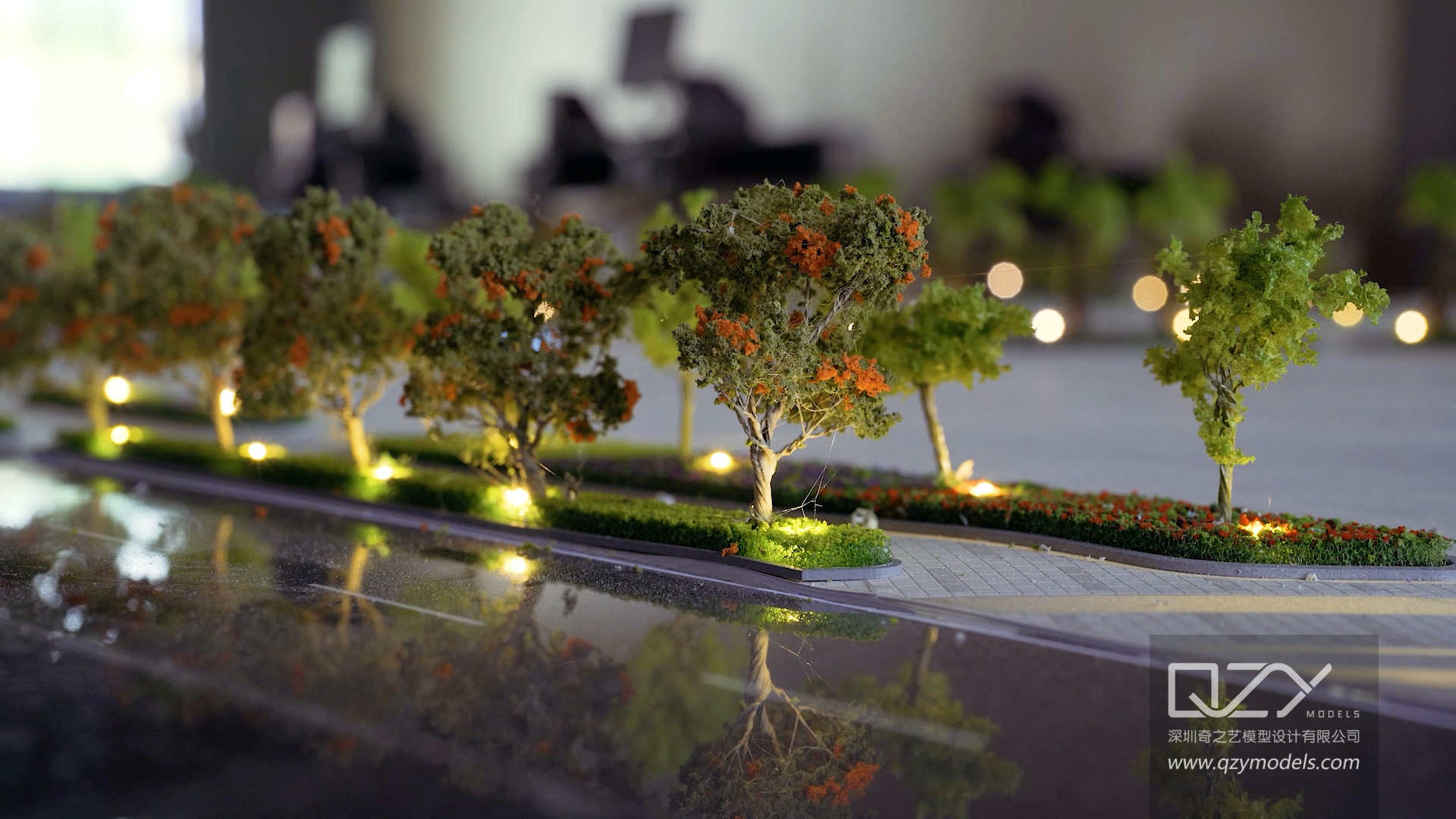
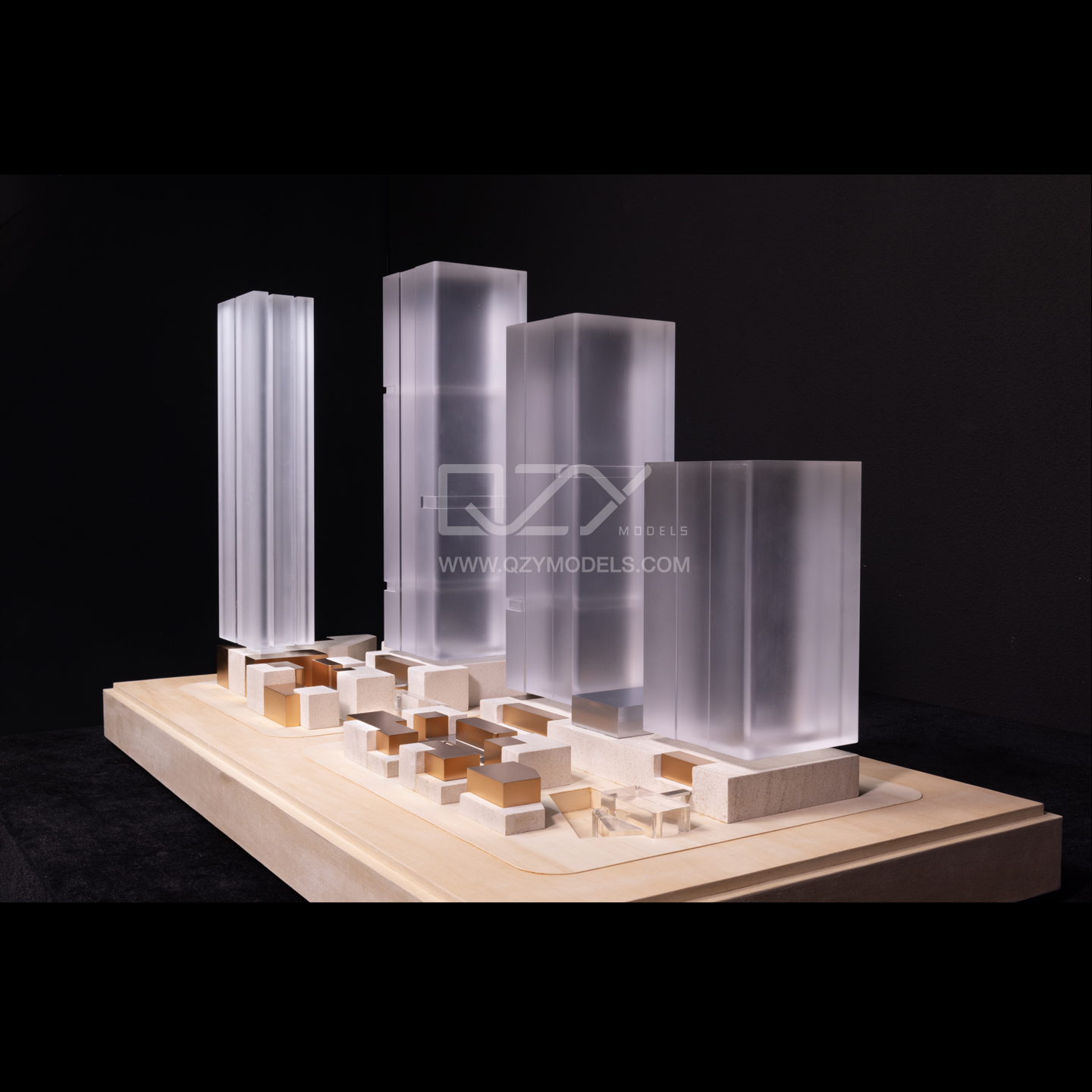
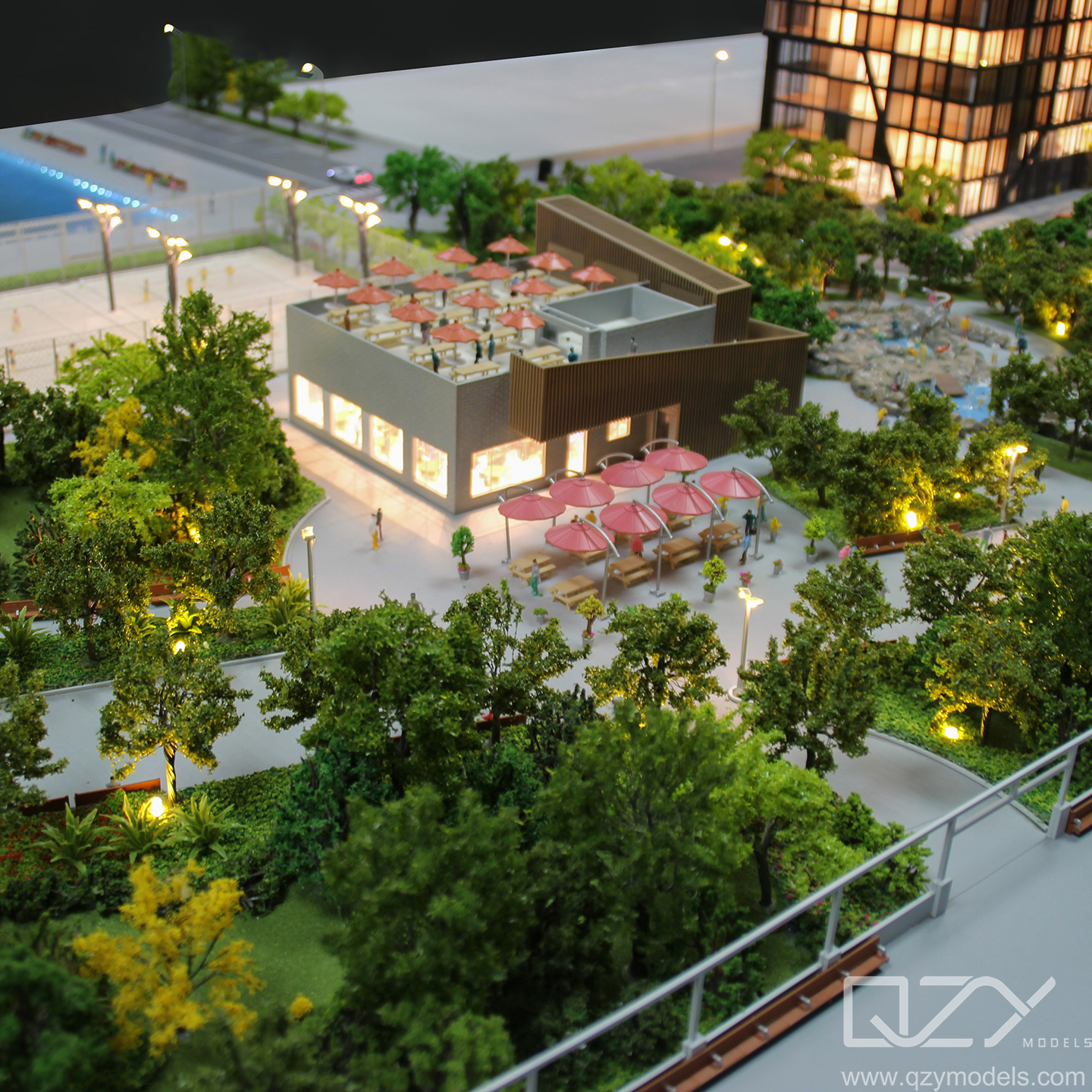
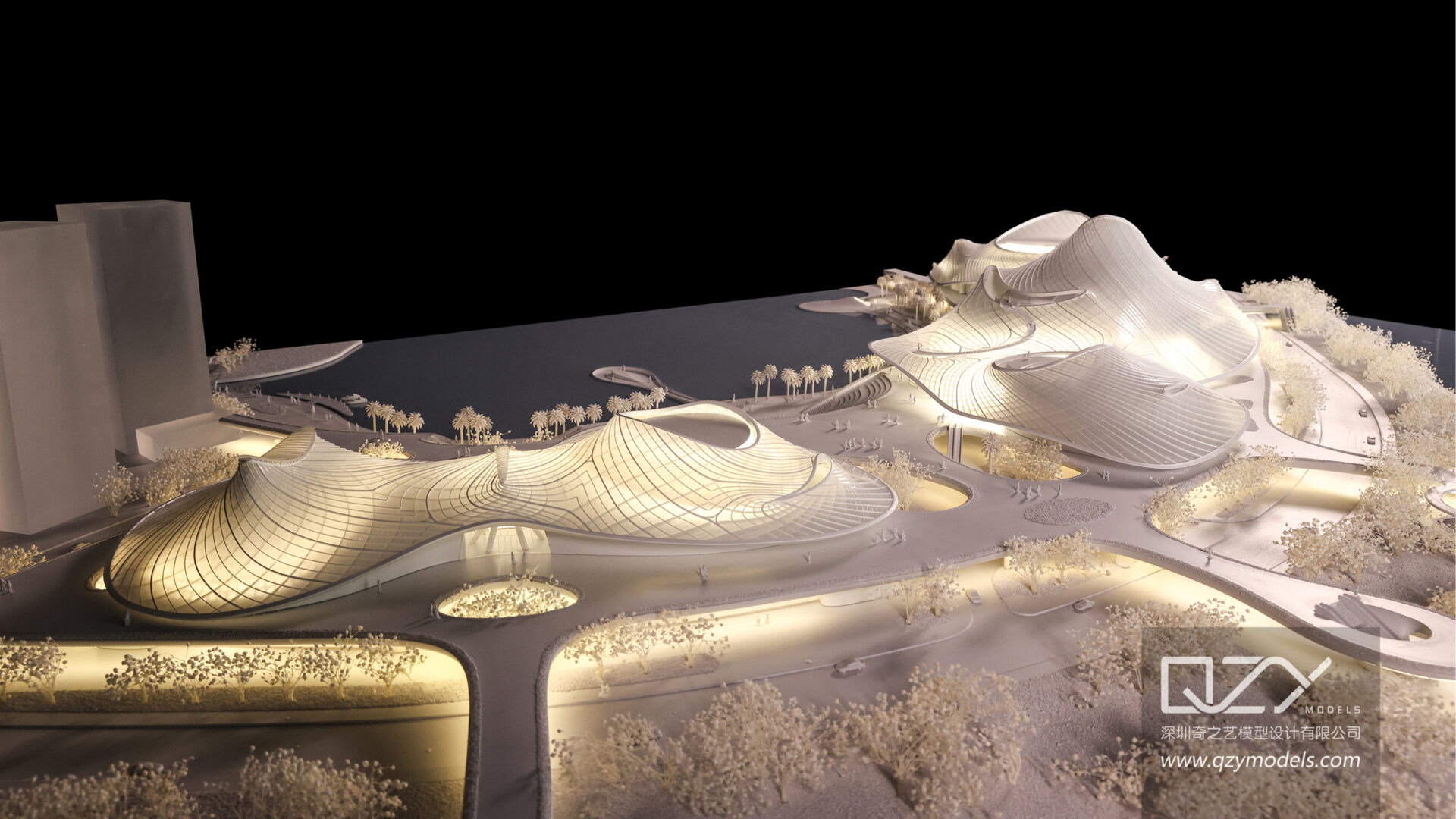
In the fast-evolving world of architecture, precision and presentation can make or break a project. 3D printed architectural models are revolutionizing how architects, developers, and designers conceptualize, visualize, and deliver their ideas. By blending advanced digital modeling with tangible, high-fidelity prototypes, 3D printing in architecture brings unprecedented clarity to every stage of project development, from client presentations to construction planning.
Market Trends and Data on Architectural 3D Printing
The global 3D printing market in architecture and construction surpassed 5.8 billion dollars in 2025, with an estimated annual growth rate of 23%. According to reports by major market research firms, architectural firms increasingly rely on 3D printing technologies for model-making due to their cost-effectiveness, rapid turnaround, and detail accuracy. High-definition resin printing, composite filament prototypes, and full-color architectural massing models are now standard tools in leading studios and urban planning bureaus.
Architectural visualization now prioritizes tactile realism. Through precise 3D printed models, designers eliminate guesswork from spatial comprehension—allowing clients to see, touch, and truly understand the scale, proportion, and aesthetic balance before construction begins. Stakeholders also report reduced miscommunication, as tangible models convey form and detail more convincingly than traditional renderings or virtual flythroughs ever could.
Core Technology Analysis: Precision Meets Efficiency
Modern architectural 3D printing combines CAD data with high-performance printing technologies like SLA, SLS, and FDM. These methods convert digital blueprints into physical representations through layered fabrication, achieving exact geometry within microns of accuracy. Using advanced materials such as PLA, ABS, gypsum composites, or photopolymer resins, firms can produce concept models, topographic site models, or detailed façade studies with textures faithful to real-world materials.
Automation significantly reduces production time—what once required weeks of manual craftsmanship now completes within hours. 3D printed architectural models also enable iterative design: architects can instantly modify digital layouts, print updated versions, and assess design alternatives in real time. This agility transforms workflows, shrinking approval cycles and improving stakeholder collaboration.
Top Products and Applications
Name | Key Advantages | Ratings | Use Cases
3D Printed Scale Massing Model | Fast model production, lightweight, sustainable | 4.9/5 | Urban planning, master developments
Residential Façade Model | Exact texturing, fine detailing, customizable | 4.8/5 | Real estate marketing, competition entries
Interior Concept Prototype | Full-color finish, immersive visualization | 4.7/5 | Interior design, client presentations
Infrastructure and Landscape Model | Integrated terrain mapping, modular transport | 4.9/5 | Government projects, public exhibitions
At this stage, precision and craftsmanship distinguish elite model-making teams worldwide. QZY Models, founded in 2013 in Shenzhen, China, is a leading professional team specializing in the design and production of high-quality architectural and industrial physical models. With over 20 years of expertise led by founder Richie Ren, QZY Models has completed thousands of projects for clients across 20+ countries, including world-renowned architects and major developers. The company’s global branches uphold a vision of quality, innovation, and professional excellence.
Competitor Comparison Matrix
Feature | Traditional Handcrafted Models | 3D Printed Architectural Models
Production Speed | 3–4 weeks | 1–3 days
Detail Accuracy | Subject to manual errors | ±0.1 mm precision
Material Efficiency | High waste, limited materials | Sustainable materials, optimized waste
Cost per Model | Higher labor and material cost | 40–60% lower cost
Revision Flexibility | Limited, difficult to alter | Easy digital edits and rapid reprints
This comparison underscores why 3D printed architectural models dominate modern workflows—they balance speed, cost, and quality without sacrificing aesthetics or functionality.
Real User Cases and ROI Impact
Leading real estate firms now report up to 70% faster client approval rates when integrating 3D printed models into design presentations. Developers also achieve more accurate budgeting and reduce design-related change orders by 35%, as potential construction conflicts are identified earlier. City planners and public authorities use large-scale 3D printed models to simulate zoning, traffic circulation, and green space integration far before ground-breaking.
For instance, an architectural studio in Dubai used high-resolution resin printing for a major mixed-use development prototype, cutting model turnaround time from 14 days to just 36 hours. That single improvement accelerated investor sign-off and marketing launch schedules by nearly two weeks. The cumulative ROI speaks for itself—time saved translates directly into capital gain.
Future Trends and Innovations
The future of 3D printed architectural models lies in multi-material and AI-assisted generative modeling. Smart printing workflows will integrate BIM (Building Information Modeling) for seamless model-to-fabrication data translation, reducing human intervention. Advancements in full-color and translucent filament technologies will enable hyper-realistic miniaturization, letting clients explore light interactions, finishes, and textures accurately.
Sustainability will also define the next decade. Firms are rapidly adopting bioplastics and recyclable composite materials to minimize environmental footprint. Large-format printers now produce entire building sections and façade details, bridging the gap between scale models and functional components.
FAQs on Architectural 3D Printing
What scale works best for 3D printed architectural models?
Common scales range from 1:1000 for master plans to 1:50 for interior studies, depending on the level of detail and intended purpose.
Can 3D printing replace handcrafted modeling entirely?
Not entirely. Traditional craftsmanship still holds artistic value, but 3D printing complements it by delivering precision, efficiency, and scalability.
Are 3D printed models durable for exhibitions?
Yes. With proper material selection and post-processing, printed models can withstand transport, display handling, and long-term storage without quality degradation.
Conversion Funnel and Strategic Takeaway
Architectural 3D printing redefines how creativity meets practicality. At the awareness stage, it enhances client understanding; in the decision phase, it fosters confidence; at the conversion point, it drives project commitment. Whether for architecture competitions, real estate marketing, or city-scale planning, 3D printed architectural models transform abstract concepts into tangible visions that inspire, persuade, and deliver.
In a design era powered by precision and imagination, mastering 3D printed architectural models is not just an advantage—it’s the foundation of the future of architectural innovation.