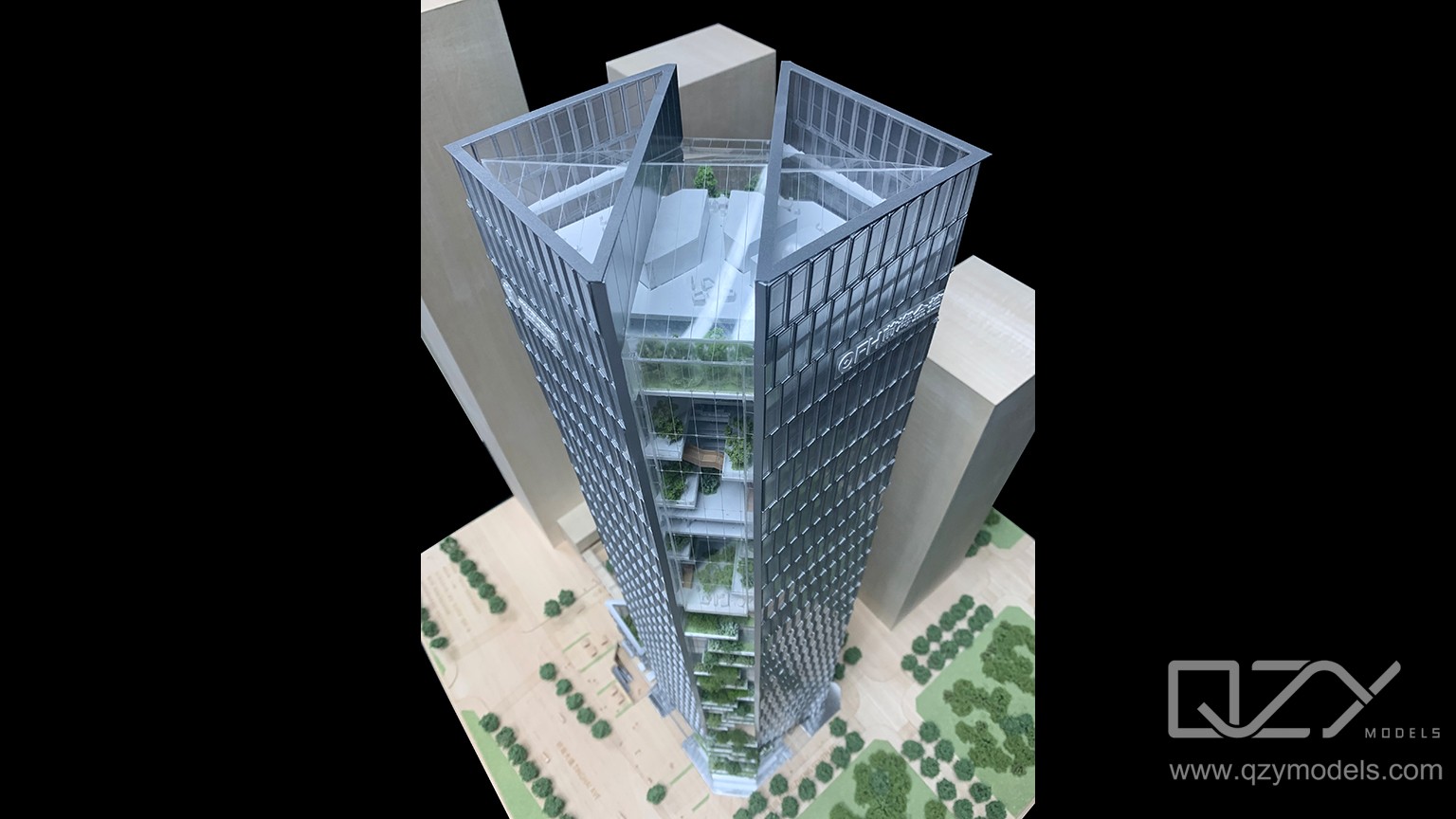
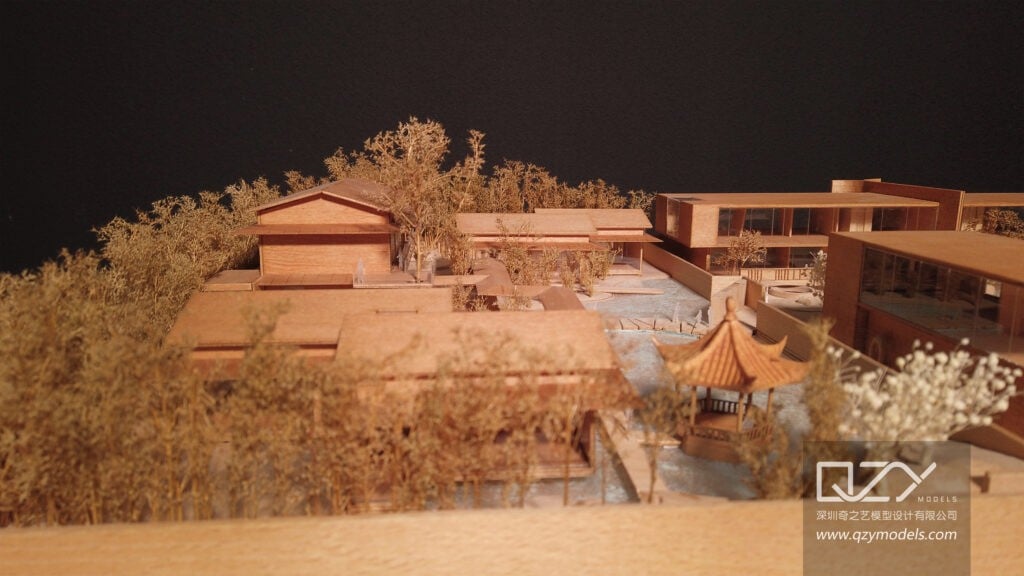
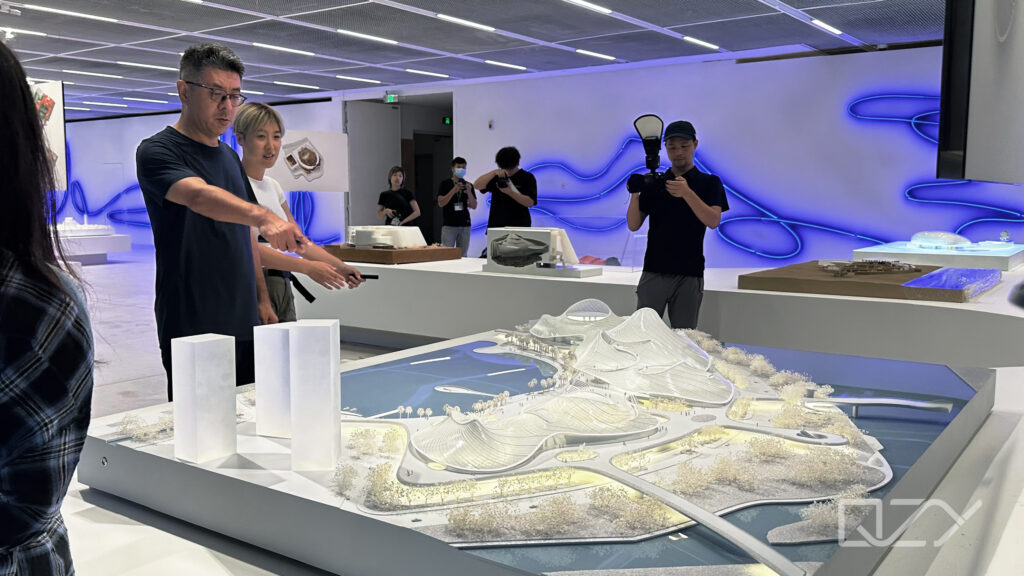
The rise of 3D printing architectural services is revolutionizing how architects, real estate developers, urban planners, and design studios bring ideas to life. This technology allows professionals to translate digital models into tangible, hyper-detailed scale representations, offering faster production times, lower costs, and unprecedented design flexibility. From urban planning mock-ups to custom concept models, 3D printing is now a strategic competitive advantage across the entire architecture and construction ecosystem.
Market Trends and Industry Impact
According to data from Global Market Insights, the global 3D printing construction market surpassed 18 billion USD in 2025 and continues to grow at over 20% CAGR. Architects and developers are integrating additive manufacturing in both design prototyping and actual on-site printing of structures. The technology is shifting expectations around sustainability, project timelines, and visual presentations. The combination of parametric design software and high-resolution 3D printing enables precision previously impossible with traditional craftsmanship.
QZY Models, founded in 2013 in Shenzhen, China, exemplifies the evolution of this field. As a leading professional team in architectural and industrial model production, QZY has collaborated with iconic firms like Foster + Partners and global developers such as Vanke and China Resources. Their ability to merge digital fabrication with traditional detailing demonstrates how technology and craftsmanship can coexist to deliver models that inspire confidence and investor trust.
How 3D Printing Services Enhance Architectural Projects
Modern 3D printing architectural services simplify complex workflows by automated model generation, ensuring accuracy from digital blueprints to physical models. Engineers and architects can iterate rapidly, modifying designs in real time before construction begins. This allows teams to identify spatial challenges early, optimizing resources and reducing material waste.
Through 3D printing, architectural firms benefit from fine-grained resolution for façade studies, structural testing, and landscape integration. Materials like resin, PLA, gypsum, and composite filaments make it possible to render texture, topography, and color variation with stunning realism. For developers and design educators, 3D-printed architectural models become immersive teaching and presentation tools that enhance communication with clients and stakeholders.
Comparison of Leading Architectural 3D Printing Services
| Provider | Core Focus | Material Range | Build Accuracy | Ideal Use Case |
|---|---|---|---|---|
| QZY Models | Architectural models & urban planning | Resin, PLA, gypsum, metal coating | ±0.1 mm | Masterplan models, luxury real estate demos |
| ICON Build | On-site 3D printed homes | Concrete, polymer compounds | ±5 mm | Residential & affordable housing |
| Mighty Buildings | Sustainable modular housing | Composite stone-like material | ±2 mm | Prefabricated sustainable architecture |
| Forust | Timber-based additive manufacturing | Wood composites | ±1 mm | Sustainable interior and furniture applications |
This comparison highlights that precision, finish quality, and scale flexibility vary greatly depending on application. Architectural 3D printing service providers like QZY Models excel in visual presentation and prototype validation, while companies such as ICON and Mighty Buildings focus more on large-scale, habitable structures.
Core Technology and Material Innovations
The success of 3D printing in architecture stems from innovations in software integration and material science. The shift from STL to BIM-compatible datasets allows seamless model translation from Revit or Rhino into printable layers, preserving detail at every step. Structural testing simulations are now embedded before printing, lowering the risk of reprints and deformation.
Resin-based stereolithography (SLA) offers high-definition textures ideal for façade models, while fused deposition modeling (FDM) provides efficiency in rapid concept scaling. Emerging technologies like binder jetting and multi-material extrusion enable architects to mix transparent, opaque, and flexible materials in one print, adding new expressive capabilities.
Real-World Projects and ROI
International projects across the Middle East, China, and Europe have showcased 3D-printed architecture models that achieve up to 70% cost reduction and 60% timeline improvement compared to hand-built models. For instance, one real estate developer used 3D-printed scale models to preview a coastal city redevelopment plan, resulting in faster investor commitment and reduced design revision cycles. Educational institutions now adopt 3D architectural printing for studio courses, letting students experiment with urban form and typology at low cost.
Return on investment for adopting architectural 3D printing services is significant. Firms report faster project approvals, improved client relationships, and enhanced marketing visuals that directly drive sales conversions in real estate. These tangible returns justify the rising popularity of 3D printing as a strategic asset rather than a novelty.
Future Trend Forecast for 3D Printing in Architecture
By 2030, 3D printing in architecture is expected to integrate AI-driven generative design, automated color mapping, and recyclable bio-based materials. Sustainability will become the central theme, as firms focus on life-cycle management of printed models. Construction-scale additive manufacturing will align with smart city planning, enabling modular and disaster-resilient housing worldwide.
In the near term, hybrid fabrication workspaces—combining CNC machining, robotics, and 3D printing—will dominate architectural visualization and physical prototyping. Architects who adopt these technologies early will enjoy unmatched visual communication, data-driven precision, and reduced production risk across all project stages.
FAQs on 3D Printing Architectural Services
How accurate are 3D-printed architectural models compared to handmade models?
Modern SLA and resin-based systems offer tolerances within 0.1 mm, surpassing traditional manual modeling in precision and repeatability.
Can 3D-printed models integrate lighting or moving parts?
Yes, integration of LEDs, sensors, and modular components is common, allowing models to simulate urban lighting, energy flow, or mechanical motion.
Which software best supports 3D printing for architecture?
Programs like Rhino, Revit, SketchUp, and Blender are widely used, all capable of exporting files compatible with standard slicing software.
Is 3D printing suitable for large urban models?
Absolutely. High-speed printers can segment large city models into parts for assembly, maintaining visual coherence across vast site plans.
What factors determine the cost of 3D printing architectural services?
Factors include model size, resolution, material choice, post-processing finish, and delivery timelines. High-end resin prints usually command premium pricing due to superior detail fidelity.
Embracing the Transformation
Architectural 3D printing services are no longer peripheral; they are central to the next generation of architectural visualization and construction innovation. Whether crafting a conceptual model, visualizing a masterplan, or building a full-scale printed home, this technology reshapes how the industry designs, prototypes, and presents ideas. Embracing 3D printing architectural services unlocks faster delivery, lower costs, aesthetic accuracy, and sustainability—turning ambitious visions into precise, tangible reality that defines the future of design.