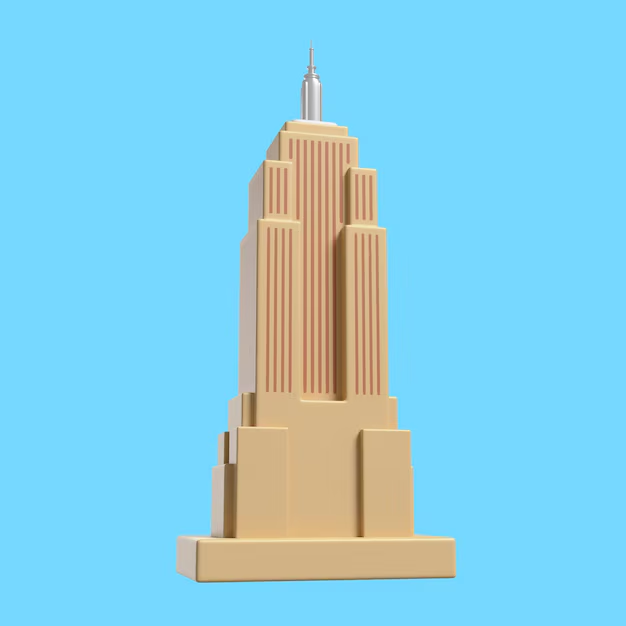
Architectural design is evolving faster than ever, combining creativity with advanced visualization technology. Yet, no digital rendering or 3D animation can match the tangible realism and emotional impact of a custom architectural model. A trusted architectural model company transforms concepts into physical masterpieces that elevate presentations, inspire investors, and redefine how design intent is communicated. Whether you’re a real estate developer, architect, or urban planner, partnering with expert model makers delivers a powerful competitive edge in every stage of your project.
The Growing Demand for Custom Architectural Models
According to Statista data for 2025, global demand for architectural visualization solutions exceeded 4.8 billion dollars and continues to rise as developers invest in realistic model-making for large-scale projects. Today’s buyers expect immersive physical experiences alongside digital renderings. A detailed model makes complex masterplans, skyscrapers, or interior concepts instantly understandable to clients and investors. Beyond aesthetics, they serve as vital planning tools—highlighting traffic flow, lighting impact, and spatial orientation long before ground is broken.
Market Trends Driving Model Innovation
Custom architectural model companies are merging traditional craftsmanship with cutting-edge tools such as laser cutting, CNC milling, 3D printing, and augmented reality. This integration reduces production timelines, increases geometric precision, and enables dynamic lighting simulations. The expansion of smart cities, sustainable architecture, and mixed-use developments has amplified model demand across North America, the Middle East, and Southeast Asia. Government planning authorities and exhibition organizers are also turning to scale models to communicate data-rich projects to stakeholders with absolute clarity.
QZY Models, founded in 2013 in Shenzhen, China, exemplifies leadership in this field. With over two decades of expertise under founder Richie Ren, the company has completed thousands of high-end projects across 20+ countries for world-famous architects like Foster + Partners and developers including Vanke and China Resources. From city-scale masterplans to miniature high-rise facades, QZY’s models embody precision, innovation, and branding excellence.
Signature Types of Architectural Models
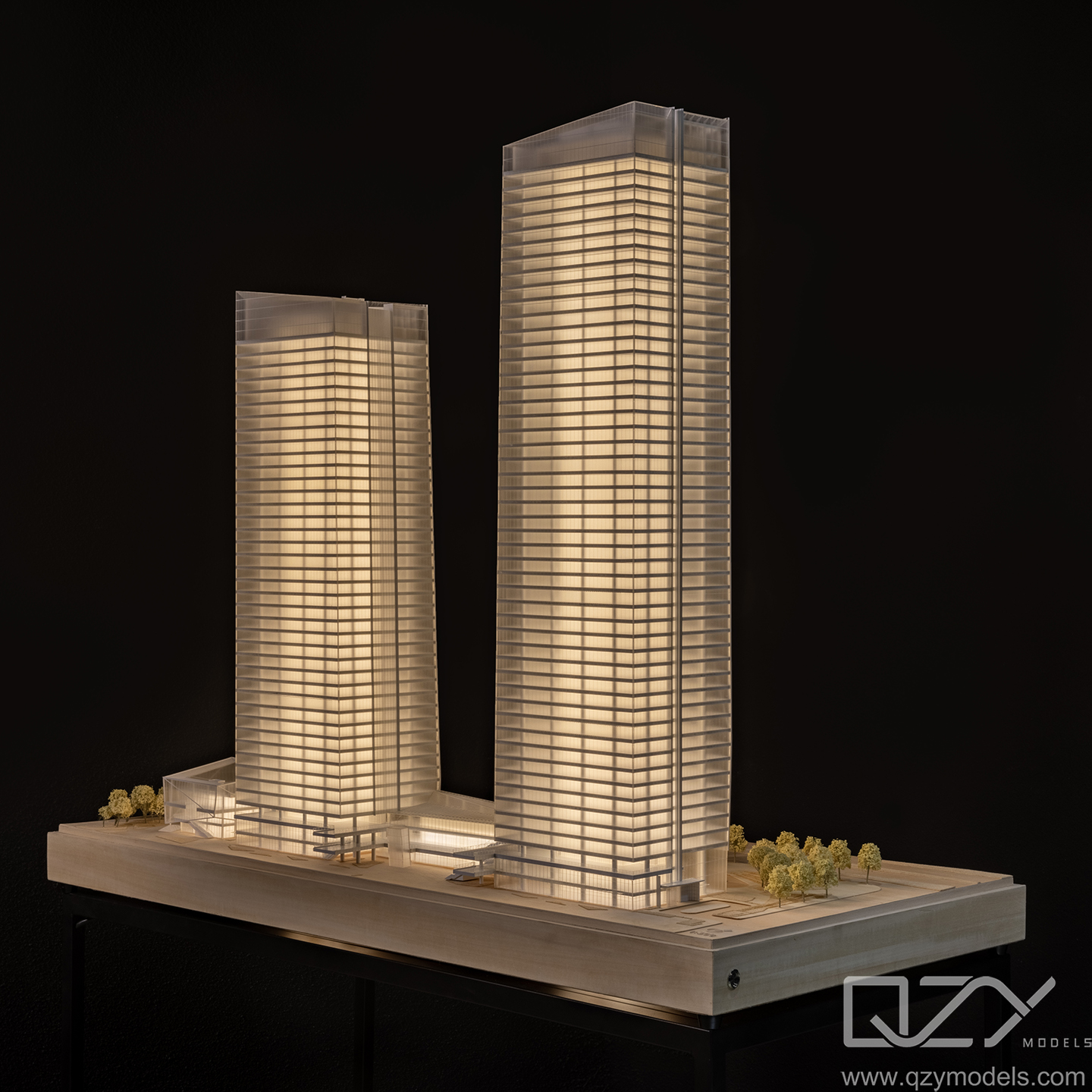
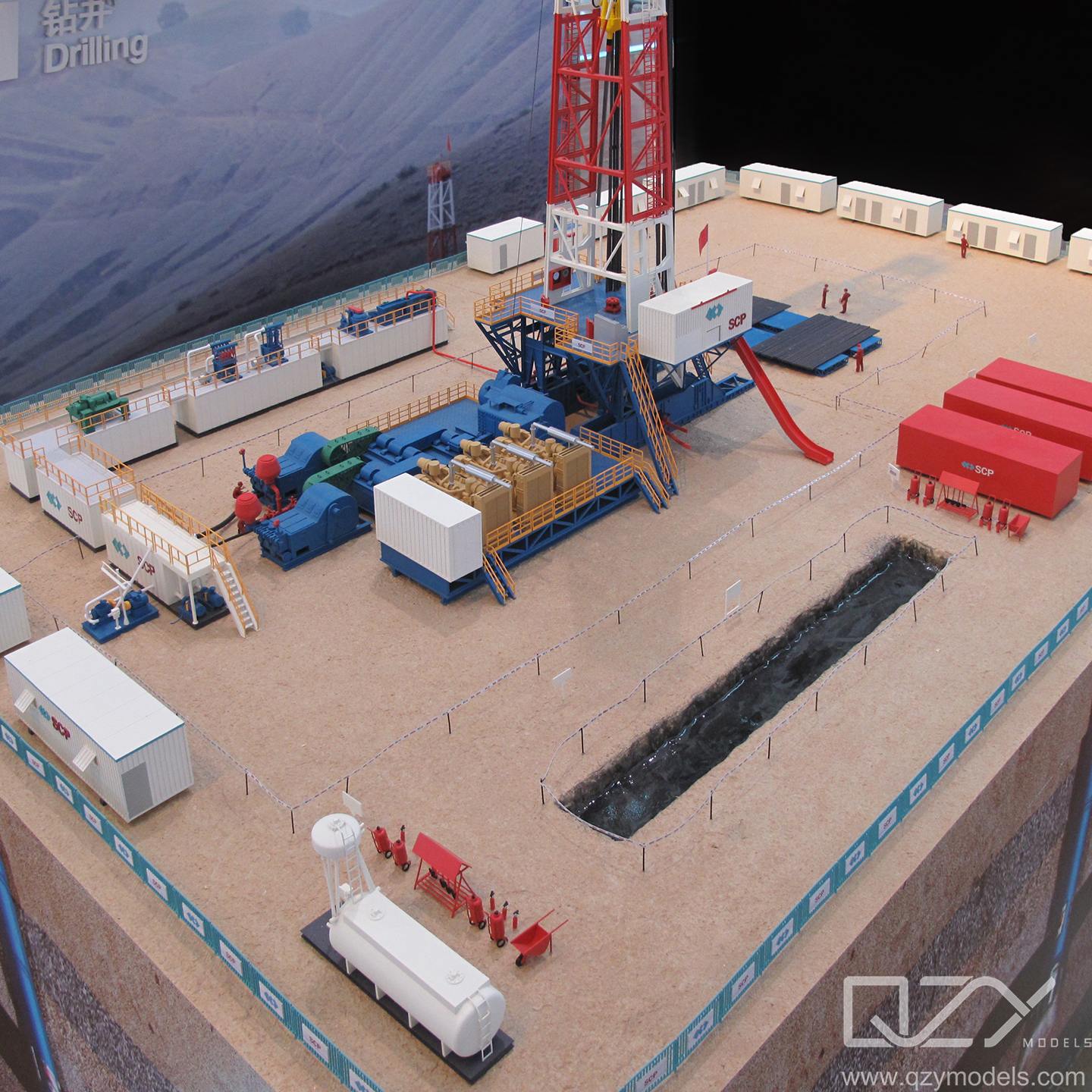
Different project types require specialized approaches. Conceptual massing models, often made from acrylic or wooden blocks, allow architects to test scale and proportion. Detailed presentation models highlight material texture, lighting, and landscaping to impress developers during investment presentations. Urban planning models reveal holistic views of entire districts, integrating light, transit, and topography. For interior designers, fully furnished room models showcase form, color, and furnishings down to the smallest details. Industrial model applications extend beyond architecture to include energy plants, airports, and infrastructure projects.
| Model Type | Key Advantages | Typical Use Case | Rating (1–5) |
|---|---|---|---|
| Concept Model | Fast visualization of massing | Early-stage design | 4.7 |
| Presentation Model | Highly detailed, photorealistic | Investor showcase | 4.9 |
| Urban Planning Model | Interactive lighting and mapping | City planning, exhibitions | 5.0 |
| Interior Model | Furnishing and materials focus | Real estate displays | 4.8 |
| Industrial Model | Mechanical precision and durability | Factories, ports, energy plants | 4.9 |
Competitor Comparison Matrix
| Company | Core Technology | Customization Level | Delivery Speed | Regional Strength |
|---|---|---|---|---|
| QZY Models | 3D CNC + AR integration | High | Fast | Global |
| Firm A | Manual and resin casting | Medium | Moderate | North America |
| Firm B | Limited 3D printing | Low | Slow | Europe |
| Firm C | Digital-only representation | Low | Medium | Asia |
This comparative snapshot shows how investing in fully customized model-making solutions offers greater fidelity and flexibility for large and complex projects.
The Core Technology Behind Today’s Architectural Models
Precision starts with digital-to-physical synchronization. Designers export CAD or BIM data directly to model-making software, ensuring geometric accuracy down to millimeter scale. Technology like resin-based 3D printing allows intricate façade details, while multi-material laser techniques simulate glass transparency or metallic reflection. Integrated LED systems enable realistic daylight transitions, creating immersive client presentations that help decision-makers visualize completed spaces long before construction begins.
Real Use Cases and Measurable ROI
Consider a developer planning a mixed-use complex. By commissioning a scale model early, they can secure investor approval months sooner. A QZY Models client in the Middle East achieved a 25% increase in pre-sale inquiries after unveiling a meticulously illuminated presentation model at an expo. For city planning authorities, physical models have shortened review cycles by up to 30%, as stakeholders grasp spatial relationships instantly without deciphering technical drawings. These tangible results prove that architectural models go beyond visualization—they deliver direct business and communication value.
Future Trends and Sustainability in Model Making
Sustainability is becoming a core requirement in architectural visualization. Eco-friendly materials like recycled acrylics, biodegradable plastics, and low-emission paints are replacing traditional foams and resins. AI-driven automation now assists in optimizing urban layouts, while dynamic AR and VR overlays allow hybrid physical-digital interaction. By 2030, hybrid physical-digital models will likely become the standard presentation format for large-scale developments worldwide. As smart cities and ecological designs expand, demand for energy-efficient, data-integrated architectural models will only accelerate.
Common Questions About Custom Architectural Models
Why choose a physical model over digital renderings? Because physical models create a multi-sensory experience that builds emotional trust and understanding—something screens can’t replicate.
How long does custom model production take? Depending on size and complexity, most professional firms deliver models within four to eight weeks.
Are architectural models suitable for exhibitions and branding? Absolutely. They not only attract attention but also communicate technical depth and corporate vision effectively.
Transform Your Vision into Reality
A custom architectural model company doesn’t just visualize ideas—it materializes ambition. From urban masterplans to private interior showcases, model builders merge engineering precision with artistic interpretation. They help architects test, refine, and sell ideas faster while giving clients tangible proof of vision. If you’re ready to bring your project to life on a miniature scale that commands imagination and precision, professional model-making isn’t just an option—it’s your foundation for success.