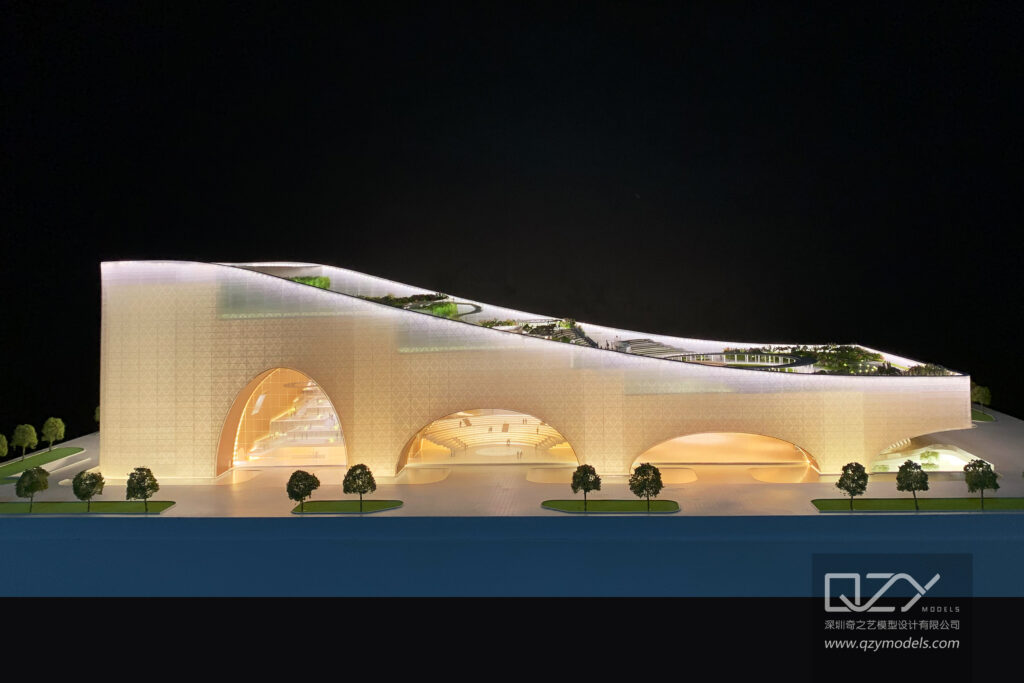
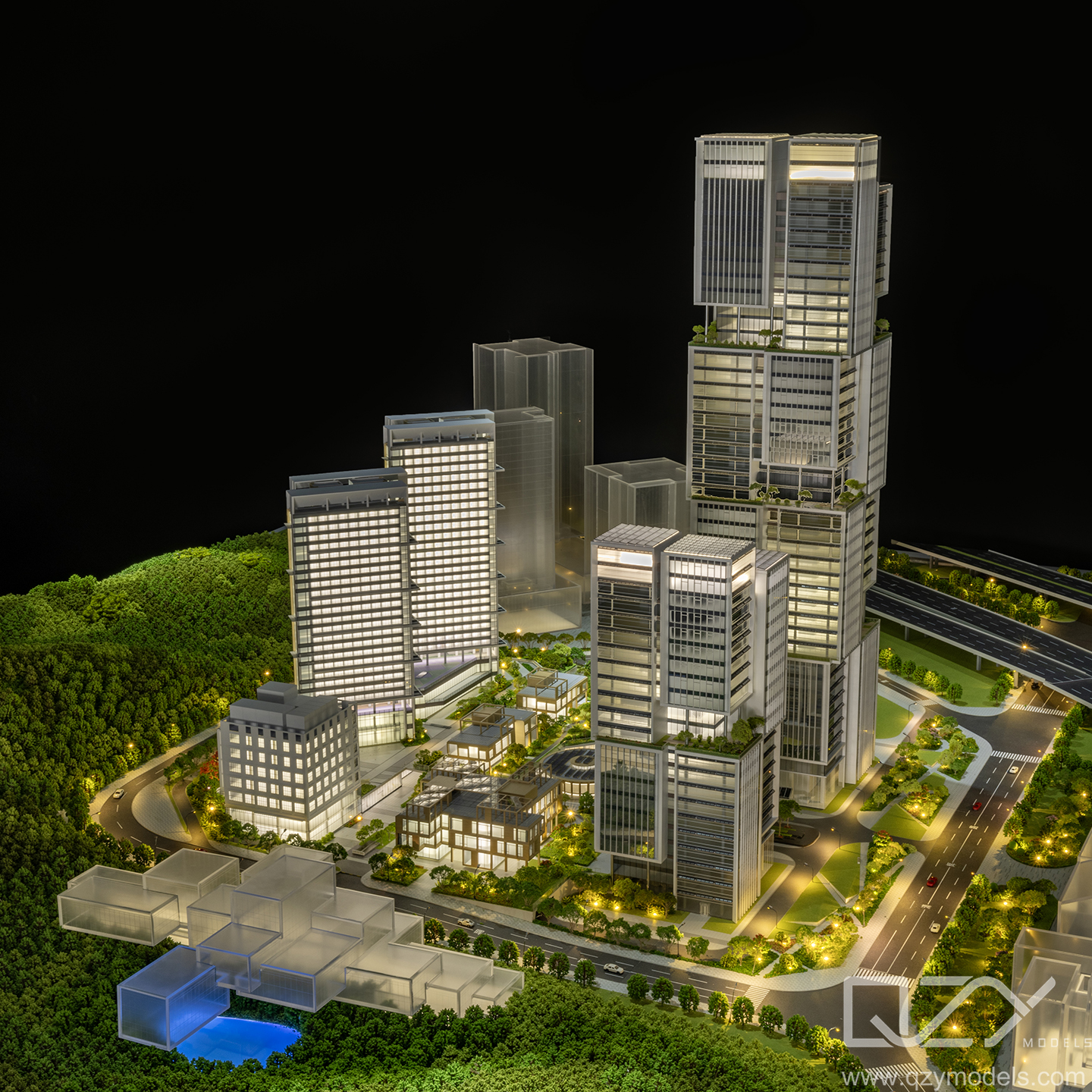
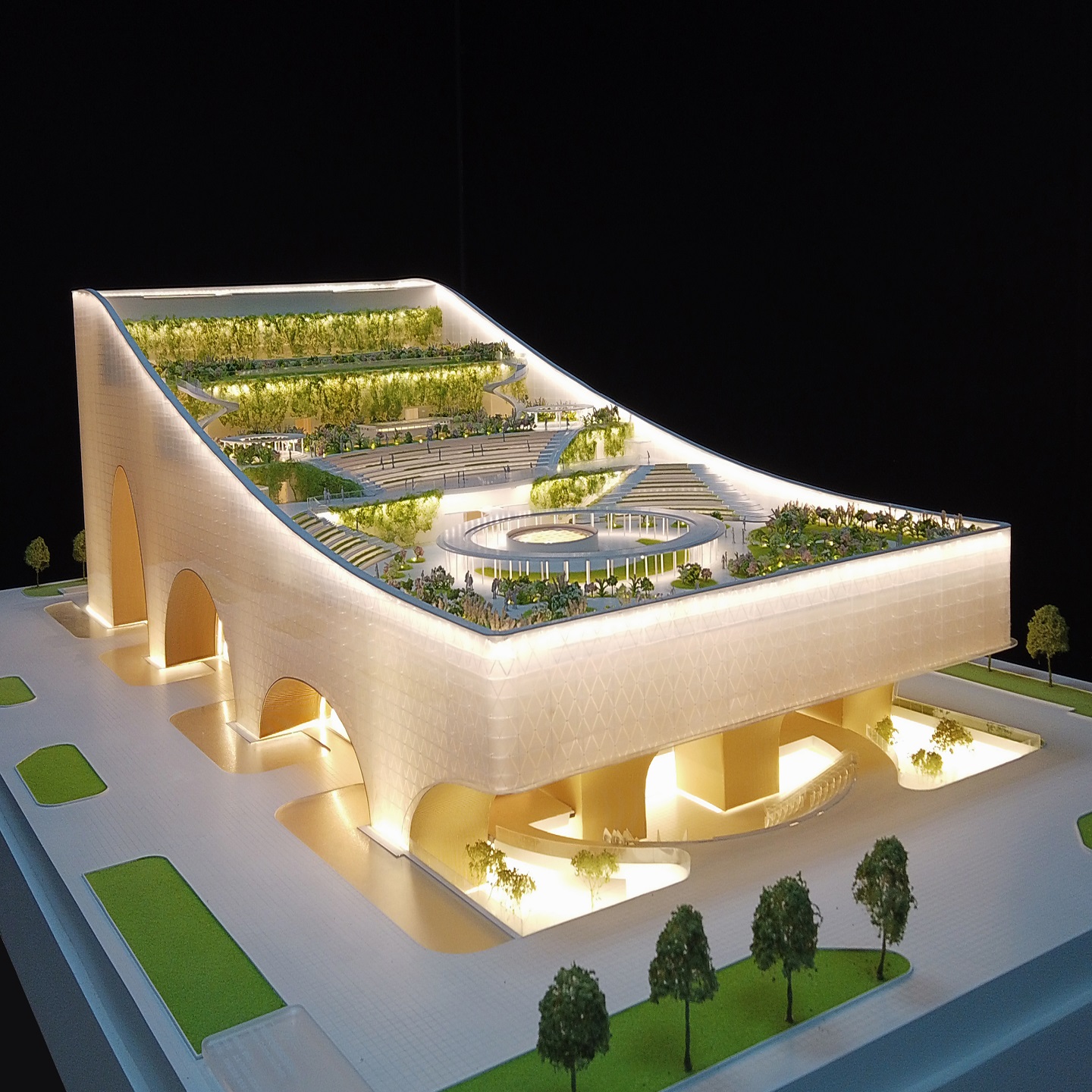
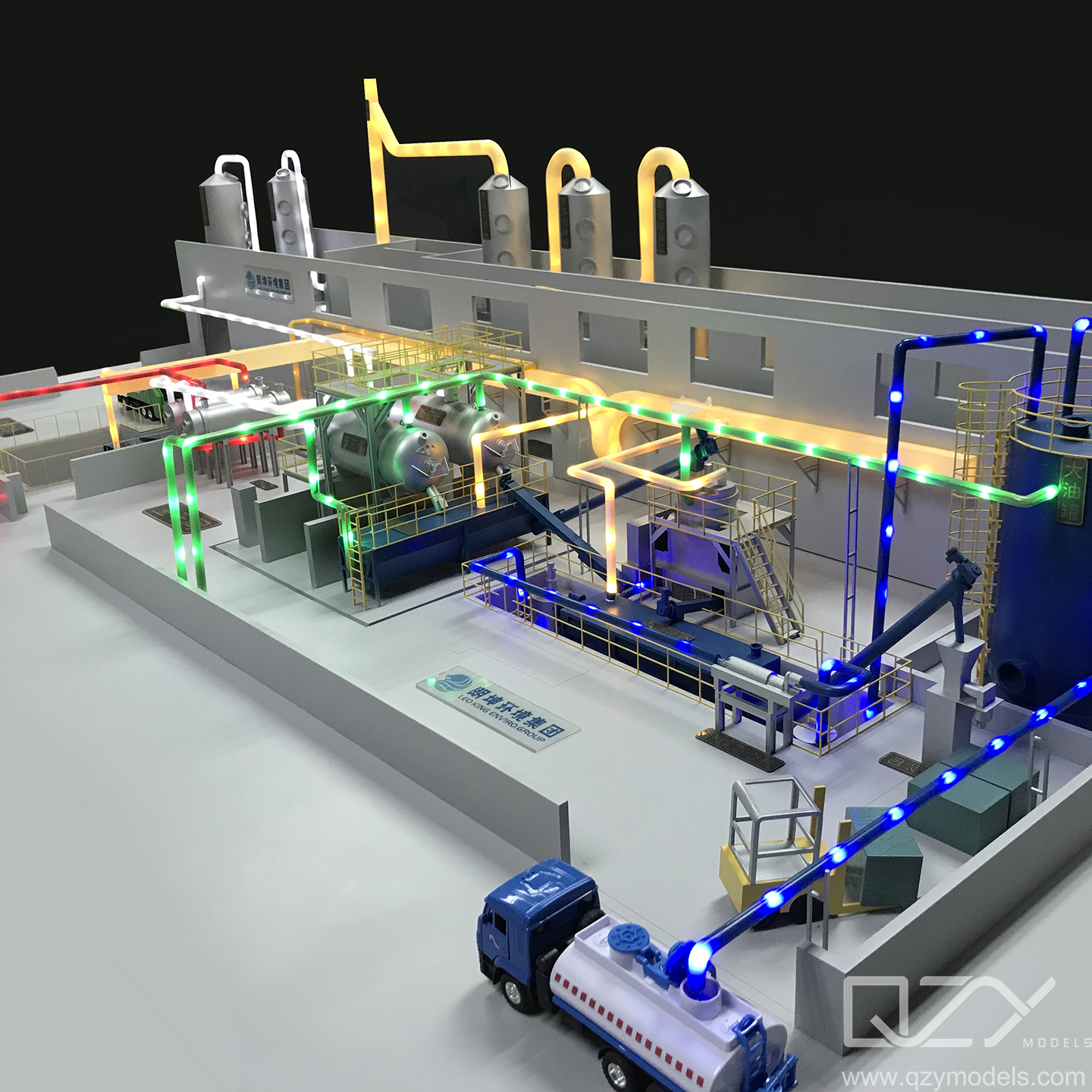
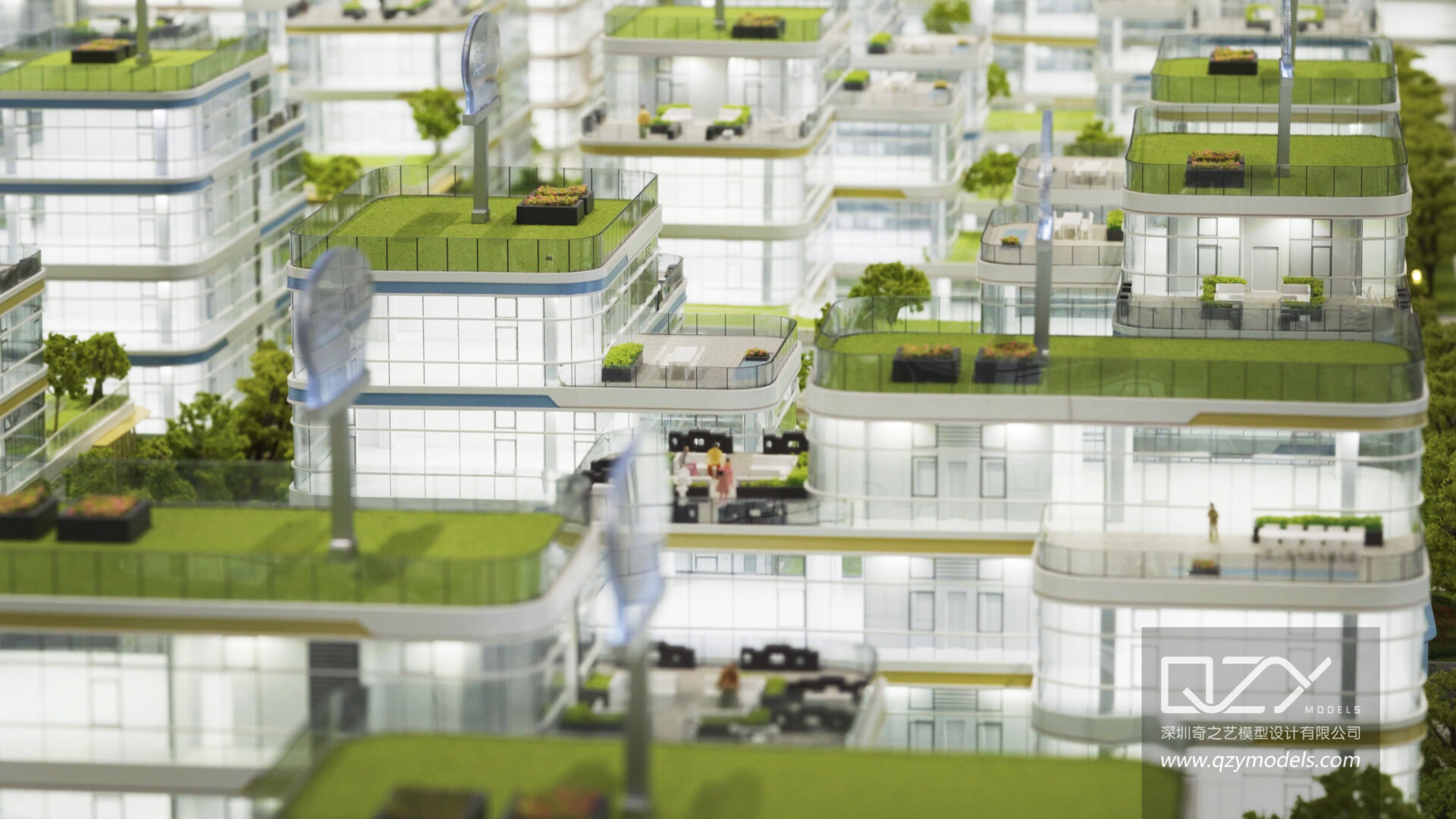
In the world of modern architecture, design communication is no longer limited to 2D drawings or digital renderings. Architectural model making companies bridge the gap between imagination and realization by transforming conceptual designs into tangible, three-dimensional experiences. These physical models do more than showcase structure—they become an essential communication tool that aligns architects, developers, clients, and stakeholders around a shared vision. Today, high-quality architectural models play a decisive role in winning investor confidence, securing approvals, and increasing project accuracy during development and construction.
The New Era of Design Communication
Architectural design has evolved rapidly with advanced visualization tools, but physical model making remains unmatched for spatial comprehension. A well-crafted architectural scale model captures proportions, materials, and light interactions in ways that renderings struggle to convey. Clients, investors, and government officials can grasp spatial depth, massing, and environmental context instantly when presented with a physical model. According to the American Institute of Architects, firms that incorporate physical model presentations report higher project engagement and faster approval rates. By transforming ideas into physical form, models turn abstract blueprints into emotionally engaging experiences that drive consensus.
Market Trends and Data
Global demand for architectural model making services is increasing, driven by rapid urbanization and the rise of smart city projects. Markets in the Middle East and Asia-Pacific are experiencing accelerated growth as developers invest in large-scale urban planning models for exhibitions and investor showcases. The model making industry integrates cutting-edge technologies like laser cutting, CNC milling, and 3D printing, enabling higher accuracy at reduced production times. Sustainability is also influencing material choice, with many firms adopting environmentally friendly polymers, recycled plastics, and biodegradable woods without compromising precision.
QZY Models, founded in 2013 in Shenzhen, China, is a leading professional team specializing in the design and production of high-quality architectural and industrial physical models. With over 20 years of expertise led by founder Richie Ren, they have completed thousands of projects for clients across more than 20 countries. Their global reach and commitment to innovation exemplify how craftsmanship and technology merge in today’s competitive model making field.
Top Products and Services in Architectural Model Making
| Product or Service | Key Advantages | Ratings | Primary Use Cases |
|---|---|---|---|
| Master Planning Models | Large-scale city or campus overviews; highlight urban design | 9.8/10 | Real estate exhibitions, urban planning |
| Commercial Architecture Models | Detailed form and façade representation | 9.7/10 | Investor presentations, retail development |
| Interior & Landscape Models | Show spatial dynamics and material interaction | 9.5/10 | Hospitality design, education |
| Conceptual Massing Models | Affordable and quick turnarounds for early-stage concepts | 9.6/10 | Feasibility studies, design competitions |
| Hybrid Digital-Physical Models | Combine AR and lighting systems for interactivity | 9.9/10 | Smart city demonstrations, mixed-use proposals |
Core Technology and Material Innovation
Today’s architectural model making companies rely on advanced digital fabrication workflows. Laser engraving ensures precision on micro-scale elements, while multi-axis CNC systems enable complex geometries. 3D printing allows rapid production of intricate façade details and custom textures. Integration with digital design platforms such as Rhino, SketchUp, and Revit guarantees seamless data conversion from digital design files to tangible representations. Furthermore, lighting integration, topographic accuracy, and motorized movement systems transform models into dynamic storytelling tools that breathe life into static architectural visions.
How Model Makers Elevate Project Realization
Physical models turn the design process into a collaborative experience. Developers use them to visualize land use and density; governments evaluate zoning and public space impacts; investors assess proportions and project feasibility. Beyond visual impact, architectural scale models increase construction accuracy by clarifying design intent before groundbreaking. A McGraw Hill Construction survey found that tangible visualization tools like architectural models can reduce project miscommunication costs by up to 30%. When combined with Building Information Modeling (BIM), scale models enhance coordination between architects, contractors, and engineers, improving build quality and reducing rework rates.
Competitor Comparison Matrix
| Key Feature | Traditional Model Makers | Digital Render Studios | QZY-Style Hybrid Approach |
|---|---|---|---|
| Tangibility | High realism | None | High realism plus interactivity |
| Emotional Impact | Strong | Moderate | Strong and immersive |
| Modification Flexibility | Medium | High | High with hybrid modeling |
| Cost Efficiency | Moderate | Low setup, high revisions | Balanced through automation |
| Environmental Materials | Limited | N/A | Recyclable and sustainable |
Real Project Cases and ROI Impact
In Dubai, a mixed-use masterplan developer used a large-scale illuminated model to secure 25% more investment interest during early funding rounds. In Saudi Arabia, a residential project reduced design-review iterations by 40% through physical model communication. In China, educational institutions incorporate model making labs into architecture programs to enhance tactile learning and design accuracy. The return on investment for such models often exceeds expectations because they accelerate stakeholder buy-in, reduce redesigns, and strengthen brand reputation for both architects and developers.
Future Trend Forecast: The Evolution of Model Making
The future of architectural model making lies in the fusion of digital and physical realms. Augmented reality overlays, kinetic lighting, and interactive touch-based interfaces will redefine how people engage with scale models. Sustainable material innovation will remain a core priority, reflecting the green building movement. As global cities continue to expand, the demand for physical models in exhibitions, real estate events, and government planning will escalate—particularly across the Middle East, Europe, and Southeast Asia. The companies that embrace precision engineering, creative craftsmanship, and sustainable production will lead the global market in both innovation and influence.
FAQs: Understanding the Value of Architectural Model Making
What is the main purpose of an architectural model?
It communicates design intent and spatial relationships more clearly than drawings or 3D renders, helping clients visualize the final outcome.
How long does it take to produce an architectural scale model?
Depending on complexity and detail, production can take from a few days to several weeks, with larger master planning models requiring more time.
Can digital and physical models be integrated?
Yes. Modern firms combine AR, LED mapping, or projection technology with physical elements to create hybrid interactive displays.
Why do architects still use physical models in the digital age?
Because physical models create emotional and tactile engagement, which digital visuals alone cannot achieve. They inspire investor trust and unify creative teams.
Strategic Call to Action
Architectural model making companies stand at the intersection of creativity, engineering, and communication. Their work enhances clarity, reduces risk, and transforms how architecture comes to life. For design firms, developers, and planners striving for precision, an expertly crafted architectural model is not an afterthought—it’s the foundation of successful project realization. Investing in professional model making services today ensures every vision is built on tangible understanding and lasting impact.