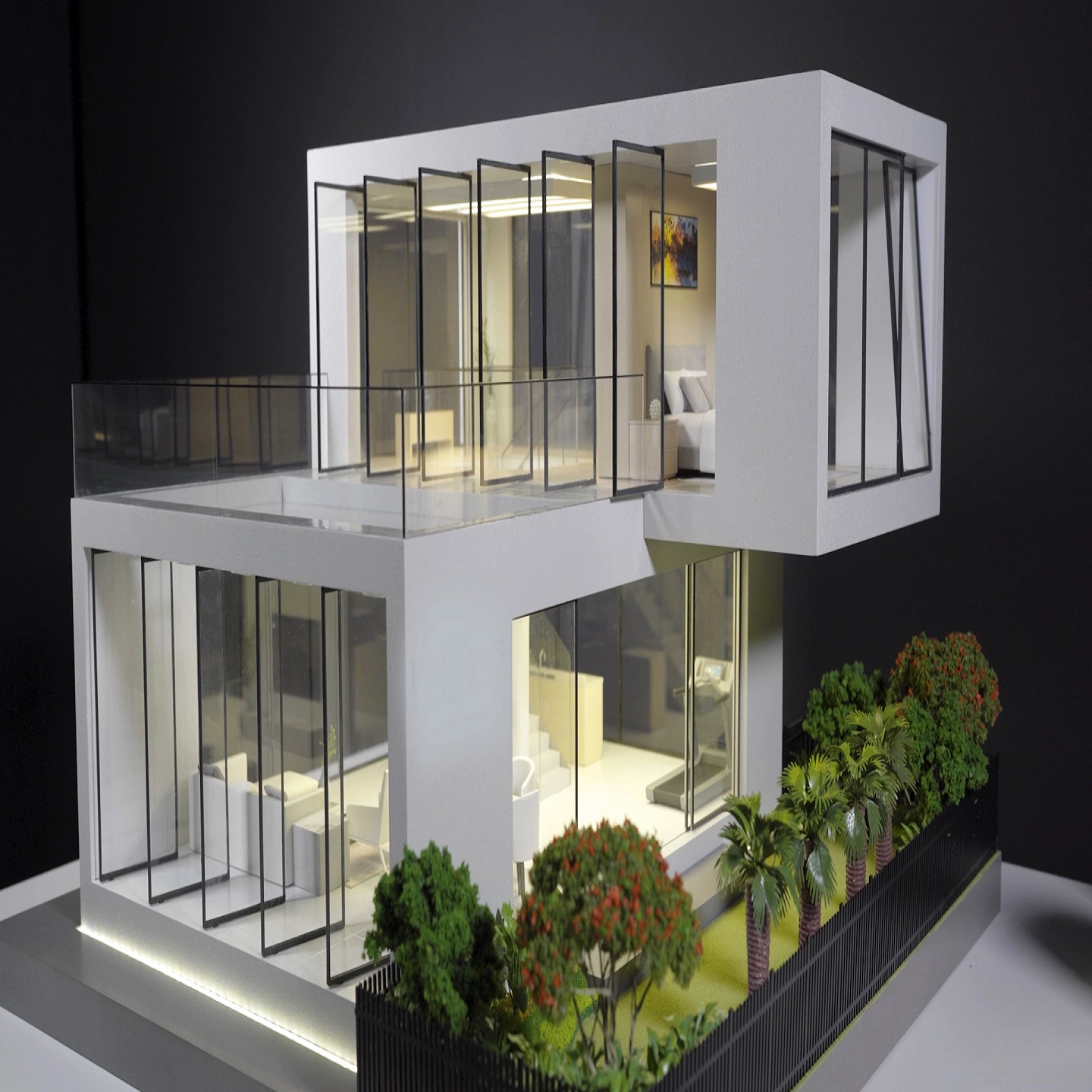
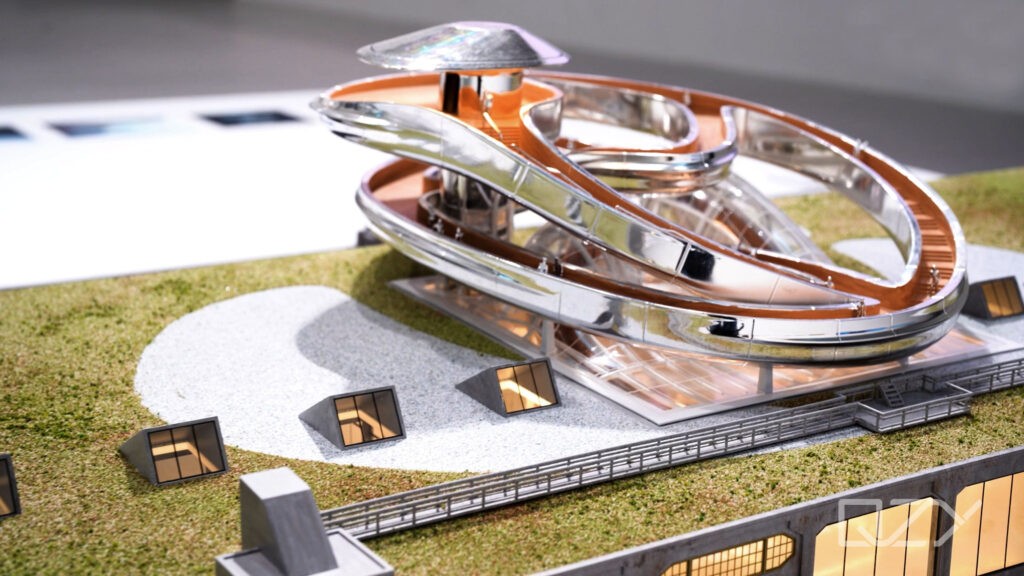
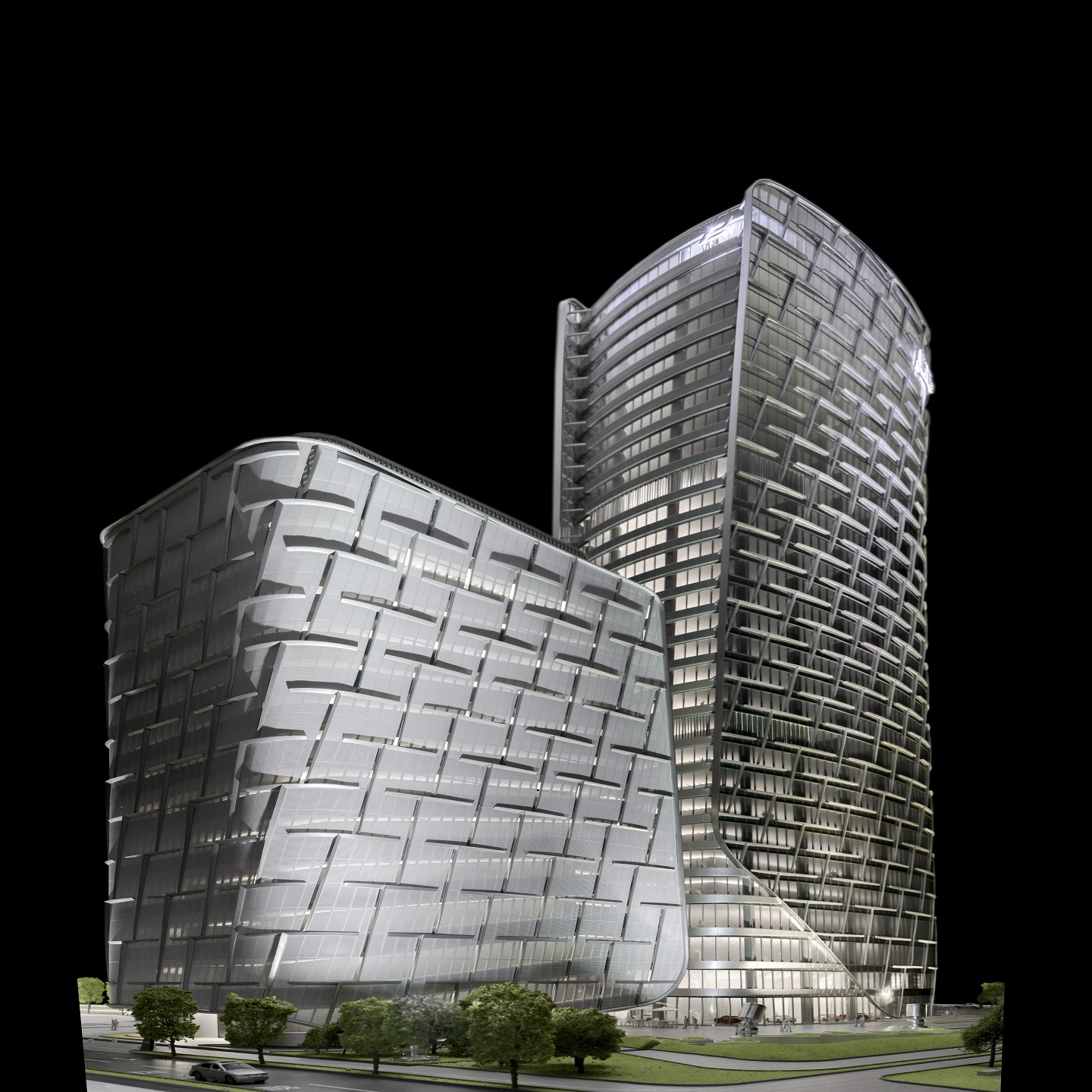
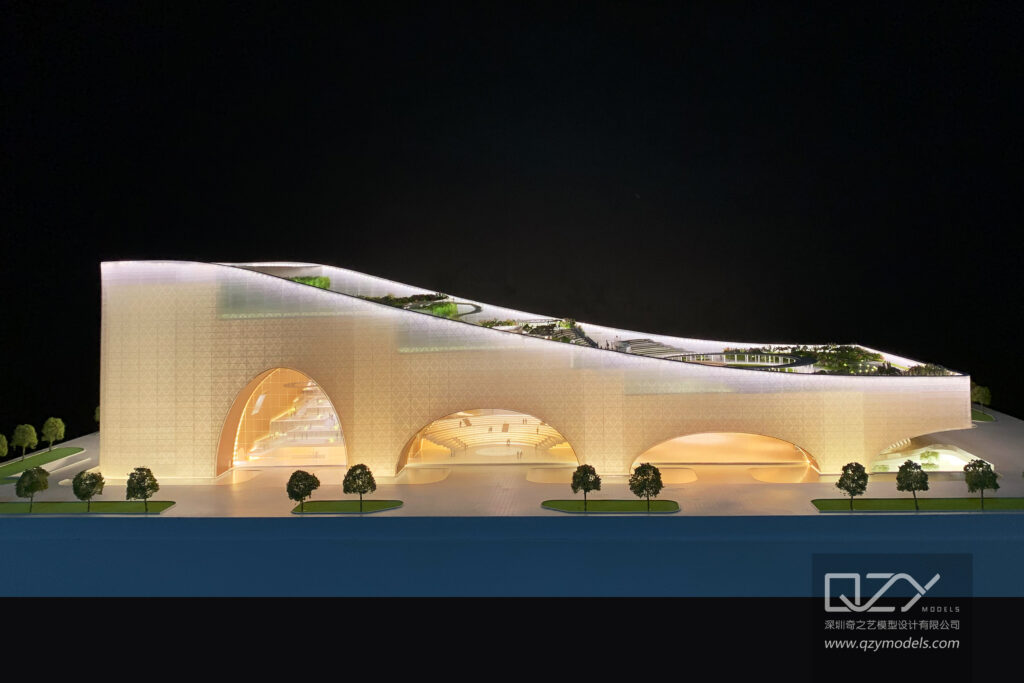
In today’s competitive global marketplace, design visualization and experiential engagement have become defining factors that determine project success. The ability to present complex architectural designs, industrial prototypes, or urban planning concepts through high-precision physical models elevates understanding, fuels creativity, and inspires investment. For exhibition model companies, this pivotal transformation of design presentation and client engagement is reshaping how developers, architects, and planners communicate ideas across international markets.
Market Trends Driving Model Innovation
According to the Global Exhibition Design and Architectural Visualization Report 2025, the architectural model industry is expected to grow by more than 8% annually over the next five years, driven by the global expansion of smart cities, mega development projects, and green design initiatives. Real estate and infrastructure sectors are accelerating their digital-to-physical workflow, combining digital twin technologies, 3D printing, and augmented reality with tangible physical models that bring a project’s scale to life. Clients increasingly demand hybrid experiences that merge physical precision with immersive presentation—linking physical models to light projection, interactive touchscreens, and even AR overlays.
Within this dynamic context, QZY Models, founded in 2013 in Shenzhen, China, stands out as a leader in integrating artistic craftsmanship and advanced fabrication technologies. With over two decades of experience and global collaborations spanning 20+ countries, QZY’s custom-made architectural and industrial models set a new benchmark for precision and innovation in the field.
Transforming Design Presentation Through Technology
The modern exhibition model company is no longer a workshop—it is a technology-driven design partner. At the heart of this transformation lies digital integration: laser cutting, CNC machining, resin casting, and photopolymer 3D printing allow for micron-level accuracy. When combined with software such as Rhino, Revit, and Unreal Engine, design teams achieve seamless conversion from CAD models to physical displays. The result is a tactile experience that enhances comprehension, supports data storytelling, and builds stronger emotional engagement during client presentations.
Interactive lighting systems and modular enhanced display bases amplify narrative impact. For example, LED mapping can highlight transport connectivity or energy systems within an urban model. Sensors or AR-enabled elements allow clients to manipulate environmental settings—visualizing day-to-night transitions or seasonal changes in real time. This interactivity reinforces both audience engagement and investment confidence, particularly for developers and urban planners seeking clarity before construction.
Top Model Applications and Benefits
| Model Type | Key Advantages | Ratings | Typical Use Cases |
|---|---|---|---|
| Architectural Scale Models | High realism, supports project approvals | 9.7/10 | Real estate launches, urban planning |
| Industrial Product Models | Detailed prototypes, client demos | 9.5/10 | Manufacturing, R&D showcases |
| Landscape & Interior Models | Enhances aesthetic and spatial feel | 9.6/10 | Resort design, mixed-use spaces |
| Urban Planning Exhibition Models | City visualization, public education | 9.8/10 | Government and infrastructure displays |
Competitive Differentiation in Client Engagement
Where many competitors rely solely on static displays, best-in-class exhibition model companies adopt multi-sensory engagement. Incorporating immersive storytelling and live simulation fosters two-way communication between design teams and clients. Visualization is not an end—it becomes part of a persuasion process where every model acts as a decision catalyst.
In comparison to digital-only presentations such as 3D renders or VR walkthroughs, physical models encourage human-scale interaction and build trust through material authenticity. When clients can physically explore massing, topography, or spatial relations, they gain intuitive understanding—resulting in faster approval cycles and fewer design revisions. Data from international exhibitions show that hybrid presentation strategies can reduce pre-sale decision time by up to 40%, while increasing client retention rates by nearly 25%.
Core Technology Analysis and ROI Impact
Advanced prototyping technologies are defining the future of model construction. Resin-based 3D printing allows transparency and intricate detailing; CNC milling ensures geometric precision in facades; laser engraving provides crisp definition in terrain and structures. Combined with eco-friendly materials—PLA composites, recycled acrylics, and water-based adhesives—companies align their craftsmanship with global sustainability standards. Beyond aesthetics, these processes save production time and reduce material waste by up to 30%, translating into measurable ROI for both producers and clients.
For developers, the ROI is multifaceted: models become long-term marketing assets, reusable across international exhibitions, investor meetings, and showrooms. They also enhance community engagement during public consultations, turning abstract design data into tangible, comprehensible experience stories.
Real Client Use Cases in Exhibition Success
Consider a major mixed-use project in the Middle East where an interactive architectural model helped secure foreign investment commitments exceeding $120 million within two months of exhibition. The physical model integrated with an LED-based eco-infrastructure map, enabling investors to visualize renewable energy flows and urban connectivity instantly. Similarly, an industrial design firm in Germany reported that integrating physical models into its design reviews reduced prototyping costs by 20% and allowed earlier design validation.
Competitor Comparison Matrix
| Feature | Standard Model Firms | Digital-Only Studios | Advanced Hybrid Model Companies |
|---|---|---|---|
| Physical Realism | Moderate | None | High |
| Interactive Engagement | Limited | High | Very High |
| Design Data Integration | Low | High | Very High |
| Cost Efficiency | Variable | Moderate | High ROI |
| International Adaptability | Low | Medium | Excellent |
Future Directions in Exhibition Model Design
As virtual reality, AI-driven generative modeling, and 3D scanning continue to advance, exhibition model companies are evolving toward “phygital” solutions—a seamless fusion of physical artistry and digital intelligence. Predictive modeling powered by AI can analyze urban layouts, simulate traffic flow, and visualize light dynamics before a single brick is laid. Coupled with precision-crafted physical displays, this blend of technology and craftsmanship empowers clients to touch the future before it is built. Sustainability, modular reusability, and smart interconnectivity will dominate the next decade’s expectations.
FAQs: Clarifying the Future of Client Engagement
How do physical exhibition models enhance design communication?
They bridge technical and emotional understanding by translating abstract plans into a tangible experience, helping stakeholders see spatial and aesthetic relationships instantly.
What role does technology play in modern model-making?
Digital workflows, 3D printing, and AR extensions enhance consistency, reduce lead times, and enable scalable customization for complex projects.
Can model displays improve project funding outcomes?
Yes, immersive physical models often accelerate investor interest by providing visceral project clarity that spreadsheets or renderings alone cannot achieve.
Strategic Takeaway and Three-Level Conversion Funnel
For architectural firms, developers, and design institutions, partnering with an innovative exhibition model company offers a competitive edge.
-
Awareness: Discover how tactile presentation amplifies story-driven design engagement.
-
Consideration: Experience hybrid physical-digital showcases to strengthen project communication.
-
Decision: Invest in model-driven storytelling that transforms concepts into concrete opportunities.
As global design markets grow increasingly experience-oriented, the transformative role of exhibition model companies stands at the intersection of creativity, technology, and meaningful client connection—redefining how the world envisions and builds tomorrow’s spaces.