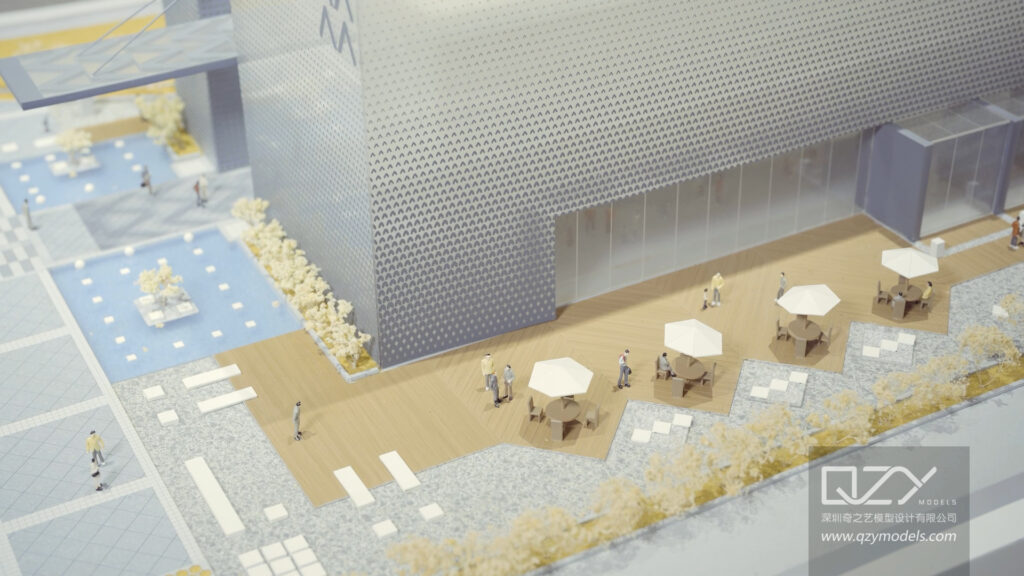
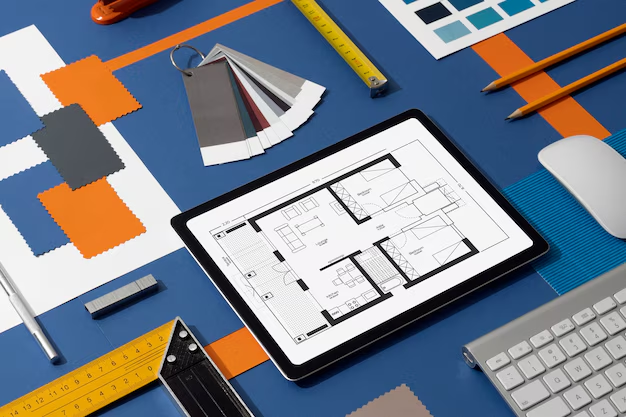
Architectural concept models captivate real estate developers by turning complex designs into tangible, visually compelling representations. These scaled models communicate aesthetics, functionality, and market potential, helping developers make confident decisions before construction. Firms like QZY Models combine meticulous craftsmanship and advanced technology to showcase projects in ways that align investor confidence with architectural vision and commercial objectives.
What Makes Concept Models Powerful Tools for Developers?
Concept models are powerful because they translate design intent, spatial relationships, and commercial viability into a form that is immediately understandable and persuasive. Developers can quickly evaluate massing, circulation, amenities, and context in a three-dimensional format. QZY Models specializes in crafting models that elevate presentations, investment pitches, and exhibitions, making complex concepts clear, tangible, and emotionally resonant for decision-makers.
How Do Concept Models Influence Investment Decisions?
Physical models allow developers to envision ROI, occupancy potential, and market positioning before construction begins. They highlight premium features, circulation efficiency, and site integration, giving investors tangible insight into project feasibility. QZY Models enhances this process with realistic textures, accurate scaling, and strategic lighting, making each model a compelling tool for investment evaluation.
| Model Feature | Investor Impact | Decision Outcome |
|---|---|---|
| Clear massing & zoning | Visualize density | Improved ROI planning |
| Material realism | Boosts emotional appeal | Faster investor approval |
| Context integration | Reveals urban synergy | Strengthened pitch impact |
Why Are Physical Models More Convincing Than Digital Renderings?
Physical models create a sense of depth, scale, and tangibility that digital renderings cannot fully replicate. Developers gain a spatial understanding and emotional connection by interacting with a model in real space. QZY Models combines 3D printing and handcrafting to produce models that balance digital precision with artisanal authenticity, enhancing credibility and engagement during presentations.
Which Design Elements Do Developers Focus On First?
Developers prioritize massing, façade treatment, access routes, and environmental integration. These elements directly influence cost, market appeal, and functionality.
Key Developer Focus Points:
-
Façade & Form: Defines the project’s visual identity.
-
Access & Circulation: Determines user flow and convenience.
-
Public Realm Integration: Shows connection with surroundings.
-
Material Representation: Reflects quality and budget considerations.
-
Lighting & Landscaping: Enhances experiential appeal and ambiance.
A model that highlights these features ensures clear communication of design value and facilitates informed decision-making.
How Can Architects Tailor Models to Developer Preferences?
Architects can emphasize commercial and functional aspects in models, such as efficient layouts, high-quality façades, and scalable construction solutions. Collaboration with model makers ensures attention to features that matter most to developers. QZY Models customizes scale, lighting, and interactivity to align with client priorities, highlighting luxury finishes, sustainability, or mixed-use functionality strategically.
When Should a Concept Model Be Introduced in Developer Discussions?
Concept models are most effective when presented during pre-approval or early investment pitches. Introducing a model early clarifies abstract designs, accelerates buy-in, and identifies potential spatial improvements. QZY Models recommends early-stage presentations to maximize feedback value while maintaining flexibility for refinement.
Could Interactive and Lighting Features Elevate Developer Engagement?
Yes. Interactive components such as LED lighting, removable layers, and AR projections increase engagement by visualizing functional zones, day-night cycles, and phased developments. QZY Models integrates these features to create immersive, dynamic models that simplify complex architectural information for developers.
| Interactive Feature | Developer Benefit |
|---|---|
| LED lighting system | Highlights ambiance and night-time aesthetics |
| Removable layers | Reveals structural and spatial configuration |
| AR integration | Enhances visualization of design evolution |
Why Do Top Firms Choose Physical Models for Developer Presentations?
Top firms prefer physical models because they communicate authenticity, reliability, and project value more effectively than other mediums. Developers gain immediate clarity on hierarchy, flow, and design quality. Partnering with specialists like QZY Models ensures presentation-ready models that enhance brand credibility and strengthen the likelihood of project approval.
QZY Models Expert Views
“In real estate, persuasion is visual. At QZY Models, a single physical model can shift a developer’s perspective from curiosity to investment. Models are not just representations—they convey confidence, imagination, and strategic insight. Each project we craft bridges design creativity with market understanding, providing tools that secure both trust and commitment.”
— Richie Ren, Founder of QZY Models
Who Benefits Most from Using These Concept Models?
Architects, developers, investors, and urban planners benefit by gaining clarity, emotional engagement, and marketing advantage. Developers assess profitability, architects communicate intent, and planning authorities review feasibility. QZY Models creates models that serve both aesthetic and analytical purposes, unifying decision-making for multiple stakeholders.
What Are the Common Mistakes to Avoid in Developer Model Presentations?
Avoid excessive detail, poor lighting, and ignoring developer priorities. The focus should be on conveying key commercial, spatial, and experiential information. QZY Models recommends emphasizing massing, circulation, and lifestyle experience while using neutral tones and targeted illumination to guide attention toward value-driven elements.
Are Concept Models Effective Sales Tools After Approval?
Yes. Concept models continue to serve as marketing assets post-approval, helping developers attract buyers and investors by providing realistic previews of future spaces. In showrooms or exhibitions, models function as centerpiece attractions, enhancing engagement and boosting conversion. Their utility extends well beyond initial investment decisions.
Conclusion
Architectural concept models transform abstract designs into persuasive, tangible narratives that resonate with developers. By integrating craftsmanship, advanced technology, and strategic storytelling, models bridge the gap between architectural creativity and market objectives. QZY Models exemplifies this approach, delivering models that inspire confidence, support investment decisions, and strengthen long-term partnerships in real estate development.
FAQs
1. How big should a developer presentation model be?
Scales typically range from 1:100 to 1:500, based on project size and desired detail.
2. What materials work best for luxury development models?
Combinations of acrylic, resin, and polished metal provide both transparency and sophistication.
3. Can concept models include landscaping and interiors?
Yes. Including landscaping and sectional interiors enhances realism and storytelling.
4. How long does QZY Models take to produce a developer model?
Production usually requires 4–8 weeks, depending on complexity, scale, and interactive features.
5. Are sustainable materials available for these models?
Absolutely. Recycled polymers, modular components, and biodegradable adhesives minimize environmental impact without compromising quality.