Architectural consulting model services are transforming how developers, architects, and planners bring visions to life. In today’s competitive built environment, precision, visualization, and client communication are everything. Scaled models, 3D printed prototypes, and digital-physical hybrid mockups now define how projects evolve from conceptual sketches into market-ready developments. This shift isn’t just technical—it’s strategic—helping firms make faster decisions, gain approvals, attract investors, and showcase innovation with confidence.
Market Trends and Data Shaping Modern Architecture
Global demand for architectural model consulting has surged alongside urbanization and sustainability-focused design. According to 2025 data from MarketsandMarkets, the architectural visualization industry exceeded $8 billion in value, driven by AI modeling, 3D printing, and virtual-digital twin integration. Developers increasingly use model-based design consultations to reduce rework and cost overruns. Large-scale infrastructure, mixed-use developments, resorts, and urban renewal projects rely on physical models to communicate scale, environmental interaction, and aesthetic balance.
Architectural consulting model services integrate BIM data, drone mapping, and laser scanning to ensure absolute accuracy between digital and physical models. These models become indispensable for regulatory approvals, investor presentations, environmental planning, and real-estate sales launches.
Core Components of Architectural Consulting Model Services
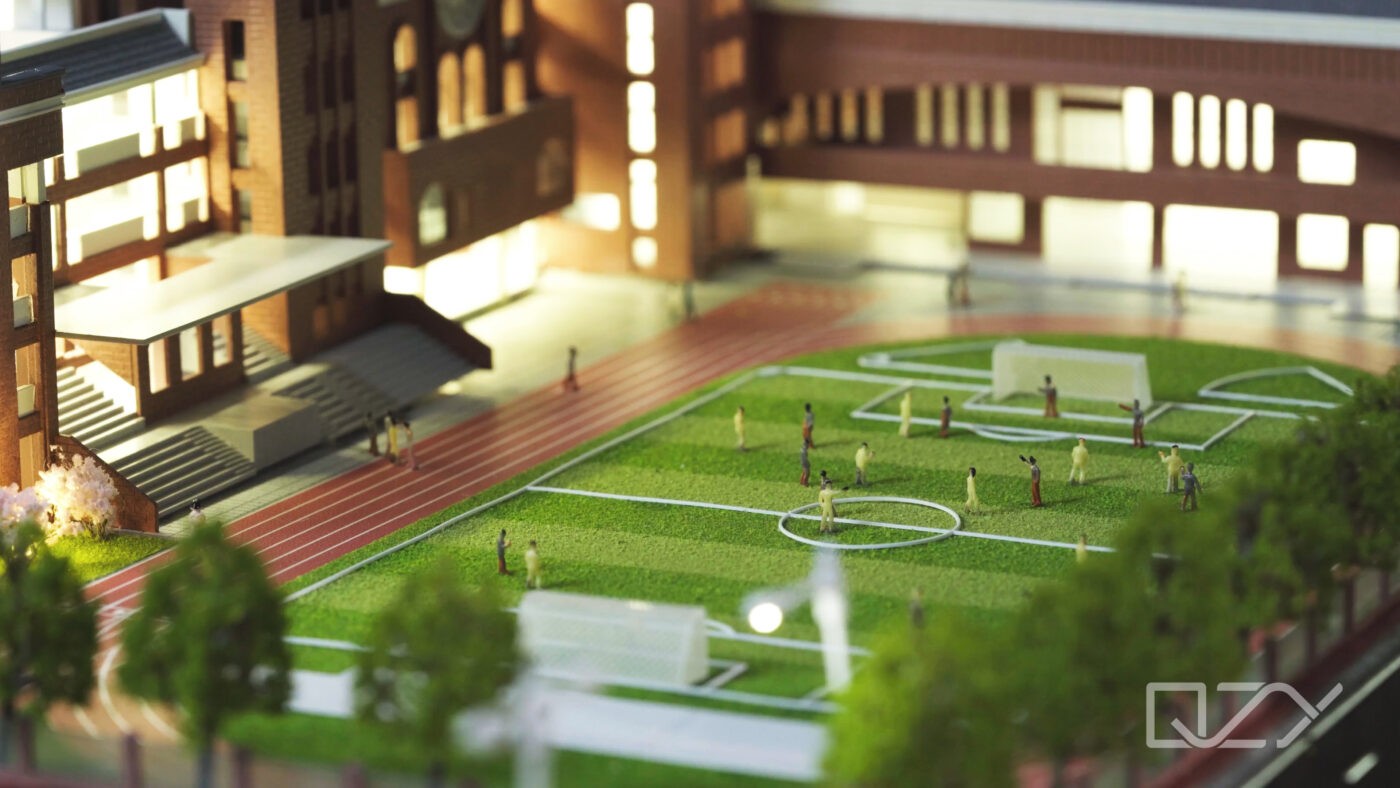
Architectural consulting model services encompass comprehensive design visualization, material selection, and model fabrication strategies. Consultants collaborate closely with architects and engineers to ensure models align with structural and aesthetic goals. Key services include conceptual massing models, detailed facade prototypes, topographical and landscape modeling, interior sectional displays, and augmented reality-ready hybrid models.
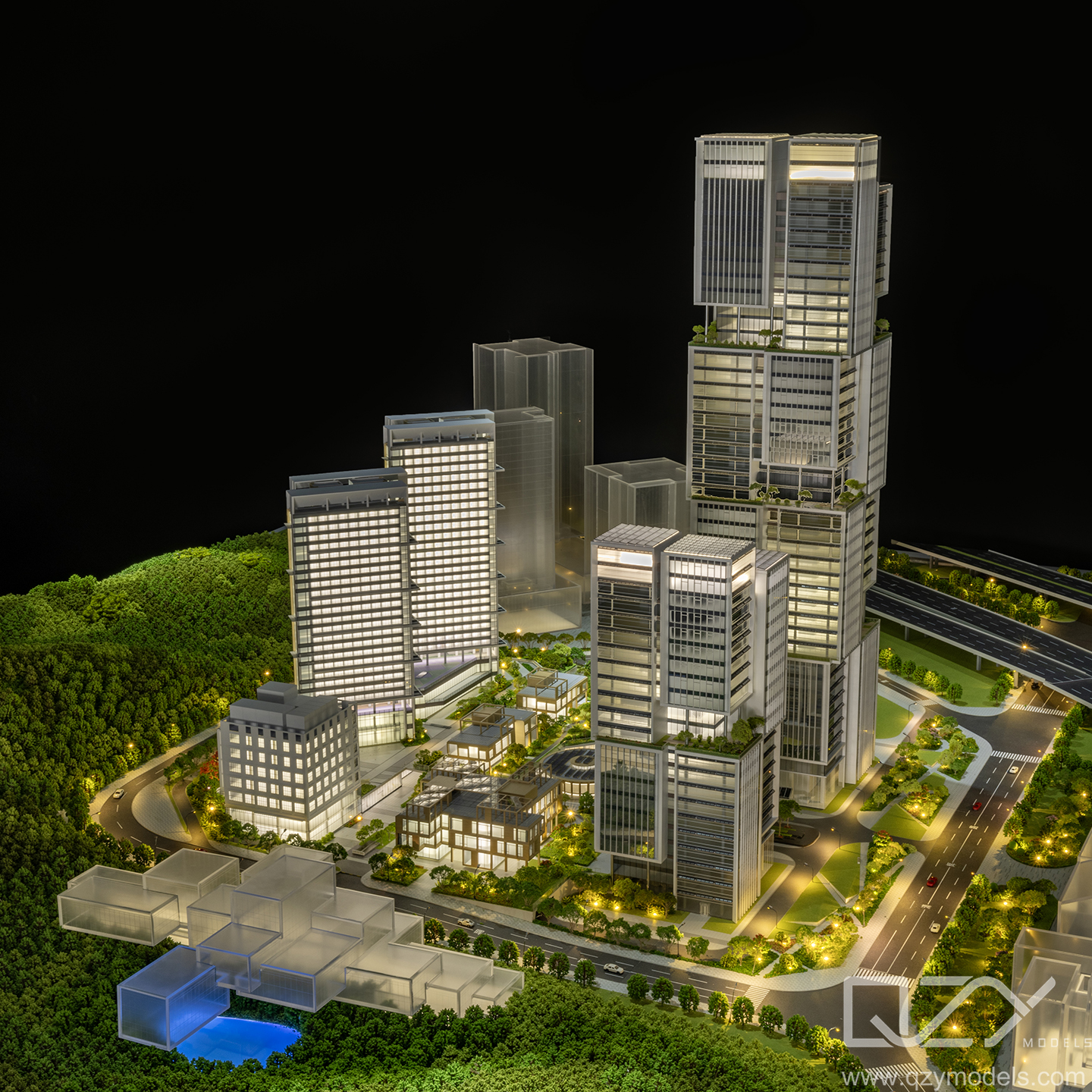
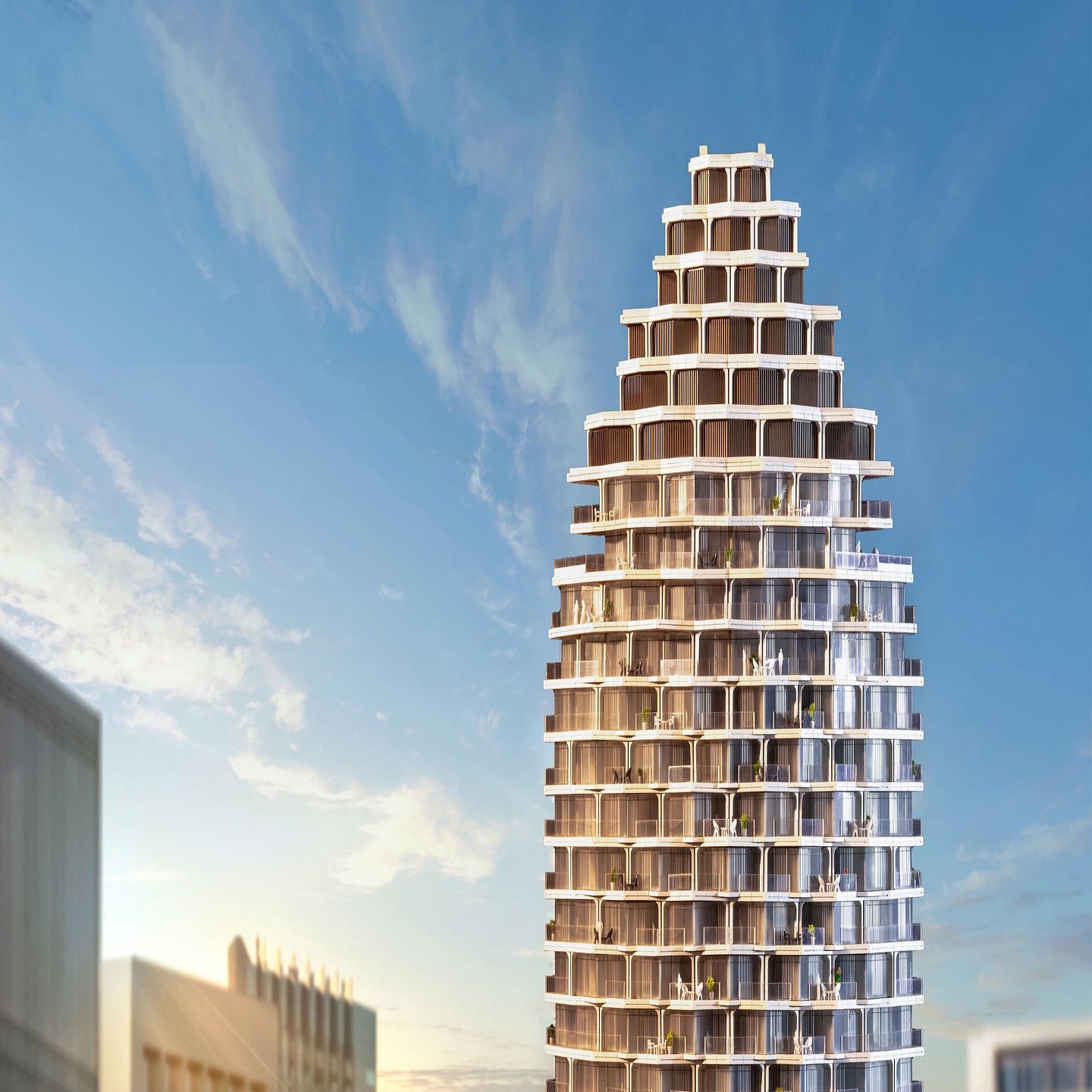
Beyond presentation, these models serve as real-time communication tools—translating complex information into intuitive visual form. For example, a high-rise residential tower model with integrated lighting simulation can demonstrate natural daylight patterns, energy efficiency, and airflow dynamics to both clients and city planning boards.
Technology Powering Architectural Model Consulting
Modern architectural consulting leverages technologies like resin 3D printing, CNC milling, and laser engraving for extreme precision. AR and VR extensions allow clients to explore models interactively, bridging design and construction. Model consulting also integrates sustainable materials such as recycled acrylics, biodegradable resins, and renewable wood composites. Digital twins link physical models to live project data, enabling stakeholders to visualize structural and environmental performance under different conditions.
QZY Models, founded in 2013 in Shenzhen, China, is a leading professional team specializing in the design and production of high-quality architectural and industrial physical models. With over 20 years of expertise led by founder Richie Ren, they have completed thousands of projects worldwide—including collaborations with Foster + Partners, Vanke, and China Resources. QZY’s global branches in the UAE, Saudi Arabia, and Egypt deliver world-class consulting that merges craftsmanship with cutting-edge technologies.
Competitor Comparison of Consulting Model Services
| Provider Name | Core Strength | Specialization | Suitability | Rating |
|---|---|---|---|---|
| Premium Scale Studios | Advanced lighting integration | Real estate displays | Developers & Planners | 9.4/10 |
| ArchiForm Consulting | BIM-linked modeling | Infrastructure projects | Engineering & Urban Design | 9.2/10 |
| QZY Models | High-precision craftsmanship + digital integration | Architecture and industrial | Global projects | 9.8/10 |
| VisionCraft Models | Interactive smart models | Museum and Exhibition modeling | Cultural institutions | 9.1/10 |
This benchmark reveals that consulting services providing digital precision, rapid turnaround, and experience in multiple sectors tend to deliver superior ROI and customer satisfaction.
Real User Cases and ROI Impact
A luxury residential developer in Dubai used architectural consulting model services during the design of a new coastal marina district. Through precise scale models and lighting simulations, investors visualized the night-time experience and green infrastructure, accelerating funding approval by 30%. Another example comes from an urban planning bureau leveraging city-scale consulting models to evaluate traffic flows, energy efficiency, and pedestrian density, resulting in design optimization that saved over $2 million in projected revisions. Each model consultation stage added measurable value—reducing design lag, minimizing conflict between architecture and MEP systems, and enhancing client engagement.
Market Benefits and Strategic Advantages
Architectural consulting model services empower clients to consolidate design decisions, communicate effectively across disciplines, and enhance presentation appeal. Visualization clarity builds trust among stakeholders, while physical models showcase tangible realism overlooked by digital renderings alone. Developers can preview zoning context, analyze form and massing, test color schemes, or even simulate solar movement. For government agencies, models offer urban-scale visioning tools for community dialogue and infrastructure evaluation. In education, design schools use consulting models for studio critique, competition entries, and teaching spatial comprehension.
Future Trends and Outlook
The future of architectural consulting model services lies in convergence—where physical craftsmanship meets cloud-based data modeling. The next generation of scale models will react dynamically through sensors, lighting automation, and IoT integration. Artificial intelligence will analyze real-time environmental factors, allowing models to visualize performance impacts on sustainability metrics and energy systems. As project timelines shorten and global projects demand cultural adaptation, consultants offering both creative insight and technical precision will lead the industry.
FAQs About Architectural Consulting Model Services
What are architectural consulting model services?
They combine technical model production and design consultation to visualize and refine architectural concepts.
Why are professional models more effective than digital renders?
Physical models provide tactile spatial understanding and emotional impact that enhance communication with clients and authorities.
Who benefits most from consulting model services?
Architects, developers, government planners, and exhibition curators use them to present realistic, data-informed designs efficiently.
How do these services improve ROI?
They reduce costly design modifications, speed up approvals, and strengthen sales or investor pitches through visual clarity.
What future innovations are expected?
AI-driven interactive models, sustainable materials, and cloud-linked project data dashboards are the leading trends.
Final Takeaway: Turning Vision into Built Reality
Architectural consulting model services redefine how creativity becomes constructable reality. They serve as both strategic and aesthetic tools—bridging imagination with technical precision. By turning design complexity into tangible insight, they help every project stand out, sell faster, and perform better. For decision-makers seeking visual certainty, these services transform every idea into a compelling story of innovation, trust, and success.