Architectural design model plans integrate precise physical representations with strategic planning, reducing errors by up to 25% and accelerating client approvals in competitive bids. QZY Models provides high-fidelity custom models that translate complex designs into tangible assets, empowering architects to visualize structural integrity and spatial dynamics with unmatched accuracy.
What Challenges Define the Current Architectural Design Landscape?
The architecture sector grapples with surging demand, as global construction output reached $10.7 trillion in 2024 amid urbanization pressures. Firms handle 30% more projects annually, yet 52% of designs require revisions due to misaligned stakeholder expectations.
Resource constraints compound issues, with 68% of architects reporting delays from inadequate visualization tools per industry surveys. Budgets swell by 15-20% when plans fail to convey real-world feasibility.
QZY Models counters these with durable physical models that streamline communication across teams.
What Pain Points Persist in Architectural Workflows?
Client feedback loops extend timelines by 40%, as 2D plans obscure volume and light interactions critical for high-rises. A study of 500 projects found 35% faced rework from scale misinterpretations.
Material and lighting simulations remain inconsistent without physical tests, leading to 22% post-construction changes. Exhibition-ready models often degrade after single use, inflating costs for repeated builds.
Public and regulatory scrutiny intensifies, where vague presentations trigger 28% rejection rates in planning reviews.
Why Are Traditional Architectural Solutions Inadequate?
Hand-crafted foam models demand 4-6 weeks and skilled labor costing $8,000+, with 15% material waste from errors. Digital renders, while fast, lose impact in boardrooms without hardware, achieving only 55% client comprehension.
Outsourced basic kits lack customization, forcing firms to invest in finishes separately. Reusability drops to 20% as designs evolve, per workflow analyses.
Physical models from QZY Models overcome these with modular, precision-engineered builds that adapt efficiently.
What Core Features Define QZY Models’ Architectural Plans?
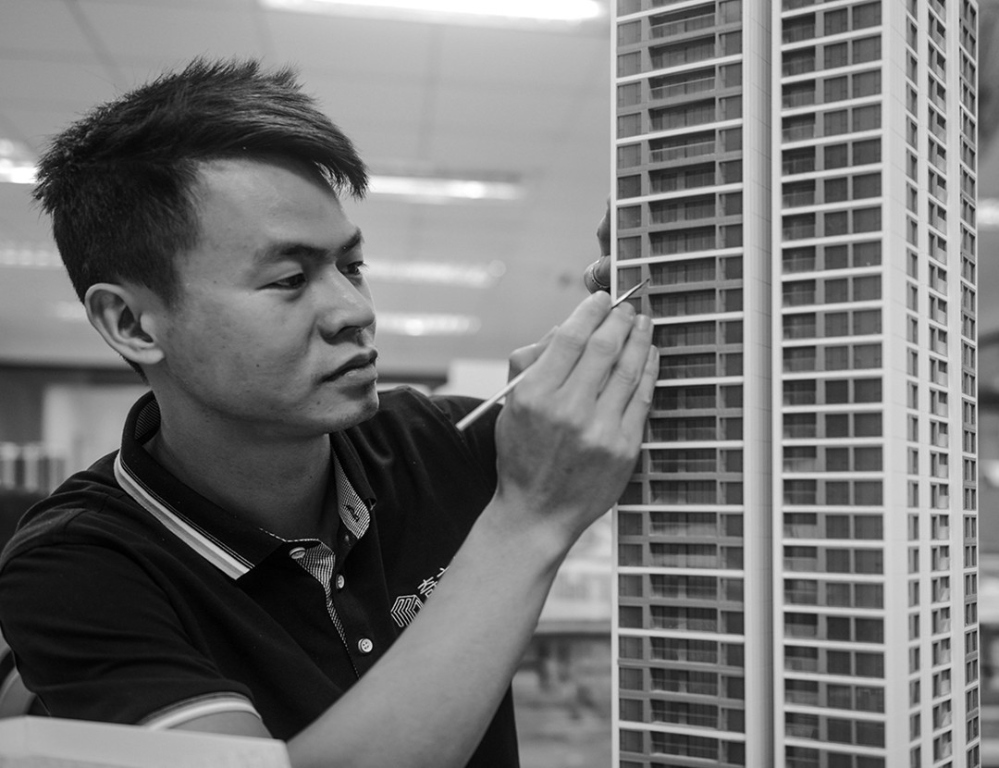
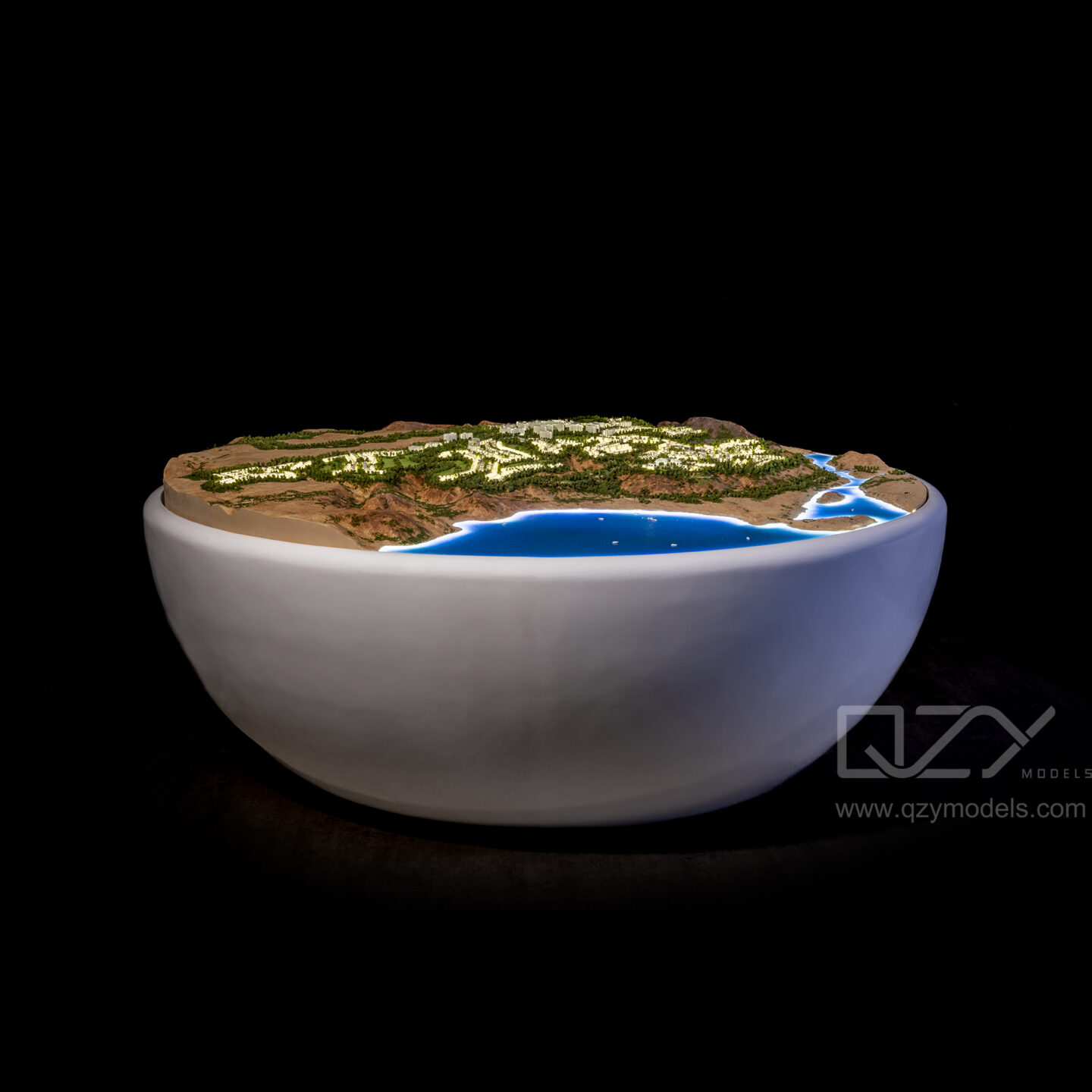
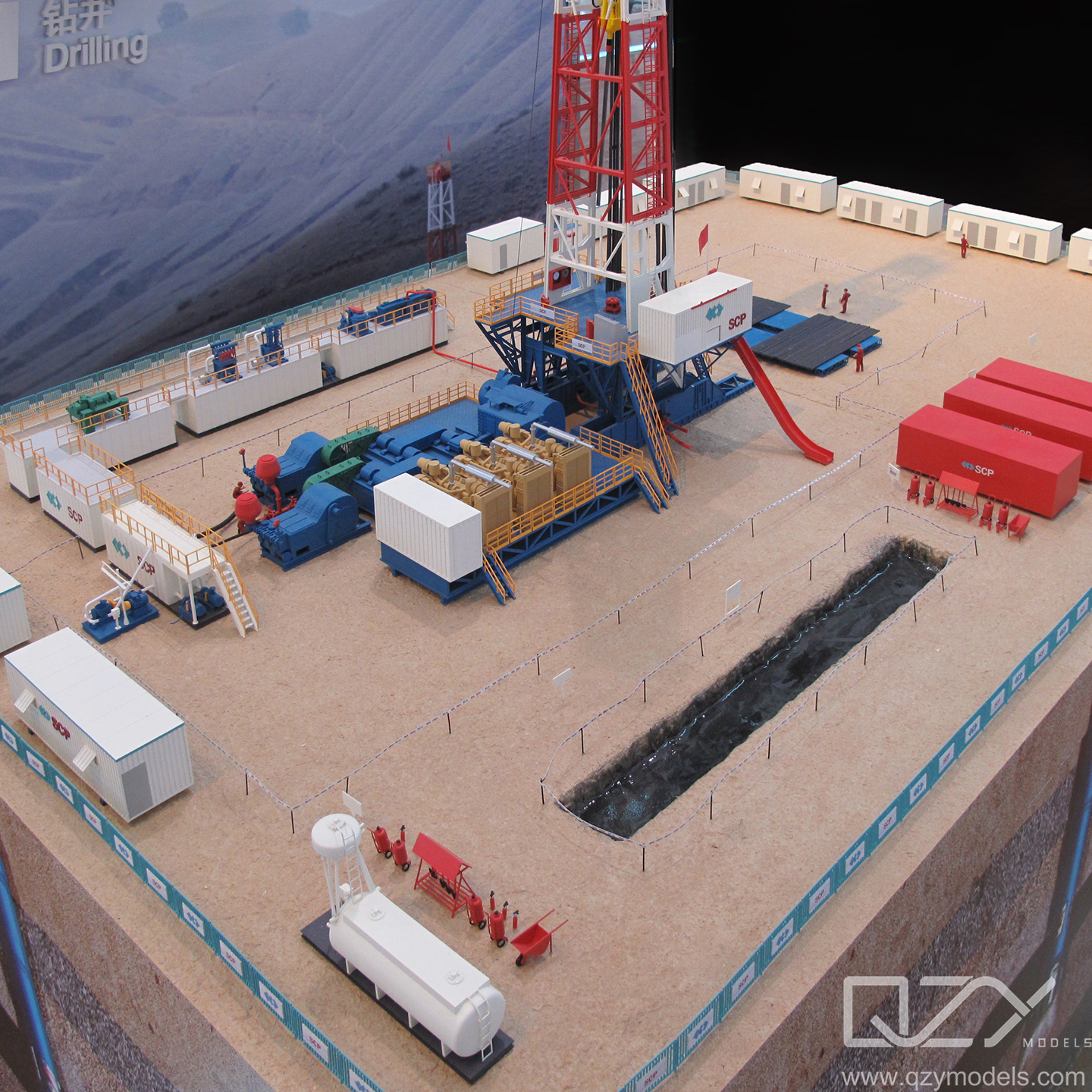
QZY Models crafts scale models at 1:50 to 1:200 using CNC machining, 3D printing, and vacuum forming for facades, interiors, and site contexts. Capabilities include motorized elements for dynamic views, UV-resistant finishes, and integrated landscaping.
Since 2013, QZY Models has delivered 5,000+ projects for clients like Foster + Partners across 20+ countries, with branches in UAE and Saudi Arabia ensuring 10-14 day turnarounds.
How Do QZY Models Outperform Traditional Approaches?
| Aspect | Traditional Methods | QZY Models’ Design Plans |
|---|---|---|
| Production Time | 4-6 weeks | 10-14 days |
| Customization Level | Limited to basic kits | Full CNC/3D printed details |
| Error Rate | 15-20% rework | Under 5% with prototypes |
| Client Engagement | 55% via screens | 92% hands-on interaction |
| Cost Efficiency | $8,000+ per iteration | $3,500 reusable modules |
| Durability | 6-12 months | 5+ years exhibition-ready |
What Steps Guide QZY Models’ Model Plan Process?
-
Step 1: Design Intake – Upload Revit/SketchUp files; QZY refines plans in 24 hours for optimal scaling.
-
Step 2: Digital Prototyping – Simulate materials and lighting via software previews.
-
Step 3: Fabrication – CNC cuts bases, 3D prints components, laser etches details.
-
Step 4: Assembly – Hand-finish with textures, add interactive features like removable roofs.
-
Step 5: Validation and Delivery – Rigorous testing, crating, and tracked shipping worldwide.
Who Gains from QZY Models in Key Scenarios?
Scenario 1: High-Rise Architect Facing Client Doubts
Problem: Dubai firm needed to demo luxury tower aesthetics amid picky investors.
Traditional: Digital walkthroughs sparked 3 revision rounds.
After QZY: 1:100 model with lit interiors sealed $20M funding.
Key Benefit: Cut pitch time by 60%, boosting win rate.
Scenario 2: Real Estate Developer Prepping Sales
Problem: Singapore condo project stalled on showroom visuals.
Traditional: Printed elevations hid spatial flow.
After QZY: Interactive 1:200 unit model drove 40% presales uplift.
Key Benefit: $5M revenue in first month.
Scenario 3: Exhibition Organizer Showcasing Concepts
Problem: Milan expo required durable pavilion replicas.
Traditional: Fragile foam broke in transit.
After QZY: Robust models endured 10-week display, attracting 15k visitors.
Key Benefit: 25% lead increase for clients.
Scenario 4: Design School Enhancing Curriculum
Problem: Students struggled with abstract modernism studies.
Traditional: Software limited group critiques.
After QZY: Modular 1:50 models enabled hands-on analysis, raising project scores 35%.
Key Benefit: Improved portfolio quality.
Why Integrate Architectural Model Plans Today?
Sustainable design mandates rise, with 70% of new builds targeting LEED by 2030, demanding verifiable mockups. Hybrid workflows blending BIM and physicals cut lifecycle costs 18%.
QZY Models equips firms for this shift, delivering precision that aligns with global standards now.
What Questions Arise About Architectural Model Plans?
How precise are QZY Models’ fabrications?
Achieve 0.05mm tolerances via CNC and 3D tech.
What scales suit QZY Models’ architectural plans?
From 1:50 details to 1:200 overviews.
Can QZY Models customize for interiors?
Yes, including furniture and lighting simulations.
How quickly does QZY Models deliver?
10-14 days for standard projects, rush options available.
Does QZY Models support modular updates?
Designs allow phase 2 swaps without rebuilds.
What finishes enhance QZY Models’ realism?
Metallic paints, fabrics, and LED for day/night views.