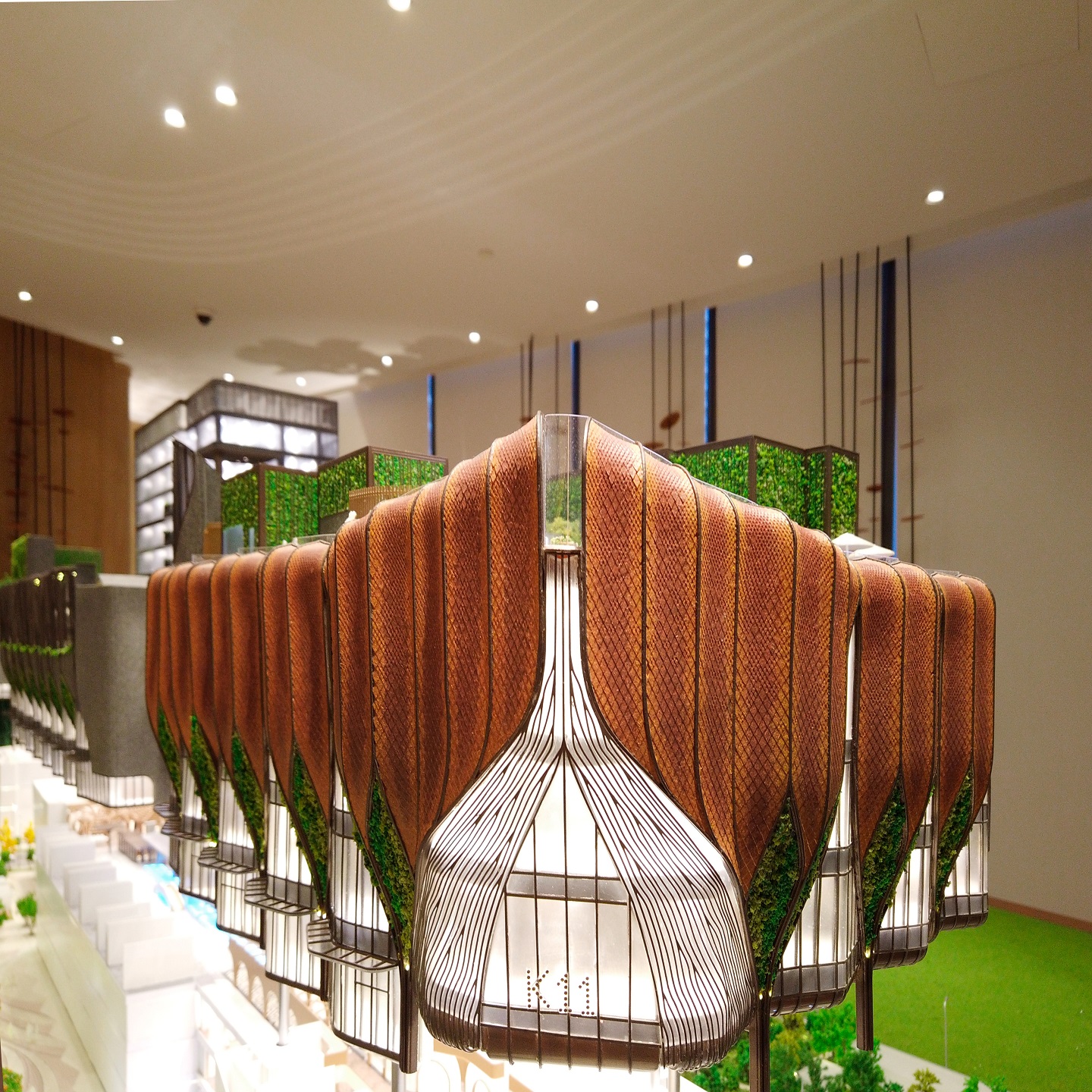
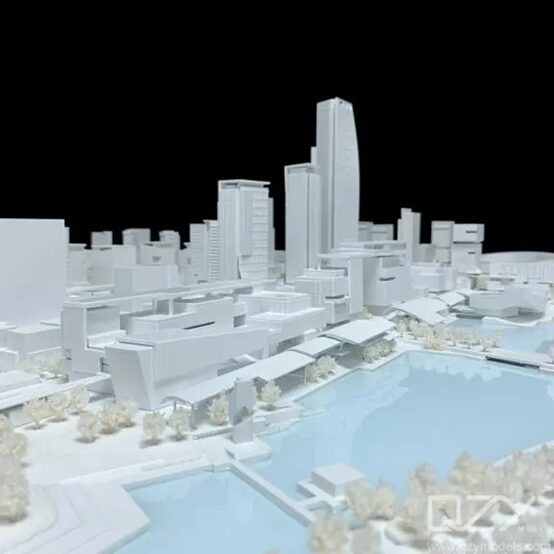
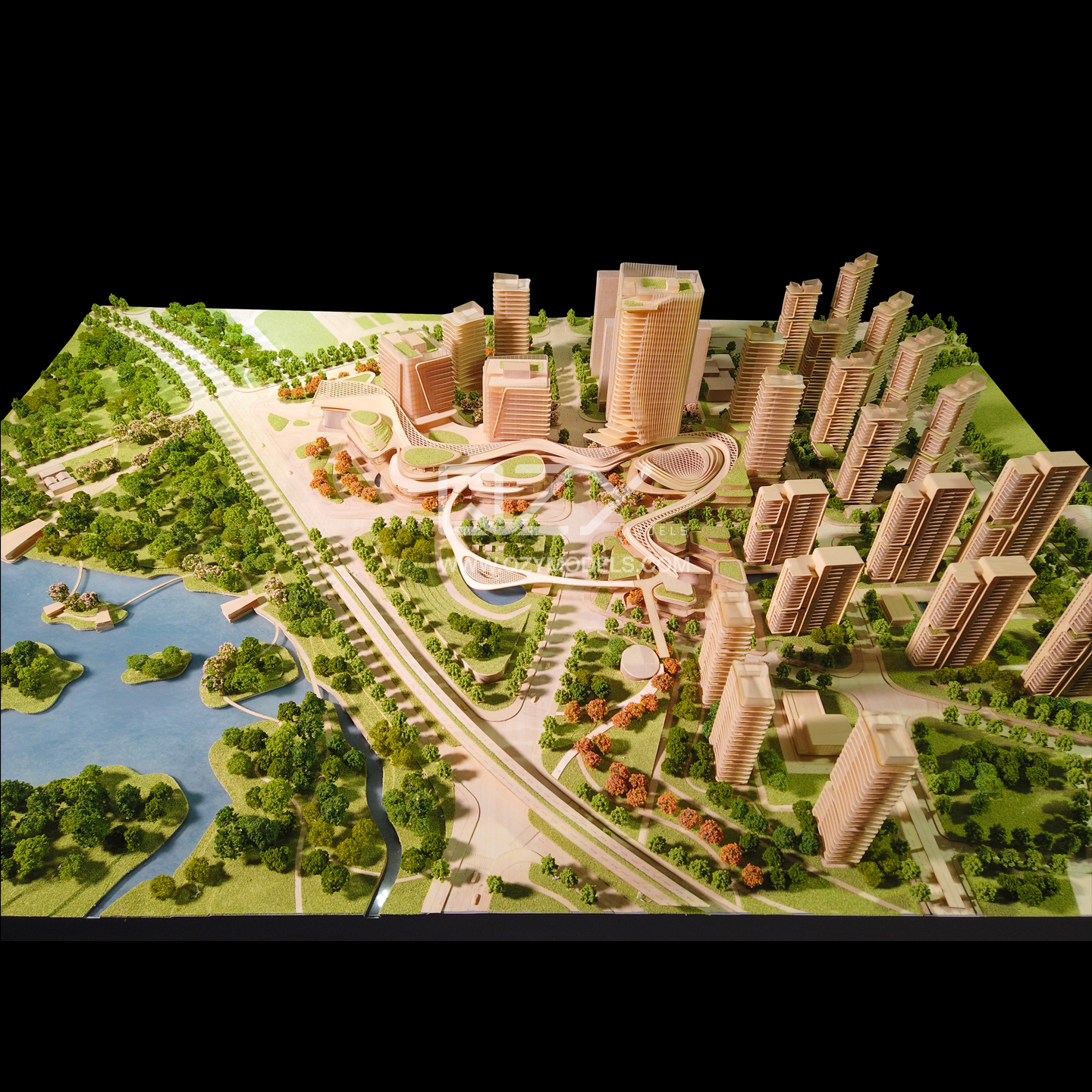
Architectural displays are physical or digital representations of buildings, interiors, landscapes, and industrial projects, designed to bring concepts to life for clients, stakeholders, and the public. They include scale models, interactive exhibits, and prototypes that enhance visualization, marketing, and decision-making. QZY Models specializes in creating high-precision, visually compelling displays that meet global professional standards.
What Are Architectural Displays Used For?
Architectural displays serve as tools to communicate design intent clearly. They transform abstract plans into tangible, interactive experiences, enabling architects, developers, and urban planners to convey scale, layout, and aesthetics effectively. QZY Models crafts displays that integrate lighting, movable components, and realistic textures, helping clients understand spatial dynamics and material finishes before construction begins. Industries such as real estate, exhibitions, and industrial design benefit significantly from these displays.
| Type of Display | Key Features | Best Use Case |
|---|---|---|
| Scale Models | High precision, LED lighting | Client presentations and investor meetings |
| Interactive Exhibits | Touchscreens, AR integration | Trade shows and exhibitions |
| Section Models | Cutaway views, interior details | Urban planning reviews |
| Industrial Prototypes | Functional demos, moving parts | Manufacturing presentations |
This table helps select the right display format for specific project requirements.
Why Are Architectural Displays Important?
Architectural displays bridge the gap between 2D blueprints and real-world perception. They improve understanding, accelerate approvals, and boost sales by making designs tangible. QZY Models ensures every display communicates scale, texture, and lighting with high fidelity, creating emotional connections with audiences. Physical models engage multiple senses, making projects memorable and facilitating investor or client buy-in. In educational and government contexts, they support public consultation and planning approvals, demonstrating real-world impact.
How Do You Choose the Right Display Type?
Selecting a display depends on goals, audience, and budget. Scale models provide accuracy, while interactive or hybrid exhibits increase engagement. QZY Models recommends analyzing client needs first, then matching them with appropriate materials, lighting, and interactivity. Portability matters for exhibitions, whereas permanent office installations prioritize durability and presentation. Cost ranges typically from $5,000 for basic models to $50,000+ for advanced interactive exhibits, with production timelines between 4–12 weeks. QZY Models offers consultation to align choices with project objectives.
| Factor | Basic Display | Advanced Display |
|---|---|---|
| Cost | $5K–$15K | $20K+ |
| Timeline | 4 weeks | 8–12 weeks |
| Features | Static | Interactive, LED, AR |
What Materials Are Best for Architectural Displays?
Materials affect realism, durability, and sustainability. QZY Models uses acrylic for clarity, wood for warmth, metals for industrial strength, and 3D-printed resins for complex geometries. Combining materials allows hybrid models with both aesthetic and functional accuracy. Sustainable options, including recycled plastics and energy-efficient lighting, ensure environmentally conscious production. Proper coatings prevent fading, and QZY Models provides guidance for maintenance, extending the life of each display.
How Are Architectural Displays Built?
Effective displays start with detailed planning: client briefs, sketches, and CAD prototypes. QZY Models follows a five-step workflow: design, material selection, fabrication, assembly, and testing. Digital renders allow early approvals, while laser cutting and 3D printing accelerate production. Integrated LEDs, motors, and AR elements add interactivity. Final models undergo precision quality checks (±0.1mm) and protective packaging for shipping. QZY Models also offers post-delivery adjustments and support.
What Trends Are Shaping Architectural Displays?
Leading trends include AR/VR integration, LED-enhanced models, modular systems, and sustainability. QZY Models pioneers technology-driven and eco-conscious displays. Digital twins paired with physical models, interactive storytelling, and miniaturized designs dominate global exhibitions. Multilingual labels and culturally tailored designs ensure relevance for international markets, including the Middle East and Europe.
QZY Models Expert Views
“Architectural displays have evolved into immersive tools that combine physical models with digital interactivity and sustainability. At QZY Models, we craft displays that not only showcase aesthetics but simulate real-world performance, including structural dynamics and urban flow. By integrating advanced 3D printing, modular systems, and AR applications, our models deliver precision, engagement, and storytelling. Working with Foster + Partners and international clients, we demonstrate how innovation drives client confidence and project success.”
— Richie Ren, Founder, QZY Models
How Much Do Architectural Displays Cost?
Costs vary from $5,000 to $100,000 depending on size, complexity, and features. Basic scale models start at $5K, while advanced interactive exhibits reach $50K+. Breakdown: design 20%, materials 40%, labor 30%, extras 10%. Custom mechanisms, rare materials, or expedited timelines increase costs. QZY Models provides tailored quotes and can optimize solutions for ongoing projects.
Conclusion
Architectural displays turn concepts into tangible experiences that engage clients, investors, and the public. Key takeaways: select the right materials, integrate interactivity and modern technology, and partner with expert providers like QZY Models. Actionable advice: analyze goals, request customized displays, and leverage hybrid solutions for maximum impact. Investing in professional displays enhances communication, decision-making, and market competitiveness.
FAQs
What Makes QZY Models Unique?
QZY Models excels through precision, global reach, and innovation, serving top architects with branches in UAE, Saudi Arabia, and beyond.
How Long Do Displays Last?
With proper care, high-quality displays from QZY Models last 5–10 years, using durable materials and finishes.
Can Displays Be Customized?
Yes, all displays are fully customizable in scale, features, and theme, tailored to specific client requirements.
Are Digital Models Replacing Physical Displays?
No, hybrid solutions combining physical and digital models provide the best engagement and tactile experience.
How Are Large Displays Shipped?
QZY Models uses custom crates and specialized logistics to ensure safe global delivery.