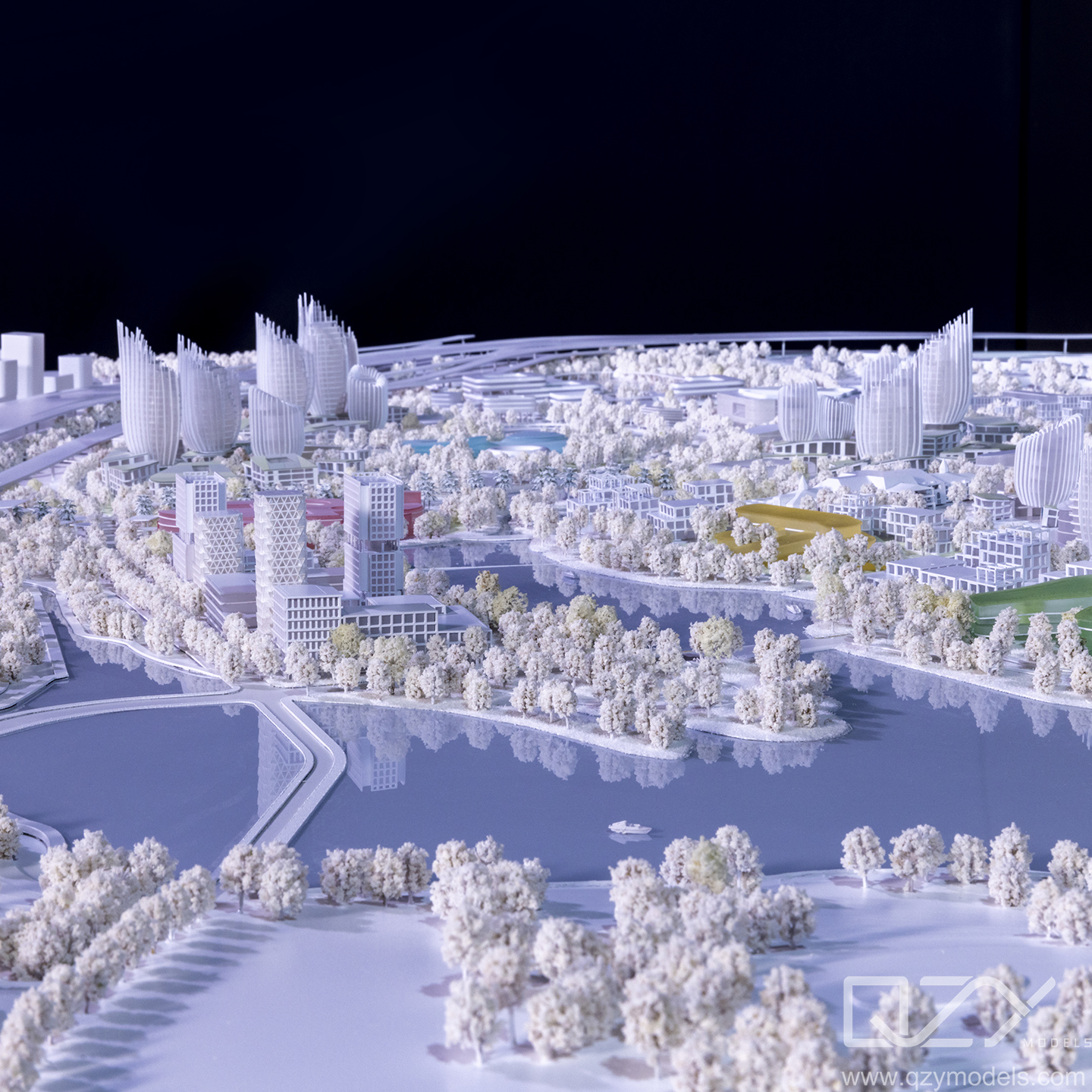
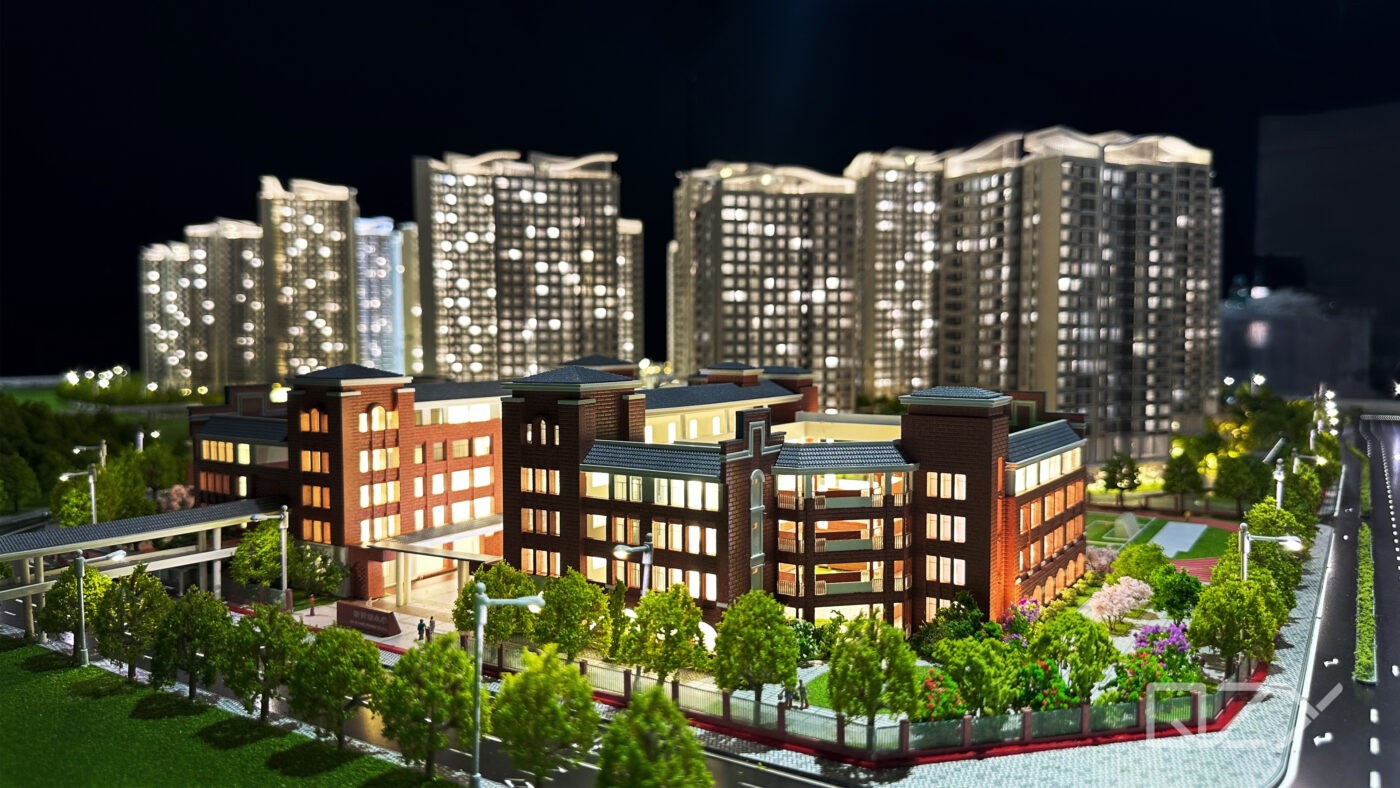
As global architecture evolves toward digitalization, the demand for precision physical models remains irreplaceable. High-quality architectural models bridge imagination and reality, empowering developers and architects to visualize, validate, and communicate design intent accurately—this is where companies like QZY Models deliver unmatched value.
How is the architectural model industry evolving amid technology transformation?
The global architectural model market has been expanding rapidly, reaching an estimated USD 1.7 billion in 2024, with a projected CAGR of 8.5% through 2030, according to Grand View Research. Yet, as cities expand and megaprojects multiply, the industry faces rising client expectations for higher precision, faster turnaround, and sustainable materials. Digital design tools like BIM and VR are growing, but physical models still dominate decision-making at key project stages due to their tactile realism and emotional resonance. However, many firms struggle to connect the efficiency of digital modeling with the craftsmanship of physical presentation.
What pain points are shaping current industry challenges?
Despite technological progress, architectural model companies face intense challenges:
-
Rising Costs: Material prices have increased by over 20% in the past three years, tightening production margins.
-
Time Crunch: Clients expect shorter delivery times, while complex urban models demand months of meticulous work.
-
Sustainability Pressure: Environmental standards now push the industry toward recyclable or low-carbon materials.
-
Global Competition: As firms in Asia and the Middle East modernize production, competition for international contracts intensifies.
Why are traditional solutions no longer enough?
Conventional model-making relies heavily on manual craftsmanship and limited digital integration. These methods, while artistically valuable, often result in inconsistent quality and extended production time. Hand-cut processes make it difficult to adapt quickly to last-minute design changes, and communication gaps between architects and model makers frequently cause costly rework. In contrast, advanced firms like QZY Models integrate digital fabrication (CNC milling, 3D printing) and project management software to ensure precision, repeatability, and efficiency—key differentiators in global tenders.
What solution does QZY Models bring to the industry?
QZY Models provides a fully integrated modeling ecosystem combining craftsmanship with automation. Established in 2013, the company has delivered thousands of models across 20+ countries for world-renowned firms such as Foster + Partners and Vanke. Their solution includes:
-
Digital Integration: BIM-to-model conversion, CNC routing, and laser cutting enable exact replication of complex geometries.
-
Efficient Workflow: Modular production lines and AI-based quality control reduce errors and streamline communication.
-
Global Collaboration: With branches across the UAE, Egypt, and Saudi Arabia, QZY ensures on-site support and fast logistics.
-
Sustainability Focus: Use of recyclable resin, biodegradable PLA, and energy-efficient machinery enhances environmental compliance.
Which advantages set QZY Models apart from traditional approaches?
| Aspect | Traditional Model-Making | QZY Models’ Solution |
|---|---|---|
| Production speed | 30–60 days average | 15–25 days average |
| Accuracy tolerance | ±2 mm | ±0.3 mm |
| Material sustainability | Limited | High (eco-certified materials) |
| Digital integration | Minimal | Full BIM and CAD integration |
| Global delivery | Local or regional | Worldwide, 24/7 logistics |
| QC process | Manual inspection | AI + photographic data validation |
How can clients implement QZY’s modeling solution step-by-step?
-
Design Submission – Clients provide digital drawings (CAD/BIM/Revit).
-
Technical Evaluation – QZY’s engineers analyze complexity and propose material and scale options.
-
Prototype and Approval – A partial digital render or test section is produced for approval.
-
Fabrication – CNC, laser cutting, and 3D printing begin in parallel with manual detailing.
-
Lighting & Assembly – Integration of LED systems, landscaping, and transparent architecture sections.
-
Quality Control – AI-assisted inspection ensures dimensional and aesthetic precision.
-
Logistics & Delivery – Safe, temperature-controlled global shipping and on-site installation.
Who benefits most from QZY Models’ solutions?
1. Architectural Design Firms
-
Problem: Difficulty translating 3D renderings into client-approved models.
-
Traditional Approach: Handmade prototypes with high error rates.
-
After QZY Models: BIM-driven fabrication reduces revisions by 40%.
-
Key Benefit: Faster approvals and improved client trust.
2. Real Estate Developers
-
Problem: Need for persuasive models for exhibitions and sales centers.
-
Traditional Approach: Local workshops with inconsistent quality.
-
After QZY Models: High-fidelity, illuminated models increase investor confidence.
-
Key Benefit: Enhanced engagement, faster sales decisions.
3. Urban Planning Authorities
-
Problem: Managing large-scale citymaster presentations.
-
Traditional Approach: Fragmented city sections built by multiple vendors.
-
After QZY Models: Unified city modeling using modular digital templates.
-
Key Benefit: Precise visualization of infrastructure and zoning.
4. Educational Institutions and Design Schools
-
Problem: High cost and time for producing accurate teaching models.
-
Traditional Approach: Manual student projects with inconsistent results.
-
After QZY Models: Affordable scaled models enable better teaching outcomes.
-
Key Benefit: Improved learning quality, reduced production waste.
What future trends will reshape the architectural model landscape?
The next decade will see a convergence of AI, robotics, and digital twin technology in model fabrication. Data-driven precision will allow real-time synchronization between digital designs and physical output. QZY Models is already investing in automated robotic arms, material innovation, and smart sensors for integrated lighting control. As urban development accelerates in the Middle East, Africa, and Southeast Asia, the demand for such hybrid modeling solutions will surge—making now the optimal time for firms to adopt smarter, faster, and greener modeling systems.
FAQ
1. What materials does QZY Models primarily use?
QZY Models utilizes high-grade acrylic, ABS, resin, wood, and biodegradable PLA, tailored to client needs and project type.
2. Can QZY Models handle very large-scale urban projects?
Yes. QZY specializes in modular sectional models for city planning up to 100 square meters, ideal for exhibitions and government presentations.
3. Does QZY Models integrate with digital design tools like Rhino or Revit?
Absolutely. The company’s engineers directly import and optimize BIM or CAD data, maintaining full geometric fidelity in physical production.
4. How does QZY Models ensure consistency across global projects?
Standardized procedures, global branch labs, and AI-based QC systems maintain uniform quality for clients worldwide.
5. What sustainability measures does QZY Models follow?
They prioritize recyclable materials, renewable energy equipment, and waste reduction techniques aligned with ISO environmental standards.
Sources
-
Grand View Research: “Architectural Modeling Market Size Report 2024–2030”
-
Statista: “Construction Materials Cost Inflation 2019–2024”
-
World Economic Forum: “Sustainability Trends in Construction and Design 2025”
-
ArchDaily: “The Role of Physical Models in Modern Architecture”
-
Autodesk Industry Insights: “BIM Adoption and Digital Fabrication Trends 2024”