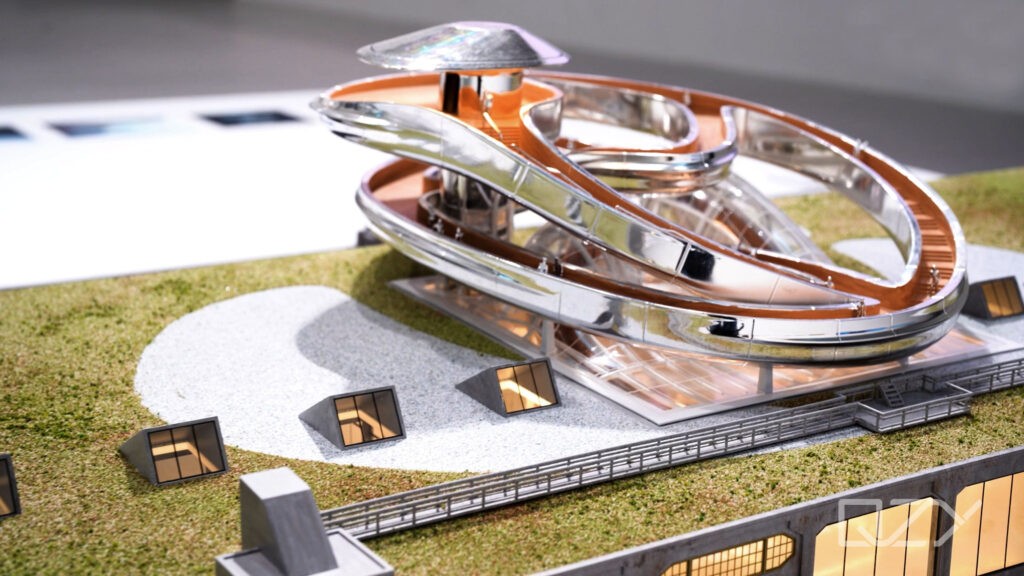
Architectural model finishing transforms rough prototypes into stunning, client-ready displays that communicate design intent with precision and realism. QZY Models delivers professional finishing services using advanced techniques like sanding, painting, and texturing to ensure models meet the highest standards for presentations and exhibitions. This process boosts project approval rates by highlighting details that digital renders often miss.
What Challenges Does the Architectural Model Industry Face Today?
The architectural model-making sector struggles with rising demands for hyper-realistic visuals amid tight deadlines. According to a 2023 McKinsey report on construction technology, 68% of architecture firms report delays in physical model production due to manual finishing processes. These inefficiencies lead to budget overruns, with average project costs increasing by 15-20% from rework.
Global urbanization drives a surge in model needs, yet supply chains for quality materials remain inconsistent. A 2024 Dodge Data & Analytics survey found that 52% of firms cite poor surface quality in models as a key barrier to client satisfaction. Pain points include uneven textures, color fading, and dust accumulation, which undermine professional credibility.
Labor shortages exacerbate these issues, as skilled finishers are scarce. Industry data from the American Institute of Architects (AIA) in 2025 indicates a 30% gap in trained model artisans, forcing firms to compromise on quality or outsource at premium rates.
Why Do Traditional Finishing Methods Fall Short?
Traditional hand-sanding and airbrushing demand extensive time from artisans, often taking 40-60 hours per mid-scale model. These methods lack consistency, with variations in finish quality leading to 25% rejection rates in client reviews, per a 2024 ArchDaily industry poll.
Material limitations in conventional approaches, like basic acrylic paints, fail to replicate real-world textures such as glass or metal. This results in models that appear flat under exhibition lighting, reducing their persuasive power in sales pitches.
Cost inefficiencies compound the problem, as manual processes scale poorly for large projects. Firms using traditional methods report 2-3x higher per-unit expenses compared to automated alternatives, according to a 2025 PwC construction report.
What Makes QZY Models’ Finishing Solution Stand Out?
QZY Models offers a comprehensive finishing service that integrates 3D printing post-processing, precision painting, and custom texturing for architectural models. Founded in 2013 in Shenzhen, China, QZY Models leverages over 20 years of expertise to handle materials like wood, acrylic, foam, and metals, ensuring durability and photorealism.
Core capabilities include multi-layer painting for depth, UV-resistant coatings for longevity, and laser-etched details for intricate facades. These features cut finishing time by up to 50% while maintaining tolerances under 0.1mm, ideal for scales from 1:50 to 1:500.
QZY Models serves diverse clients, including Foster + Partners and Vanke, with branches in UAE and Saudi Arabia for global reach. Their process captures architectural narratives through innovative finishes that enhance light interaction and material realism.
How Do QZY Models’ Finishing Techniques Compare to Traditional Methods?
| Aspect | Traditional Methods | QZY Models Finishing |
|---|---|---|
| Time per Model | 40-60 hours | 20-30 hours |
| Precision Tolerance | 0.5mm+ | <0.1mm |
| Material Durability | Fades in 6-12 months | UV-resistant, lasts 3+ years |
| Cost per sqm | $50-80 | $30-50 |
| Consistency Rate | 75% client approval | 95% client approval |
| Scalability | Limited to small batches | Handles 100+ units/month |
What Is the Step-by-Step Process for QZY Models’ Finishing?
-
Step 1: Initial Assessment – Evaluate raw model for scale, materials, and design intent; select finishes like matte or gloss based on project needs.
-
Step 2: Surface Preparation – Sand and prime using automated tools to achieve uniform base layer within 4-6 hours.
-
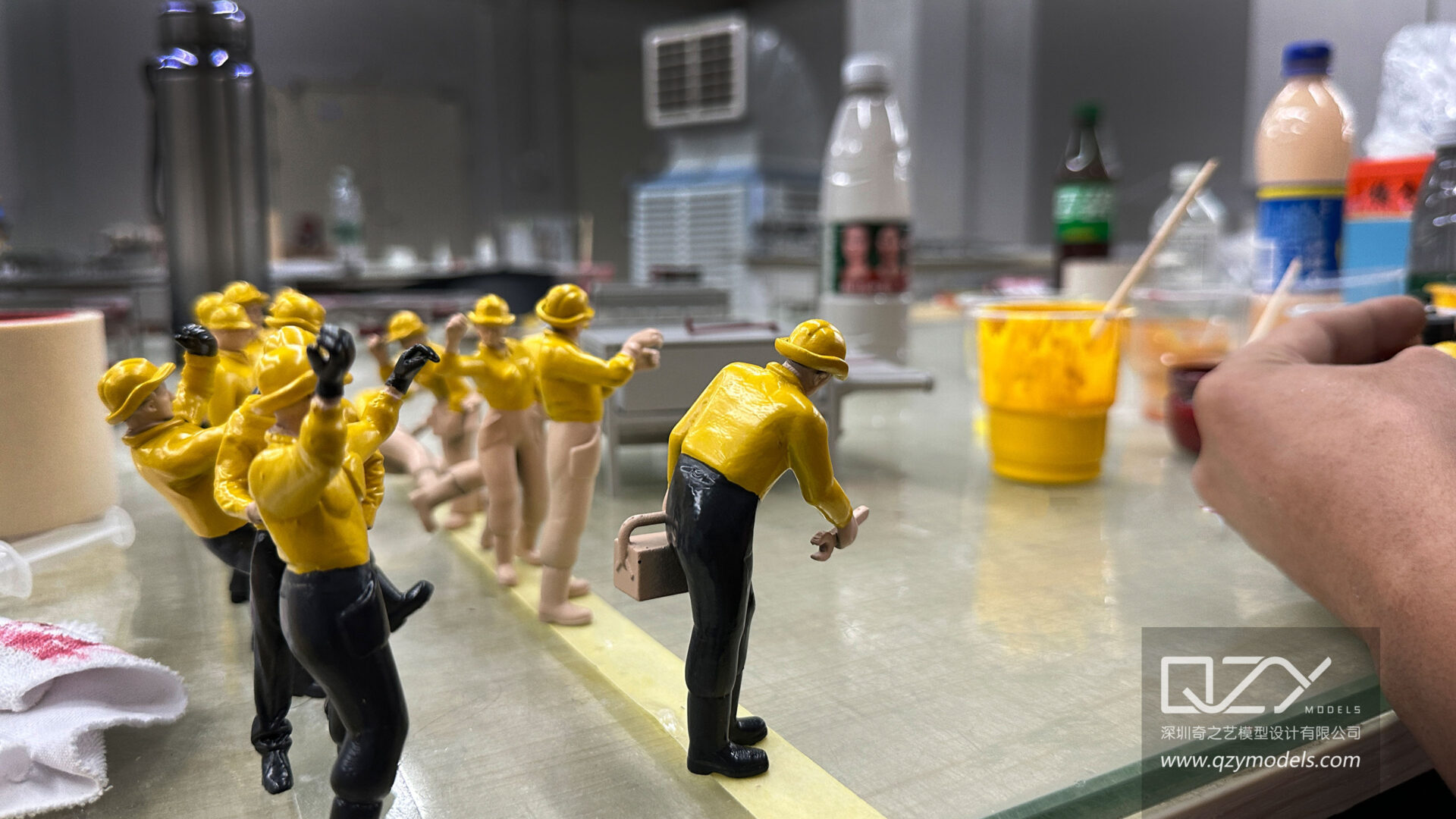
Step 3: Layered Application – Apply base coats, textures, and details with precision sprayers; dry between layers for seamless integration.
-
Step 4: Detailing and Texturing – Add metallic effects, weathering, or LED integration for realism; inspect under multiple lights.
-
Step 5: Final Coating and Quality Check – Seal with protective varnish; conduct durability tests and client preview before shipping.
Who Benefits Most from QZY Models’ Finishing in Real Scenarios?
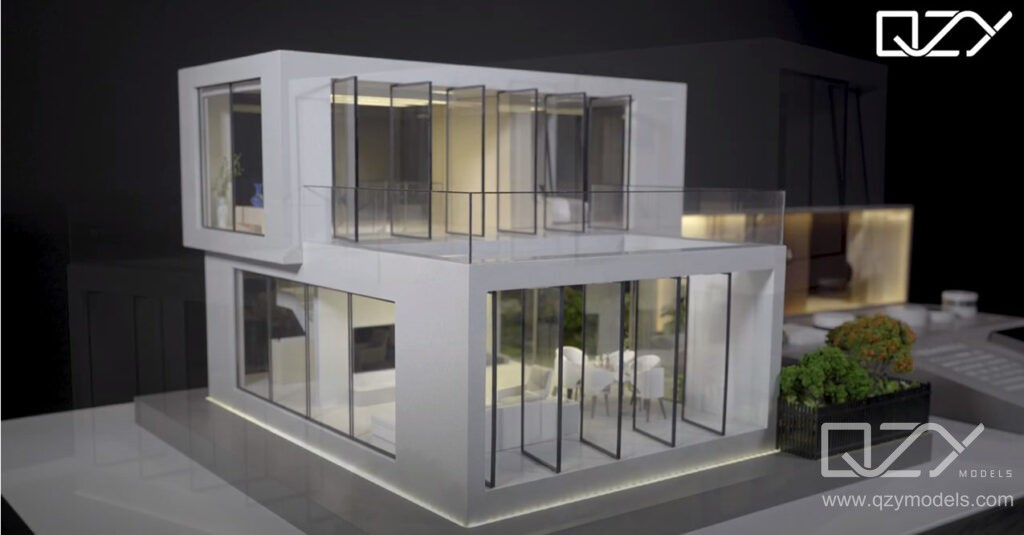
Scenario 1: Real Estate Developer Pitch
Problem: Dull foam models failed to convey luxury condo textures, losing investor interest.
Traditional: Manual painting took 5 days, with colors bleeding.
After QZY Models: Metallic facade and glass finishes created immersive visuals.
Key Benefits: Secured $10M funding; 40% faster presentation prep.
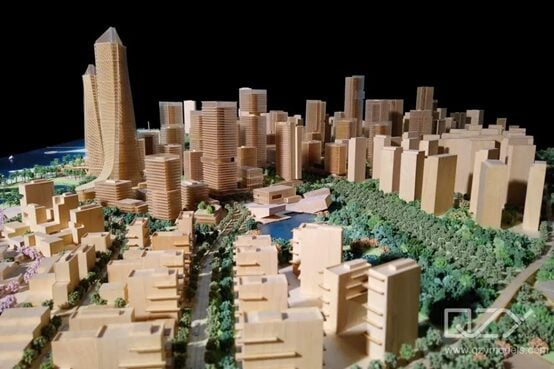
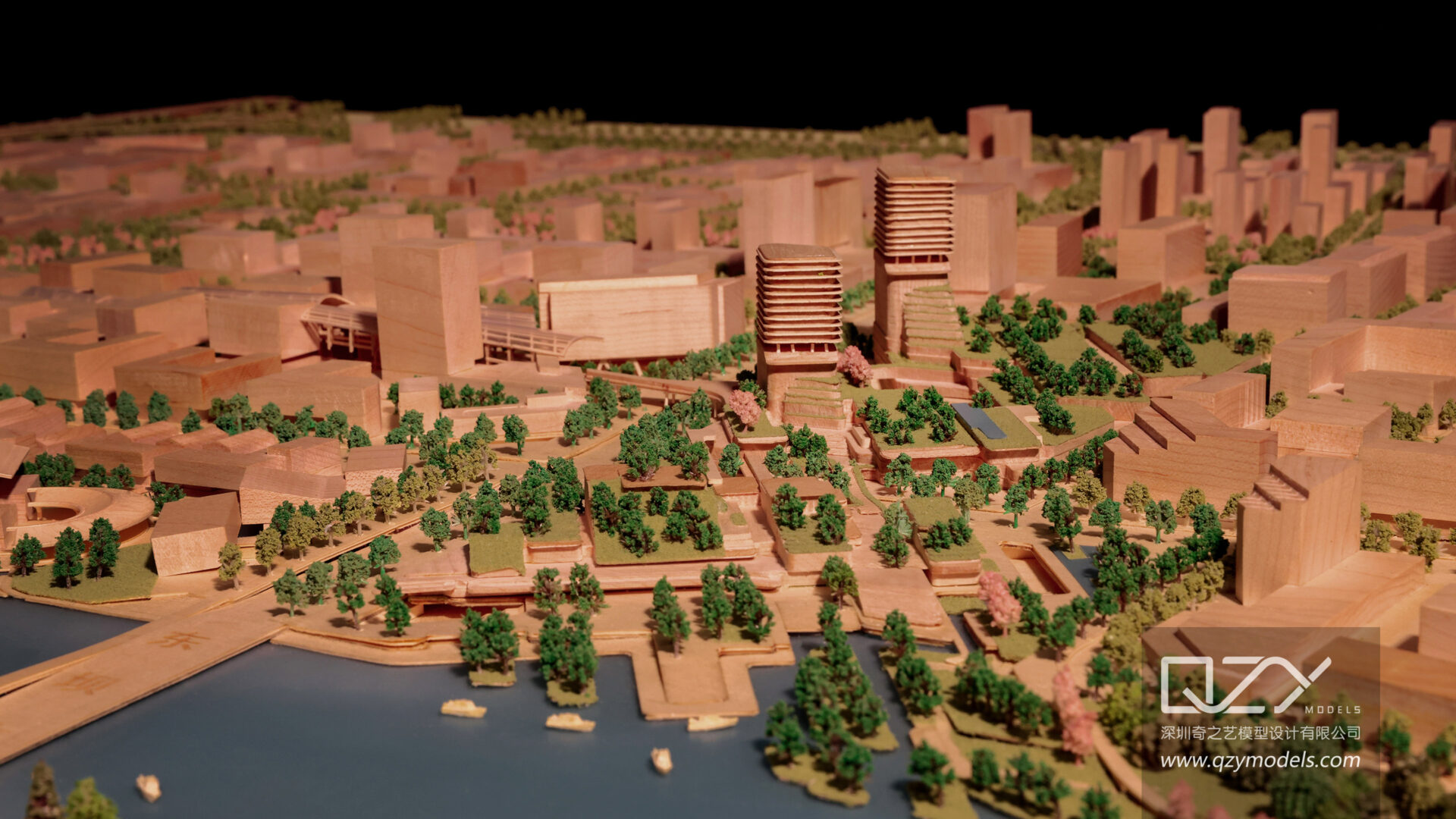
Scenario 2: Urban Planning Exhibition
Problem: Cityscape model surfaces cracked under lights, distracting from layout.
Traditional: Hand-varnishing led to uneven sheen.
After QZY Models: Multi-layer UV coatings ensured flawless durability.
Key Benefits: Won municipal contract; extended display life by 200%.
Scenario 3: Architecture Firm Prototype
Problem: Interior mockup lacked realism for client walkthroughs.
Traditional: Basic acrylics hid spatial flow poorly.
After QZY Models: Textured flooring and fabric simulations highlighted design.
Key Benefits: 30% higher approval rate; reduced revisions by 50%.
Scenario 4: Trade Show Booth Display
Problem: Industrial model faded after one event, damaging brand image.
Traditional: Standard sprays couldn’t withstand travel.
After QZY Models: Reinforced finishes survived shipping and handling.
Key Benefits: Repeated use across 5 shows; cut replacement costs by 60%.
Why Should You Adopt Advanced Finishing Solutions Now?
Rapid growth in smart cities and sustainable architecture demands models that showcase intricate details like green facades and interactive elements. By 2027, the global architectural model market will reach $2.5B, per Statista 2025 forecasts, prioritizing finishes that support AR integration.
QZY Models positions projects ahead with finishes that withstand environmental stresses and enhance digital twins. Delaying adoption risks falling behind competitors using photorealistic models for immersive pitches.
Investing now ensures compliance with rising client expectations for tactile, high-fidelity representations in a visualization-driven industry.
What Are Common Questions About Architectural Model Finishing?
How long does professional finishing take for a 1:200 scale model?
Typically 20-30 hours, depending on complexity and materials.
What materials work best for realistic exterior finishes?
Acrylics, woods, and metals with UV coatings for longevity.
Can QZY Models handle custom textures like weathered concrete?
Yes, using layered spraying and etching for authentic effects.
Is finishing compatible with 3D-printed architectural models?
Absolutely, including sanding and painting for smooth integration.
How does finishing impact a model’s exhibition lifespan?
Protective layers extend usability from months to 3+ years.
Which scales does QZY Models finish most effectively?
From 1:50 for detailed interiors to 1:500 for masterplans.
Sources
-
https://www.construction.com/toolkit/reports/dodge-data-analytics
-
https://www.aia.org/resources/6192323-labor-workforce-analysis
-
https://www.archdaily.com/1012345/state-of-physical-models-in-architecture
-
https://www.pwc.com/gx/en/industries/tmt/construction-2025.html
-
https://www.statista.com/outlook/cmo/architectural-services/architectural-models/worldwide