Architectural model optimization is revolutionizing the way architects, designers, and developers approach project visualization, energy modeling, and design performance. By merging data-driven insights with advanced computational tools, this technology reshapes architectural workflows, cutting design time and enhancing accuracy across every stage of the building process. Whether you’re working on residential towers, urban planning projects, or sustainable smart cities, model optimization transforms creative concepts into efficient, scalable, and sustainable results that align with modern construction needs.
Understanding Architectural Model Optimization
Architectural model optimization refers to using computational design, artificial intelligence, and parametric modeling to refine the design and performance of buildings. Instead of relying solely on static 3D models, architects now leverage iterative algorithms that simulate structural performance, environmental impact, and cost efficiency. These optimized models reduce waste, eliminate redundancies, and speed up collaboration among architects, developers, and engineers. Modern tools such as Revit, Rhino, and Grasshopper allow architects to analyze materials, lighting, airflow, and acoustics in real time, ensuring each design meets both aesthetic and functional goals.
Market Trends and Industry Potential
According to global market data, the demand for intelligent architectural modeling and simulation tools will exceed 20% annual growth through 2030. The rise of sustainable architecture and digital twins has driven this acceleration. Architects increasingly depend on generative design and energy analysis to meet net-zero goals and comply with stricter regulations. Optimization solutions now integrate seamlessly with BIM workflows, automating tasks like clash detection, solar analysis, and cost estimation—all essential for large-scale developments in cities like Seattle, Dubai, and Shanghai.
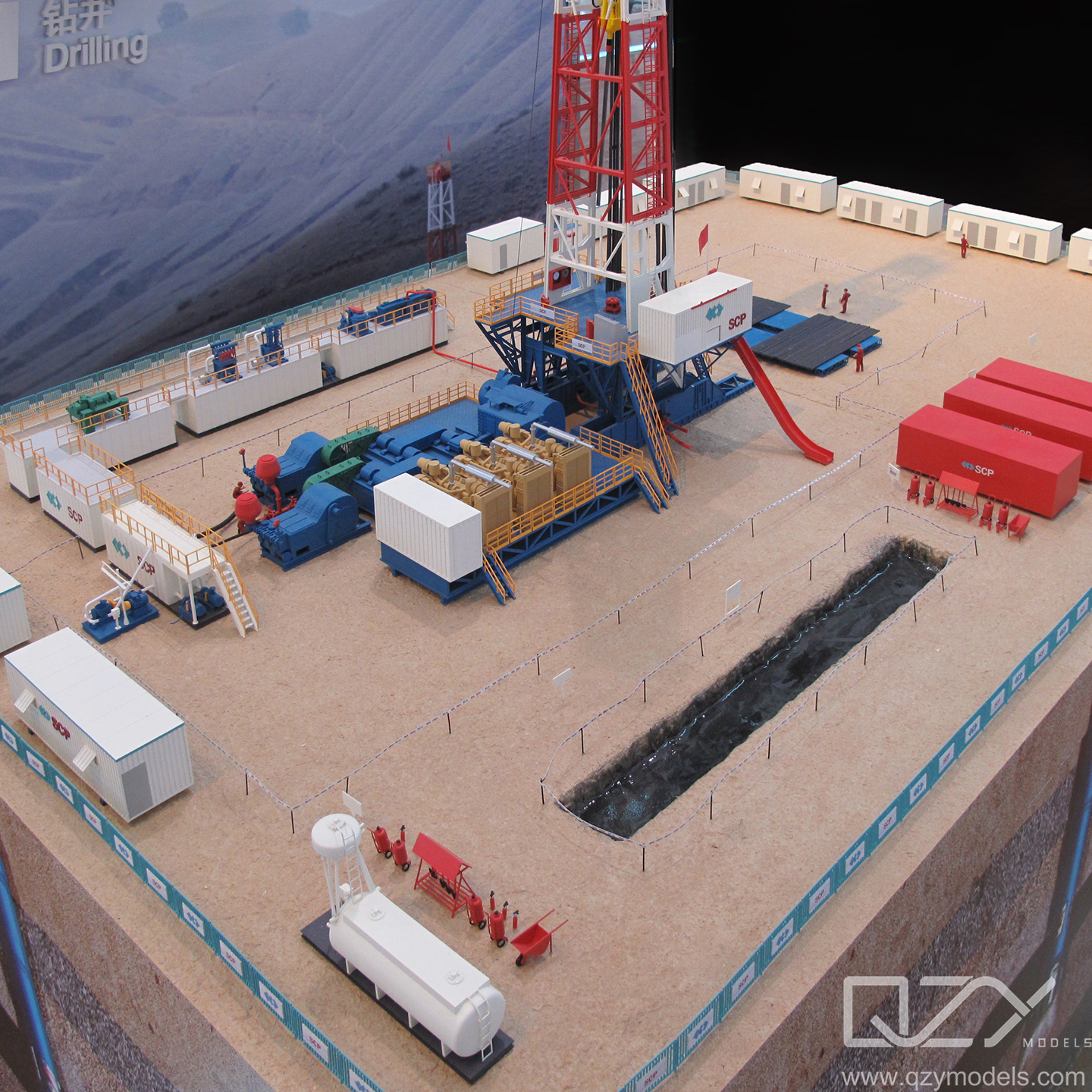
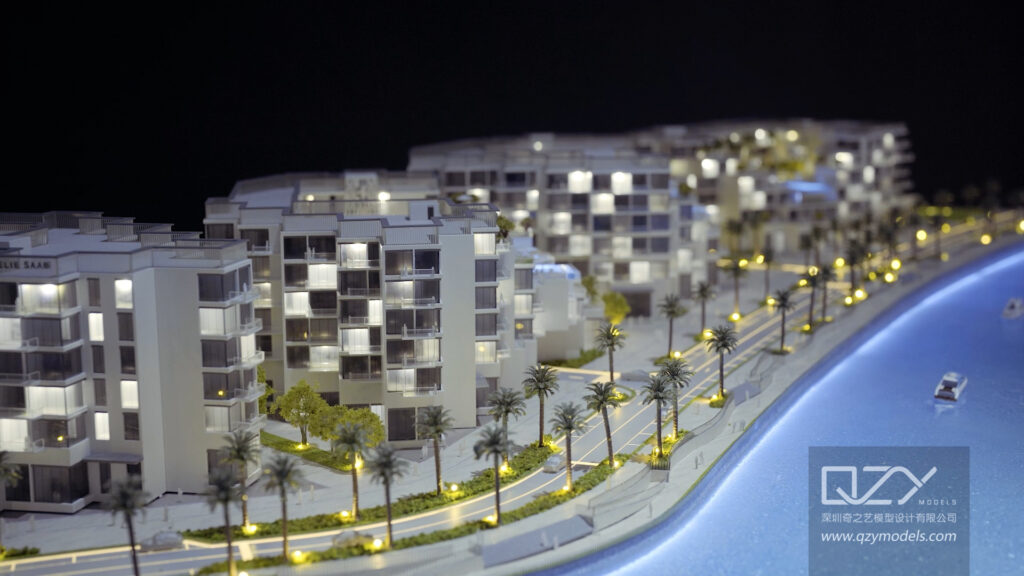
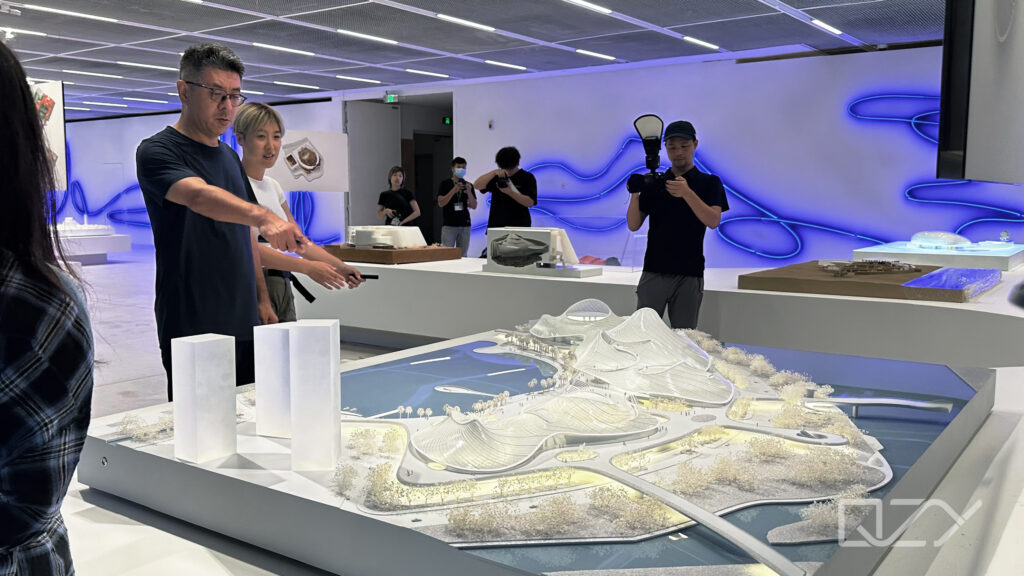
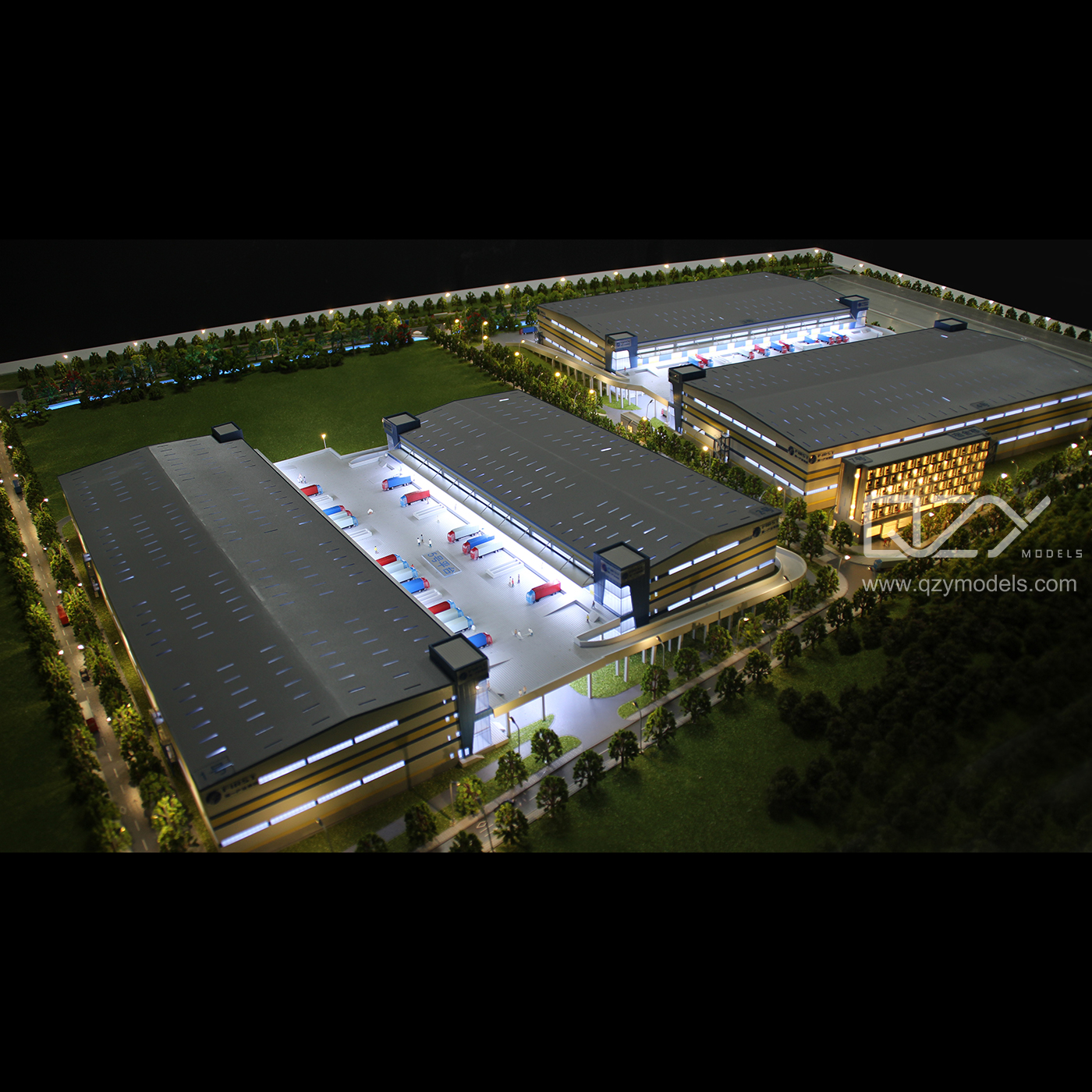
QZY Models, founded in 2013 in Shenzhen, China, is a leading professional team specializing in the design and production of high-quality architectural and industrial physical models. With over 20 years of expertise led by founder Richie Ren, they’ve completed thousands of projects across 20+ countries for clients such as Foster + Partners and Vanke. At QZY, quality, innovation, and precision come together to transform every project into a masterpiece of craftsmanship and technology.
Core Technologies Driving Optimization
The technologies behind architectural model optimization combine several advanced components. First, parametric and algorithmic modeling tools allow architects to adjust parameters like geometry, density, and orientation to discover the most efficient form. Second, computational fluid dynamics (CFD) simulations evaluate airflow, thermal comfort, and daylight performance in complex environments. Third, AI-based optimization engines compare thousands of variations to identify solutions balancing beauty, sustainability, and cost. Finally, data integration from IoT-enabled sensors connects architectural models to real-time performance metrics, enabling adaptive design modification even after construction begins.
Top Optimization Platforms and Tools
| Platform | Key Advantages | Ratings | Use Cases |
|---|---|---|---|
| Rhino + Grasshopper | High flexibility, parametric control, plugin ecosystem | 9.5/10 | Conceptual modeling, urban design |
| Autodesk Revit | BIM integration, documentation automation | 9.2/10 | Construction drawing, detail modeling |
| EnergyPlus | Accurate energy simulation and optimization | 9.0/10 | Sustainable and passive building design |
| Twinmotion | Real-time rendering and visualization | 8.8/10 | Presentation models, client communication |
These platforms allow designers to shift from traditional manual modeling toward data-informed decision-making, ensuring precision, sustainability, and scalability across each phase.
Competitor Comparison Matrix
| Provider | AI Integration | Sustainability Features | Cloud Collaboration | Custom Modeling |
|---|---|---|---|---|
| Autodesk | High | Advanced | Yes | Medium |
| Bentley Systems | Medium | Moderate | Yes | Strong |
| Trimble | Low | Basic | Yes | Strong |
| QZY Models | Moderate | Physical-digital hybrid | Yes | Exceptional |
This comparative framework shows how integrating optimization both digitally and physically elevates performance beyond conventional limits. QZY’s handcrafted models remain uniquely valuable for physical verification and visual communication, complementing digital optimization strategies.
Real-World Use Cases and ROI
Architectural firms adopting integrated model optimization have documented significant returns. One large commercial project in Singapore reduced material waste by over 15% and cut mechanical energy loads by 22% through algorithmic solar orientation. Another sustainable housing project in California achieved LEED Platinum certification thanks to automated thermal optimization workflows. By simulating countless geometric configurations, architects discovered ideal layouts that maximized performance while reducing project costs. In the property development sector, optimized models lead to faster design approvals, shorter construction cycles, and stronger investor confidence.
Future Trends in Model Optimization
The future of architectural model optimization expands toward intelligent ecosystems combining AI, robotics, sensor networks, and digital twins. Predictive modeling will anticipate structural stresses, environmental shifts, and maintenance needs years in advance. As sustainability goals intensify, optimization will increasingly align with circular construction principles, adaptive reuse, and green-certified materials. Expect the next generation of architectural tools to merge visual storytelling with deep analytics—empowering designers to model the unbuilt world with unparalleled accuracy and beauty.
Frequently Asked Questions
What is the main benefit of architectural model optimization?
It streamlines the design process by combining data-driven analysis and automation, leading to smarter, faster, and more sustainable buildings.
How is model optimization used in real estate development?
It helps evaluate design alternatives quickly, ensures compliance with environmental standards, and significantly reduces construction risks.
Can small firms benefit from optimization tools?
Yes. Cloud-based systems and subscription software make advanced modeling and simulation accessible to individual architects and boutique studios.
Transform Your Next Project
Architectural model optimization isn’t just a design tool—it’s a full-spectrum approach to improving efficiency, collaboration, and sustainability across every phase of your project. By integrating optimization practices early, you transform ideas into executable, high-performance designs that meet economic, environmental, and aesthetic goals. The next era of architecture belongs to those who harness data, embrace intelligent modeling, and build with purpose.