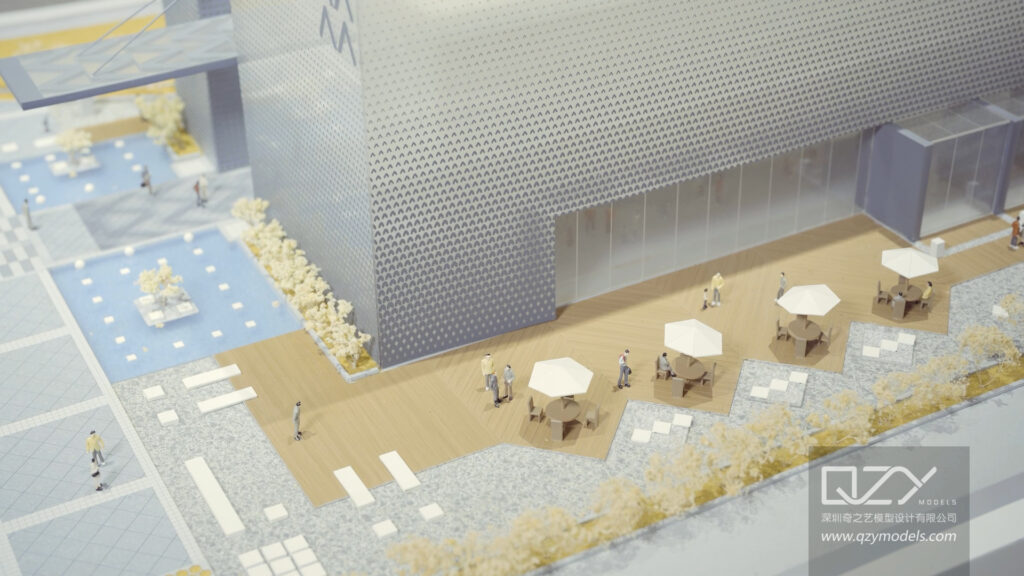
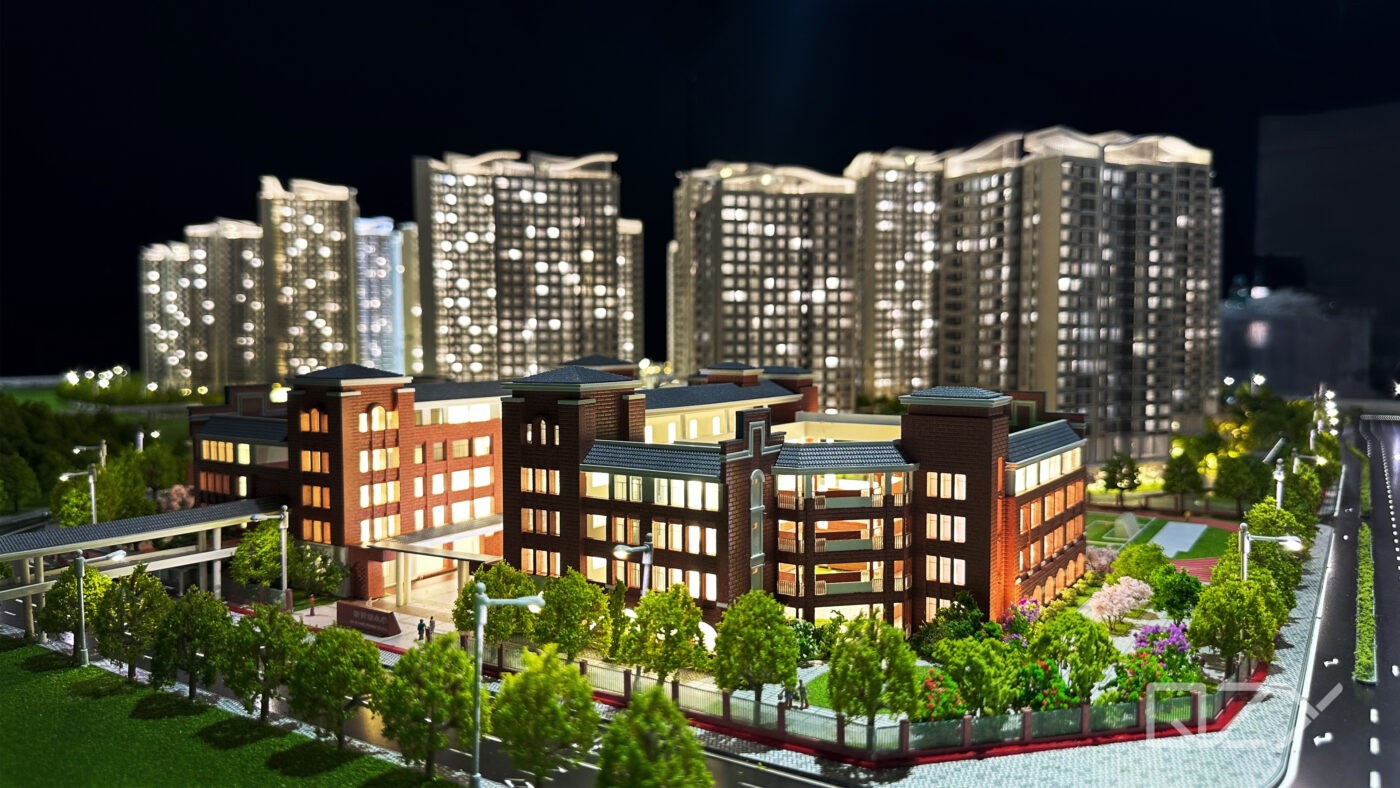
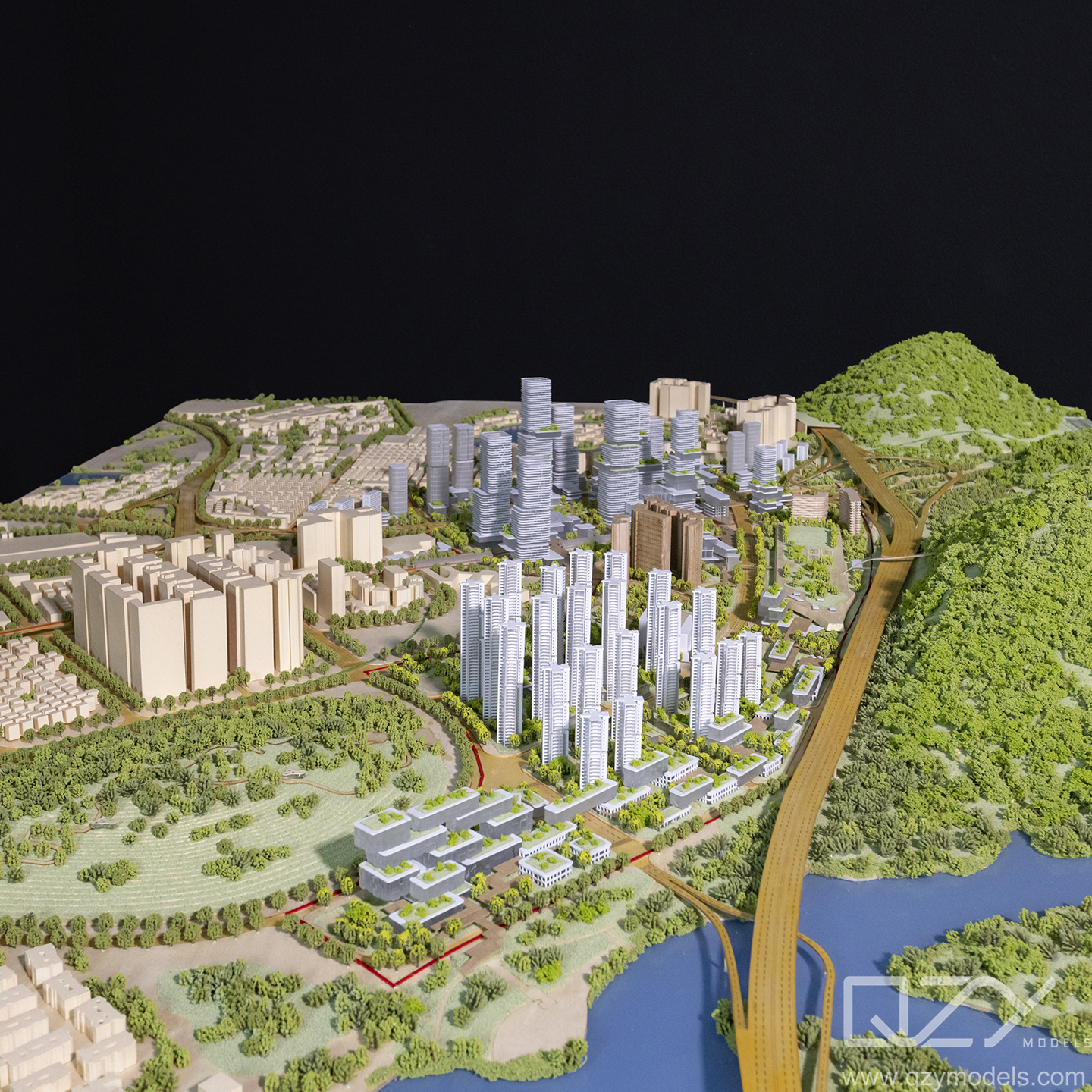
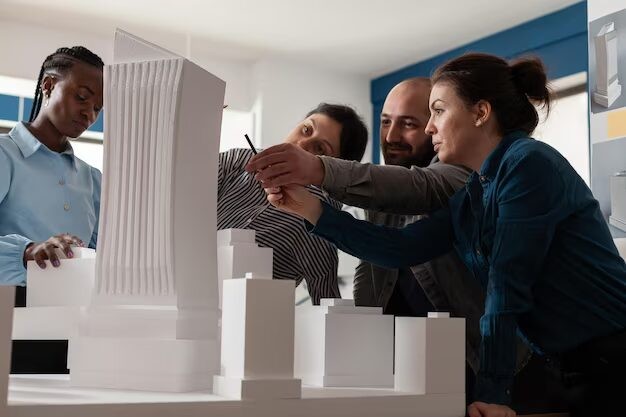
The architectural modeling industry is undergoing a profound transformation driven by advanced fabrication technologies, digital workflows, and material innovation. Today’s design studios, real estate developers, and architectural firms face a pressing question: how can architectural models be produced faster without sacrificing quality? The answer lies in optimizing every stage of the model-making process—from initial design data handling to final presentation—through integrated technology, skilled craftsmanship, and strategic project management.
Market Trends in Architectural Model Production
According to research from major building design consultancies, global demand for high-quality architectural models continues to grow by more than 12% annually. The key driver behind this growth is the rapid expansion of urban development, large-scale real estate projects, and the global competition among architectural firms to produce detailed physical representations that enhance project visualization. Industries are prioritizing speed and precision, with CNC milling, 3D printing, and laser cutting defining next-generation workflows.
Digital twin technologies, augmented reality integration, and virtual prototyping now complement physical model production, enabling architects and developers to review scaled prototypes faster while maintaining exceptional detailing. The growing preference for photorealistic finishes and modular assembly reflects a broader shift toward combining manual artistry with machine precision to accelerate turnaround times.
Core Technology Analysis: Speed and Precision Combined
Modern architectural model making depends heavily on digital fabrication technologies that merge automation with skilled human oversight. CNC milling machines create precise base structures directly from CAD drawings, drastically reducing cutting errors and rework time. Meanwhile, 3D printing allows for rapid prototyping of complex geometries—ideal for urban planning models, tower facades, or conceptual structures.
Laser engraving and UV-printing techniques further enhance speed by adding surface textures, inscriptions, and high-fidelity color finishes in hours rather than days. Efficient model production also relies on software-to-machine communication standards like BIM integration, ensuring all proportions and dimensions are accurately represented. When combined, these technologies shorten lead times by up to 60% while maintaining dimensional and material accuracy.
Competitor Comparison Matrix
| Method / Facility | Average Delivery Time | Precision Level | Cost Efficiency | Suitable Project Types |
|---|---|---|---|---|
| Handcrafted Only | 2–4 weeks | High | Low | Artistic or conceptual presentations |
| CNC + Manual Finishing | 5–10 days | Very High | Medium | Architectural and urban masterplans |
| Full Automation (3D Printing + CNC) | 3–7 days | Extremely High | High | Large or repetitive design models |
Production Workflow Optimization
To achieve both speed and quality, studios adopt lean production principles—streamlining operations through clear task segmentation and real-time project tracking. Material standardization, digital file automation, and modular design allow for simultaneous production of base panels, facades, and landscape components. Using shared data formats such as STL or DXF files minimizes technical errors and ensures seamless coordination between design and fabrication teams.
Workforce training plays an equally vital role. Skilled model makers must understand both artistic detailing and the technical capabilities of CNC routers and resin printers. Innovations like hybrid model assembly, where high-speed printed parts combine with handcrafted textures or LED lighting features, help retain the artistic value of each physical model while cutting delivery time significantly.
Company Introduction
QZY Models, founded in 2013 in Shenzhen, China, is a leading professional team specializing in high-quality architectural and industrial physical model design and production. With two decades of expertise led by founder Richie Ren, the firm has delivered thousands of projects across 20+ countries for clients including Foster + Partners, Vanke, and China Resources. QZY’s global presence spans the UAE, Saudi Arabia, Egypt, and beyond—driven by precision, pride, and professionalism.
Real Use Cases and Measurable ROI
A leading urban planning institute in Dubai reduced its model production time by 45% after integrating automated CNC cutting and polyurethane-based modular structures. In another case, a real estate developer in Singapore used hybrid 3D printing workflows and achieved a two-week reduction in production cycles with no quality loss. These measurable performance improvements often translate to reduced bidding errors, faster approval cycles, and enhanced presentation impact during investor showcases.
Sustainable and Advanced Material Strategies
The choice of materials significantly influences both model appearance and production time. Modern studios are replacing heavy wooden bases with durable yet lightweight composites, acrylics, and bio-resins that cut machining time while ensuring structural integrity. Recycled polymers, laser-cut cardboard panels, and water-based paints are now standard, supporting sustainability goals and reducing overall cost. Integrating eco-friendly materials adds long-term brand value and shapes a cleaner supply chain without compromising finish quality or durability.
Future Trends in Fast Architectural Model Production
By 2030, model production is expected to evolve toward fully adaptive fabrication, where AI-driven systems automatically allocate printer resources based on model complexity and material needs. Robotics-assisted assembly and IoT-connected machinery will further minimize human intervention while guaranteeing accuracy within micrometer ranges. Cloud collaboration between architects, developers, and model builders will eliminate design barriers, allowing real-time modifications that update across all production platforms.
The convergence of artificial intelligence and high-speed fabrication will make architectural model making far more efficient and globally accessible. Studios investing in digital workflow integration, sustainable materials, and expert craftsmanship today will dominate tomorrow’s competitive market.
Conversion and Action Path
For architectural firms, real estate developers, and exhibition organizers seeking to accelerate project visualization without compromising artistry, the future begins with embracing efficiency-centered production. Streamlined workflows, material innovation, and expert partnerships are the keys to producing faster, higher-quality architectural models that impress stakeholders and deliver results. Embrace technology with precision, harness creative craftsmanship, and redefine what architectural model excellence truly means—faster, smarter, and with unwavering quality.